
10 Best Electric Space Heaters Energy Efficient of 2026 For Lower Power Bills

A portable heater often promises cheap supplemental warmth, but a basic model without smart regulation simply pulls 1500 watts nonstop until the room feels like an oven. Instead of lowering utility costs, unrefined units cycle violently between sweltering heat and chilly drafts, spinning electric meters while buzzing fans disrupt sleep or work. Supplementing central heat is supposed to save money, yet unmanaged elements quickly produce runaway power draw and uneven hot spots just inches from the front grille.
Comfort should feel effortless, steady, and whisper-quiet without sending monthly electric bills through the roof. Genuine savings come from responsive thermostat automation, where an onboard ECO mode steps down high wattage to lower levels the moment ambient air reaches the set target. Combining that gradual power throttling with wide oscillation ensures heat circulates evenly across the entire floor plan instead of baking a single corner. Below, see how the leading options compare at balancing dependable warmth, low noise, and strict energy restraint.
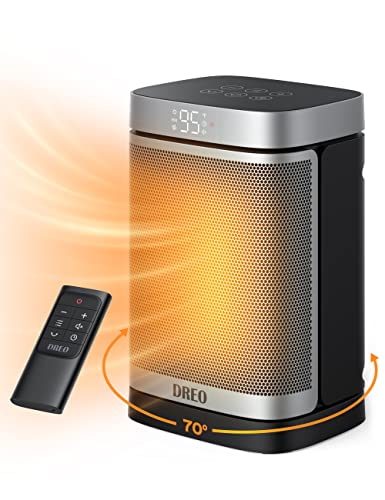
- BWP Score9.5
BWP Score is a ranking system developed by Bestwinterproducts.com. BWP score has no relationship or impact from any manufacturers or sales agent websites. Learn more
- BrandDREO

- BWP Score9.3
BWP Score is a ranking system developed by Bestwinterproducts.com. BWP score has no relationship or impact from any manufacturers or sales agent websites. Learn more
- BrandPELONIS

- BWP Score9.3
BWP Score is a ranking system developed by Bestwinterproducts.com. BWP score has no relationship or impact from any manufacturers or sales agent websites. Learn more
- BrandWINHL

- BWP Score9.2
BWP Score is a ranking system developed by Bestwinterproducts.com. BWP score has no relationship or impact from any manufacturers or sales agent websites. Learn more
- BrandQOWETU

- BWP Score8.3
BWP Score is a ranking system developed by Bestwinterproducts.com. BWP score has no relationship or impact from any manufacturers or sales agent websites. Learn more
- BrandWINHL

- BWP Score8.2
BWP Score is a ranking system developed by Bestwinterproducts.com. BWP score has no relationship or impact from any manufacturers or sales agent websites. Learn more
- BrandDREO

- BWP Score7.9
BWP Score is a ranking system developed by Bestwinterproducts.com. BWP score has no relationship or impact from any manufacturers or sales agent websites. Learn more
- BrandDREO

- BWP Score7.7
BWP Score is a ranking system developed by Bestwinterproducts.com. BWP score has no relationship or impact from any manufacturers or sales agent websites. Learn more
- BrandDREO

- BWP Score7.4
BWP Score is a ranking system developed by Bestwinterproducts.com. BWP score has no relationship or impact from any manufacturers or sales agent websites. Learn more
- BrandQQT

- BWP Score7.4
BWP Score is a ranking system developed by Bestwinterproducts.com. BWP score has no relationship or impact from any manufacturers or sales agent websites. Learn more
- BrandDREO
Last update on 2026-10-29 / Affiliate links / Images, Product Titles, and Product Highlights from Amazon Product Advertising API
Does an ECO mode or smart thermostat actually lower electric heater power consumption?
Yes, built-in thermostat controls and stepped power modes reduce electricity usage by lowering output once a room reaches your set temperature. Standard portable heaters pull a continuous 1500W when running without regulation, which drives up power bills and causes room temperatures to fluctuate. A thermostat algorithm automatically adjusts heating output to match your target comfort level, preventing the heater from drawing peak power constantly.
Units equipped with manual power steps let you dial down to 1000W or 700W to maintain steady warmth with less energy. Certain designs include an ECO mode that regulates heat delivery to sustain comfortable targets, such as 70 degrees Fahrenheit, without keeping the heating element locked at maximum wattage.
Can an oscillating ceramic heater warm a bedroom evenly without hot spots?
Yes, ceramic heaters with wide automatic oscillation and elevated airflow distribute warmth evenly rather than concentrating heat directly in front of the grille. A 70-degree auto-oscillation feature sweeps warm air across the room to break up cold spots and expand coverage.
Tower designs improve air distribution by using dual DC motors or extended impellers that project warm air at speeds reaching 10 ft/s or 11.5 ft/s. For rooms with more square footage, pairing high-velocity air delivery with a space heater for large room setups ensures the heating plate and circulation cover the entire space smoothly.
What safety features are necessary to run an electric space heater safely?
Essential safety features include automatic tip-over shut-off, overheat protection sensors, flame-retardant housing materials, and formal ETL certification. Advanced tilt-detection sensors or 45-degree dumping switches immediately cut power to the heating element if the unit gets bumped, tipped, or knocked off balance.
Look for cool-touch exterior housings built from V0 flame-retardant materials, along with safety plugs and child-lock settings that protect curious hands. To maintain safe operation, always plug the power cord directly into a standard wall outlet without using an extension cord or plug adapter.
How quiet are energy-efficient ceramic space heaters for sleeping or working?
Modern ceramic heaters run quietly enough for light sleepers and home offices, with specialized airflow configurations lowering operational noise down to 25 dB. This quiet operation eliminates distracting motor buzz during phone calls or deep sleep while still providing consistent warmth.
Heaters that combine quiet DC motor designs with aerodynamic heat funnels push warm air efficiently without air turbulence noise. Setting a built-in 12-hour timer allows the heater to turn off automatically during the night, keeping power use down and your room quiet.
How quickly does a PTC ceramic space heater start warming up?
A PTC ceramic heater delivers noticeable heat within two to three seconds of being turned on. Ceramic elements conduct thermal energy rapidly, allowing the internal fan to blow warmth into your living space immediately without a lengthy preheating stage.
Certain tower models reach 70 degrees Fahrenheit in as little as 3 seconds to take the chill out of a room fast. This rapid response allows you to heat an occupied bedroom or home desk instantly instead of waiting for central heating to warm unused areas of the house.
What wattage settings should you use to keep supplemental heating costs low?
Start on the maximum 1500W setting to bring a cold room up to your preferred temperature quickly, then switch down to 1000W or 700W to hold that warmth. Running on a lower wattage setting draws significantly less power from your circuit while maintaining an even indoor temperature.
For close-range spot warming under an office desk or in a compact cubicle, a smaller heater with a 1200W high setting and a low mode provides adequate warmth without the continuous electrical draw of larger floor units.


Top 12 best white electric fireplace 2026

Best Clear Ski Goggles Men 2026 For Sharp Vision On Slopes

Top Best Cordless Electric Snowblower 2026 - (Latest)

Best Warm Winter Scarves 2026 For Cozy Comfort

Best Green Ski Goggles 2026 For Clear Vision On Slopes

12 Best Corner Electric Fireplace 2026: My Ultimate Guide To Pick One

Best Battery Powered Snow Blower 2026 For Effortless Snow Clearing

Best Ski Goggles Under 30 Inches For Crisp Vision And Comfort





