
10 Best Small Garage Heater of 2026 For Cold Workshops

Freezing tools make simple garage work miserable. Drafty concrete bays swallow ordinary space heaters whole, leaving lukewarm airflow that barely reaches your knuckles while the rest of the shop stays bitter. Grabbing the wrong unit often creates an electrical headache at the wall: either a high-draw plug that trips the breaker the second a power tool spins up, or a heavy-duty plug that requires dedicated 240-volt wiring you might not have. Meanwhile, clumsy floor units crowd narrow walkways and risk getting knocked over near sawdust piles and rolling carts.
A comfortable shop should let you work on winter projects with warm hands and zero blown fuses. Solving the chill comes down to matching the heat source to your actual outlets and room layout. A standard 120-volt small garage heater delivers instant, targeted warmth directly to a workbench without overloading everyday circuits. For warming an entire drafty bay, confirming a dedicated 240-volt line provides the wattage necessary to cut through freezing air. Mounting a rugged steel unit to ceiling joists protects valuable floor space and stays clear of dust, while directional floor brackets let you aim heat right where you stand. Here are the most dependable options to keep your workspace productive, safe, and warm all winter long.

- BWP Score9.3
BWP Score is a ranking system developed by Bestwinterproducts.com. BWP score has no relationship or impact from any manufacturers or sales agent websites. Learn more
- BrandAEscod

- BWP Score8.9
BWP Score is a ranking system developed by Bestwinterproducts.com. BWP score has no relationship or impact from any manufacturers or sales agent websites. Learn more
- Brandshinic

- BWP Score8.5
BWP Score is a ranking system developed by Bestwinterproducts.com. BWP score has no relationship or impact from any manufacturers or sales agent websites. Learn more
- BrandDAHTEC

- BWP Score8.4
BWP Score is a ranking system developed by Bestwinterproducts.com. BWP score has no relationship or impact from any manufacturers or sales agent websites. Learn more
- BrandVEVOR

- BWP Score8.1
BWP Score is a ranking system developed by Bestwinterproducts.com. BWP score has no relationship or impact from any manufacturers or sales agent websites. Learn more
- BrandBuyplus

- BWP Score8.3
BWP Score is a ranking system developed by Bestwinterproducts.com. BWP score has no relationship or impact from any manufacturers or sales agent websites. Learn more
- BrandCOMFORT ZONE

- BWP Score7.6
BWP Score is a ranking system developed by Bestwinterproducts.com. BWP score has no relationship or impact from any manufacturers or sales agent websites. Learn more
- BrandNoarixa

- BWP Score8.1
BWP Score is a ranking system developed by Bestwinterproducts.com. BWP score has no relationship or impact from any manufacturers or sales agent websites. Learn more
- BrandBuyplus
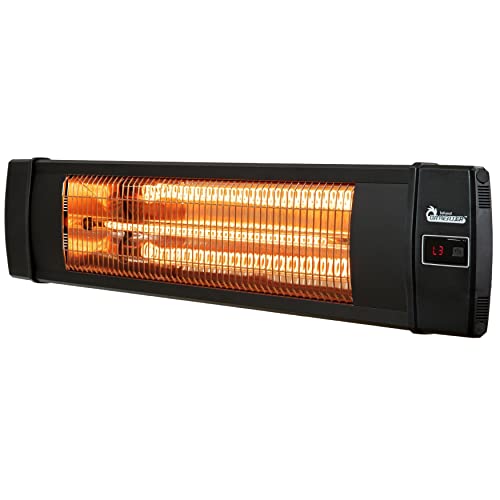
- BWP Score8.0
BWP Score is a ranking system developed by Bestwinterproducts.com. BWP score has no relationship or impact from any manufacturers or sales agent websites. Learn more
- BrandDR. INFRARED HEATER

- BWP Score7.5
BWP Score is a ranking system developed by Bestwinterproducts.com. BWP score has no relationship or impact from any manufacturers or sales agent websites. Learn more
- BrandCOMFORT ZONE
Last update on 2026-10-29 / Affiliate links / Images, Product Titles, and Product Highlights from Amazon Product Advertising API
Will a standard 120-volt plug-in heater warm a small garage?
A standard 120-volt plug-in heater works best for heating a specific workbench area rather than warming an entire drafty building. Compact 1500-watt portable units generate 5120 BTU of heat output and can warm spaces up to 200 square feet using PTC ceramic heating elements or fan-forced circulation. If you need to heat an entire uninsulated structure or a larger bay, you may need a dedicated 240-volt, 5,000-watt hardwired unit that covers up to 50 square meters, or an alternative like a direct-vent propane heater. For close-range tasks in a single-car garage corner, a 1500W ceramic model provides rapid heat in about 3 seconds to keep your hands comfortable while you work.
Is a ceiling mount better than a portable floor heater for a workshop?
Ceiling-mounted heaters preserve valuable floor space, while portable floor heaters deliver warmth directly to where you stand. Hardwired ceiling units built from heavy-gauge steel keep equipment away from workshop sawdust and parked vehicles, often incorporating convenient digital remote controls and 9-hour timers. Portable options weighing around 5.73 pounds let you direct airflow under a workbench or project table, with some models offering a 90-degree adjustable angle and non-slip cushions. If your work area is crowded with rolling toolboxes or vehicles, overhead mounting keeps the floor clear, whereas portable models offer targeted flexibility.
How much heating power do you need to work comfortably in a garage?
The heating capacity you need depends on whether you want targeted warmth around a workbench or full-room air heating. Compact 1500-watt models producing 5120 BTU are designed to warm small work areas, greenhouses, and zones up to 200 square feet. For whole-room warmth across a larger shop, heavy-duty 5,000-watt heaters cover up to 50 square meters while maintaining a set room temperature within a 2°F difference. If you work in an expansive pole barn or need to heat bare masonry slabs, checking out a radiant tube heater for a pole barn can help you decide if an overhead commercial-grade system is a better fit than a compact electric heater.
How do radiant quartz heaters compare to fan-forced garage heaters?
Radiant quartz heaters warm people and surfaces directly with light waves, whereas fan-forced units circulate heated air throughout the room. Dual quartz tube models deliver instant radiant heat to objects directly in front of the elements, and some ceiling units include a built-in halogen light to illuminate a workbench. Fan-forced heaters push air through a heating element to warm ambient room temperatures over time, and many include a fan-only mode for air circulation during warmer months. If your garage doors open frequently and create drafts, radiant quartz heat stays concentrated on your body rather than being swept away by the wind.
Can you run a 1500-watt garage heater without tripping circuit breakers?
You can run a 1500-watt heater on a standard household outlet if the circuit is not overloaded with other shop equipment. Many compact heaters feature adjustable output switches that allow you to step down from 1500W high heat to a 750W low heat setting or even a 20W fan mode. Drawing 1500 watts takes up the majority of a standard 15-amp breaker capacity, so starting a table saw, planer, or air compressor on the exact same circuit can trigger a trip. Dropping the heater to its 750W setting while running power tools allows you to maintain steady warmth without cutting power to your tools.
What safety features are necessary for a garage or workshop heater?
Look for automatic overheat protection, rugged housing materials, and certified electrical listings. Workshops create dust and experience significant temperature changes, making heavy-gauge steel construction and ETL listed certifications valuable for safe everyday operation. Units with internal thermal cut-out switches immediately shut off power if internal components exceed normal operational temperatures. If you work in damp conditions or near open bay doors, look for verified weather resistance ratings, such as an IP55 approval, to ensure moisture and debris do not interfere with safe heating.


Top 12 best white electric fireplace 2026

Best Clear Ski Goggles Men 2026 For Sharp Vision On Slopes

Top Best Cordless Electric Snowblower 2026 - (Latest)

Best Warm Winter Scarves 2026 For Cozy Comfort

Best Green Ski Goggles 2026 For Clear Vision On Slopes

12 Best Corner Electric Fireplace 2026: My Ultimate Guide To Pick One

Best Battery Powered Snow Blower 2026 For Effortless Snow Clearing

Best Ski Goggles Under 30 Inches For Crisp Vision And Comfort





