
When Should You Buy an Artificial Christmas Tree in 2026?

Start shopping in early fall. That gives you more time to find the look you want, especially if you have a particular height, shape, or lighting style in mind. Waiting until later in the fall may bring seasonal sales, but popular choices can sell out, and delivery may take longer.
The right time depends on how set you are on a certain style, whether you need the tree for this Christmas or can wait until next year, and how much time you have to compare options. If you shop later, check that the tree is still available and confirm its delivery estimate before ordering. Here’s how to weigh early shopping, seasonal sales, and the post-Christmas window.
The Short Version
- Start looking in early fall if you have a particular height, shape, or lighting style in mind. Shopping early gives you more time to compare and may give you more choices.
- If you can be flexible, look for seasonal sales later in the fall. A lower price is possible, but the style or size you want may already be unavailable.
- Shopping after Christmas can work if you can wait until the next holiday season. Expect fewer choices, and check that any remaining tree suits your space.
- Before ordering, confirm the tree’s height, width, lighting details, shipping estimate, and return terms.
Why Timing Changes Your Options
Artificial trees are seasonal items, so stores may have different stock at different points in the year. Early shoppers have more time to compare styles and find a tree that fits their room. Later shoppers may find seasonal promotions, but the selection can be smaller.
Those two goals can pull in opposite directions. If you wait because you hope to pay less, you may have to accept a different shape, size, or lighting style. If you buy early, you can secure a suitable choice sooner, but later promotions may not be available yet.
There is no sale date that guarantees the best deal or the best selection. Promotions and stock vary by store and year. Treat a sale as an opportunity, not a promise, and decide what matters most before you start comparing.
First, picture where the tree will stand and when you need it ready. A tree meant for the coming Christmas needs to arrive with enough time for setup. A tree for next year gives you more freedom to wait and watch for remaining stock or seasonal offers.
Shop Earlier If You Have a Particular Look in Mind
Start looking in early fall if you already know what you want. That is especially useful if your room only has space for a certain height or width, or if you want a specific branch shape or light color. More time also lets you compare the details rather than choosing quickly from whatever remains.
Measure the space before you browse. Check the ceiling height, then leave room for the tree topper if you plan to use one. Measure the open floor area where the base will sit, including space for people to walk past it.
Do not judge fit by the tree’s height alone. Two trees with the same listed height can have different widths, and a wide tree can crowd a doorway or block a walkway. Look for the listed width or base diameter on the product page, and compare it with the area you measured.
Early shopping also gives you time to sort out lighting preferences. Decide whether you want a tree that comes with lights or one you decorate yourself. If you want lights included, check the product page for the light color and whether the tree offers more than one setting. Do not assume that a picture shows every lighting option.
Having a preferred look does not mean you need to order the first tree you see. Compare the listed measurements and lighting details across options, then check delivery timing and return terms. That small amount of planning can help prevent a tree from arriving too late or feeling too large once it is in the room.
Wait for Later Fall Sales Only If You Can Flex
Later in the fall may suit you if price matters more than finding one exact style. Seasonal sales can appear during the holiday shopping season, but there is no reliable way to know whether a particular tree will be included or how long it will remain available.
Before waiting, name the features you will not compromise on. For example, you may need the tree to fit beneath a low ceiling, but be open to a different branch shape. Or you may care about warm-colored lights but have room to adjust the tree’s height. Separating must-haves from preferences makes it easier to decide when a remaining option is good enough.
Keep checking the full listing, not just the sale message. A tree may look right in a room photo but have a wider base than your space allows. Check the listed measurements, lighting description, and delivery estimate before you place an order.
Waiting is riskier if you need the tree for an event or a specific decorating weekend. Delivery dates can change with the item, seller, and shipping location. If the tree must be ready by a certain day, choose an option with an arrival estimate that leaves time to set it up, rather than relying on the last possible delivery date.
Use This Checklist When Shopping Later in the Season
Before ordering later in the fall, pause at the listing and confirm the details that could make a tempting sale a poor fit:
- Stock: Confirm that the tree is available to order in the style you want. A page still appearing online does not by itself confirm that the item can ship promptly.
- Delivery: Read the estimated arrival window and check whether it applies to your address. If the date is too close to your decorating plans, choose another option or contact the seller for clarification.
- Fit: Compare the listed height and width with your measurements. Include room for a topper and space around the base.
- Lights: Confirm whether lights are included, what color they are, and what the listing says about their settings. If you want an unlit tree, make sure the listing clearly says it is unlit.
- Returns: Read the return terms before ordering. Check who handles return shipping and whether the item must be returned in its original packaging.
Save the listing or order details after you buy. If the delivery estimate changes, you will have the original information to refer to when you contact the seller. Keep the packaging until you have opened the tree and confirmed that it matches the listing and suits your space.
After-Christmas Shopping Works Best for Next Year
Shopping after Christmas may make sense if you do not need a tree for the current season. You can look for remaining seasonal stock and prepare for next year, but the selection is usually more limited than earlier in the fall. The exact choices depend on what a store has left.
Do not assume that a remaining tree will match your room or preferences just because it is available. Check its measurements and lighting details as carefully as you would during the regular shopping season. A low price is not helpful if the tree is too wide, too short, or fitted with lights you do not want.
Think about where you will store it until next year. Make sure you have a dry place with enough room for the packed tree, and consider whether you can carry and store the box. If storage will be difficult, waiting until the following fall may be more practical.
After-Christmas shopping is also less useful if you need a tree for the holiday that just passed. At that point, ordering cannot solve a need that has already gone by. Instead, note the size and style you wanted while they are fresh in your mind, then start looking earlier next season.
Confirm These Details Before You Order
Use this final check whether you shop early, during seasonal sales, or after Christmas:
- Height: Check the listed height and leave space above the tree for a topper or the room’s ceiling.
- Width: Find the listed width or base diameter. Measure the floor area where the tree will sit and keep walkways clear.
- Lighting: Confirm whether lights are included, their color, and any listed ways to change the lighting. Check the listing rather than relying on the product photo.
- Arrival: Read the delivery estimate for your address. If you need the tree by a certain date, allow time for setup and contact the seller if the estimate is unclear.
- Returns and storage: Review the return terms and think about where the tree will go when the season ends.
If your tree comes with lights, plan how you will switch them on and off before decorating. A Christmas light timer may help manage lighting on compatible setups, but check the timer’s listing for how it works and what it can control.
FAQs
When should I start looking for an artificial Christmas tree?
Start in early fall if you want time to compare options or have a specific size and style in mind. This gives you time to measure your room, check lighting details, and confirm delivery. You can still wait if you are flexible, but be ready to consider alternatives.
Is it better to buy before or during the holiday shopping season?
Buying earlier can give you more time to find a tree that fits your room and preferences. Shopping later may bring seasonal promotions, but a particular style or size may no longer be available. Choose based on whether selection or the chance of a sale matters more to you.
Can I save money by buying after Christmas?
You may find seasonal offers on remaining stock, but no particular discount is guaranteed. The selection is usually more limited, so check the measurements and lighting details before ordering. This timing works best when you can wait until the next Christmas season to use the tree.
How can I tell whether the tree will arrive in time?
Check the estimated delivery window on the listing and confirm that it applies to your address. Leave time to assemble and shape the tree before you need it, rather than planning around the last estimated arrival day. If the estimate is unclear or too close, contact the seller before placing the order.
Related guides: best time to buy an artificial christmas tree.


Best Snow Flocking for Christmas Trees: Top Picks of 2026

Top-Rated Christmas Jar Candle Holders: 2026 Best Picks

Best Christmas Pillar Candle Holders: 2026 Top Selections

Top 12 Best Christmas Taper Candle Holders of 2026

Top 7 Best Christmas Tealight Candle Holders of 2023
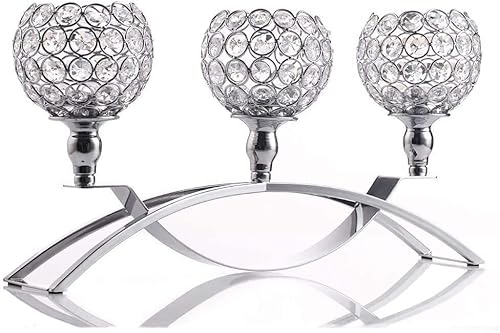
Top 11 Best Silver Christmas Candle Holders of 2026

Top Picks of the Best White Christmas Candle Holders in 2023

Best Ceramic Christmas Candle Holders: Top Picks for 2023





