
12 Best Vented Gas Heaters of 2026 For Clean Indoor Heat

Outside, freezing rain coats the power lines until a transformer blows, plunging a quiet workshop into darkness and sub-zero chill. Inside, the newly installed heater sits completely lifeless because an overlooked electric circuit locks out the gas valve without grid power. Misjudging the setup creates real hazards, from unvented fumes lingering in living quarters to an installer discovering the flue cannot clear exterior framing. A mismatched fuel orifice or an impossible venting run turns what should be a comforting heat source into costly installation delays and freezing nights.
True peace of mind means stepping into a warm room with crisp, breathable air and absolute confidence that the flame stays lit during a blizzard. Achieving that warmth requires matching the space to a dedicated direct-vent sealed system that pulls intake air from outdoors, discharges exhaust through an exterior wall, and uses non-electric ignition for blackout protection. Confirming the factory fuel rating for natural gas or propane guarantees clean combustion from the first spark. The side-by-side reviews below break down the best vented gas heaters by venting design, heating capacity, and off-grid performance.

- BWP Score9.7
BWP Score is a ranking system developed by Bestwinterproducts.com. BWP score has no relationship or impact from any manufacturers or sales agent websites. Learn more
- BrandComfort Glow

- BWP Score9.6
BWP Score is a ranking system developed by Bestwinterproducts.com. BWP score has no relationship or impact from any manufacturers or sales agent websites. Learn more
- BrandRinnai
- BWP Score9.2
BWP Score is a ranking system developed by Bestwinterproducts.com. BWP score has no relationship or impact from any manufacturers or sales agent websites. Learn more
- BrandComfort Glow
- BWP Score9.0
BWP Score is a ranking system developed by Bestwinterproducts.com. BWP score has no relationship or impact from any manufacturers or sales agent websites. Learn more
- BrandComfort Glow
- BWP Score8.8
BWP Score is a ranking system developed by Bestwinterproducts.com. BWP score has no relationship or impact from any manufacturers or sales agent websites. Learn more
- BrandComfort Glow
- BWP Score8.5
BWP Score is a ranking system developed by Bestwinterproducts.com. BWP score has no relationship or impact from any manufacturers or sales agent websites. Learn more
- BrandMr. Heater

- BWP Score8.3
BWP Score is a ranking system developed by Bestwinterproducts.com. BWP score has no relationship or impact from any manufacturers or sales agent websites. Learn more
- BrandRinnai

- BWP Score8.1
BWP Score is a ranking system developed by Bestwinterproducts.com. BWP score has no relationship or impact from any manufacturers or sales agent websites. Learn more
- BrandRinnai

- BWP Score8.1
BWP Score is a ranking system developed by Bestwinterproducts.com. BWP score has no relationship or impact from any manufacturers or sales agent websites. Learn more
- BrandAshley

- BWP Score8.0
BWP Score is a ranking system developed by Bestwinterproducts.com. BWP score has no relationship or impact from any manufacturers or sales agent websites. Learn more
- BrandMr. Heater

- BWP Score7.5
BWP Score is a ranking system developed by Bestwinterproducts.com. BWP score has no relationship or impact from any manufacturers or sales agent websites. Learn more
- BrandComfort Glow

- BWP Score7.3
BWP Score is a ranking system developed by Bestwinterproducts.com. BWP score has no relationship or impact from any manufacturers or sales agent websites. Learn more
- BrandAshley
Last update on 2026-10-31 / Affiliate links / Images, Product Titles, and Product Highlights from Amazon Product Advertising API
Will a vented gas heater keep working during an electrical power outage?
Yes, but only if you select a model specifically built for non-electric operation. Wall heaters like the Ashley Hearth DVAG8N and DVAG11N operate without electricity, allowing them to provide steady warmth during severe winter storms and blackout emergencies. Many wall units rely on matchless piezo ignition or standing safety pilots with built-in pressure regulators that stop the flow of gas if the pilot flame goes out, requiring zero household current.
On the other hand, forced-air ceiling units and advanced wall furnaces require an electrical connection to run. Models like the Rinnai EX22DTWN use self-diagnostic electronics and modulating technology, while overhead garage heaters rely on electric blower fans to push warm air across the room. If off-grid reliability is your top concern, confirm that the heater operates without standard 120-volt power before purchasing.
How do I determine the right BTU output for my room size?
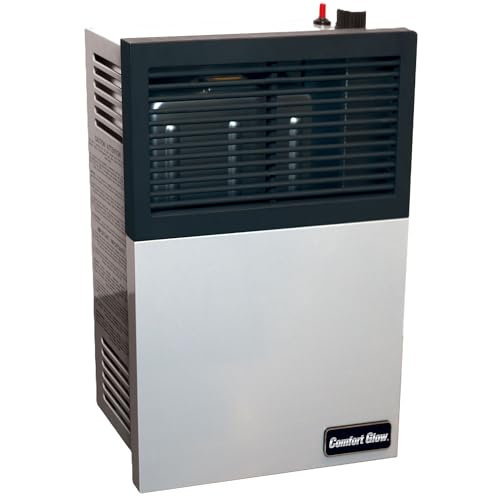
Match the unit's rated square footage directly to your room dimensions rather than guessing the output. An 8,000 BTU direct-vent heater covers between 250 square feet, as seen on the Comfort Glow 8,000 BTU model, and 300 square feet on the Ashley Hearth DVAG8N. Stepping up to 11,000 BTUs provides coverage for 350 to 375 square feet, while a 17,000 BTU model handles up to 500 square feet.
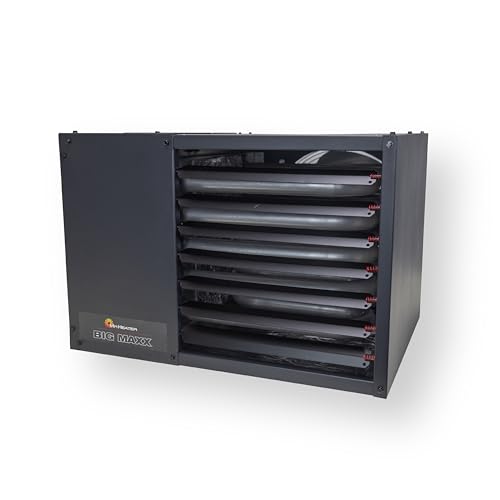
For larger open living areas, 25,000 BTU wall units heat spaces up to 750 square feet. If you are heating an unpartitioned workspace, barn, or three-car garage, ceiling-mounted forced-air units offer higher capacities, such as 50,000 BTUs for up to 1,667 square feet or 80,000 BTUs for up to 2,667 square feet. Always check ceiling height, drafts, and insulation levels against the manufacturer's listed square foot ratings.
Can I connect a natural gas heater to a liquid propane tank?
No, you must never connect a heater to a fuel supply it is not configured to burn. Gas orifices, internal valving, and operational pressures differ significantly between fuels, so using the wrong gas creates severe soot buildup and dangerous burner malfunctions. Comfort Glow manufactures dedicated liquid propane units, including an 11,000 BTU model heating up to 350 square feet and a 25,000 BTU unit heating up to 750 square feet, alongside separate natural gas versions.
If your property relies on a bulk fuel tank or cylinder rather than a utility meter, review dedicated direct vent propane heaters to confirm the unit matches your fuel supply right from the factory. Never assume a natural gas heater includes conversion hardware unless the manufacturer explicitly specifies an included conversion kit.
What is the difference between a direct-vent wall furnace and a ceiling-hung unit heater?
Direct-vent wall heaters mount to an exterior wall and draw outside air into a sealed burn chamber, discharging exhaust directly through the wall. This sealed design keeps combustion gases and excess moisture completely out of your indoor air, making them suitable for finished living areas and cabins. Wall units like the Rinnai EX38DTWN also feature cool-to-the-touch cabinets to prevent accidental burns in occupied spaces.
Ceiling-hung unit heaters, such as the Mr. Heater Big Maxx series, suspend from overhead framing to keep floor space clear in garages and workshops. These forced-air units blow air across an internal heat exchanger to warm large utility spaces up to 2,667 square feet. Because ceiling units take up overhead clearance and move higher volumes of air, they are intended for utility workspaces and barns rather than quiet bedrooms.
How does a sealed combustion direct-vent system protect indoor air quality?
A sealed combustion system isolates the entire burner assembly from your indoor living environment. Outdoor air enters through the exterior vent pipe to feed the flame, and all combustion exhaust vents back outside through a dedicated wall sleeve. Because the flame never draws oxygen from the room or vents into the living area, it avoids releasing carbon monoxide, fumes, and water vapor into your home.
Direct-vent wall models also include safety features like a safety pilot with a built-in pressure regulator that stops the flow of gas if the pilot flame is extinguished. Modulating options like the Rinnai EX22DTWN and EX38DTWN pair this sealed cycle with self-diagnostic electronics to monitor heater operation, keeping your interior air fresh and safe.
Can a direct-vent gas heater be installed on any wall?
No, a direct-vent heater must be installed on an exterior wall that allows the vent pipe to pass directly to the outdoors. The vent pipe requires an unobstructed outdoor clearance away from windows, doors, and ground level according to local codes. You cannot vent a direct-vent wall furnace into an attic, a crawl space, or an interior wall partition.
Before installing, measure your exterior wall thickness and confirm the exact cabinet dimensions against your wall studs. For example, compact units measure around 6.6 inches deep, while larger wall furnaces can measure over 12 inches deep. Check the clearance specifications in the product manual to make sure furniture, curtains, and floor coverings maintain the required spacing from the heater cabinet.


Top 12 best white electric fireplace 2026

Best Clear Ski Goggles Men 2026 For Sharp Vision On Slopes

Top Best Cordless Electric Snowblower 2026 - (Latest)

Best Warm Winter Scarves 2026 For Cozy Comfort

Best Green Ski Goggles 2026 For Clear Vision On Slopes

12 Best Corner Electric Fireplace 2026: My Ultimate Guide To Pick One

Best Battery Powered Snow Blower 2026 For Effortless Snow Clearing

Best Ski Goggles Under 30 Inches For Crisp Vision And Comfort





