
6 Best Vented Gas Room Heaters of 2026 For Outage-Ready Warmth

A sealed gas heater promises quiet, dry warmth without lingering exhaust, but a careless choice leaves a household shivering in the dark. Ventless models dump unwanted moisture and combustion byproducts straight into living spaces, yet switching to a vented setup introduces its own traps. A cabinet might look compact online only to demand invasive wall cutouts, or worse, arrive jetted for liquid propane when the basement runs on natural gas. The most frustrating surprise happens during an ice storm: a stylish heater with an electric blower suddenly sits cold and useless because hidden line-voltage requirements leave it dead the moment the grid fails.
True winter comfort means stepping into an enclosed room that stays reliably cozy while exhaust fumes vent cleanly outside through an exterior wall. Getting that peace of mind comes down to confirming three specific details before cutting into drywall. First, verify whether the burner uses natural gas or liquid propane, since field conversions can be messy. Next, match the rated BTU output directly to room square footage so the flame does not short-cycle or create stubborn cold corners. Most importantly, prioritize millivolt controls or battery ignition if reliable warmth during a blackout is the goal. Here is how the top options compare for keeping your space safe, warm, and self-sufficient.

- BWP Score9.7
BWP Score is a ranking system developed by Bestwinterproducts.com. BWP score has no relationship or impact from any manufacturers or sales agent websites. Learn more
- BrandComfort Glow

- BWP Score9.6
BWP Score is a ranking system developed by Bestwinterproducts.com. BWP score has no relationship or impact from any manufacturers or sales agent websites. Learn more
- BrandRinnai
- BWP Score8.8
BWP Score is a ranking system developed by Bestwinterproducts.com. BWP score has no relationship or impact from any manufacturers or sales agent websites. Learn more
- BrandComfort Glow

- BWP Score9.2
BWP Score is a ranking system developed by Bestwinterproducts.com. BWP score has no relationship or impact from any manufacturers or sales agent websites. Learn more
- BrandRinnai

- BWP Score8.0
BWP Score is a ranking system developed by Bestwinterproducts.com. BWP score has no relationship or impact from any manufacturers or sales agent websites. Learn more
- BrandMr. Heater

- BWP Score7.3
BWP Score is a ranking system developed by Bestwinterproducts.com. BWP score has no relationship or impact from any manufacturers or sales agent websites. Learn more
- BrandAshley
Last update on 2026-11-15 / Affiliate links / Images, Product Titles, and Product Highlights from Amazon Product Advertising API
Can a vented gas room heater run on both natural gas and liquid propane?
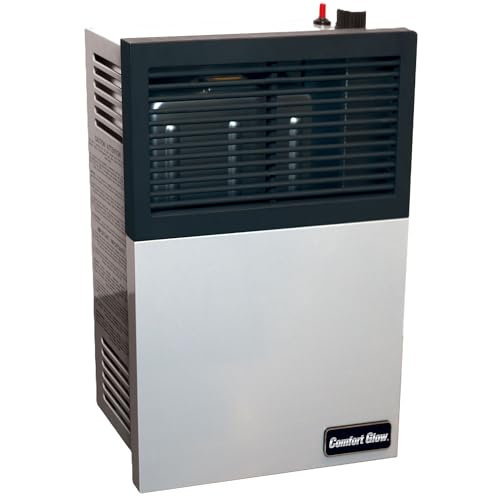
No, you must match the heater directly to your dedicated fuel line before purchase. Manufacturers build separate configurations for each fuel source, such as the Ashley Hearth DVAG11N and Comfort Glow 17,000 BTU direct-vent models for natural gas, or dedicated liquid propane options like the Comfort Glow 11,000 BTU unit. Because internal orifices and gas valves are configured for specific pressure levels, you should check your home supply and verify the designated fuel rating on the product cabinet or manufacturer manual before setting up your heater.
Will a direct-vent gas room heater keep working during an electrical power outage?
It depends on the internal ignition and control design of the specific model. Units like the Ashley Hearth DVAG11N operate completely without electricity, making them dependable sources of warmth during winter storm blackouts and off-grid scenarios. Conversely, advanced wall furnaces such as the Rinnai EX11DTN and EX22DTWN rely on self-diagnostic electronics and modulating systems that require standard household electrical power. If uninterrupted heating during a grid failure is your main priority, verify that your model uses a non-electric or battery-ignited system rather than a powered control board.
How many square feet can a direct-vent gas heater warm?
Heating capacity corresponds directly to the listed BTU rating of the individual heater. An 11,000 BTU unit heats up to 350 square feet with the Comfort Glow propane model or up to 375 square feet with the Ashley Hearth natural gas unit. Stepping up to a 17,000 BTU Comfort Glow natural gas heater warms spaces up to 500 square feet, while powerful ceiling-mounted equipment like the 50,000 BTU Mr. Heater MHU50NG heats up to 1,667 square feet. Real-world performance also depends on your home draftiness, so consider whether wall insulation affects heater energy efficiency before selecting your final heating capacity.
Are direct-vent gas wall heaters safe to install in bedrooms?
Safety approvals depend on local municipal building codes and specific manufacturer listings, which you must confirm in the installation manual before setting up the appliance. Direct-vent heaters use a sealed combustion system that draws air from outside and expels exhaust outdoors through a dedicated wall sleeve, preventing moisture build-up and combustion gases from lingering in indoor air. Look for models equipped with a safety pilot and a built-in pressure regulator that cuts the gas supply if the flame goes out, but always verify the explicit bedroom clearance rating on the manufacturer data plate.
What happens if the pilot flame goes out on a direct-vent heater?
Modern direct-vent units feature automatic shut-off safety mechanisms to keep raw gas from accumulating inside the home. Vented wall heaters from Comfort Glow use a sealed burn system paired with a safety pilot and built-in pressure regulator that stops the flow of gas immediately if the pilot flame is extinguished. Other designs, like the Rinnai EX22DTWN, incorporate self-diagnostic electronics and cool-to-the-touch cabinets to maintain safe operation. Always follow the manufacturer instructions for relighting procedures and maintain clean exterior vent terminations.
How does a direct-vent wall furnace differ from a ceiling-mounted unit heater?
Direct-vent wall furnaces mount along an exterior wall to quietly distribute steady warmth into finished living rooms and bedrooms while venting directly outside. In contrast, ceiling-mounted forced air heaters like the Mr. Heater Big Maxx MHU50NG output 50,000 BTUs to warm large utility buildings, barns, and three-car garages up to 1,667 square feet. Residential living areas require sealed direct-vent systems that maintain clean indoor breathing air without noisy industrial blowers. If you are conditioning an exterior workspace or detached studio, learning which eco-friendly insulations help your heater run less can help reduce fuel consumption across cold winter months.


Top 12 best white electric fireplace 2026

Best Clear Ski Goggles Men 2026 For Sharp Vision On Slopes

Top Best Cordless Electric Snowblower 2026 - (Latest)

Best Warm Winter Scarves 2026 For Cozy Comfort

Best Green Ski Goggles 2026 For Clear Vision On Slopes

12 Best Corner Electric Fireplace 2026: My Ultimate Guide To Pick One

Best Battery Powered Snow Blower 2026 For Effortless Snow Clearing

Best Ski Goggles Under 30 Inches For Crisp Vision And Comfort





