
3 Grounded Plug Space Heater of 2026 For Electrical Safety

Plugging a high-draw space heater with a flimsy two-prong cord into a shared wall outlet is a costly gamble that often ends with scorched wall receptacles, blown breakers, or melted plastic. Standard portable units pulling continuous high wattage generate intense heat not just across their ceramic elements, but straight through the prongs and wiring inside the wall. When older outlets loosen or lack an equipment ground, that constant electrical load turns into a quiet hazard. Nobody wants to spend freezing nights sniffing the air for burning insulation or waking up to a cold room because a utility heater tripped a shared circuit.
Real comfort means warming a chilly space while knowing the wall socket stays cool to the touch. Protecting your living area comes down to selecting a grounded plug space heater with a dedicated third prong, matching the wattage draw to your room size, and insisting on automatic shut-offs that kill power before temperatures spike. The side-by-side comparison below highlights how the leading models protect your home wiring while delivering steady, dependable warmth.

- BWP Score7.7
BWP Score is a ranking system developed by Bestwinterproducts.com. BWP score has no relationship or impact from any manufacturers or sales agent websites. Learn more
- Brandshinic

- BWP Score8.1
BWP Score is a ranking system developed by Bestwinterproducts.com. BWP score has no relationship or impact from any manufacturers or sales agent websites. Learn more
- BrandWindmill
- BWP Score8.0
BWP Score is a ranking system developed by Bestwinterproducts.com. BWP score has no relationship or impact from any manufacturers or sales agent websites. Learn more
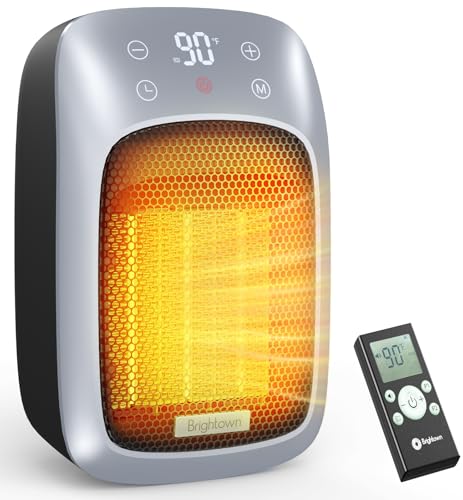
- BrandBrightown
Last update on 2026-10-28 / Affiliate links / Images, Product Titles, and Product Highlights from Amazon Product Advertising API
Does every portable space heater come with an actual 3-prong grounded plug?
No, many portable space heaters rely on standard two-prong ungrounded cords or direct wall-mount plugs instead of a 3-prong design. Rugged utility models such as the Shinic milkhouse heater include an authentic 3-prong plug to ground the all-metal housing, which prevents stray electrical shock if an internal wire loosens. For compact indoor ceramic heaters or direct wall-outlet units, always inspect the manufacturer plug specifications before buying. A dedicated ground pin provides vital stability and electrical peace of mind, especially when plugging into older or frequently used wall receptacles.
Will running a 1500W heater trip your circuit breaker or overheat the wall socket?
It depends on the other electrical loads operating on that same household circuit. Running an appliance on a 1500W high-heat setting, or even a 1300W low setting, pulls continuous high current through your wall outlet. If high-draw appliances share that circuit line, the breaker can easily trip to protect your home wiring. Loose wall receptacles can also build up heat under heavy loads, so look for heaters with lower power settings or verify that your outlet holds the plug firmly without wobbling. You can check a portable electric room heater for supplemental heat in living space to balance safe room warmth with circuit demands.
Is an 800W plug-in heater enough warmth, or do you need a 1500W unit?
An 800W wall outlet heater is suited for compact areas up to 100 square feet, while larger or drafty rooms require 1500W of heating output. Direct plug-in designs like the Brightown heat in 2 seconds and feature selectable settings like 300W and 800W, making them practical for quick supplemental warmth in a small office or bathroom. For open floor plans, garages, or unheated basements, a 1500W utility heater delivers the substantial air volume needed to counter heavy chill. Selecting the right wattage prevents you from pushing an underpowered unit to run non-stop on maximum load.
What safety mechanisms protect against overheating and fire hazards?
Automatic overheat protection and tip-over shut-off switches are the two essential safeguards for preventing thermal hazards. Heavy-duty utility heaters pair tip-over cutoffs with stay-cool durable metal housings that keep the exterior secure during operation. Smaller plug-in units also incorporate overheat sensors and ECO modes to halt power draw if internal components exceed safe operational temperatures. Always confirm that any floor-standing unit automatically shuts down when tilted to avoid scorch marks on carpets or workbenches.
What settings can you program on a space heater to manage runtime safely?
You can adjust digital thermostats, operating modes, and auto-off timers to keep power draw under control. Many modern plug-in units offer adjustable modes, including fan-only, ECO, and set wattages alongside a 12-hour timer that shuts the unit off automatically. Exploring what parameters can you program on a space heater helps you tailor run cycles so the element never runs unattended for hours. Thermostat controls cycle the heating element off once your target warmth is achieved, which keeps cords cool and lowers total energy use.
How quiet are indoor ceramic heaters compared to utility workshop fans?
Indoor ceramic models run far quieter than heavy utility heaters because they use specialized motor designs. Tower ceramic heaters like the Windmill feature a Dual-Ring Brushless DC Motor that operates as low as 20 dB with smooth 70-degree oscillation, making them suitable for bedrooms or nurseries. Metal milkhouse heaters, by contrast, focus on rugged durability and high-volume fan circulation for garages, which creates a noticeable rush of air. If you need quiet warmth that will not disrupt phone calls or light sleep, check the decibel ratings and motor construction before choosing.


Top 12 best white electric fireplace 2026

Best Clear Ski Goggles Men 2026 For Sharp Vision On Slopes

Top Best Cordless Electric Snowblower 2026 - (Latest)

Best Warm Winter Scarves 2026 For Cozy Comfort

Best Green Ski Goggles 2026 For Clear Vision On Slopes

12 Best Corner Electric Fireplace 2026: My Ultimate Guide To Pick One

Best Battery Powered Snow Blower 2026 For Effortless Snow Clearing

Best Ski Goggles Under 30 Inches For Crisp Vision And Comfort





