
How Long Do Natural Gas Water Heaters Last?

Most homeowners assume a water heater will quietly work for decades until a puddle shows up on the basement floor. The reality is that a standard natural gas tank water heater lasts 8 to 12 years, while a tankless gas model can reach 15 to 20 years. Waiting for the system to burst before thinking about its age often turns a simple swap into an expensive emergency clean-up.
How long your specific heater survives depends on a few clear factors. Water with heavy mineral content wears down metal tanks quickly, while soft water is much gentler on inner steel walls. Routine habits matter just as much, especially draining out gritty sediment each year and checking the protective rod inside the tank. Here is how to find the exact age of your heater and catch the warning signs before a leak starts.
Tank heaters last a decade while tankless lasts longer
A standard natural gas tank water heater usually lasts between 8 and 12 years. Gas tankless models last significantly longer, often reaching 15 to 20 years before needing replacement. These numbers represent typical household conditions, but the actual lifespan of your unit depends on your local water quality and how well you take care of the equipment.
Tank models hold 30 to 50 gallons of water under constant pressure every second of the day. Over time, that continuous exposure to water, heat, and dissolved minerals eats away at the steel tank. The burner cycles on and off beneath the tank floor, expanding and contracting the metal thousands of times. Eventually, even the best protective inner glass coatings develop tiny micro-cracks that expose the raw steel to moisture.
A tankless unit works differently because it has no large reservoir of standing water. Instead, it acts as an on-demand heater that warms water instantly without a storage tank. Water only passes through its copper or stainless steel heat exchanger when someone turns on a hot water tap. Because internal parts stay dry between uses and never store standing water, internal corrosion happens at a much slower rate.
Water mineral hardness plays a massive role in how many years either system survives. Hard water contains heavy amounts of calcium and magnesium that fall out of suspension whenever water heats up. These minerals turn into sediment, which is sand-like mineral grit that settles at the tank bottom. This grit forms an insulating barrier over the gas burner, forcing the steel bottom to overheat and weakening the tank structure years ahead of schedule.
Find your heater build date on the rating plate
You cannot judge the age of a water heater by how shiny or clean the outside jacket looks. The only reliable way to know when your unit was made is to check the rating plate, which is the manufacturer label on the jacket listing the serial number. You can usually find this large paper or metallic sticker on the side of the tank, right near the gas control thermostat or the yellow energy guide sticker.
Water heater makers encode the manufacturing date directly inside the serial number. While every brand uses a slightly different layout, most follow one of three common patterns:
- Letter followed by numbers: Many major manufacturers use a letter for the month and two digits for the year. In this system, A stands for January, B for February, C for March, and so on. A serial number starting with D18 was built in April 2018.
- Month and year format: Some brands use the first two digits for the month and the next two digits for the year. A serial number starting with 0614 indicates a build date of June 2014.
- Year and week format: Other makers put a two-digit year first, followed by the two-digit week of that year. A serial number opening with 1628 means the heater rolled off the factory line during the 28th week of 2016.
Take a clear photo of the rating plate with your phone so you can zoom in on the numbers comfortably. If your serial number looks like an unusual jumble of characters, search the brand name and the phrase serial number lookup on the maker website. Knowing the exact age tells you immediately whether a strange noise is a minor service issue or the dying gasp of a 12-year-old tank.
Watch for these clear signs your heater is dying
Water heaters rarely quit without giving off a few warning signals first. Paying attention to subtle changes in sound, water color, and heating speed helps you plan a replacement on your own schedule instead of cleaning up a flooded basement.
- Rusty or reddish water from hot taps: If rusty water comes out of your hot faucets but cold water runs crystal clear, the steel walls inside your tank are actively breaking down. Once rust begins eating the inner steel shell, internal failure is inevitable.
- Popping, banging, or rumbling sounds: When sediment accumulates on the bottom of the tank, water becomes trapped underneath that mineral layer. As the gas burner fires, that trapped water boils into high-pressure steam bubbles that pop violently through the mineral crust. Those loud knocking sounds mean the burner is baking the bottom of the tank to dangerous temperatures.
- Dampness or puddles around the base: Any visible pooling water, trickles running down the outer jacket, or damp insulation near the bottom fittings indicates an internal fracture. Water expands as it heats, pushing moisture through tiny fractures in the tank walls. A leaking tank cannot be patched or resealed; it must be replaced.
- Running out of hot water quickly: If your morning shower turns lukewarm halfway through, sediment may be stealing your tank capacity. Mineral buildup displaces gallons of usable hot water and insulates the water from the burner flame. Alternatively, the plastic dip tube inside that directs incoming cold water to the bottom may have snapped, causing cold water to mix directly into the hot water exiting the top.
- Corrosion on fittings and burner parts: Heavy white crust or green corrosion around the cold and hot water pipes on top of the tank shows that moisture is escaping. Similarly, black soot or rust flakes falling around the bottom burner chamber indicate poor combustion and metal decay.
Always keep safety first when inspecting your heater. If you ever smell natural gas or a scent like rotten eggs near the tank, leave the area immediately without touching any electrical switches. Turn off the main gas line shutoff valve outside if you can do so safely, and call your gas utility company or local emergency services from outdoors.
Simple maintenance steps can add years to tank life
You do not need specialized plumbing skills to keep a natural gas water heater in good shape. Spending an hour once a year on basic preventative care stops corrosion, clears out mineral build-up, and protects the steel tank from premature burnout.
- Flush the tank to clear out mineral grit: Turn the gas control knob to PILOT to keep the burner from firing while empty. Shut off the cold water supply valve on the pipe entering the top of the tank. Screw a standard garden hose onto the brass drain valve at the bottom of the tank and run the other end to a floor drain, sump pit, or outside driveway. Open a hot water faucet on your top floor to let air enter the plumbing lines, then open the tank drain valve using a flat-head screwdriver or valve handle. Once the water drains empty, turn the cold water supply valve on and off in short bursts to churn up and flush out the remaining grit before closing the drain valve and refilling the tank completely.
- Check and replace the sacrificial anode rod: The anode rod is a metal rod inside that rusts away so the tank steel stays safe. Dissolved minerals in the water attack this aluminum or magnesium rod instead of eating the steel tank shell. Locate the large hex head on top of your water heater, turn off the water supply, relieve the pressure, and loosen the rod with a socket wrench. Inspect the rod: if you see more than six inches of bare steel wire core or if the rod looks chewed up and thin, unscrew it and screw in a fresh replacement rod. Checking this part every two to three years can easily double the operating life of your tank.
- Check the temperature and pressure relief valve: This brass valve sits on top or high on the side of the tank with a small metal lift lever and a copper discharge pipe pointing down toward the floor. It acts as an emergency safety valve that releases water if internal pressure or heat gets dangerously high. Lift the lever gently for a few seconds to let a small squirt of water discharge down the drain line, then let it snap back into place. Verify that the valve closes tightly and stops dripping completely after you release it. If it continues to drip, screw in a replacement valve promptly.
- Keep clearances open and inspect the burner flame: Gas heaters require a steady supply of fresh combustion air to burn cleanly. Never stack storage boxes, paint cans, cleaning rags, or household clutter within three feet of your water heater. Manufactured homes have especially tight closets with specific airflow codes, similar to selecting a heater for mobile home layouts where direct intake venting is mandatory. Look through the small glass viewing port at the bottom of the tank while the burner runs: the flame should be steady and bright blue. A weak, dancing yellow or orange flame indicates clogged burner orifices or poor draft that needs attention from a licensed technician.
Decide whether to repair or replace an older unit
Deciding between fixing a broken part or buying a new water heater comes down to age, the repair cost, and the exact part that failed. You can avoid wasted spending by using a few practical rules of thumb.
Use the common 50 percent financial rule. If a replacement part and the technician labor cost more than half the price of a brand-new water heater, choose a replacement. This rule is especially true if your heater is already more than eight years old. Spending hundreds of dollars to install a new gas control valve on a ten-year-old tank makes little financial sense when the tank itself could spring a leak three months later.
Know which problems are worth fixing. External parts that screw onto the outside of the tank are simple and affordable to service. A bad thermocouple (the flame sensor that tells the gas valve the pilot light is burning), a clogged burner assembly, a worn pilot tube, or a dripping brass drain valve are all routine fixes on heaters under eight years old.
Know which problems demand immediate replacement. If the steel tank itself leaks water from the bottom seam or behind the outer casing, no repair is possible. Internal tank fractures cannot be welded, patched, or sealed from the outside. Any visible leak coming from the tank body means the equipment has reached the end of its useful life.
Waiting until a water heater bursts completely is an expensive mistake. When a water heater fails catastrophically, it does not just lose heating power; it dumps its entire 40- or 50-gallon volume across your floor in minutes. Because the cold water supply line stays open under household water pressure, hundreds of additional gallons will flood your home until someone notices and shuts off the main water valve. If your heater is past its warranty and showing clear signs of decay, replacing it on your own terms prevents severe water damage.
Choose modern tankless gas models for longer reliable life
If your aging water heater is near the end of its life, modern high-efficiency natural gas replacements offer much better durability than older equipment. Many homeowners choose to switch from traditional storage tanks to on-demand tankless water heaters because of their compact size, lower standby energy loss, and 20-year service life.
Before purchasing a new natural gas replacement heater, verify a few key requirements in your home:
- Gas line sizing: Traditional storage tanks heat water slowly using a modest burner that usually runs on a standard half-inch gas supply pipe. A tankless unit heats high volumes of water instantly, which requires a much larger gas burner. Confirm whether your home gas line has a three-quarter-inch pipe available or if a plumber needs to run an upgraded gas line from your meter.
- Water flow rate demands: Gas tankless heaters are rated by flow capacity, measured in gallons per minute (GPM). Calculate how many hot water fixtures your family might use at the same time. Running a shower and a kitchen sink at once usually requires around 4 to 5 GPM, while running two showers and a washing machine simultaneously demands 7 to 9 GPM.
- Exhaust venting paths: High-efficiency gas heaters produce cooler, acidic exhaust gases that cannot use standard metal chimney flues. They require dedicated direct-vent or power-vent pipes made of approved plastics or stainless steel that run directly out through a side wall or roof.
- Installation location and freeze safety: Water heaters installed in unheated spaces need careful cold-weather protection. If your equipment sits in an unconditioned workshop or outbuilding where winter drafts threaten exposed water pipes, adding an electric heater for garage with thermostat control helps keep ambient temperatures safely above freezing.
Natural gas appliances involve high gas pressures, carbon monoxide combustion venting, and household plumbing connections. Always hire a licensed, qualified plumbing professional to inspect your home layout, verify fuel supply lines, and install your new gas water heater safely according to local building codes.

- BWP Score9.3
BWP Score is a ranking system developed by Bestwinterproducts.com. BWP score has no relationship or impact from any manufacturers or sales agent websites. Learn more
- BrandNOVIEEX
- BWP Score9.3
BWP Score is a ranking system developed by Bestwinterproducts.com. BWP score has no relationship or impact from any manufacturers or sales agent websites. Learn more
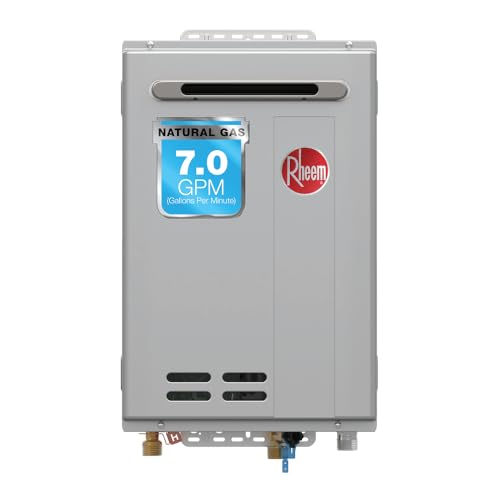
- BrandRheem
- BWP Score8.6
BWP Score is a ranking system developed by Bestwinterproducts.com. BWP score has no relationship or impact from any manufacturers or sales agent websites. Learn more
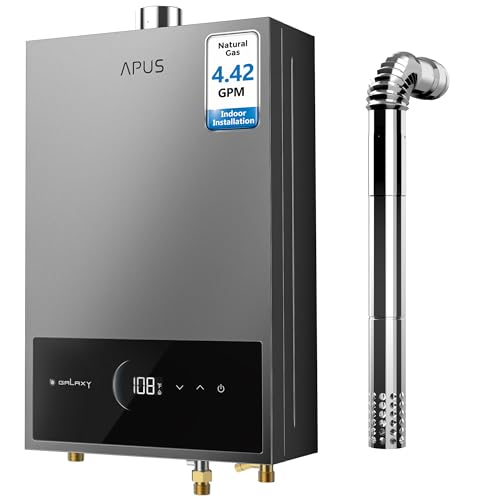
- BrandAPUS

- BWP Score9.2
BWP Score is a ranking system developed by Bestwinterproducts.com. BWP score has no relationship or impact from any manufacturers or sales agent websites. Learn more
- BrandRinnai

- BWP Score8.2
BWP Score is a ranking system developed by Bestwinterproducts.com. BWP score has no relationship or impact from any manufacturers or sales agent websites. Learn more
- BrandRanein
Last update on 2026-10-28 / Affiliate links / Images, Product Titles, and Product Highlights from Amazon Product Advertising API


Top 12 best white electric fireplace 2026

Best Clear Ski Goggles Men 2026 For Sharp Vision On Slopes

Top Best Cordless Electric Snowblower 2026 - (Latest)

Best Warm Winter Scarves 2026 For Cozy Comfort

Best Green Ski Goggles 2026 For Clear Vision On Slopes

12 Best Corner Electric Fireplace 2026: My Ultimate Guide To Pick One

Best Battery Powered Snow Blower 2026 For Effortless Snow Clearing

Best Ski Goggles Under 30 Inches For Crisp Vision And Comfort





