
How Many Amps Does a Tankless Water Heater Use?

A homeowner stares into an open breaker box with a flashlight, wondering if there is any electrical capacity left to spare. A small single-sink heater typically pulls around 25 to 30 amps, while a whole-house electric system demands between 60 and 150 amps or more. Gas-powered models require almost no electricity at all, drawing under 5 amps just to spin an exhaust fan and run the display.
That wide range depends mostly on what fuel heats the water and how many faucets run at once. Warming water in an instant takes massive energy, and a whole-house electric setup often requires several dedicated safety switches working together. Checking what your breaker panel can handle prevents tripped switches and pricey electrical surprises before you choose a model.
Amp Draw by Heater Size: Single Sink Versus Whole-House Demands
The rate of electrical flow a tankless water heater demands depends on the unit size and how much hot water you expect it to deliver at once. In home wiring, that electrical flow is measured in amps. A compact point-of-use heater designed for a single bathroom faucet draws a fraction of the power required by a central whole-home unit that supplies multiple showers and appliances simultaneously.
Small point-of-use electric heaters mount directly under a sink or beside a hand basin and operate on either 110 volts or 240 volts. A basic 110-volt under-sink unit rated at 3,000 watts pulls roughly 25 to 27 amps while water runs. Stepping up to a 5,000-watt 110-volt model increases that draw to over 40 amps. On a 240-volt line, point-of-use heaters operate more efficiently. A 4,500-watt unit draws about 19 amps, while a 6.5-kilowatt model pulls roughly 27 amps. Serving one fixture at a time makes their electrical demands straightforward for most homes to handle.
Whole-house electric tankless water heaters require far more power. Because they must warm gallons of water per minute instantly as it enters your home, their electrical draw jumps significantly. A modest whole-house unit rated at 14 kilowatts requires a 60-amp safety switch (circuit breaker) in your power panel. Mid-sized whole-home heaters rated between 18 and 24 kilowatts draw between 75 and 100 amps. Large residential units rated at 27 to 36 kilowatts pull between 112 and 150 amps or more when multiple hot water taps run together.
These whole-home demands are too high for a single electrical switch. Instead of running on one breaker, a 27-kilowatt or 36-kilowatt electric unit requires three or four separate double-pole circuit breakers working together. Each breaker powers its own internal heating coils. Dedicating 120 to 150 amps solely to water heating can easily strain an ordinary household electrical panel.
Your incoming groundwater temperature also directly affects how many amps your heater pulls. In warm southern regions where groundwater enters at 70 degrees Fahrenheit, heating elements only need to lift the temperature by 50 degrees to reach 120 degrees. In northern states during winter, groundwater can drop to 40 degrees Fahrenheit. That same heater must work twice as hard to warm icy water, running its heating elements at full capacity and drawing its maximum rated amperage for the entire shower.
Why Electric On-Demand Units Pull Heavy Surges Compared to Gas Models
Switching from a traditional storage tank to an electric tankless water heater often surprises homeowners due to the sudden electrical demand. Standard tank heaters hold 40 or 50 gallons of water in an insulated tank. They warm that water slowly over an hour using a modest 4,500-watt element that draws around 19 amps. Once the tank reaches temperature, the element shuts off. The tank acts like a battery for heat, letting you use stored hot water without drawing a giant spike of immediate electrical current.
An electric tankless water heater has no storage tank. Water rests cold inside copper or stainless steel pipes until someone turns on a tap. The moment water starts moving, the heater must flash-heat that cold water to 120 degrees Fahrenheit in a fraction of a second. Heating two or three gallons of fast-moving water every minute without a reservoir takes an immense burst of instant heat. This forces multiple internal heating elements to switch wide open at once, creating a large electrical draw that lasts until the faucet turns off.
Gas tankless water heaters solve this problem without heavy electrical strain. Instead of using electrical coils, a gas unit burns natural gas or propane inside a sealed chamber. The flame warms a metal heat exchanger that transfers heat directly to the water flowing through it. Because burning fuel creates the thermal energy, the unit requires very little electricity.
A gas tankless model uses electricity only for its internal computer board, digital display, electronic ignition, and a small exhaust fan that vents fumes outdoors. As a result, a gas tankless water heater draws under 3 to 5 amps. Most gas models plug straight into an ordinary 120-volt household wall outlet on a shared 15-amp circuit, making them an excellent choice for homes with limited electrical panel room.
How to Check Your Breaker Box and Electrical Lines Before Buying
Checking your electrical panel before buying an electric tankless water heater prevents costly surprises. A unit that draws more current than your breaker box can supply trips safety switches and can trigger an unexpected panel upgrade. Inspecting your equipment first ensures you choose a heater your home can safely support.
Every electric tankless water heater requires a dedicated circuit. A dedicated circuit is a wire line powering only one appliance, running straight from the breaker box without sharing juice with lights or outlets. Because water heaters run under heavy continuous load, the safety switch and wiring must match the unit's required rate of electrical flow.
Wire thickness is measured in gauges, where smaller numbers indicate thicker copper wire that can safely handle higher amperage. Use this checklist to understand standard wire and breaker pairings:
- 20-amp circuit: Uses 12-gauge copper wire, suitable for low-draw single-sink heaters.
- 30-amp circuit: Uses 10-gauge copper wire, standard for 110-volt or 240-volt single-sink units.
- 40-amp circuit: Uses 8-gauge copper wire, common for medium-sized booster units.
- 50-amp or 60-amp circuit: Uses heavy 6-gauge copper wire, required for 14-kilowatt models.
- Multi-circuit setups (100 to 150 amps): Uses two to four separate runs of 8-gauge or 6-gauge wire, each wired to its own double-pole breaker.
Follow these ordered steps to inspect your electrical box before you purchase a unit:
- Check your main electrical service size: Open your main panel door in your basement, garage, or utility room. Look at the large main breaker switch at the top or bottom. The number stamped on the switch (such as 100, 150, or 200) shows the total amps your home can draw at once.
- Count open breaker slots: Look for unused spaces where new switches can snap in. A standard 120-volt point-of-use unit needs one single slot. A 240-volt unit requires two adjacent slots for a double-pole breaker. Large whole-home electric models often need six or eight open slots to hold multiple double-pole breakers.
- Review existing major electrical appliances: Look at your current breaker labels. If your home runs central air conditioning, an electric clothes dryer, an electric kitchen range, or an electric vehicle charger, your panel is already heavily loaded. Older manufactured housing often has smaller main panels, so whether you are adding water heating or choosing the best heater for a mobile home, total electrical limits matter.
- Calculate available spare capacity: On a 100-amp main panel, a 14-kilowatt heater drawing 60 amps leaves only 40 amps for the entire rest of the house. Running an oven or air conditioner while showering can easily trip the main switch. If you plan to heat an outbuilding or detached workspace, make sure the subpanel has space for your water heater alongside a dedicated electric heater for a garage with a thermostat.
- Know when to consult an electrician: If your panel has no open slots, uses old screw-in fuses, or lacks the total amperage for your chosen model, contact a licensed electrician. Upgrading a service panel requires utility coordination and new service cables that only a qualified professional should handle.
Finding the Right Point-of-Use Heater for Your Electrical Setup
When upgrading your main electrical panel is impractical or too expensive, a point-of-use electric water heater offers an effective alternative. Rather than powering a whole-house unit, point-of-use models mount right where water is used, such as under a bathroom vanity, kitchen counter, or utility sink. Heating water for only one tap at a time keeps electrical demands manageable within standard household capacity.
Before selecting a point-of-use model, confirm the electrical connections available near your sink. Check whether you have a dedicated 120-volt line or an accessible 240-volt circuit. A 120-volt unit provides simple hand washing warmth, but it still requires its own circuit rather than sharing power with kitchen appliances. If you need higher flow rates or warmer temperatures, running a dedicated 240-volt line delivers more heating capacity at a lower relative amp draw.
Confirm the physical space beneath your counter so the heater mounts cleanly without straining plumbing pipes. Check the product data label for recognized safety marks, such as UL or ETL listings. Reliable units include essential built-in safeguards, such as dry-boil protection to prevent damage if water supply drops, automatic overheat sensors, and water-electricity isolation to keep electrical components completely separate from your water line.

- BWP Score9.7
BWP Score is a ranking system developed by Bestwinterproducts.com. BWP score has no relationship or impact from any manufacturers or sales agent websites. Learn more
- BrandRheem

- BWP Score9.6
BWP Score is a ranking system developed by Bestwinterproducts.com. BWP score has no relationship or impact from any manufacturers or sales agent websites. Learn more
- Brandxwdzswgs

- BWP Score9.4
BWP Score is a ranking system developed by Bestwinterproducts.com. BWP score has no relationship or impact from any manufacturers or sales agent websites. Learn more
- BrandKENUOS

- BWP Score7.6
BWP Score is a ranking system developed by Bestwinterproducts.com. BWP score has no relationship or impact from any manufacturers or sales agent websites. Learn more
- BrandECOAPTUNIT
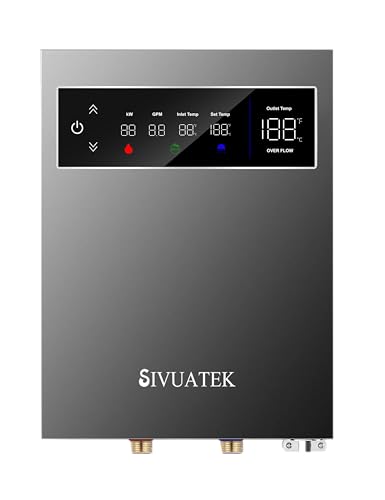
- BWP Score9.2
BWP Score is a ranking system developed by Bestwinterproducts.com. BWP score has no relationship or impact from any manufacturers or sales agent websites. Learn more
- BrandSIVUATEK

- BWP Score7.5
BWP Score is a ranking system developed by Bestwinterproducts.com. BWP score has no relationship or impact from any manufacturers or sales agent websites. Learn more
- Brandxwdzswgs

- BWP Score7.6
BWP Score is a ranking system developed by Bestwinterproducts.com. BWP score has no relationship or impact from any manufacturers or sales agent websites. Learn more
- BrandECOAPTUNIT
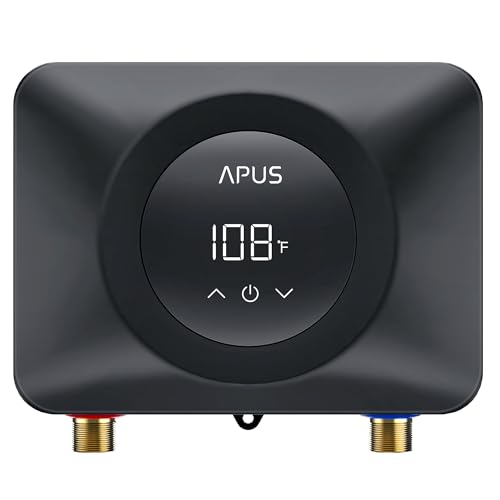
- BWP Score7.6
BWP Score is a ranking system developed by Bestwinterproducts.com. BWP score has no relationship or impact from any manufacturers or sales agent websites. Learn more
- BrandAPUS
Last update on 2026-10-28 / Affiliate links / Images, Product Titles, and Product Highlights from Amazon Product Advertising API
FAQs
Can a tankless water heater plug into a regular household wall outlet?
Most electric tankless water heaters cannot plug into a standard wall outlet because they draw far more power than a regular 15-amp household socket can safely handle. Electric models require dedicated heavy-duty wiring connected straight to safety switches in your breaker box. Only gas tankless heaters, which use electricity strictly to power internal digital controls and a small vent fan, can safely plug into a conventional 120-volt wall outlet.
What happens if a tankless water heater draws more amps than the breaker allows?
When a water heater pulls more amps than the safety switch is rated for, the circuit breaker heats up and trips to shut off power. This automatic shutoff prevents internal wires from overheating and melting inside your walls. If your unit draws too much power, it will shut off every time hot water runs for more than a few seconds, indicating an overloaded and unsafe circuit.
Do gas tankless water heaters still need electricity to run during a power outage?
Yes, standard gas tankless water heaters require electricity and will shut down during a power blackout. Even though gas burners provide the heat, the unit needs electric power to run the electronic ignition, safety valves, digital display, and exhaust fan. Because gas models draw under 5 amps, you can easily keep them running during an outage using a small portable generator or battery power station.


Top 12 best white electric fireplace 2026

Best Clear Ski Goggles Men 2026 For Sharp Vision On Slopes

Top Best Cordless Electric Snowblower 2026 - (Latest)

Best Warm Winter Scarves 2026 For Cozy Comfort

Best Green Ski Goggles 2026 For Clear Vision On Slopes

12 Best Corner Electric Fireplace 2026: My Ultimate Guide To Pick One

Best Battery Powered Snow Blower 2026 For Effortless Snow Clearing

Best Ski Goggles Under 30 Inches For Crisp Vision And Comfort





