
How to Choose the Right Type of Electric Heater for Your Room

Measure the room and check for drafts before browsing any heater. Starting here ensures you pick the right design for your space, choosing fast ceramic fans for personal desk warmth or silent oil radiators for steady overnight heat. Picking the wrong technology wastes electricity and still leaves you shivering.
Your decision also depends on how long the heat needs to run, how much fan noise you can tolerate, and your electrical setup. Drafty spaces lose floating hot air fast, so direct infrared heat that warms you like sunlight works best. Quiet bedrooms need sealed units with no buzzing parts, while uninsulated garages need a dedicated high-voltage outlet rather than a standard wall plug. Here is a clear breakdown of each type so you can pick the safest, most comfortable fit.
How the Four Main Electric Heater Types Deliver Warmth
Electric space heaters all convert household electricity into warmth, but they push that heat into your room in very different ways. Picking the wrong design can leave you shivering while waiting an hour for heat, enduring fan noise during sleep, or watching warmth escape through drafty windows. Knowing how each primary heating style works helps you match the technology to your daily routine.
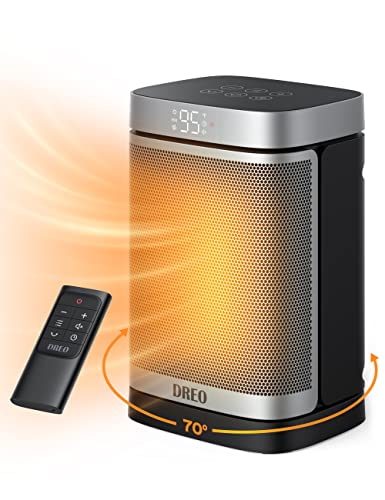
Ceramic fan heaters use a ceramic heating element that warms up in seconds, paired with a fan that pushes warm air across the room. Small ceramic stones conduct electrical current and regulate their temperature as they heat. The fan blows air across these hot plates, distributing warmth immediately after you switch it on. These heaters excel at quick personal spot heating, making them ideal for warming up a desk area or cold room quickly. Because the fan spins continuously, they produce a low white-noise hum.
Oil-filled radiators operate as a silent radiator heater that circulates steady, lasting warmth without a fan. Sealed metal fins contain a specialized heat-transfer fluid that never burns away or needs refilling. An electric element warms the fluid, which circulates through the fins and heats the surrounding air by natural convection. These units take fifteen to twenty minutes to reach full warmth, but they stay hot long after clicking off and operate in total silence.
Radiant and infrared heaters deliver gentle heat that warms people and furniture directly like sunlight. Instead of heating all the air in a room, infrared elements emit waves that travel silently until they strike your skin, clothes, or furniture. This makes radiant heat ideal for drafty areas where rising air leaks away quickly. If you need a heater for warming drafty spaces like an enclosed porch, radiant warmth keeps you comfortable despite cold drafts.
Heavy-duty utility heaters use heavy heating coils and high-velocity fans inside rugged steel housing. Many models require a dedicated 240-volt electrical circuit rather than a regular 120-volt wall outlet. They move large volumes of hot air to overcome deep cold in uninsulated spaces. For steady warmth for an uninsulated garage, workshop, or unfinished basement, these commercial-grade units deliver far more heat than standard portable heaters.
Matching the Right Heater Technology to Your Specific Room
Room size, ceiling height, and insulation determine which heater keeps you comfortable. A heater that warms an open family room might keep you awake if placed next to your bed. Matching heater technology to your specific space ensures steady warmth without wasting electricity.
For bedrooms and nurseries, silent operation and steady temperatures matter most. Light sleepers wake up whenever a loud blower fan kicks on and off. An oil-filled radiator is usually best for sleeping areas because it runs silently and provides gentle background warmth without sudden temperature swings. If you prefer a ceramic tower heater, pick one with a quiet low setting, an auto-off timer, and a display that dims so bright lights do not disrupt your rest.
Home offices and work corners need fast, targeted warmth. When starting work on a chilly morning, you want immediate warmth around your chair rather than heating the entire house. A compact ceramic fan heater placed near your feet creates quick comfort. Using a lower heat setting, such as 750W, keeps you warm while leaving enough circuit capacity for your computer, monitor, and printer without tripping breakers.
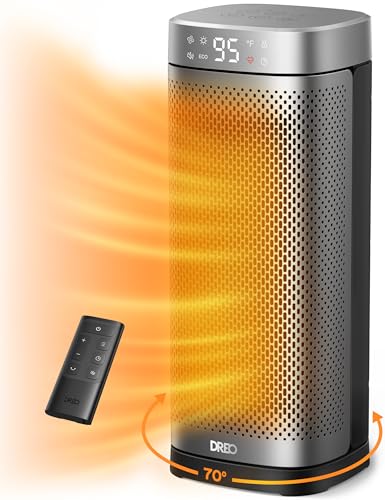
Living rooms and open floor plans have larger air volumes that swallow heat quickly. A small personal heater will only warm the space directly in front of it. In these broader areas, an oscillating ceramic tower heater works well because its sweeping motion distributes heated air across multiple seats. An oil-filled radiator placed in a central corner also works nicely to maintain steady ambient warmth throughout the afternoon.
Basements, garages, and workshops have cold concrete floors and uninsulated walls that steal heat rapidly. Standard portable 120-volt heaters run continuously in these spaces with little effect. High-output utility heaters, especially models mounted to ceiling beams on a 240-volt circuit, push heated air downward to the floor where you work, overcoming drafts effectively.
Bathrooms require strict safety precautions due to moisture. Standard portable floor heaters create severe shock hazards near tubs, sinks, or damp tiles. Never bring a standard space heater into a bathroom. Only use models rated for damp locations featuring an ALCI safety shutoff plug, which cuts electrical power instantly if moisture causes a fault.
Sizing Your Heat: Wattage Rules and Safe Wall Outlet Limits
Sizing an electric heater comes down to room dimensions, insulation quality, and electrical limits. An undersized unit runs constantly on high without reaching your desired temperature. Choosing a unit that draws more current than your circuit can handle results in tripped breakers and shutoffs.
The standard sizing rule for rooms with eight-foot ceilings is roughly 10 watts of heating power per square foot of floor space. Measure your room length and width in feet, multiply them to get square footage, and multiply by 10. A 10-foot by 15-foot bedroom is 150 square feet, requiring a 1,500-watt heater. A smaller 10-foot by 10-foot room needs about 1,000 watts.
If your room has high ceilings, drafty windows, or poor insulation, heat escapes rapidly. In those rooms, add 20 to 30 percent more wattage, or choose an infrared radiant heater aimed at your seating area. Radiant heat warms your body directly instead of trying to heat moving air.
Most portable electric heaters sold in the United States reach a maximum of 1,500 watts on high heat. On a standard 120-volt circuit, a 1,500-watt heater draws roughly 12.5 amps. Household bedroom circuits are typically protected by a 15-amp breaker. Because safety codes recommend limiting continuous electrical loads to 80 percent of a breaker's rating (12 amps), a 1,500-watt heater uses nearly all available capacity on that circuit.
Power cords and outlets require careful attention. Plugging a heater into an extension cord, power strip, or surge protector is a major fire hazard. These cords are rarely rated for continuous high-amperage heat, causing internal wires to overheat and melt. Always plug your heater directly into a solid wall outlet.
Before turning on your heater, review this basic safety checklist:
- Plug directly into the wall: Never use a power strip, extension cord, or multi-plug adapter.
- Check the circuit load: Ensure no other high-draw appliances share the same circuit breaker.
- Keep a 3-foot buffer: Leave at least 36 inches between the heater and bedding, drapes, furniture, or paper.
- Place on a flat, hard surface: Set the heater on bare floors or firm surfaces instead of thick rugs or tables.
- Check the wall outlet plate: If the wall plate feels hot after thirty minutes of use, unplug the heater and contact an electrician.
Key Features to Check Before Choosing Your Unit
Choosing the right heater means balancing how fast you need heat against room size and your daily routine. Matching heater technology to your habits keeps you warm while trimming central heating bills. Heating only your occupied room lets you set your main furnace thermostat lower.
If you need quick warmth while getting dressed or working at a desk, a compact ceramic fan heater is best. If you need quiet, steady heat through the night in a bedroom, an oil-filled radiator is ideal. For workshops and chilly basements, a heavy-duty steel fan heater provides the muscle needed to beat the cold.
Always confirm essential safety components before buying. Look for an automatic overheat sensor that shuts the unit off if air grilles become blocked. Ensure the heater has a tip-over safety switch that cuts power instantly if knocked over. Check the packaging or data label for a recognized certification mark, such as ETL-listed, UL-listed, or CSA.
Convenient controls make running your heater easier and cheaper. A digital temperature dial that clicks on and off to hold your set warmth prevents the heater from running continuously on high. Programmable timers turn the unit off after you fall asleep. If you plan to move the heater between rooms, look for a lightweight design, a sturdy handle, and a cool-touch exterior.
- BWP Score9.5
BWP Score is a ranking system developed by Bestwinterproducts.com. BWP score has no relationship or impact from any manufacturers or sales agent websites. Learn more
- BrandDREO

- BWP Score7.9
BWP Score is a ranking system developed by Bestwinterproducts.com. BWP score has no relationship or impact from any manufacturers or sales agent websites. Learn more
- BrandDREO

- BWP Score9.3
BWP Score is a ranking system developed by Bestwinterproducts.com. BWP score has no relationship or impact from any manufacturers or sales agent websites. Learn more
- BrandDREO
- BWP Score7.4
BWP Score is a ranking system developed by Bestwinterproducts.com. BWP score has no relationship or impact from any manufacturers or sales agent websites. Learn more
- BrandDREO

- BWP Score8.2
BWP Score is a ranking system developed by Bestwinterproducts.com. BWP score has no relationship or impact from any manufacturers or sales agent websites. Learn more
- BrandDREO
- BWP Score7.1
BWP Score is a ranking system developed by Bestwinterproducts.com. BWP score has no relationship or impact from any manufacturers or sales agent websites. Learn more
- BrandDREO

- BWP Score7.5
BWP Score is a ranking system developed by Bestwinterproducts.com. BWP score has no relationship or impact from any manufacturers or sales agent websites. Learn more
- BrandCOMFORT ZONE
Last update on 2026-11-02 / Affiliate links / Images, Product Titles, and Product Highlights from Amazon Product Advertising API
FAQs
Which electric heater type is cheapest to run?
All electric space heaters convert nearly 100 percent of their electricity into heat, meaning a 1,500-watt ceramic fan heater costs the same per hour to run as a 1,500-watt oil radiator on high power. Operating costs depend on how that heat is managed. Models with precise digital thermostats and lower wattage settings run cheaper because they shut off once your target warmth is reached instead of drawing full power continuously.
Can you safely leave an electric space heater on overnight while sleeping?
Modern heaters with certified overheat sensors and tip-over safety switches can run safely overnight, but proper placement is essential. Oil-filled radiators are the best choice for bedrooms because they operate silently without glowing elements. Always place the heater at least three feet away from bedding, drapes, and rugs, and make sure the power cord sits freely across the floor.
Why does my heater make the lights flicker or trip the household breaker?
A 1,500-watt heater draws about 12.5 amps, which consumes almost the entire capacity of a standard 15-amp household circuit. When another light or appliance turns on using that same circuit, the combined electrical load trips the breaker to prevent wiring from overheating. To fix this, plug the heater into an outlet on a different circuit or run it on a lower heat setting like 750 watts.
.jpg)

Top 12 best white electric fireplace 2026

Best Clear Ski Goggles Men 2026 For Sharp Vision On Slopes

Top Best Cordless Electric Snowblower 2026 - (Latest)

Best Warm Winter Scarves 2026 For Cozy Comfort

Best Green Ski Goggles 2026 For Clear Vision On Slopes

12 Best Corner Electric Fireplace 2026: My Ultimate Guide To Pick One

Best Battery Powered Snow Blower 2026 For Effortless Snow Clearing

Best Ski Goggles Under 30 Inches For Crisp Vision And Comfort





