
How to Reset a Water Heater Pressure Relief Valve

Lift the safety lever to flush grit. Raising that small metal handle on your tank lets water wash away loose debris that keeps the seal cracked open. Flushing out trapped mineral grit and letting the lever snap shut usually stops the drain pipe from dripping and steadies pressure at your sink faucet.
A quick reset does not solve every drip, though. The right fix depends on whether water leaks all day or only while the tank heats up, how high the heat dial is set, and whether your home plumbing traps swelling hot water. A valve that weeps only during a heating cycle usually points to pressure buildup inside the pipes, while spitting steam warns that the water is dangerously hot. Here is how to check each issue step by step so your hot water runs safely again.
Tank Pressure Rises When Trapped Water Gets Too Hot
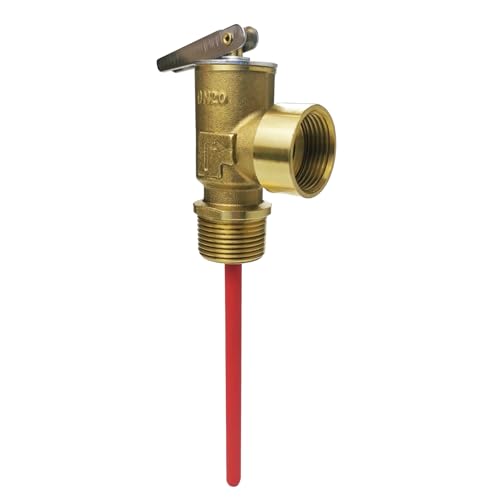
The brass valve on your water heater acts as an emergency escape path. It sits near the top or upper side of the tank, fitted with a small metal lever and a pipe pointing down toward the floor. This fitting is a temperature and pressure relief valve. Its primary job is to keep your water heater from turning into an unsafe pressure vessel if the heating elements or burner run out of control.
When cold water fills your tank and heats up, the water molecules expand and take up more physical space. This natural swelling is called thermal expansion, which is simply water swelling in volume as it gets hot. In older municipal setups, that swelling water could push backward out of the house into the main street line. That open arrangement kept the overall water pressure inside the home steady during heating cycles.
Most modern homes operate on a closed system, which is plumbing with a one-way check valve that traps water inside the house. Municipal backflow devices, pressure-reducing valves, and check meters stop water from flowing backward into the street. Because liquid water cannot compress, that expanding volume stays locked inside your pipes. As the heater runs, internal pressure climbs throughout the whole house.
If tank pressure climbs too high, the safety valve lifts open to discharge water through the overflow pipe. At the same time, this trapped force builds up directly behind your closed hot water faucets. When you open a faucet, that stored pressure releases all at once. The sudden rush slams against the sink aerator, spits forcefully, and rattles supply pipes inside your walls.
Flush Mineral Grit to Reseat the Brass Valve Lever
A wet discharge pipe does not automatically prove your safety valve is broken. Water heaters gather sand, rust flakes, and hard mineral scale at the bottom of the tank over time. When the safety valve lifts to relieve normal pressure swings, escaping water can carry tiny mineral specks into the valve mechanism. If a single grain of calcium scale settles on the inner rubber washer, the valve cannot close tightly.
Water will continue to trickle down the drain pipe even after the tank cools down. You can often cure this leak through reseating, which means letting the valve snap shut cleanly. A clean snap knocks trapped mineral grit off the seal so the spring pulls the washer flush against the brass seat. Taking a few minutes to clear this grit can save you the cost of replacing an otherwise functional valve.
Follow these safe steps to clear the valve seat:
- Place a metal bucket directly beneath the open bottom of the discharge pipe.
- Put on thick leather work gloves, safety glasses, and long sleeves to protect your skin from hot water spray.
- Stand slightly to the side of the discharge tube rather than directly in front of the opening.
- Lift the small metal trip lever gently until you hear water rush loudly into the drainage pipe.
- Hold the lever up for two to three seconds to let a fast blast of hot water sweep the seal clean.
- Release the trip lever suddenly so the internal spring snaps the valve shut on its own.
Never ease the lever back down slowly with your fingers. The spring needs that abrupt, snapping force to smash through mineral deposits and form a watertight seal. Wipe the bottom opening of the drainage pipe with a clean rag. Check the pipe after ten minutes to see if any moisture reappears. If the pipe continues to weep, operate the lever two more times to dislodge remaining debris.
Lower Tank Heat to Stop Thermal Expansion Drips
If clearing the seat does not stop the dripping, the issue often comes down to high operating heat. Water heaters set too high produce extreme thermal expansion that forces the safety valve to vent repeatedly. Check the temperature dial on the front of your gas control valve or behind the access panels of your electric unit. Setting the thermostat no higher than 120 degrees Fahrenheit provides plenty of hot water while preventing severe pressure surges.
On electric water heaters, shut off the dedicated breaker at your electrical panel before inspecting the controls. Unscrew the upper and lower metal covers on the side of the tank, fold back the insulation, and inspect both dials. If either thermostat is set past 125 degrees, adjust the pointer down to 120 degrees. High temperature settings waste energy, accelerate mineral buildup, and increase the risk of accidental scalding at your sink.
Another common reason for continuous weeping is the lack of a thermal expansion tank. When a closed plumbing system traps swelling water, that excess pressure has nowhere to go. An expansion tank is a small steel container mounted on the cold water pipe above the water heater. It contains a flexible rubber bladder charged with air that compresses as water expands, absorbing the surge like a shock absorber.
You can confirm your home water pressure by screwing an inexpensive pressure gauge onto a laundry sink faucet or outside hose bib. Turn the faucet handle fully open with all other household taps turned off. Normal household pressure should measure between 40 and 60 pounds per square inch. If the needle climbs above 80 pounds per square inch, your main pressure regulator needs attention or your system needs an expansion tank. In smaller floor plans, plumbing lines react to heat changes quickly, similar to how installing the best heater for mobile home requires accounting for tight spaces and steady air delivery.
Bleed Trapped Air and Steam to Stop Faucet Spitting
A hot water faucet that coughs, spits violently, or shoots out vapor points to gas trapped inside the plumbing lines. That gas can be ordinary trapped air or superheated steam pockets. Knowing which one is coming out of your faucet is essential for safety. Ordinary air makes a brief sputtering sound, while steam poses an immediate burn danger that requires rapid action.
If your faucet shoots out cloudy steam, hisses like a teakettle, or violently shakes the sink counter, the water heater is overheating dangerously. This condition happens when a thermostat fails in the closed position, keeping the heating elements or burner firing nonstop. The water inside the tank turns to boiling steam, forcing the relief valve open and pushing steam pockets into the hot water supply lines. If you observe steam, do not touch the pipes or approach the water heater.
Turn off the power at the main electrical breaker or turn the gas control knob to the off position immediately. Step back and give the entire system at least an hour to cool down before touching anything. Call a qualified technician to evaluate the runaway heating elements and replace damaged controls. Running an overheating tank risks severe burns and permanent structural damage to your household plumbing.
If the faucet merely spits air without steam, you can clear the lines yourself in a few minutes. Air bubbles typically enter lines during city water main maintenance or after home plumbing repairs. Start at the fixture located farthest from the water heater, such as an upstairs bathroom or a laundry tub. Turn the hot water faucet on halfway and let it run until the spitting stops and water flows smoothly. Repeat this at each faucet, working backward toward the water heater. Similar trapped air problems can occur in compact recreational vehicles, where water systems like those in the best heater for van life need full bleeding after seasonal storage.
Replace Stuck or Corroded Valves Before Plumbing Lines Crack
Safety relief valves do not last indefinitely. Over years of steady service, aggressive minerals and high heat degrade the internal spring, corrode the brass casing, and harden the rubber seal. You should replace the valve immediately if lifting the trip lever produces no water flow at all. A valve that cannot lift is frozen solid with mineral scale, meaning your water heater has zero protection against sudden pressure buildup.
A frozen safety valve leaves the entire system vulnerable to cracked supply lines, leaking fittings, or tank failure. You must also replace the valve if it leaks a steady stream of water despite multiple flushes, even when the water heater is cold and household pressure is normal. In that situation, the rubber washer has worn away or the internal spring has lost its tension.
Never install a threaded plug, cap, or shutoff valve on the discharge pipe to stop an active drip. Capping the line prevents the valve from releasing excess pressure. That trapped pressure will seek the weakest point in your plumbing, which could cause a burst pipe inside your walls or rupture the water heater tank itself. The discharge pipe must always remain completely open and unobstructed.
Replacing the valve requires turning off the cold water shutoff valve above the heater and disconnecting electrical power or shutting off the gas supply. Attach a garden hose to the bottom tank drain and drain out a few gallons so the water level sits below the valve opening. Unscrew the discharge pipe, then use an adjustable pipe wrench to unthread the old valve from the tank. Apply fresh thread seal tape to the new valve, screw it firmly into the tank port, and reinstall the downward discharge tube.
Choose a Certified Replacement Valve Matching Your Tank Size
Selecting the correct replacement safety valve ensures your water heater operates safely and stops unexpected faucet surges. When looking for a replacement part, verify the connection size on your water heater. Most residential water tanks use standard threaded ports, but the outer diameter of the pipe threads is wider than the nominal size label indicates. Make sure the new fitting matches your tank port opening so it screws in securely without leaking.
Check the metal identification tag on your current valve before purchasing a new one. The replacement must match the pressure relief limits and temperature ratings specified by your water heater manufacturer. A protective coating on the internal sensor probe also helps prevent mineral scale from crusting over the metal during years of contact with hot water.
Look for a replacement valve made from solid brass to withstand constant water contact and resist corrosion. Ensure the valve carries recognized plumbing safety marks certifying it for residential water heaters and pressure vessels. Installing a properly matched safety valve restores normal balance to your plumbing, stops annoying drips, and keeps your hot water faucets flowing quietly.
- BWP Score7.8
BWP Score is a ranking system developed by Bestwinterproducts.com. BWP score has no relationship or impact from any manufacturers or sales agent websites. Learn more
- BrandLECLOC
Last update on 2026-10-31 / Affiliate links / Images, Product Titles, and Product Highlights from Amazon Product Advertising API
Related guides: best camper hot water heater pressure relief valve.


Top 12 best white electric fireplace 2026

Best Clear Ski Goggles Men 2026 For Sharp Vision On Slopes

Top Best Cordless Electric Snowblower 2026 - (Latest)

Best Warm Winter Scarves 2026 For Cozy Comfort

Best Green Ski Goggles 2026 For Clear Vision On Slopes

12 Best Corner Electric Fireplace 2026: My Ultimate Guide To Pick One

Best Battery Powered Snow Blower 2026 For Effortless Snow Clearing

Best Ski Goggles Under 30 Inches For Crisp Vision And Comfort





