
Is It Cheaper to Run Space Heaters or Central Heat?

A chilly breeze slips past the window frame, prompting someone sitting at a desk to pull on a thick sweater while the furnace hums to heat empty rooms down the hall. A portable space heater is cheaper only when warming one closed room while dialing down the main thermostat for the rest of the home. Running multiple plug-in units or trying to heat an entire house with them almost always costs far more than central heat.
The math depends mostly on your central fuel and how many rooms you need warm. Natural gas usually costs much less per unit of heat than plug-in electricity, giving whole-house furnaces a big edge. Real savings also require keeping the occupied room door shut and lowering the main thermostat several degrees. Here is how to tell which choice will protect your wallet tonight without leaving you freezing.
The Single-Room Rule: When Portable Heat Actually Saves Money
A portable heater saves you money under one specific condition. You must spend your time in a single room with the door shut while dialing down your central thermostat for the rest of the house. This practice is called zone heating, which simply means heating only the room you are using while letting unoccupied areas stay cool.
Central heat warms your entire home at once. Your main whole-house furnace or heat pump pushes air through long ductwork to supply heat to empty guest bedrooms, hallways, laundry rooms, and closets. If you live in a house with several rooms but spend six hours sitting at a desk or watching television in one spot, your furnace burns fuel to keep empty floor space warm. That setup works like turning on every single light fixture across your house just to read a book in a corner armchair.
Turning on a space heater without touching your main thermostat will always make your winter bills higher. You are simply adding the electricity cost of a portable heater onto your existing heating bill. The financial benefit only happens when your central heating system runs less often. The money you save by letting the rest of the house drop several degrees must exceed the money you spend to run the plug-in heater.
The layout of your home also controls your success. A closed room traps warm air and lets a small heater cycle on and off gently. An open-concept living area with vaulted ceilings or open stairwells swallows the heat, forcing a small plug-in unit to run continuously at full draw. If you cannot isolate the space where you sit, a portable unit will struggle to keep you comfortable, and your utility savings will disappear.
Fuel Matters: Natural Gas Heat Versus Plug-In Electricity
The type of fuel your main heating system uses plays a massive role in whether a space heater makes financial sense. In most regions of the United States, natural gas delivers heat at a significantly lower cost per unit than standard household electricity. Heat output is measured in BTU, which stands for British Thermal Unit. When you buy natural gas from your utility provider, you generally pay far less for each thousand BTU of heat than you pay for that same warmth generated by electric resistance coils.
A standard portable electric space heater pulls a large amount of power. Most household units operate at a high setting of 1,500 watts, which is the electrical power a heater uses. In electrical terms, 1,500 watts draws around 12.5 amps on a standard 120-volt household circuit, leaving very little spare capacity on a 15-amp breaker. Running a 1,500-watt appliance for hours every evening draws a noticeable amount of power from your electric meter. If you have an efficient natural gas furnace, burning expensive electricity to warm a single room only pays off if the furnace rests for long stretches.
The calculation shifts in your favor if your central heat is entirely electric. Houses that rely on an electric furnace or older electric baseboard heaters already pay high electric rates for whole-house heat. In that situation, zone heating with a single portable heater avoids the high cost of powering heavy baseboards in four or five empty rooms. By concentrating that electric power in one closed bedroom or home office, you reduce your total kilowatt-hour usage.
Heat pumps fall somewhere in the middle. Modern heat pumps move heat rather than creating it from scratch, making them far more efficient than portable electric space heaters during mild winter temperatures. When outdoor temperatures drop near freezing, some heat pumps rely on electric resistance heat strips that draw substantial power. If your home has hard-to-heat spaces that stay cold despite your central system, using a dedicated heater for an enclosed porch or sunroom can provide targeted comfort without forcing your main system to struggle.
The Zone Heating Method: Steps to Cut Costs Without Freezing
You can lower your overall winter utility bill by pairing a portable heater with your central system. Success requires a deliberate routine so you stay comfortable while keeping energy use under control. Follow these ordered steps to set up an effective zone heating routine in your home.
- Lower your central thermostat before turning on your space heater. Walk to your main thermostat and turn it down 7 to 10 degrees Fahrenheit below your standard comfort setting. For example, if you normally keep the house at 70°F, set it down to 62°F. This step creates the fuel savings that will pay for the electricity your portable heater uses.
- Close the door to your occupied room. Walk into the room where you plan to spend your time, whether that is a home office, den, or bedroom, and shut the door completely. Blocking off the hallway stops warm air from wandering into empty spaces and prevents chilly drafts from creeping in under the door frame.
- Plug your heater directly into a wall outlet. Always plug your heater straight into a dedicated wall receptacle. Never use an extension cord, power strip, or surge protector. Drawing up to 1,500 watts through an extension cord can cause the plastic housing or internal wiring to overheat, creating a serious fire hazard.
- Establish a 3-foot safety perimeter around the unit. Place the heater on a flat, level surface away from foot traffic. Keep all blankets, drapes, papers, upholstered chairs, and pet beds at least 3 feet away from every side of the heater to prevent surface materials from scorching or catching fire.
- Warm the room on high, then drop to a lower power level. Turn the heater on its high setting to bring the room up to temperature quickly. Once the room feels comfortable, switch the power level down to a low or medium setting, or set the temperature dial so the unit clicks off automatically once the air reaches your target comfort level.
- Turn the heater off when you leave the room. When your workday ends or you head into the kitchen to prepare dinner, turn the portable heater off and unplug it. Heating an empty room with a portable unit completely defeats the purpose of zone heating.
Cost Traps That Turn Space Heaters into Budget Disasters
Many homeowners switch on a space heater expecting an immediate drop in their monthly expenses, only to open a shocking utility bill the following month. These bill spikes happen because portable heaters are easy to misuse. Avoiding a few common mistakes will keep your winter heating budget predictable and safe.
The most common mistake is running multiple space heaters at the same time. If one person runs a heater in the home office, another runs one in the basement, and a third runs one in an upstairs bedroom, you are pulling thousands of watts of electric resistance heat across your home. At that point, running your central furnace is almost always cheaper, even if the furnace burns expensive fuel.
Another frequent trap involves heating rooms that leak air like a sieve. If you set up a space heater in a room with single-pane windows, poor insulation, or open archways, the heat escapes as fast as the element produces it. Homes with unique airflow setups require careful equipment matching, just as finding the right heater for a mobile home requires accounting for specialized duct and wall designs. If your target room is an uninsulated workshop or garage, an electric heater for a garage with a thermostat offers the build quality and control needed to keep spaces warm without running endlessly.
Review this quick checklist before you start relying on portable heat this winter:
- Do not run more than one space heater in your house at the same time.
- Do not leave your central thermostat at its normal temperature while running a portable unit.
- Do not try to heat open hallways, high-ceiling foyers, or rooms with wide, open archways.
- Do not plug your heater into an outlet that shares a circuit with another high-draw appliance like a microwave, hair dryer, or computer setup.
- Do not leave a space heater running unattended in an empty room or while everyone is out of the house.
What to Look For in a Supplemental Space Heater
Choosing the right style of heater makes a noticeable difference in your day-to-day comfort and your electric meter. Space heaters rely on different internal elements to generate warmth, and matching the heater mechanism to your daily routine ensures you do not waste electricity warming air you never feel.
If you spend your time working at a desk or sitting in a favorite reading chair, a personal heater that warms you directly is often the most economical choice. Ceramic heating elements that warm up in seconds provide swift, direct comfort to your immediate seating area. Units featuring gentle heat that warms people and furniture directly like sunlight let you feel warm right away without waiting for every cubic foot of air in the room to heat up. For broader room comfort, a heater equipped with a quiet fan that pushes warm air across the room will distribute the heat evenly from wall to wall.
Look closely at the built-in control features before bringing a heater home. Models that offer multiple heat settings allow you to switch from a high 1,500-watt setting down to a lower power level once the space reaches your comfort zone. A built-in temperature dial that clicks on and off automatically maintains your desired room warmth without running the heating element continuously. For overnight use in a bedroom, units equipped with an automatic shut-off timer help ensure the device does not run longer than necessary.
Safety features should always come first when selecting any portable electric device. Confirm that the heater includes a tip-over safety switch that cuts power instantly if the unit is knocked over or tilted by a pet or passing foot. You should also verify that the housing contains an automatic overheat sensor that shuts the unit off if internal parts get dangerously hot. Finally, check the product label or packaging to make sure the heater carries a recognized safety certification mark, which confirms the design meets rigorous electrical construction standards.

- BWP Score9.6
BWP Score is a ranking system developed by Bestwinterproducts.com. BWP score has no relationship or impact from any manufacturers or sales agent websites. Learn more
- BrandAmazon Basics

- BWP Score9.4
BWP Score is a ranking system developed by Bestwinterproducts.com. BWP score has no relationship or impact from any manufacturers or sales agent websites. Learn more
- BrandDuraflame
- BWP Score9.1
BWP Score is a ranking system developed by Bestwinterproducts.com. BWP score has no relationship or impact from any manufacturers or sales agent websites. Learn more
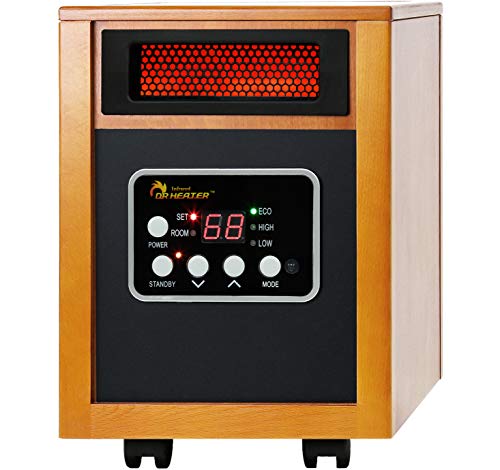
- BrandDR. INFRARED HEATER

- BWP Score9.1
BWP Score is a ranking system developed by Bestwinterproducts.com. BWP score has no relationship or impact from any manufacturers or sales agent websites. Learn more
- BrandAmazon Basics

- BWP Score8.9
BWP Score is a ranking system developed by Bestwinterproducts.com. BWP score has no relationship or impact from any manufacturers or sales agent websites. Learn more
- BrandAmazon Basics

- BWP Score7.4
BWP Score is a ranking system developed by Bestwinterproducts.com. BWP score has no relationship or impact from any manufacturers or sales agent websites. Learn more
- BrandAmazon Basics

- BWP Score7.2
BWP Score is a ranking system developed by Bestwinterproducts.com. BWP score has no relationship or impact from any manufacturers or sales agent websites. Learn more
- BrandAmazon Basics

- BWP Score7.2
BWP Score is a ranking system developed by Bestwinterproducts.com. BWP score has no relationship or impact from any manufacturers or sales agent websites. Learn more
- BrandAmazon Basics
Last update on 2026-10-31 / Affiliate links / Images, Product Titles, and Product Highlights from Amazon Product Advertising API
FAQs
How many space heaters can I run before central heat is cheaper?
Running more than one standard 1,500-watt space heater at the same time usually costs more than running your central heating system. Two portable heaters running on high draw 3,000 watts of electricity, which quickly overtakes the operating cost of a central gas furnace or heat pump. If your household needs warmth in several rooms at once, setting your central thermostat to a comfortable level is more economical.
Will running a space heater all night raise my electric bill significantly?
Running a 1,500-watt space heater on high for eight hours every night adds substantial kilowatt-hours to your monthly electric bill. To keep overnight costs low, use heavy blankets to stay warm and set your main thermostat down into the low sixties. If you must use a portable unit in your bedroom, choose a model with an adjustable thermostat so it cycles off once the room is warm, rather than drawing power continuously while you sleep.
How low should I set my central thermostat to actually save money?
You should lower your central thermostat by 7 to 10 degrees below your normal comfort setting to achieve genuine utility savings. Dropping the central system from 70°F down to roughly 62°F allows your main furnace or heat pump to rest for long periods during cold days. The fuel saved across the entire house during those resting periods offsets the electric power drawn by your single portable heater.


Top 12 best white electric fireplace 2026

Best Clear Ski Goggles Men 2026 For Sharp Vision On Slopes

Top Best Cordless Electric Snowblower 2026 - (Latest)

Best Warm Winter Scarves 2026 For Cozy Comfort

Best Green Ski Goggles 2026 For Clear Vision On Slopes

12 Best Corner Electric Fireplace 2026: My Ultimate Guide To Pick One

Best Battery Powered Snow Blower 2026 For Effortless Snow Clearing

Best Ski Goggles Under 30 Inches For Crisp Vision And Comfort





