
3 Space Heater Extension Cord Safety of 2026 To Prevent Overheating

Can a space heater ever run safely on an extension cord? The short answer is yes, but only if the cord can shoulder the immense electrical load. Most standard household cords tucked away in utility drawers use thin wiring that chokes under a continuous 1,500-watt draw. Plugging a high-wattage heater into one of those lightweight cords traps fierce heat inside the copper within minutes. That hidden resistance causes melting plastic, scorched baseboards, and dangerous overheating risks, leaving you shivering across the room rather than risking a fire.
Heating a drafty bedroom or chilly workspace should bring comfort without nagging fear over what is happening behind the furniture. Real peace of mind comes from matching the wire to the machine: verify a heavy-duty 14-gauge cord rated for 15 amps, insist on a grounded three-prong plug with a certified UL or ETL mark, and pick the shortest run that reaches your outlet so coiled slack never traps heat. Here is how to keep the connection cool, safe, and fully powered throughout the coldest months of 2026.
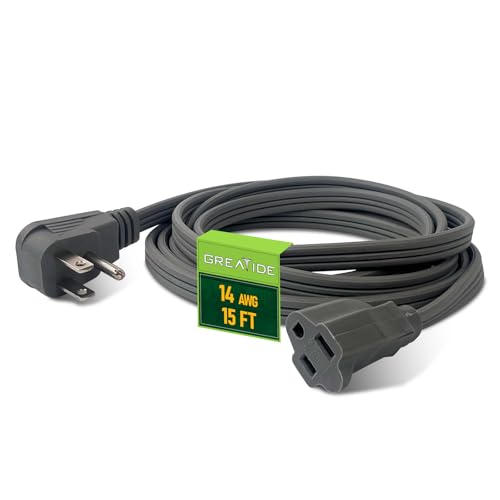
- BWP Score8.6
BWP Score is a ranking system developed by Bestwinterproducts.com. BWP score has no relationship or impact from any manufacturers or sales agent websites. Learn more
- BrandGREATIDE

- BWP Score8.4
BWP Score is a ranking system developed by Bestwinterproducts.com. BWP score has no relationship or impact from any manufacturers or sales agent websites. Learn more
- BrandZorky

- BWP Score8.3
BWP Score is a ranking system developed by Bestwinterproducts.com. BWP score has no relationship or impact from any manufacturers or sales agent websites. Learn more
- BrandGREATIDE
Last update on 2026-11-02 / Affiliate links / Images, Product Titles, and Product Highlights from Amazon Product Advertising API
Can you safely plug a space heater into an extension cord?
Yes, but only if you use a heavy-duty cord specifically rated for high-draw appliances rather than a standard light-duty wire. A safe cord must feature 14-gauge wire rated for 15 amps, 125 volts, and up to 1875 watts. Look for recognized safety marks such as UL listed or ETL listed to confirm the cable can manage continuous electrical demand. Make sure your unit, like a personal space heater with timer, connects directly into a 3-prong grounded plug without sharing the line with other electronics.
What wire gauge is required for a space heater extension cord?
You need a cord built with 14 gauge (14 AWG) pure copper wire. In electrical wiring, smaller numbers indicate thicker conductors capable of transmitting higher electrical loads without excessive resistance. A 14-gauge wire provides the continuous 15-amp and 1875-watt handling required for heavy household heating appliances. Always check the lettering stamped along the cable jacket to verify the gauge before plugging in your heater.
Why does a space heater extension cord get warm or hot?
A cord heats up when the electrical current flowing through it meets resistance inside undersized or compromised conductors. Thin household cords cannot accommodate high continuous wattage, leading to thermal buildup that can melt outer casing layers. Running cords under rugs or leaving extra length tightly coiled also traps heat. Heavy SPT-3 appliance insulation with a rated temperature range up to +140°F helps resist thermal degradation, but you must still keep the line laid flat and fully exposed to ambient air.
What extension cord length is best to prevent overheating?
The shortest practical run, such as 6 ft or 15 ft, is the safest choice for high-draw appliances. Excessively long cords increase electrical resistance and leave coils of slack that trap heat along your floorboards. Choosing a measured 6 ft or 15 ft line allows you to reach a wall outlet safely, pairing smoothly with a quiet ceramic space heater without clustering excess wire behind furniture.
How does a flat plug design improve space heater safety?
A low-profile flat plug fits flush against the wall outlet, allowing furniture to sit naturally without pressing into the connection. Standard bulky plugs stick out into walkways and living areas, where a pushed couch or nightstand can bend the prongs or loosen contact with the receptacle. A flat plug paired with a flexible SPT-3 flat cable keeps the 3-prong grounded connection secure in narrow spaces while reducing strain on the wall plate.
What safety marks should you verify before running a heater on an extension cord?
Verify that the extension cord is explicitly UL listed or ETL listed on the packaging and molded into the plug housing. These independent certifications confirm that the 14-gauge copper conductors, SPT-3 jacket, and 15A, 125V, 1875W electrical ratings satisfy rigorous safety benchmarks. Never rely on unbranded cords that omit third-party listing marks, because unverified wires may overheat under sustained appliance use.


Top 12 best white electric fireplace 2026

Best Clear Ski Goggles Men 2026 For Sharp Vision On Slopes

Top Best Cordless Electric Snowblower 2026 - (Latest)

Best Warm Winter Scarves 2026 For Cozy Comfort

Best Green Ski Goggles 2026 For Clear Vision On Slopes

12 Best Corner Electric Fireplace 2026: My Ultimate Guide To Pick One

Best Battery Powered Snow Blower 2026 For Effortless Snow Clearing

Best Ski Goggles Under 30 Inches For Crisp Vision And Comfort





