
Are Ceramic Heaters Safe to Use Indoors?

Check the base of the unit for a small tip-over switch before plugging it in. That simple safety peg cuts power immediately if bumped, making ceramic models among the safest space heaters you can run indoors. Instead of glowing red wire coils that easily ignite dust or fabric, internal ceramic stones naturally limit their own temperature to stop extreme heat buildup.
Staying safe still depends on how the heater is set up. Always plug the cord directly into a dedicated wall outlet instead of an extension cord, which can overheat under a heavy electrical draw. Keep at least three feet of open space between the unit and any blankets or curtains, and shut the power off before going to sleep. Here is what makes ceramic heating elements safer and how to run one without worry.
Why Ceramic Heating Elements Run Cooler and Safer Than Wire Coils
Traditional space heaters warm a room by running high electrical current through thin, exposed metal wire coils. Those bare metal ribbons glow cherry red and can exceed 1,000 degrees Fahrenheit. If a stray piece of clothing, blanket, or curtain brushes against those glowing wires, the fabric can ignite almost instantaneously. That open coil design leaves very little margin for error inside a busy household.
Ceramic heaters operate on a much safer principle. Instead of fragile, red-hot wire filaments, these units use a ceramic heating element that warms up in seconds. Small ceramic stones are bonded to aluminum heat-sink fins inside the chassis. When you switch the unit on, electricity warms the ceramic, and a quiet internal fan pushes warm air across the room to circulate that heat into your living area.
The primary safety advantage comes from the ceramic material itself. In technical terms, it has a positive temperature coefficient, which simply means it naturally self-regulates its temperature. As the ceramic gets hotter, its resistance to electric current automatically rises. Once it reaches its design limit, it restricts the current automatically, preventing the element from overheating on its own.
Because of this built-in physical boundary, ceramic elements do not reach the dangerous combustion temperatures of older coil heaters. Even if the internal fan slows down, the ceramic stone prevents uncontrollable heat spikes. The outer plastic and metal grilles stay cooler, lowering the risk of contact burns if a curious pet or child brushes against the housing.
Before turning any heater on, check for these essential safety features:
- A tip-over safety switch: A safety peg on the base that cuts power instantly if the unit is knocked over or tilted.
- An automatic overheat sensor: An internal sensor that shuts the unit off if internal parts get dangerously hot from blocked airflow.
- A recognized safety certification label: Marks like UL or ETL stamped on the rating label, confirming compliance with national electrical safety standards.
- Cool-touch housing: Flame-retardant plastic casings that prevent surface burns during normal operation.
Safe Room Placement, Clearances, and Overnight Heating
While ceramic heating elements self-regulate, the air blowing from the front grille is hot enough to dry out and eventually scorch fabrics over time. Safe operation depends on proper placement before you ever press the power button.
Always maintain the universal three-foot safety buffer. Keep at least 3 feet (36 inches) of open space around all sides of your ceramic heater. Measure this clearance from curtains, bed skirts, throw blankets, couches, paper, and laundry baskets. Never drape clothing or damp towels over the heater to dry, as blocking the discharge grille traps intense heat inside the chassis and trips the safety cutoff.
Where you set the unit on the floor is just as critical as what surrounds it. Always place your ceramic heater on a hard, flat, level surface like hardwood, vinyl plank, or tile. Never set a portable heater on a thick shag rug or plush carpet. Soft fibers can sink under the heater and choke the intake vents underneath, restricting airflow. Deep carpet can also prevent the spring-loaded tip-over switch from resting flat, allowing an unstable heater to keep running when it tilts.
Keep your heater out of high-traffic zones, away from doorways, and clear of walking paths where someone could trip over the cord. If you are heating an uninsulated sunroom or patio, a specialized heater for an enclosed porch handles heavy drafts and larger temperature drops more reliably than a compact indoor unit. Similarly, in compact living situations with tighter wall clearances, choosing an appropriately vented heater for a mobile home ensures you do not crowd confined spaces or exceed structural electrical allowances.
Homeowners often wonder whether it is safe to leave a ceramic space heater running overnight in a bedroom or unattended while running errands. Fire safety organizations consistently advise that portable space heaters should not be left running unattended or while occupants sleep. When you are asleep, your reaction time drops to zero. If a pet pulls a blanket off the bed onto the heater, or if an aging outlet smolders behind a nightstand, you will not notice the danger until smoke alarms sound.
If your bedroom is cold, the safest routine is pre-warming the space before bedtime. Turn the heater on about 45 minutes before sleep and close the bedroom door to trap the warmth. When you get into bed, turn the heater off and unplug it from the wall. Your blankets will hold the warmth through the night without any fire risk.
If you must run a heater overnight during freezing weather, take precautions to minimize risk. Switch the unit from the 1500W High setting down to a Low heat setting (often 750W or 900W). A lower wattage cuts electrical draw down to about 6 to 7.5 amps, significantly reducing stress on your wall outlet and wiring. Also, use a digital temperature dial that clicks on and off to maintain a moderate warmth rather than running non-stop. Finally, confirm you have an active, working smoke alarm in the bedroom, and never leave a portable heater running in an unattended child's room or nursery.
Electrical Demands: Outlets, Power Strips, and Breaker Limits
Most space heater fires do not start inside the heater itself. They happen because the home's wall outlet, electrical wiring, or cord gets overloaded and overheats. Understanding the electrical demands of a ceramic heater is the most important step in keeping your household safe.
In U.S. homes, standard portable electric heaters draw up to 1,500 watts on their highest heat setting. On a standard 120-volt household circuit, a 1500-watt load pulls roughly 12.5 amps of electricity. Most residential bedroom and living room circuits are protected by a 15-amp circuit breaker. That means a single space heater on high consumes more than 80 percent of the circuit's safe capacity by itself.
Because of this heavy power draw, you must always plug your ceramic heater directly into a dedicated wall outlet. Never plug a space heater into an extension cord, power strip, multi-outlet tap, or surge protector. Most household extension cords and cheap power strips use light-duty wiring designed for lamps or televisions. Running 12.5 amps continuously through a light-duty power strip causes the wires and plastic casing to overheat, melt, and spark a fire.
Even when plugged directly into the wall, monitor what else runs on that circuit. If your ceramic heater is running on high and someone turns on a hair dryer or gaming computer on the same circuit, the breaker will trip.
Follow these steps to check for electrical trouble during daily use:
- Let the heater run on its normal setting for roughly 20 minutes.
- Touch the plastic plug and the wall faceplate carefully. A slight warmth is normal under heavy current, but it should never feel hot to the touch or painful to hold.
- Look at the plug prongs when unplugging the unit. If you see scorching, black soot, or melted plastic around the outlet slots, stop using that outlet immediately.
- If the circuit breaker trips repeatedly, turn the heater off, leave it unplugged, and consult a licensed electrician to inspect your wiring.
What to Look for in a Safe Ceramic Space Heater
When selecting an indoor ceramic heater, safety starts with matching the unit to your room size and verifying essential physical safeguards. A standard sizing rule for electric space heating is roughly 10 watts per square foot of living space. A 1500-watt ceramic model can warm an enclosed 150 sq ft room, while a compact personal heater under 500 watts provides safe, gentle warmth for an office footwell without overloading shared household circuits.
Always confirm that the heater carries an independent safety certification from a recognized testing organization like UL or ETL. This mark is stamped directly onto the silver rating label on the back or bottom of the housing, certifying that the electrical components, cord gauge, and housing have met strict fire prevention standards.
Look for a heater with a broad, weighted base that resists accidental tipping. The base should house a responsive tip-over safety switch that cuts power instantly if the heater tilts or lifts off the floor. Internal overheat protection is equally essential, shutting the power off if internal temperatures rise above normal limits.
Finally, look for convenient operational controls that help prevent accidental overheating. A digital temperature dial that cycles the heating element off when your room reaches comfort level prevents continuous high-heat stress on your wiring. Sturdy cool-touch carrying handles and flame-retardant housings also ensure you can safely move and manage the unit once it cools down.
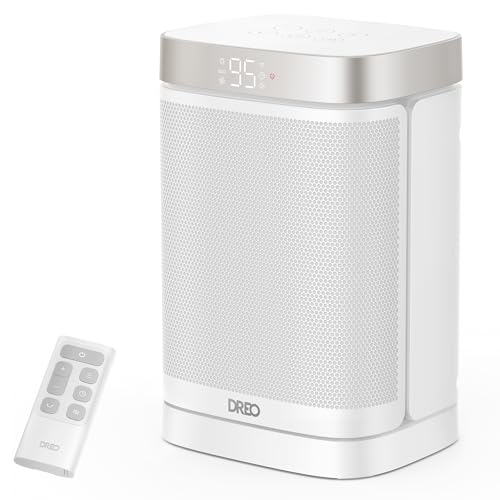
- BWP Score7.4
BWP Score is a ranking system developed by Bestwinterproducts.com. BWP score has no relationship or impact from any manufacturers or sales agent websites. Learn more
- BrandDREO

- BWP Score9.6
BWP Score is a ranking system developed by Bestwinterproducts.com. BWP score has no relationship or impact from any manufacturers or sales agent websites. Learn more
- BrandAmazon Basics

- BWP Score8.9
BWP Score is a ranking system developed by Bestwinterproducts.com. BWP score has no relationship or impact from any manufacturers or sales agent websites. Learn more
- BrandAmazon Basics

- BWP Score7.4
BWP Score is a ranking system developed by Bestwinterproducts.com. BWP score has no relationship or impact from any manufacturers or sales agent websites. Learn more
- BrandAmazon Basics

- BWP Score7.2
BWP Score is a ranking system developed by Bestwinterproducts.com. BWP score has no relationship or impact from any manufacturers or sales agent websites. Learn more
- BrandAmazon Basics

- BWP Score7.2
BWP Score is a ranking system developed by Bestwinterproducts.com. BWP score has no relationship or impact from any manufacturers or sales agent websites. Learn more
- BrandAmazon Basics
Last update on 2026-10-11 / Affiliate links / Images, Product Titles, and Product Highlights from Amazon Product Advertising API
FAQs
Do ceramic heaters get hot enough to catch curtains or bedding on fire?
Yes, if fabrics touch the front vent for an extended period. Even though ceramic elements do not glow red-hot like wire coils, the fan pushes concentrated hot air that can dry out and eventually scorch fabrics, paper, or upholstery. Keeping at least 3 feet of open space around all sides of the heater prevents heat buildup and eliminates this fire hazard.
Can I plug a ceramic space heater into an extension cord or surge protector?
No, you should always plug a ceramic space heater directly into a dedicated wall outlet. Ceramic heaters pull up to 1,500 watts, which draws around 12.5 amps of continuous electrical current. Standard household extension cords and surge protectors are rarely built to handle that continuous load, causing internal wires to overheat, melt, and potentially start an electrical fire.
What should I do if my ceramic heater suddenly shuts off by itself?
If your heater turns off unexpectedly, its internal overheat sensor or tip-over switch likely cut the power. Switch the unit off, unplug it from the wall, and allow it to cool down completely for 15 to 20 minutes. Inspect the air intake grilles for accumulated dust or pet hair, place the unit on a flat, hard surface, and plug it back directly into the outlet.


Best Warm Winter Scarves 2026 For Cozy Comfort

Best Green Ski Goggles 2026 For Clear Vision On Slopes

12 Best Corner Electric Fireplace 2026: My Ultimate Guide To Pick One

Best Battery Powered Snow Blower 2026 For Effortless Snow Clearing

Best Ski Goggles Under 30 Inches For Crisp Vision And Comfort

Best Cooling Scarf 2026 For Instant Relief And Comfort

Fake Snow for Grass: Create a Realistic Winter Lawn Display

Dimplex Prism Wall Mount Fireplace: Sleek Heat With Modern Flame Style





