
best electric blanket for camping 2026 warm picks

Best electric blanket for camping gear should feel cozy without turning the whole packing list into a tangled mess of cords, adapters, and “Where did I put the power bank?” panic. Cold air sneaks through tent walls fast, especially after midnight, and regular fleece can feel flat once damp ground starts stealing warmth. A good camping heated blanket solves a very specific problem: keeping body heat close without relying only on bulky layers.
Battery-powered heated blankets make the most sense for tent setups, hammocks, and quick overnights where an outlet isn’t part of the deal. The tradeoff is runtime, because higher heat drains power quicker than most people expect. So, it’s smarter to pre-warm the blanket, drop to a lower setting, and pair it with a sleeping bag instead of asking it to fight winter alone.
12V electric camping blankets fit car camping, RV stops, tailgates, and chilly road trips better than backcountry use. They usually deliver steadier warmth than USB models, but they need a vehicle outlet or portable power station. Fair enough, that’s not ultralight camping, but it’s awfully nice when the windshield is fogged and the dog has stolen half the sleeping bag.
USB heated throws are tempting because they look simple, yet their warmth often feels gentler and more localized. That’s fine for mild fall nights, camp chairs, and lap warmth near the fire pit, but not great for deep cold. Pay attention to fabric weight, washable construction, auto shut-off, and overheat protection, because comfort doesn’t mean much if the blanket feels fussy after one muddy weekend.
The best setup usually blends portable heat, insulation, and realistic expectations. A heated blanket won’t replace a properly rated sleeping bag, dry base layers, or a good pad under your body. But used as a warm layer over your lap, shoulders, or sleep system, it can take the edge off those damp, teeth-chattering hours before sunrise.

- BWP Score8.8
BWP Score is a ranking system developed by Bestwinterproducts.com. BWP score has no relationship or impact from any manufacturers or sales agent websites. Learn more
- BrandStalwart
- BWP Score8.8
BWP Score is a ranking system developed by Bestwinterproducts.com. BWP score has no relationship or impact from any manufacturers or sales agent websites. Learn more
- BrandDegrees of Comfort
- Prime

- BWP Score9.0
BWP Score is a ranking system developed by Bestwinterproducts.com. BWP score has no relationship or impact from any manufacturers or sales agent websites. Learn more
- BrandCURECURE
- BWP Score8.4
BWP Score is a ranking system developed by Bestwinterproducts.com. BWP score has no relationship or impact from any manufacturers or sales agent websites. Learn more
- BrandStalwart

- BWP Score8.8
BWP Score is a ranking system developed by Bestwinterproducts.com. BWP score has no relationship or impact from any manufacturers or sales agent websites. Learn more
- BrandWestinghouse

- BWP Score8.6
BWP Score is a ranking system developed by Bestwinterproducts.com. BWP score has no relationship or impact from any manufacturers or sales agent websites. Learn more
- BrandSunbeam

- BWP Score9.0
BWP Score is a ranking system developed by Bestwinterproducts.com. BWP score has no relationship or impact from any manufacturers or sales agent websites. Learn more
- BrandMarquess
- Prime

- BWP Score9.0
BWP Score is a ranking system developed by Bestwinterproducts.com. BWP score has no relationship or impact from any manufacturers or sales agent websites. Learn more
- BrandPure Warmth
- Prime

- BWP Score8.8
BWP Score is a ranking system developed by Bestwinterproducts.com. BWP score has no relationship or impact from any manufacturers or sales agent websites. Learn more
- BrandWestinghouse
Last update on 2023-05-05 / Affiliate links / Images, Product Titles, and Product Highlights from Amazon Product Advertising API
Best Electric Blanket For Camping
Cold air inside a parked SUV hits differently around 2 a.m. One minute the heater’s running, the next minute the engine’s off, windows fog up, and that cheap fleece throw suddenly feels useless. The best electric blanket for camping setups usually solve one annoying problem fast: staying warm without dragging bulky bedding into the car. Stalwart’s heated travel blanket leans into that exact niche with a simple 12-volt design that feels more practical than flashy.
Stalwart Heated Travel Blanket
Stalwart Heated Car Blanket trims the long product name down to something easier to remember, and honestly, that fits the product itself. Nothing here feels overly complicated. It plugs into a standard vehicle cigarette lighter, heats up fairly quickly, and gives off steady warmth instead of the uneven hot spots some cheaper travel blankets create. The soft fleece material also helps it feel less “emergency kit” and more like something you'd willingly use during a long winter drive.
The dimensions matter more than they first appear. At 59 inches long and 43 inches wide, it works well across a lap, shoulders, or lower body, though taller campers may notice it won’t fully cocoon them like a home blanket. That said, smaller sizing actually helps inside cramped backseats where oversized throws become tangled disasters. Folded down, it stores neatly without hogging trunk space.
The thin internal wiring deserves some credit too. Thick heating wires can feel awkward under elbows and knees, especially during overnight stops in a vehicle. This blanket stays relatively flexible, so it drapes naturally instead of feeling stiff and crunchy. It won’t mimic a luxury heated comforter, but for roadside warmth, football tailgates, or chilly dawn fishing trips, the comfort level lands in a pretty satisfying middle ground.
One catch pops up immediately though. Spot clean only means maintenance takes patience. Muddy boots, spilled coffee, wet dog fur, or campfire grime can turn cleanup into a little chore. People expecting toss-it-in-the-washer convenience may grumble after a few trips.
Road Trip Warmth Without Bulk
Portable heat often sounds better on paper than it feels in real life. Some travel blankets barely warm up, while others drain power aggressively or shut off randomly. The Stalwart blanket avoids most of that frustration by sticking with a straightforward 12V setup designed specifically for vehicles. Plug it in, wait a few minutes, and the warmth builds gradually instead of blasting scorching heat immediately.
The 96-inch power cord quietly becomes one of the most useful features after a couple uses. Front-seat-only blankets get annoying fast during family trips or carpooling situations. This longer cable reaches backseat passengers much more comfortably, especially in SUVs and larger trucks where shorter cords usually fall short by a foot or two.
Campers sleeping inside vehicles may appreciate the blanket most during shoulder seasons. Early spring and late fall nights tend to feel deceptively cold once temperatures dip below expectations. A sleeping bag alone sometimes traps cold pockets near the feet or lower legs. Layering this heated blanket over the top creates more even warmth without cranking vehicle heat all night.
Tailgating setups also fit this blanket surprisingly well. Stadium parking lots become brutally cold once the sun drops, and folding camp chairs don’t exactly retain body heat. Wrapping this fleece throw around your legs while sitting outdoors feels far more comfortable than juggling disposable hand warmers and multiple hoodies.
Comfort Tradeoffs Worth Knowing
Heat output sits in a moderate range rather than an aggressive one. People expecting electric mattress-pad intensity might feel underwhelmed at first. This blanket prioritizes steady background warmth over high-temperature heating, which honestly makes sense inside vehicles where overheating becomes uncomfortable pretty quickly.
The lighter fleece material creates both advantages and limitations. Packing and storage become easy, especially for crowded trunks loaded with coolers, backpacks, and emergency gear. On the flip side, thinner fleece doesn’t insulate especially well once unplugged. The warmth relies heavily on active power rather than retained heat.
Another realistic limitation involves power dependency. Since it runs through a vehicle outlet, this blanket isn’t suited for deep backcountry camping unless paired with a compatible portable power station. Tent campers without car access may find battery-powered heated blankets more flexible, even if they sacrifice continuous runtime.
Spot cleaning remains the biggest annoyance long term. Camping gear gets dirty. That’s just how it goes. A blanket that can’t safely enter a washing machine demands extra care around muddy boots, snacks, spilled drinks, or damp gear tossed carelessly across the seat after a rainy hike.
Cold Weather Driving Experience
Winter road trips expose every weak point in cheap travel gear. Thin blankets lose warmth quickly. Tiny cords stretch awkwardly across seats. Stiff materials bunch up around your knees. Stalwart’s blanket avoids several of those common headaches with its softer construction and usable cable length.
Emergency kit value stands out too. Snow delays, dead batteries, roadside waits, and unexpected weather shifts happen more often than people like admitting. Keeping a heated blanket inside the trunk alongside jumper cables and bottled water adds genuine comfort during stressful situations. Warmth changes moods fast during long roadside waits.
Drivers should still use common sense with power management. Running accessories continuously without the engine on can drain weaker car batteries over time. The blanket works best during active driving, occasional warm-up periods, or short stationary use rather than all-night continuous operation.
One practical detail worth mentioning involves noise. Some heated blankets emit faint buzzing or crackling sounds once powered. This Stalwart model stays fairly quiet during use, which matters more than expected during overnight rests inside vehicles where every little sound gets amplified.
Pros And Cons That Actually Matter
Pros feel grounded in practicality rather than gimmicks. The blanket heats relatively fast, folds compactly, and provides enough warmth for cold drives, camping stops, and roadside emergencies. The extra-long power cord genuinely improves usability for passengers beyond the front seats.
The fleece texture feels comfortable against hoodies, jackets, and sleeping bags without becoming slippery or overly synthetic. Lightweight construction also makes carrying and storing the blanket painless compared to bulky wool throws or oversized comforters. For quick warmth during winter travel, simplicity becomes part of the appeal.
Cons revolve mostly around cleaning and heat expectations. Spot-clean-only care instructions limit convenience, especially after messy outdoor trips. Heat levels stay moderate rather than intense, so people dealing with severe cold may need layered insulation instead of relying solely on this blanket.
Another small drawback involves blanket coverage. Larger adults or couples sharing warmth may find the dimensions restrictive during overnight use. It handles single-person lap coverage well, though full-body wrapping feels tighter for taller campers. From a practical angle, best yarn for sophie scarf discussions oddly overlap with this blanket in one way: soft texture matters more than flashy marketing language once cold weather settles in.
Best Electric Blanket For Camping
Sleeping in a cold camper after a long hike sounds cozy right up until the temperature nosedives at midnight. Thin sleeping bags stop pulling their weight, stiff shoulders creep in, and suddenly warm socks don’t feel like enough anymore. The best electric blanket for camping setups usually solve that awkward gap between “just chilly” and “why did I agree to this trip?” Sherpa Plush Heated Blanket steps into that role with oversized warmth, softer fabric than most travel-focused blankets, and heat controls that feel more adjustable than gimmicky.
Sherpa Plush Heated Blanket
Sherpa Plush Heated Blanket doesn’t lean into rugged outdoor styling, and honestly, that’s part of its appeal. The blanket feels more like something you'd keep on a bed at home than a rough utility throw tossed in the back of a truck. One side uses thick sherpa fabric with a fuzzy texture that traps warmth nicely, while the opposite side has a smoother mink-style weave that feels cooler and silkier against the skin.
That two-sided construction changes the experience more than expected. Cold-weather campers who hate clammy synthetic blankets may appreciate the sherpa side during damp mornings or drafty RV nights. The mink finish, meanwhile, works better for milder evenings where heavy fleece starts feeling stuffy after an hour or two.
Full-size dimensions also push this blanket into a different category than smaller travel throws. At 80 by 84 inches, it covers far more space than compact 12V blankets built for cars. Two people can comfortably share it across a mattress pad inside a camper van or larger tent setup without fighting over corners all night.
Weight becomes the tradeoff, naturally. This isn’t the kind of blanket that disappears neatly into a backpack pocket. Campers hauling gear long distances probably won’t love the extra bulk, but vehicle campers and RV travelers may happily accept the larger size for the added comfort.
Heat Control Feels Surprisingly Flexible
Twenty heat settings sounds excessive at first glance, almost like one of those inflated spec-sheet numbers that nobody actually uses. Then colder nights roll in, body temperature shifts, and those smaller heat adjustments suddenly make a lot more sense. Some heated blankets jump awkwardly from barely warm to sauna mode. This one allows gentler tuning instead.
The controller feels straightforward without becoming annoyingly technical. A lot of electric blankets bury basic functions behind tiny buttons and cryptic display symbols. Sherpa Plush keeps the controls readable and simple enough to adjust half-asleep without fumbling around in the dark.
Lower heat settings work especially well during overnight camping use. Strong heat can feel comforting initially, but sleeping under intense warmth for hours often turns uncomfortable fast. The middle range on this blanket tends to create a more balanced warmth that settles into the background rather than dominating the entire sleep setup.
Heat distribution also stays fairly consistent across the surface. Some cheaper blankets develop obvious hot zones near the center while outer sections stay lukewarm. The warmth here spreads more evenly, especially across the torso and leg areas where cold tends to linger longest during camping trips.
Auto Shutoff Adds Real Peace Of Mind
Electric blankets and overnight use can make some people uneasy, especially inside enclosed camping spaces where airflow and temperature shifts already feel unpredictable. Sherpa Plush addresses that concern with a 1 to 10 hour adjustable auto shutoff timer, and frankly, that feature carries more value than flashy marketing phrases ever could.
People fall asleep. Controllers get forgotten. Long drives leave everyone exhausted before the campsite is even set up properly. That adjustable timer reduces the stress of wondering whether the blanket stayed running through the entire night.
The timer setup also works nicely for preheating bedding. Turning the blanket on for an hour before climbing into a cold camper mattress changes the entire feel of bedtime. Instead of shivering through those first ten miserable minutes, the sleeping area already feels comfortable and inviting.
Campers dealing with muscle soreness may appreciate the heating design for another reason too. Steady warmth often helps loosen stiff joints after long hikes, kayaking trips, or physically demanding weekends outdoors. The blanket won’t magically erase soreness, obviously, but gentle heat across shoulders or lower legs feels genuinely soothing after a cold day outside.
Cleaning And Fabric Hold Up Better Than Expected
Outdoor gear gets dirty fast. Dust sticks to fleece. Coffee spills happen. Dogs jump into sleeping setups with muddy paws five seconds after someone says “don’t do that.” Heated blankets that require complicated cleaning routines become frustrating surprisingly quickly.
Machine washable construction gives this blanket a big advantage over spot-clean-only models. Disconnecting the controller and cables takes just a minute, and after that, the blanket can go through a cold wash cycle without much drama. That convenience matters more over time than people expect during repeated camping trips.
The fabric staying soft after washing deserves attention too. Some heated blankets become stiff, matted, or oddly crunchy after a few cleaning cycles. Sherpa Plush claims resistance to fading, shrinking, and pilling, and the thicker material does feel sturdier than bargain-bin heated throws that flatten after one winter season.
A related reference appears in best lip balm for black skin, where cold-weather comfort products get discussed from a completely different angle but with similar concerns around dryness, winter discomfort, and practical seasonal gear.
Where This Blanket Fits Best
RV camping feels like the strongest match for this heated blanket. The oversized dimensions, plush texture, and wall-powered design create a setup that feels more like a cozy bed than temporary camping gear. Van campers with portable power stations may also appreciate the extra coverage during colder shoulder seasons.
Traditional tent campers can still use it effectively, though access to power matters. Unlike 12V vehicle blankets, this model suits campsites with electrical hookups better than remote off-grid setups. People relying solely on compact battery packs may run into power limitations depending on heat level and usage time.
The blanket also works surprisingly well for indoor recovery days after outdoor trips. Long drives home, stiff backs, sore calves, and rainy weekends all pair naturally with the softer sherpa texture and adjustable warmth. That flexibility makes it feel less seasonal than some camping-only gear that spends ten months untouched in storage.
Storage space remains the main compromise. The thick sherpa fabric takes up noticeably more room than thinner fleece throws designed specifically for portability. Campers already squeezing coolers, lanterns, boots, and sleeping bags into limited trunk space may need to plan around its bulkier footprint.
CURECURE Full Heated Blanket
A cold night can turn a simple camping plan into a stiff, grumpy crawl toward morning. The sleeping bag feels fine at first, then the air drops, the floor cools down, and every little draft starts poking through. That’s where the best electric blanket for camping idea gets interesting, especially for car camping, cabin stays, RV nights, or campsites with power nearby. CURECURE Full Heated Blanket brings a softer, bed-style approach with fast heating, a full-size shape, and enough warmth control to feel practical rather than fussy.
CURECURE Full Heated Blanket
CURECURE Full Heated Blanket sounds less rugged than a compact travel throw, but that’s not a bad thing. This is more of a comfort-first heated blanket for people who hate waking up with cold knees, tense shoulders, and that “why is my nose frozen?” feeling. The 72 x 84 inch size gives it a generous footprint, so it can cover more of the body than smaller car blankets. For camping setups built around a cot, RV bed, camper mattress, or cabin bunk, that extra coverage feels like a big deal.
The double-sided fabric gives it a cozy personality without trying too hard. One side uses soft flannel, while the other leans into a smoother velvet feel. That mix works well because cold-weather comfort isn’t only about heat. Texture matters when bare hands, tired legs, or chilly feet keep brushing against the blanket through the night.
Fast heating is the feature that will probably get noticed first. After a long drive or a late campsite setup, nobody wants to wait forever for warmth to kick in. The 4 heating levels keep the controls simple, which may actually be better than a controller loaded with too many tiny choices. Less fiddling, more settling in.
The blanket also works as a regular layer when unplugged, which helps its usefulness stretch beyond strictly powered use. That matters for trips where the power source isn’t available all night. It won’t replace a properly rated sleeping bag in freezing conditions, but as a warm layer inside a controlled camping setup, it earns its space. The main thing is knowing its lane: comfort camping, not ultralight backpacking.
Heat Settings And Overnight Comfort
Four heat levels make this blanket feel easy to live with. Some heated blankets try to impress with a long list of settings, but out in a camper or tent, too many options can feel silly. Low warmth can take the edge off a mild night, while higher settings help after the temperature drops harder than expected. That kind of range gives enough control without turning bedtime into a control-panel puzzle.
The fast heating design is useful before sleep, especially if the bedding already feels damp or cold from sitting unused all day. Pre-warming a cot, RV mattress, or sofa blanket spot can make bedtime feel less like a dare. A few minutes of heat before climbing in can change the mood quickly. Cold fabric against tired legs is no joke.
The 10-hour auto-off adds a welcome safety-minded touch. Falling asleep with heat running is easy, especially after hiking, hauling gear, or sitting outside in cold air for hours. Auto shutoff helps reduce that nagging worry about leaving the blanket powered longer than intended. The included overheating protection also fits the kind of reassurance people want from an electric blanket used around sleep.
Heat expectations still need to stay realistic. This blanket is built for warmth and comfort, not for fighting extreme outdoor cold by itself. In a chilly RV, cabin, or powered campsite, it can feel like a soft little rescue. In an exposed tent with poor insulation and no solid sleep pad underneath, even steady electric warmth has limits.
Soft Fabric With Real Camp Tradeoffs
The fabric pairing gives the blanket a nice split personality. The flannel side feels warmer and more familiar, while the velvet side feels smoother against skin or light sleepwear. That’s useful because camping comfort changes throughout the night. Early evening may call for soft surface warmth, while the coldest hours may need more trapped heat.
The full-size build creates a roomy, home-like feel that smaller heated throws can’t match. It can drape over shoulders while reading, cover legs on a camper sofa, or spread across a full-size sleeping setup. Still, that larger shape means more bulk in the gear pile. Folks already juggling coolers, lanterns, blankets, and bags may need to plan space for it.
Machine washable care gives this model a practical edge. Camping gear collects dust, snack crumbs, pet hair, and mystery dirt with almost comic timing. Being able to remove the heating control and wash the blanket by hand or machine makes it easier to keep around for repeated use. Cold water and gentle handling still make sense, because heating components deserve a little respect.
The washable design also helps it avoid that “special occasion only” problem. A blanket that’s too delicate often ends up ignored after the first spill. This one feels better suited for regular sofa use, guest bedding, and chilly weekends between camping trips. Easy care can be just as important as warmth when real life gets messy.
Best Fit For Camping Setups
Car camping and RV use feel like the most natural homes for this blanket. The size works well across a mattress, rear sleeping platform, or fold-out camper bed. It’s not tiny, and that’s the point. Smaller 12V blankets are easier to pack, but they often leave shoulders, feet, or one unlucky side of the body exposed.
Powered campsites also make sense for this design. Since this is a full electric blanket rather than a compact battery throw, access to a suitable power source matters. A cabin, camper, power station, or campsite outlet gives it a more comfortable rhythm. Without reliable power, it becomes a soft regular blanket, still useful but not the main reason to bring it.
The blanket can also help during quiet campsite downtime. Reading inside a camper, watching a movie on a cold evening, or sipping coffee before sunrise feels better with controlled warmth wrapped around the body. The whole body warming shape suits those slower moments nicely. Not every camping product needs to be rugged and muddy to be useful.
There’s also a comfort-recovery angle worth mentioning. After a long day of setting up camp, walking trails, or carrying firewood, steady warmth can help tired muscles relax. The product description mentions warmth supporting blood flow and easing sore muscles, which fits the way gentle heat often feels after physical effort. A neutral related reference appears in how to put embers in gas fireplace, where controlled warmth and cozy atmosphere sit in a different indoor setting.
Strengths And Weak Spots
The biggest strength is comfort coverage. A full-size 72 x 84 inch blanket simply gives more room to move than a narrow travel throw. That matters for restless sleepers, shared bedding, or anyone who hates waking up because one shoulder slipped out from under the warm layer. The fabric also feels more relaxed and homey than many utility-style heated blankets.
The simple heat control is another plus. Four levels keep the experience clean, while the 10-hour auto-off supports overnight use without constant checking. Fast heating helps during those first uncomfortable minutes after crawling into cold bedding. For a powered camping setup, that combination feels sensible.
The main weakness is portability. This isn’t the blanket for long walks to remote campsites, tight backpacking loads, or minimalist packing. The full-size build takes space, and it depends on electricity for its main benefit. Campers who need compact gear may prefer a smaller heated throw, even if it sacrifices coverage.
Care is easier than spot-clean-only blankets, but it still requires removing the controller and treating the blanket properly. That’s not difficult, just something to remember before laundry day. Also, the cozy flannel and velvet feel may be too warm for mild nights if used on higher settings. Like most heated bedding, best performance comes from matching the heat level to the actual conditions instead of blasting warmth all evening.
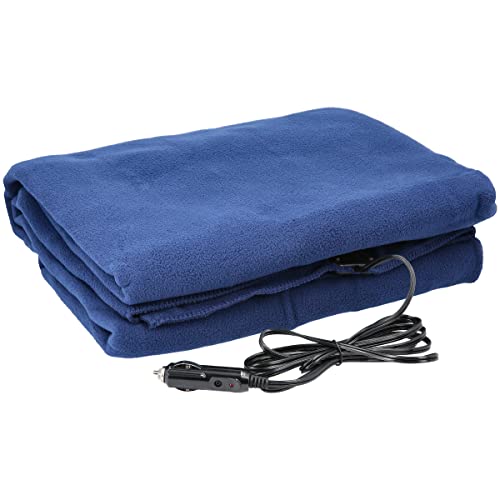
Stalwart Navy Heated Car Blanket
Cold seats have a way of ruining the mood before the trip even gets going. The heater may warm the dashboard, sure, but the backseat still feels like a freezer box, and someone always ends up curled under a thin hoodie pretending they’re fine. That’s where the best electric blanket for camping becomes less of a luxury and more of a practical little comfort tool. Stalwart Navy Heated Car Blanket keeps things simple with a 12-volt plug-in design, soft polyester fleece, and a travel-friendly size that suits cars, trucks, SUVs, RVs, tailgates, and chilly roadside pauses.
Stalwart Navy Heated Car Blanket
Stalwart Navy Heated Car Blanket is a clean, shorter name for a product that doesn’t need much dressing up. It’s built around one straightforward idea: plug the blanket into a vehicle cigarette lighter and get steady warmth while the vehicle power is available. That makes it especially handy for cold-weather driving, car camping, and RV lounging. No batteries to charge, no complicated controller dance, just plug it in and let the fleece warm up.
The 12-volt car adaptability is the main reason this blanket fits camping-related travel so well. Plenty of heated blankets are made for beds, but those usually depend on a wall outlet and don’t always make sense outside a home or cabin. This one is clearly meant for vehicle life, which means it belongs in the same conversation as emergency kits, winter road trips, and sleeping platforms in SUVs. For people who spend long hours between campsites, that difference matters.
The navy blue color also gives it a more understated look than brighter travel throws. That’s not a performance feature, obviously, but darker blankets tend to hide minor dirt and lint better during outdoor use. Since camping gear gets tossed around, stepped over, and dragged between seats, a less delicate-looking color feels practical. Still, the blanket is spot clean only, so mud and spills deserve some caution.
Size plays a big role in how this blanket feels in real use. At 59 inches long and 43 inches wide, it’s not a full-bed blanket, and it’s not trying to be. The shape works better across a lap, legs, shoulders, or one person curled up in the backseat. For two people, it’s more of a shared lap warmer than a full-body camping blanket.
Warmth For Vehicle-Based Camping
Vehicle-based camping has its own weird comfort problems. A sleeping bag might cover the body, but cold air still creeps around the windows, floor, and tailgate area. This Stalwart blanket helps by adding active warmth where regular fleece alone can feel a little limp. The heat builds quickly enough to take the edge off those first uncomfortable minutes after climbing into a cold seat or back cargo area.
The blanket stays warm until unplugged, which is both convenient and worth managing thoughtfully. During active driving, that’s easy. During parked use, battery awareness becomes part of the deal, especially if the vehicle isn’t running. The blanket is useful, but it shouldn’t be treated like an all-night power-free sleep system.
The thin wire design helps keep the blanket flexible rather than stiff. Some heated throws feel like there’s a grid hiding under the fabric, and that can get annoying around knees or elbows. This model feels more natural for wrapping around legs or folding across a lap. For road trips and camp chairs near the vehicle, that softer drape is a real comfort detail.
The polyester fleece adds warmth even before the heating element fully settles in. It’s lightweight, so it won’t replace a heavy wool blanket in bitter conditions. But used over jeans, base layers, or a sleeping bag, it becomes a useful top layer. That’s the sweet spot: extra warmth, not full cold-weather protection by itself.
The Long Cord Makes A Difference
The 96-inch cord is one of those features that sounds boring until the first backseat passenger actually needs it. Short cords turn heated travel blankets into front-seat-only gear, which gets old fast during group trips. This longer cord gives more freedom inside larger vehicles. Backseat riders, kids, and someone stretched across the rear cargo area have a better chance of using it comfortably.
In an SUV or RV, cord length can make or break the experience. A blanket that barely reaches forces awkward seating positions and weird cable tension. With this Stalwart design, the cord gives enough room to move around a bit without feeling pinned to the outlet. That matters more during long drives than during a quick ten-minute warmup.
Cable placement still needs common sense. A long cord can get caught under bags, boots, seat tracks, or restless feet. Keeping it routed cleanly prevents tugging and keeps the blanket more comfortable to use. Camping trips already come with enough tangled straps and charging cables, so a little setup discipline helps.
The lack of complicated heat-level controls may appeal to people who prefer simple gear. There’s no need to scroll through settings or remember timer buttons. The flip side is that temperature customization is limited compared with household heated blankets. Some will like that simplicity, while others may wish for more control on milder nights.
Portability And Storage Notes
Lightweight construction makes this blanket easy to keep in a vehicle without sacrificing much space. It folds down neatly and can ride in a trunk, backseat pocket area, or emergency storage bin. The included storage case with handles adds a little order to the usual camping clutter. That’s helpful because loose blankets tend to become magnets for crumbs, pet hair, and random gear.
The smaller footprint works well for people who don’t want their car packed to the roof. Full-size heated blankets feel wonderful, but they eat up storage space fast. This Stalwart blanket takes a more compact route. For quick weekends, tailgating, roadside kits, and cold commutes, that smaller size feels sensible.
The 100% polyester material keeps the blanket soft and light, though it also brings a familiar tradeoff. Polyester fleece can hold static and pick up lint, especially in dry winter air. It’s not a dealbreaker, but it’s part of living with fleece gear. A quick shake outside the vehicle usually helps after a dusty trip.
Care instructions deserve attention because this blanket is not machine washable. Spot cleaning only means spilled cocoa, muddy paws, and greasy snack fingers can become annoying. In that sense, it behaves more like powered travel gear than ordinary bedding. People who want toss-it-in-the-washer convenience may prefer a washable indoor electric blanket, though those usually won’t plug directly into a vehicle.
Strengths, Weaknesses, And Real Fit
The biggest strength is practical warmth in a vehicle-friendly package. It plugs into a common car, truck, SUV, or RV outlet and starts warming without extra accessories. That makes it useful during camping drives, cold tailgates, emergency waits, and early morning departures. The long cord adds real value because warmth shouldn’t be limited to whoever sits closest to the dashboard.
The main weakness is limited coverage. At 59 by 43 inches, this blanket is better for one person than shared sleeping comfort. Taller bodies may find it too short for full coverage from shoulders to feet. Used as a lap blanket or upper-body wrap, though, the size makes more sense.
Power dependence also shapes where it works best. This isn’t meant for backpacking, remote tent sites, or situations without a vehicle outlet nearby. It’s better suited for car camping, RV travel, long drives, and campsites where the vehicle stays close to the living setup. Different cold-weather gear solves different problems, and this one clearly belongs near the road.
A small lifestyle overlap shows up in cold-weather comfort gear beyond camping, and a neutral related reference sits in best socks for walking on concrete where foot comfort, long hours, and warmth-adjacent fatigue are handled from a different angle. The Stalwart blanket stays in its own lane, though. It’s a compact heated fleece throw for vehicle warmth, not a full bedding replacement or deep-winter camping system.
Everyday Use Beyond The Campsite
Daily winter driving may be where this blanket quietly earns its keep. Early commutes, school drop-offs, and late-night rides can feel brutal before the vehicle heater catches up. A heated fleece layer across the lap gives immediate comfort during those awkward cold minutes. That’s especially useful for passengers who run colder than everyone else in the car.
Emergency preparedness gives the blanket another practical role. Roadside delays, unexpected snow, and long waits in cold parking lots aren’t glamorous, but they happen. Keeping a powered blanket in the car can make those moments less miserable. It’s not a replacement for proper winter safety gear, but it adds comfort to a kit that often focuses only on tools.
Tailgating also suits the blanket’s personality. Sitting outside near a vehicle during chilly weather can drain warmth quickly, especially through the legs. This throw gives enough coverage for a folding chair or backseat hangout without dragging around a bulky comforter. The navy fleece also looks casual enough for outdoor gatherings without screaming “medical heating pad.”
Gift appeal makes sense, though the better reason is usefulness rather than novelty. Plenty of winter accessories get forgotten after one season because they’re too awkward or too specific. This blanket has a wider range: commuting, camping, RV rides, tailgating, and emergency storage. That broader use gives it a better chance of staying in the car instead of disappearing into a closet.
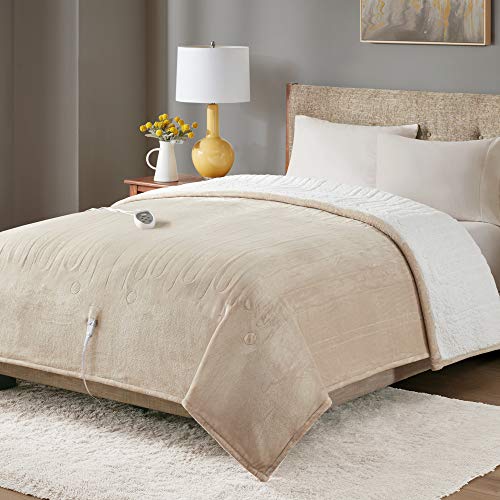
Westinghouse Flannel Electric Blanket
A chilly campsite can humble even the most confident packer. One minute the bedding looks warm enough, then the night air creeps in, the cot feels cold underneath, and the “extra sweatshirt” plan starts looking pretty flimsy. The best electric blanket for camping depends heavily on how much power, space, and comfort someone can realistically bring along. Westinghouse Flannel Electric Blanket takes the roomy, home-style route with dual controls, wide heat adjustment, soft flannel layers, and safety features that make it better suited for powered camping, cabins, RVs, and cold-weather indoor use than rough off-grid packing.
Westinghouse Flannel Electric Blanket
Westinghouse Flannel Electric Blanket feels more like heated bedding than a grab-and-go travel throw. The 84 by 90 inch size gives it generous coverage, which matters for larger beds, shared warmth, or a camper setup where one small heated throw just won’t cut it. It’s not trying to be pocket-sized camping gear. It leans toward comfort, softness, and more controlled warmth.
The double-layer 220 GSM flannel gives the blanket a soft, familiar hand feel without making it sound overly fancy. Flannel suits cold nights because it feels warmer on contact than slicker fabrics. That first touch matters, especially after crawling into bedding that’s been sitting in a cold camper all evening. Nobody wants that icy sheet shock after a long day outside.
The blanket uses 110 W power with a 60HZ setup, based on the provided product details. That makes it more appropriate for standard powered spaces than vehicle-only outlets or tiny portable batteries. For campsites with electrical hookups, RV beds, fishing cabins, or home use between trips, the design makes sense. For backpacking or remote tent camping, it’s too dependent on the right power source.
Safety details deserve real attention here. The product description mentions ETL and FCC certification plus overheat protection during normal use. It also warns against crumpling the blanket or pressing the body onto resistance wires during operation. That’s not scary, just practical, because heated bedding works best when laid out properly instead of bunched under knees, bags, or sleeping pads.
Heat Control Feels More Personal
Dual control features are the standout difference for shared sleeping spaces. Temperature arguments happen fast under one blanket, especially when one person runs cold and the other overheats after ten minutes. Separate control makes the setup less dramatic. It gives each side more say, which is a small luxury during cold nights.
The 10 heating levels give more room for fine-tuning than basic heated throws. Some blankets feel too blunt, either lukewarm or too hot with not much middle ground. Westinghouse gives a wider adjustment range, so warmth can be softened for mild nights or raised when the room, cabin, or camper drops colder than expected. That flexibility matters because camping weather rarely behaves politely.
The 1 to 12 hour timer adds another useful layer. Shorter settings work for preheating a bed before sleep, while longer settings fit lazy mornings, late-night reading, or long stretches of cold weather inside an RV. The timer also helps avoid leaving the blanket running longer than needed. That’s better for comfort, energy use, and peace of mind.
Memory heating design is another quiet convenience. A blanket that remembers previous warmth preferences can make nightly use less fiddly. After a few evenings, people tend to settle into one or two favorite levels anyway. Less button pressing, fewer half-asleep adjustments, and fewer tiny annoyances in the dark.
Camping Comfort And Real Limits
Powered camping is where this blanket fits best. An RV bed, cabin mattress, camper sofa, or campsite outlet gives it the stable power situation it needs. Used that way, it can turn a cold sleeping area into a much more forgiving space. It’s especially useful before bedtime, when bedding feels cold and stiff from sitting in low temperatures.
Outdoor use still has boundaries. The product details mention camping and fishing, but this blanket shouldn’t be treated like a rugged survival layer. It needs to stay dry, and the instructions clearly say do not use if wet. That matters around dew, damp tent floors, rainy gear, wet socks, and all the little moisture problems that show up outdoors.
The size creates comfort, but it also creates packing bulk. An 84 by 90 inch heated blanket won’t fold down like a compact car throw. Campers with limited trunk space may feel the squeeze, especially with coolers, chairs, sleeping bags, and cooking gear already fighting for room. Comfort gear always has a price, and here the price is space.
The blanket also works better as a controlled warmth layer than as the only cold-weather plan. A proper sleep pad, dry base layers, and weather-suitable bedding still matter. This blanket can make a cold night feel easier, but it won’t fix a poorly insulated tent or wet sleeping setup. That’s the honest line.
Care And Everyday Use
Machine washable care gives the Westinghouse blanket a practical advantage over spot-clean-only heated throws. Cold machine washing or hand washing is supported after unplugging the controller. Line drying or tumble drying on low heat also fits normal household routines better than delicate-only care. That makes the blanket easier to live with after repeated winter use.
Camping gear collects messes without asking. Dust, snack crumbs, pet hair, and damp smells can turn a cozy blanket into something nobody wants near their face. Easy care helps the blanket stay useful beyond one or two trips. Still, washing should be done carefully because heating wires and controllers are not ordinary bedding pieces.
The blanket’s softer build also suits indoor downtime. Reading on the couch, watching television, relaxing at a desk, or warming up after a cold walk all fit the product’s stated use cases. That everyday flexibility makes it less likely to sit forgotten in a closet after camping season ends. Gear that works at home tends to earn its keep more often.
From a practical angle, best mens hiking water shoes sits in a different outdoor gear lane, yet both topics circle the same truth: comfort outdoors usually depends on small choices that prevent cold, wet, or tired moments from taking over the day. The Westinghouse blanket handles the warmth side of that equation. It belongs in dry, powered settings where softness and adjustability matter more than rugged portability.
Pros And Cons In Plain Terms
Pros start with coverage. The large 84 by 90 inch size gives this blanket a more bed-friendly feel than smaller heated throws. That makes it better for shared use, bigger sleepers, and camper beds where narrow blankets leave too many cold edges. The double-layer flannel also makes the blanket feel cozy before heat even kicks in.
Heat control is another clear strength. Dual controls, 10 heating levels, a 1 to 12 hour timer, even heat distribution, and memory heating design all help personalize the experience. That’s useful for cold sleepers, couples with different comfort levels, or anyone who hates waking up sweaty because the blanket only has crude settings. The controls give the warmth more nuance.
Safety-focused details also count as a plus. ETL and FCC certification, overheat protection, and clear use warnings make the blanket feel more thoughtfully framed for normal operation. The instructions about avoiding crumpling or body pressure on resistance wires should be taken seriously. Heated blankets reward careful use, not careless folding and piling.
Cons mostly come from portability and environment limits. The blanket needs appropriate power, must not be used wet, and takes more room than compact camping throws. It’s not the right fit for backpacking, rough tent floors, or messy campsites where damp gear gets thrown everywhere. For dry RVs, cabins, beds, couches, and powered camping setups, the tradeoff feels much more reasonable.

Best Warm Winter Scarves 2026 For Cozy Comfort

Best Green Ski Goggles 2026 For Clear Vision On Slopes

12 Best Corner Electric Fireplace 2026: My Ultimate Guide To Pick One

Best Battery Powered Snow Blower 2026 For Effortless Snow Clearing
Best Ski Goggles Under 30 Inches For Crisp Vision And Comfort

Best Cooling Scarf 2026 For Instant Relief And Comfort

Fake Snow for Grass: Create a Realistic Winter Lawn Display

Dimplex Prism Wall Mount Fireplace: Sleek Heat With Modern Flame Style




