
Are Ceramic Space Heaters Really Energy Efficient?

Many people believe ceramic heaters use special technology that magically cuts power consumption in half. In truth, all electric space heaters turn electric current into heat at the exact same rate. Ceramic models are not technically more efficient than other portable heaters. They are energy efficient only when used for zone heating, meaning you warm just the single room you are currently using.
Your actual savings depend on how you manage the rest of your home. Cranking a portable heater on high while keeping your central furnace running will quickly drive your electric bill up. Real savings happen only when you turn down your main thermostat by several degrees, close the doors to empty rooms, and let the heater cycle off once the space feels warm. Here is how ceramic heat actually works and how to use it without wasting electricity.
The Short Version
- All electric space heaters share the same basic efficiency: Every electric heater turns 100 percent of the electricity it uses into heat. A ceramic heater drawing 1,500 watts uses the exact same amount of power as an oil-filled radiator or a wire-coil heater drawing 1,500 watts.
- Ceramic models save money through zone heating: Zone heating means warming only the room you are currently using while dialing down your central thermostat for the rest of the house. This reduces the workload on your central furnace.
- They deliver faster personal comfort: A ceramic heating element warms up in seconds, and an internal fan pushes warm air across the room right toward you. Because you feel warm right away, you can turn down the heat setting sooner.
- Lowering your bill requires good habits: A space heater will increase your electric bill if you leave it running on high all day or try to heat an entire house with it. Closing interior doors, using a lower wattage setting, and letting an automatic thermostat cycle the unit on and off are what keep running costs low.
Do Ceramic Heaters Actually Use Less Electricity?
The short answer is no. A ceramic space heater does not consume less electricity than any other type of electric space heater on the same power setting. In physics, electric resistance heating is always 100 percent efficient at the plug. That means every single watt of electrical power pulled from your wall outlet turns directly into heat. None of that electricity is lost up a chimney or through ductwork.
Most standard portable space heaters sold in the United States draw up to 1,500 watts on their high setting. On a standard 120-volt household circuit, 1,500 watts pulls about 12.5 amps of electric current. That 1,500-watt draw generates roughly 5,120 British Thermal Units (BTU) of warmth, regardless of whether the heating element is made of ceramic stone, quartz tubing, or a metal ribbon. A 1,500-watt ceramic tower heater uses the exact same electric power and creates the exact same total heat as a 1,500-watt oil radiator.
Heater boxes often print words like energy efficient in bold letters, but this does not mean the heater has discovered a secret way to bypass the laws of electricity. The efficiency of a ceramic heater comes from how that heat is managed. Ceramic units rely on self-regulating ceramic heating stones. As these ceramic stones heat up, their internal electrical resistance naturally rises, which helps them hold a steady temperature without wasting excess current. But if you run any ceramic heater continuously on its 1,500-watt high mode, it will pull electricity just as fast as any other 1,500-watt appliance in your home.
Zone Heating: How a Space Heater Can Actually Lower Your Bill
If ceramic heaters use the same electricity as other heaters, how can using one ever save you money? The answer lies in zone heating. Zone heating simply means heating the specific room you are sitting in while letting the unoccupied rooms in your home stay cooler.
Consider how a whole-house heating system works. When you set your central furnace or heat pump to 72°F, it burns fuel or pulls massive amounts of electricity to heat every bedroom, hallway, bathroom, and closet in the building. If you are sitting alone in a home office or watching television in the living room, you are paying to warm hundreds of square feet of empty floor space.
To cut your heating bill, you turn your central furnace thermostat down to 64°F or 65°F. Then, you place a portable ceramic heater in your office, close the door, and set it to warm just that single room to 70°F. Your central furnace runs far less often throughout the day. Because warming a 150-square-foot room takes significantly less total energy than warming a 2,000-square-foot house, your total energy spending drops.
The system breaks down when people misuse the heater. If you keep your central thermostat at 72°F and also plug in a ceramic heater, your electric bill will rise because you simply added a 1,500-watt load on top of your normal furnace costs. Similarly, if you put a small ceramic unit in an uninsulated space, like trying to warm an enclosed porch without sealing air leaks, heat escapes through single-pane glass and drafty framing faster than the heater can replace it. In that scenario, the heater runs on high without stopping, which drives up power costs without making the room comfortable.
Why Ceramic Heat Feels Warmer Faster
Ceramic heaters have earned a strong reputation for energy savings because of how fast they deliver noticeable heat. Other heating styles take time to build up warmth. A silent radiator heater that circulates steady, lasting warmth relies on heating internal reservoirs of oil. That oil can take 20 to 30 minutes to heat up before the metal fins begin warming the surrounding air.
A ceramic heater works almost instantly. Inside the casing, electricity passes through small ceramic stones. These stones reach high temperatures within two to three seconds. Directly behind the ceramic stones sits a small fan that pushes warm air across the room. As cool air enters the back of the heater, it rushes across the hot ceramic surfaces and blows out into the room as a steady stream of heated air.
This rapid delivery creates instant personal comfort. If you walk into a cold bedroom, you do not have to wait half an hour for the whole room to warm up before your hands and feet feel comfortable. You can aim the heater toward your chair, feel the direct warmth immediately, and take the edge off the chill. Because you feel warm within minutes, you are less likely to leave the heater running on high power for long periods, which directly curbs your energy consumption.
Calculating Your Running Costs
You do not need to guess how much your heater adds to your power bill. You can figure out the hourly running cost with basic math using your local electric bill.
- Check the wattage setting: Look at the control panel or the label on the bottom of the heater. High is usually 1,500 watts, low is often 750 or 900 watts, and small personal desk units usually draw around 400 watts.
- Convert watts to kilowatts: Divide the wattage by 1,000. For example, 1,500 watts equals 1.5 kilowatts (kW), 900 watts equals 0.9 kW, and 400 watts equals 0.4 kW.
- Check your electric rate: Look at your latest electric bill to find your cost per kilowatt-hour (kWh). In the United States, utility rates vary widely by state and season, but many households pay between 12 cents and 25 cents per kWh.
- Multiply kilowatts by your rate: If your electric rate is 16 cents per kWh, running a 1,500-watt heater on high costs about 24 cents per hour (1.5 kW multiplied by $0.16). Running that same heater on a 900-watt low setting costs about 14 cents per hour.
- Factor in operating time: If you run a 1,500-watt heater on high for 8 hours a day at 24 cents per hour, it costs roughly $1.92 per day, or about $58 per month.
These numbers show why the heat setting matters. Running a unit on a lower heat setting or letting a thermostat cycle it off for half of every hour cuts your running costs in half.
Five Everyday Habits to Cut Wasted Power
Using a ceramic heater efficiently comes down to how you operate the controls and manage the room. Follow these steps to get maximum warmth while drawing the least amount of electricity from the wall.
- Close the door to the room: A standard 1,500-watt space heater is sized to warm roughly 150 square feet of closed living space, based on the general rule of 10 watts per square foot. If you leave the bedroom or office door wide open, the heated air drifts into hallways and stairwells. The heater will run continuously without ever reaching your set temperature. Close the door and pull down window shades to keep the heat trapped where you are sitting.
- Drop down to a lower heat setting once warm: Start the unit on high for 10 or 15 minutes to take the bite out of the air. Once the chill leaves the room, switch the power level to low (usually 750W or 900W). The low setting uses roughly half the electricity while producing plenty of air to keep a closed room comfortable.
- Use a digital temperature dial that clicks on and off: Avoid basic heaters that run nonstop until you manually shut them off. Set the digital thermostat to a comfortable level, such as 68°F. The thermostat monitors the room air and cuts power to the heating element as soon as the room reaches that target. Managing heat this way matches the control style found in a dedicated electric heater for a garage with a thermostat, where keeping a steady baseline prevents the unit from burning power unnecessarily.
- Use the built-in timer: It is easy to walk out of a room and forget the heater is humming in the corner. If your heater includes an auto-off timer, set it for two, four, or eight hours whenever you sit down. The unit will turn itself off even if your daily schedule changes, preventing hours of wasted power in an empty room.
- Protect airflow and maintain safety clearances: Keep a clear 3-foot safety buffer around the entire heater. Make sure bedding, curtains, clothing, and furniture sit at least 36 inches away from all sides. Restricted airflow not only creates a fire hazard, but it also triggers the automatic overheat sensor that shuts the unit off if internal parts get dangerously hot. When a heater overheats from poor airflow, it shuts down before warming the room properly, forcing you to constantly reset it. Always plug the heater directly into a wall outlet rather than an extension cord or power strip, which can overheat and melt under a continuous 12-amp load.
What to Look for in an Energy-Conscious Space Heater
If you want to use a space heater to trim your utility costs, certain features make managing your electricity draw much easier. You do not need expensive add-ons, but you do need controls that keep the unit from running on high when it does not need to.
First, look for a model with an adjustable thermostat or an ECO setting. A thermostat monitors the surrounding air and shuts the heating element down when the room reaches your selected temperature. ECO modes go one step further by automatically shifting between high and low wattage settings to maintain your target warmth without burning full power.
Second, check for multiple wattage settings. A heater that only offers a single 1,500-watt mode gives you no way to conserve energy. Look for units that provide a low setting between 750 and 900 watts. If you only need targeted warmth for your feet under an office desk, a mini personal heater drawing under 500 watts uses a fraction of the power while keeping you comfortable.
Finally, always check the back label for recognized North American safety certification marks, such as UL or ETL. Reliable energy-saving use requires solid safety parts, including a tip-over safety switch that cuts power instantly if the unit is knocked over or tilted, and flame-retardant housing that stays cool to the touch. These features let you run the heater with peace of mind while keeping your power consumption strictly where you want it.

- BWP Score9.5
BWP Score is a ranking system developed by Bestwinterproducts.com. BWP score has no relationship or impact from any manufacturers or sales agent websites. Learn more
- BrandPELONIS

- BWP Score9.3
BWP Score is a ranking system developed by Bestwinterproducts.com. BWP score has no relationship or impact from any manufacturers or sales agent websites. Learn more
- BrandPELONIS

- BWP Score9.3
BWP Score is a ranking system developed by Bestwinterproducts.com. BWP score has no relationship or impact from any manufacturers or sales agent websites. Learn more
- BrandASNUG

- BWP Score8.2
BWP Score is a ranking system developed by Bestwinterproducts.com. BWP score has no relationship or impact from any manufacturers or sales agent websites. Learn more
- BrandLasko
- BWP Score7.9
BWP Score is a ranking system developed by Bestwinterproducts.com. BWP score has no relationship or impact from any manufacturers or sales agent websites. Learn more
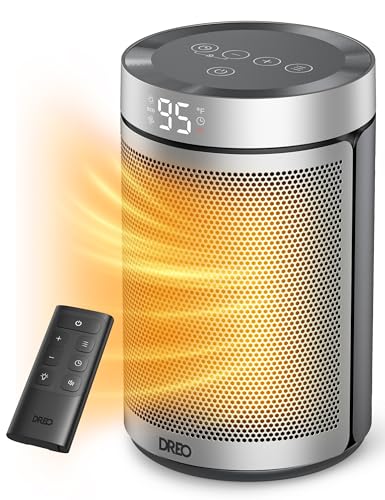
- BrandDREO

- BWP Score7.6
BWP Score is a ranking system developed by Bestwinterproducts.com. BWP score has no relationship or impact from any manufacturers or sales agent websites. Learn more
- BrandPereysi

- BWP Score7.5
BWP Score is a ranking system developed by Bestwinterproducts.com. BWP score has no relationship or impact from any manufacturers or sales agent websites. Learn more
- BrandLasko

- BWP Score7.2
BWP Score is a ranking system developed by Bestwinterproducts.com. BWP score has no relationship or impact from any manufacturers or sales agent websites. Learn more
- BrandAmazon Basics
Last update on 2026-10-08 / Affiliate links / Images, Product Titles, and Product Highlights from Amazon Product Advertising API
FAQs
Does a ceramic heater use less electricity than an oil-filled heater?
No, both types use the exact same amount of electricity on the same wattage setting. A 1,500-watt ceramic heater and a 1,500-watt oil heater both convert 100 percent of their electric draw into heat. The difference is that ceramic heaters blow warm air instantly using a fan, while oil-filled heaters warm up slowly and release gentle, silent radiant heat over a longer period.
Can running a space heater really lower my electric bill?
Yes, but only if you use zone heating. You must turn your central furnace thermostat down several degrees and use the space heater to warm only the specific room you are occupying. If you leave your central heat at its normal setting and run a space heater on top of it, your overall energy bill will go up instead of down.
What is the most energy-efficient heat setting to use?
The most efficient way to run a ceramic heater is on its low heat setting (typically 750 or 900 watts) combined with a set thermostat. Running on low draws roughly half the electric current of the high setting. Using an auto-off timer or an ECO mode also saves power by preventing the unit from running in an empty room.
Is it safe and efficient to leave a ceramic heater running overnight?
It is generally not recommended to leave portable space heaters running unattended while you sleep. While modern units have overheat sensors and tip-over switches, blankets or curtains can shift during the night and create a fire risk. A safer, more efficient choice is using an electric blanket or setting the heater timer to turn off an hour after you go to bed.


Best Warm Winter Scarves 2026 For Cozy Comfort

Best Green Ski Goggles 2026 For Clear Vision On Slopes

12 Best Corner Electric Fireplace 2026: My Ultimate Guide To Pick One

Best Battery Powered Snow Blower 2026 For Effortless Snow Clearing

Best Ski Goggles Under 30 Inches For Crisp Vision And Comfort

Best Cooling Scarf 2026 For Instant Relief And Comfort

Fake Snow for Grass: Create a Realistic Winter Lawn Display

Dimplex Prism Wall Mount Fireplace: Sleek Heat With Modern Flame Style





