
Are Convection Heaters Noisy or Truly Silent?

There is no need to worry about a loud hum ruining a good night of rest. True convection heaters are virtually silent because they warm a room through natural airflow rather than an electric blower fan. Cold air enters the bottom on its own, glides past an internal heating element, and rises gently out the top without spinning blades or rushing wind.
A few specific features determine whether a unit stays dead quiet or makes faint noises. Some models come with an optional fan boost that hums when switched on, while the metal housing on any heater can give off light clicking sounds as it expands from the warmth. Mechanical thermostats also make a small snap each time the room hits its target temperature. Learning which sounds are completely normal makes it easy to set up steady warmth without losing your peace and quiet.
The True Sound Baseline of Convection Heating
If you have ever tried to sleep or take a phone call near a standard space heater, you know the frustration of fan noise. Traditional heaters use small, high-speed blower fans to push heated air into the room. Those spinning blades generate a continuous, low-frequency hum, rattle against plastic housings, and whoosh air across the floor. In a quiet room, that mechanical drone can easily break your concentration or pull you out of a deep sleep.
True convection heaters operate on a completely different physical principle called natural convection (warm air rising on its own without a blower). Cold air sits low near the floor because it is dense and heavy. That cool air enters open intake vents at the bottom of the heater, glides across internal heating elements, warms up, and naturally floats out of top grilles into the room. This process creates a continuous, gentle cycle of rising warmth without any mechanical parts forcing the air.
Because there is no motor, fan belt, or spinning fan blade inside a pure convection unit, its continuous operating sound level is zero decibels. In a silent bedroom at night, normal ambient room noise usually measures around 30 decibels. A fanless convection heater produces no ongoing background sound to rise above that baseline. It sits silently in the corner of your bedroom or beneath your desk, circulating warmth without moving parts.
This silent operation makes convection heating ideal for light sleepers, nurseries, and home offices. You can participate in video meetings or read without background hum. People with sensitive allergies also notice a major benefit, as natural airflow warms the room without blowing settled dust, pet dander, or dry air across your face. When set up properly, you will feel steady warmth long before you notice any indication that the unit is turned on.
Fan-Free Natural Airflow Versus Fan-Boosted Models
Confusion about heater noise usually begins when shopping for a unit labeled as a convection heater. While many models rely entirely on natural airflow, some manufacturers add an internal assistance blower. These units are often marketed as fan-forced convection or turbo-boosted heaters. Understanding the difference between these two designs prevents you from accidentally buying a noisy machine when you wanted dead silence.
Fan-boosted convection heaters use a small blower motor to force warm air into the room faster during the first few minutes of operation. While this feature can speed up how quickly you feel warmth on your feet, the motor produces the same whirring, buzzing, and rushing air sounds as a standard ceramic space heater. Even if the manufacturer claims the fan is whisper-quiet, any spinning mechanical component produces audible friction that will disrupt a peaceful bedroom.
Pure, fan-free convection models rely solely on gravity and temperature differences. They take roughly ten to fifteen minutes longer to establish a rolling heat current in a closed room compared to forced-air blowers. However, once that thermal cycle begins, the entire space stays evenly warm with zero motor noise. The silence is permanent because there is no fan mechanism installed inside the unit.
If you are trying to heat open, unsealed rooms with leaky windows or constant breezes, natural airflow can struggle to keep up. In drafty conditions, gentle rising heat often escapes toward the ceiling before circulating down to where you sit. In those specific situations, setting up a specialized heater to warm drafty spaces with directional radiant heat makes more practical sense. For insulated bedrooms, nurseries, and private offices, a fan-free natural convection setup remains the gold standard for quiet comfort.
Decoding Heater Sounds: Normal Clicks Versus Warning Noises
Even completely fanless heaters are not entirely soundproof at all times. When people hear an unexpected noise from a silent heater, they often worry that the device is broken, defective, or dangerous. In almost every case, faint intermittent noises come from harmless physical changes in the materials as the unit heats up and cools down.
The most common sound is thermal expansion (metal parts clicking as they warm up and expand). Portable electric heaters draw up to 1,500 watts of power on standard 120-volt household circuits. That electrical power quickly raises the temperature of internal aluminum heating elements and steel exterior panels from a cool room temperature up to over 150 degrees Fahrenheit. As metal heats, it physically expands by microscopic amounts, shifting slightly against mounting screws, brackets, and sheet metal joints. This expansion produces faint ticking, popping, or pinging sounds during the first ten minutes of operation.
Once the metal reaches its full operating temperature, the expansion stops and the clicks disappear completely. When you turn the heater off, or when it shuts down after reaching your set warmth, the metal contracts as it cools. You may hear another brief series of soft ticks as the casing settles back into its resting state. This is simple, safe physics rather than an electrical defect.
Another normal sound comes from a mechanical thermostat (a clicking internal temperature switch). Basic heaters use a small bi-metallic switch that bends as room air warms. When the room reaches the temperature you dialed in, this small switch snaps open to shut off power to the element, making a distinct, audible click. When the room cools down by a degree or two, the switch snaps closed with another click to restart heating. If you are an especially light sleeper, that periodic click every fifteen minutes can be noticeable.
While clicks and pings are harmless, certain sounds indicate a setup problem or a potential safety issue. Use this short checklist to inspect any unexpected noises:
- Rattling or vibrating on the floor: Ensure the heater rests flat on level flooring. If you are using caster wheels or floor feet, check that all attachment screws are snug so the frame does not wobble as warm air currents rise through it.
- Vibration against a wall: For wall-mounted panels, verify that the mounting brackets are firmly anchored into wall studs. A loose bracket can vibrate gently against drywall when heated air glides through the internal chimney.
- Deep electrical humming or buzzing: A persistent hum from inside the casing can signal a vibrating internal transformer, loose internal wiring, or an overloaded circuit switch. Turn the heater off immediately if the humming is loud or constant.
- Sizzling or crackling at the wall outlet: A crackling sound near the plug indicates an electrical arc caused by loose receptacle contacts inside your wall. Turn the heater off, unplug it, and avoid using that outlet until a licensed professional evaluates it.
- Check your clearances: Keep a 3-foot safety buffer around the entire heater. Make sure bedsheets, drapes, papers, and pet bedding are at least 36 inches away so airflow remains completely unobstructed.
If your heater ever produces a burning plastic smell alongside a buzzing noise, or if your home breaker trips repeatedly, turn the heater off and unplug it from the wall. Allow the unit to cool down completely before touching the casing, and contact the manufacturer or a licensed electrician before using the unit again.
What to Look for in a Truly Silent Room Heater
Finding a heater that keeps your room warm without making noise comes down to checking a few key design details before bringing a unit home. When shopping for quiet warmth, look for models specifically described as fanless convection panels, natural convection heaters, or electric baseboard heaters. These designs eliminate the blower motor entirely, ensuring that your space stays free from mechanical whirring.
Pay close attention to how the heater regulates temperature. If you want to eliminate the sharp clicking sounds associated with temperature cycles, look for units with electronic or digital thermostats instead of mechanical turn-dials. Digital controls use solid-state electronics to monitor room temperature and cycle power smoothly without physical metal switches snapping back and forth. Many modern digital panels also feature dimmable displays or auto-dimming screens, preventing bright indicator lights from glowing across your bedroom while you sleep.
The design of the heating element also impacts noise levels. Heaters utilizing large aluminum heating elements or solid mica panels distribute heat evenly across a broad surface area. Because these materials transfer heat smoothly into the air without requiring extreme localized temperatures, they tend to produce far fewer thermal expansion pings than thin wire coils. Aluminum finned elements also warm up in seconds, providing steady rising heat quickly and silently.
Mounting options can also help minimize sound. Wall-mounted convection panels lift the heat source off hardwood or laminate floors, which prevents faint expansion clicks from echoing across floorboards. If you prefer a freestanding floor model, pick a unit equipped with broad, stable feet or rubber-coated caster wheels that absorb vibration. Ensure the model includes essential safety mechanisms, such as an automatic overheat sensor that shuts the unit off if internal parts get dangerously hot, alongside a tip-over safety switch that cuts power instantly if the unit is knocked over or tilted.
Keep your room size and power supply in mind. In US homes, standard portable electric space heaters draw up to 1,500 watts, which equals about 12.5 amps on a standard 120-volt household circuit. Applying the standard sizing guideline of roughly 10 watts per square foot of living space, a 1,500-watt convection heater can comfortably warm a closed 150 square foot bedroom. Always plug the heater directly into a dedicated wall outlet, and never use extension cords or power strips, which can overheat and melt.
While heavy-duty utility spaces often prioritize rugged metal casings over quietness, like setting up an electric heater for a garage with a thermostat to manage uninsulated shop drafts, your sleeping or working space needs a fan-free design built for quiet comfort. By choosing a fanless convection model with digital temperature management, you can keep your space comfortably warm all winter long without sacrificing your peace and quiet.

- BWP Score8.2
BWP Score is a ranking system developed by Bestwinterproducts.com. BWP score has no relationship or impact from any manufacturers or sales agent websites. Learn more
- BrandClarfey

- BWP Score9.3
BWP Score is a ranking system developed by Bestwinterproducts.com. BWP score has no relationship or impact from any manufacturers or sales agent websites. Learn more
- BrandBallu

- BWP Score8.1
BWP Score is a ranking system developed by Bestwinterproducts.com. BWP score has no relationship or impact from any manufacturers or sales agent websites. Learn more
- BrandManastin

- BWP Score7.6
BWP Score is a ranking system developed by Bestwinterproducts.com. BWP score has no relationship or impact from any manufacturers or sales agent websites. Learn more
- BrandUthfy

- BWP Score7.6
BWP Score is a ranking system developed by Bestwinterproducts.com. BWP score has no relationship or impact from any manufacturers or sales agent websites. Learn more
- BrandReekie
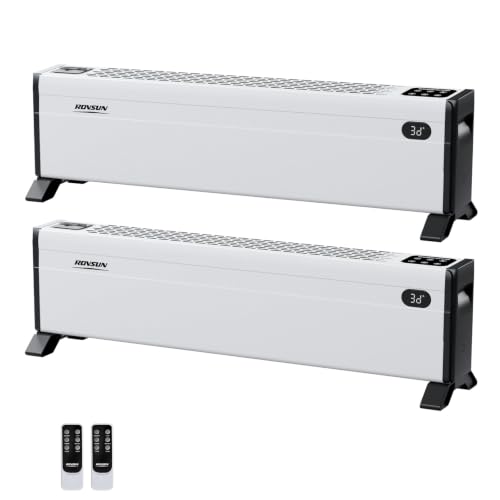
- BWP Score7.4
BWP Score is a ranking system developed by Bestwinterproducts.com. BWP score has no relationship or impact from any manufacturers or sales agent websites. Learn more
- BrandROVSUN
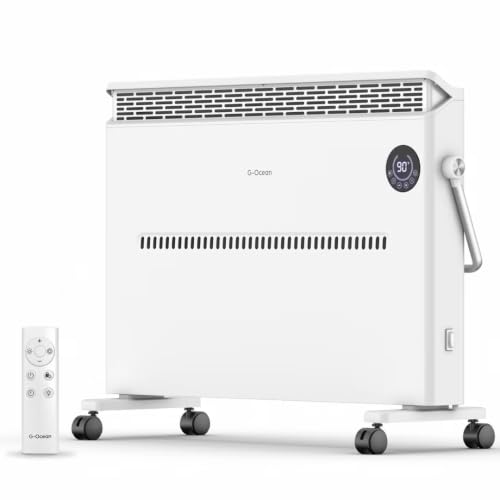
- BWP Score7.3
BWP Score is a ranking system developed by Bestwinterproducts.com. BWP score has no relationship or impact from any manufacturers or sales agent websites. Learn more
- BrandG-Ocean

- BWP Score7.2
BWP Score is a ranking system developed by Bestwinterproducts.com. BWP score has no relationship or impact from any manufacturers or sales agent websites. Learn more
- BrandDe'Longhi
Last update on 2026-10-07 / Affiliate links / Images, Product Titles, and Product Highlights from Amazon Product Advertising API
FAQs
Are convection heaters quiet enough for sleeping?
True fanless convection heaters are quiet enough for the lightest sleepers. Because they rely on natural air circulation without a motor or blower fan, they produce zero continuous decibels of operating noise. The only sounds you may occasionally hear are faint metal expansion clicks as the heater warms up or cools down.
Why does my convection heater click when warming up or cooling down?
Clicking is caused by thermal expansion, which is the natural movement of metal parts as their temperature changes. When the 1,500-watt heating element warms up, internal aluminum fins and the outer steel casing expand slightly against their mounting screws and seams. Once the unit reaches a stable operating temperature, the expansion stops and the clicking sound goes away.
What causes a fanless convection heater to buzz or hum?
A faint hum can occasionally come from alternating electrical current running through internal power components, but a loud buzz is abnormal. Buzzing usually points to a loose front panel vibrating against the frame, an uneven floor mount, or an overloaded electrical outlet. If the buzz is loud or accompanied by a warm plug, turn the heater off and unplug it immediately to inspect your outlet.


Best Warm Winter Scarves 2026 For Cozy Comfort

Best Green Ski Goggles 2026 For Clear Vision On Slopes

12 Best Corner Electric Fireplace 2026: My Ultimate Guide To Pick One

Best Battery Powered Snow Blower 2026 For Effortless Snow Clearing

Best Ski Goggles Under 30 Inches For Crisp Vision And Comfort

Best Cooling Scarf 2026 For Instant Relief And Comfort

Fake Snow for Grass: Create a Realistic Winter Lawn Display

Dimplex Prism Wall Mount Fireplace: Sleek Heat With Modern Flame Style





