
Are Convection Heaters Safe for Children?

Many parents assume that any portable space heater is an automatic burn hazard in a child's bedroom. That worry makes sense around glowing coils, but convection heaters are among the safest electric options for kids because they circulate warm air through an enclosed cabinet rather than exposing red-hot elements. While no electric heater is completely childproof, these designs greatly reduce the risk of accidental contact burns.
Real safety still depends on how the unit is built and where it sits. The outer casing must stay cool to the touch, and the heater needs automatic shutoffs that cut power instantly if knocked over or blocked. Safe placement is equally vital, keeping power cords out of pathways and the unit well beyond curious little hands. Here is what to look for to keep your child warm and completely safe.
Convection heaters are much safer than exposed coil units
Space heaters warm a room in two very different ways. Radiant heaters work like the sun. They use glowing wire coils or quartz tubes to blast instant heat directly onto whatever sits in front of them. If your child drops a blanket near a radiant heater, or trips and touches that glowing red wire, the fabric or skin can burn within a single second. That makes open-coil radiant heaters a dangerous choice anywhere near children.
Convection heaters operate on a completely different principle. They work by creating natural circulating warm air. Cold air sits near the floor because it is heavier. The convection heater pulls that cooler air into the bottom of its housing, gently warms it using an enclosed heating element, and releases it out the top. The warm air rises toward the ceiling, slowly circles across the bedroom, and pushes cooler air back down toward the heater.
The biggest safety advantage for your child is that the heating parts remain tucked away. Many convection models use a ceramic heating element that warms up in seconds, or thin mica sheets that transfer warmth silently. These heating elements sit deep behind metal or composite protective shields. There are no exposed, red-hot wire coils for curious fingers to touch, and no intense heat rays that can instantly melt nearby toys.
Because the heat disperses into the air rather than blasting a single spot, the entire room warms evenly. This gentle circulation prevents the hot spots and sudden temperature spikes that make other space heaters so hazardous around infants and young children.
Outer surfaces can still get warm enough to startle
Even though convection units are much safer than radiant models, no electric heater stays completely cold while warming a room. The lower body and the side panels of a quality convection heater usually remain mildly warm or cool to the touch. But the top exhaust vent, where the heated air pours out, will always get hot during operation.
An adult can touch a warm vent, feel the high temperature, and pull away instantly without any lasting mark. Children have much thinner, more delicate skin. A surface temperature that only feels uncomfortable to your hand can cause pain or a contact burn on a baby or toddler after just a few seconds of contact. Even if a warm surface does not cause a physical blister, the shock of touching a hot grate can startle a toddler, causing them to fall backward or pull the unit down on themselves.
You can evaluate the touch risk of any convection heater by inspecting its outer grille before setting it up in your nursery:
- Grille openings: Look for narrow, closely spaced vent slots. If the openings are wide enough for a pencil or a child's finger to slip through, skip that model. Tightly spaced fins keep little fingers from reaching internal parts.
- Housing material: Quality composite plastics and double-wall metal housings help insulate the sides of the heater, keeping the outer edges safe if an active toddler accidentally brushes past.
- Exhaust location: Top-mounted vents are generally safer than front-facing vents because they direct rising heat toward the ceiling, well above floor-level play areas.
If your child does touch a hot vent, take safe action immediately. Hold the affected skin under cool, running tap water for ten to fifteen minutes. Never apply ice, butter, or greasy ointments to a fresh burn, as these can damage tender skin tissue. If the skin blisters, looks white, covers a joint, or causes persistent crying, call your pediatrician or seek professional medical care right away.
Essential safety features prevent tipping, tampering, and fire risks
A portable heater should never enter a child's room unless it includes specific built-in mechanical protections. Toddlers are naturally curious. They explore by pushing buttons, poking objects into grates, and bumping into furniture. Look for these non-negotiable safety features to ensure the heater protects your family even when your back is turned:
- Tip-over safety switch: This is a small internal sensor that cuts power instantly if the unit is knocked over or tilted. If a child bumps the heater during play, or a pet knocks it sideways, the switch kills electrical flow before the hot vent can ignite your carpet or flooring.
- Automatic overheat sensor: This safety switch shuts the unit off if internal parts get dangerously hot. If a plush toy, dropped towel, or fallen piece of bedding accidentally lands on top of the air vents, the blocked airflow causes heat to build up inside. The overheat sensor trips and turns off the power before a fire can start.
- Control lock or child lock: A control lock stops toddlers from pressing buttons on the control panel. Toddlers love beeping sounds and glowing digital screens. A child lock prevents your little one from turning the heat up to maximum or disabling your chosen shutoff timer.
- Digital temperature dial: A reliable thermostat clicks on and off to hold your set warmth smoothly. Maintaining an even nursery temperature between 68°F and 72°F is essential for safe infant sleep. Much like choosing an electric heater for steady warmth in an unheated workspace, an accurate room thermostat keeps the heater from running continuously and overheating the bedroom.
- Certified safety listing: Always look for an official mark from a recognized testing laboratory on the product label, such as UL (Underwriters Laboratories), ETL (Intertek), or CSA (Canadian Standards Association). These symbols confirm that the manufacturer met strict electrical safety standards.
Proper placement keeps hot surfaces completely out of reach
The safest heater in the world can become dangerous if you set it up in the wrong spot. Proper placement creates physical separation between the heater and your child, ensuring that curious hands and wandering feet never come into contact with the unit. Follow these steps to set up the heater safely:
- Establish a 3-foot safety buffer: Measure at least 3 feet (36 inches) of open space around all sides of the heater. Keep it completely clear of cribs, toddler beds, curtains, rocking chairs, bedding, and toy boxes. Nothing flammable should ever sit within this 3-foot perimeter.
- Plug directly into a dedicated wall outlet: In standard US homes, a portable space heater draws up to 1,500 watts, which is around 12.5 amps on a standard 120-volt circuit. That uses nearly the entire capacity of a standard 15-amp bedroom breaker. Plug the unit straight into the wall plate. Never use extension cords, power strips, or surge protectors. These add-on cords can overheat under a continuous 1,500-watt load, melt their plastic casings, and spark an electrical fire.
- Secure and conceal the power cord: A loose cord stretching across a bedroom floor is an open invitation for a crawling baby to tug or chew. Run the cord flat against baseboards, behind heavy dressers where little hands cannot reach, or cover it with a rigid, floor-mounted cord protector. Never run the power cord under rugs or carpet, because trapped heat can degrade the rubber insulation over time.
- Set the unit on a hard, level surface: Place the heater on bare hardwood, tile, or a very flat, low-pile floor. Thick shag carpets and plush rugs can block the bottom air intake vents, causing the unit to run hotter than intended. Soft rugs can also prevent mechanical tip-over switches from resting firmly, which may stop the safety shutoff from working if the heater tilts. Never place a heater on top of a table, shelf, or changing table where it could fall.
- Position the unit to balance room drafts: Place the heater across the room from the sleeping area rather than directly beside the bed. This allows the rising warm air to circulate evenly throughout the space without blowing hot air straight onto your baby's face. If the room has a cold, drafty window, you can use the same technique people use when placing a heater to warm drafty spaces by positioning the unit along that exterior wall to temper incoming drafts.
Running a heater overnight requires strict supervision and timing
Many parents wonder if they can safely leave a convection heater running while their child sleeps through the night. The safest approach is always to warm the room before bedtime and turn the unit off before everyone goes to sleep. Running any portable heating appliance unattended for eight to ten hours carries minor inherent risks that require careful management.
Pediatricians caution against letting nurseries get too warm, as overheating is a known risk factor during infant sleep. If your home's central heating cannot keep the bedroom comfortable, follow these strict rules whenever running a space heater during sleep hours:
- Use the pre-warming method whenever possible: Turn the convection heater on one hour before bedtime while you supervise your child in another room. Close the bedroom door so the space warms up to a comfortable 70°F. When you carry your child in for bed, turn the heater off and unplug it from the wall. Dress your baby in an appropriate, certified wearable sleep sack to retain body heat naturally through the night.
- Rely on an automatic timer: If you must run the unit after tucking your child in, use the heater's auto-off timer. Set it to shut down after two or three hours, giving the room plenty of time to stabilize while your child falls into deep sleep.
- Keep the nursery door cracked: Never seal a small nursery completely shut with an electric heater running inside. Leaving the door open an inch or two allows fresh air to circulate, prevents dry air from irritating sensitive infant nasal passages, and ensures you can hear any safety alerts.
- Verify your smoke alarms: Check that you have an operating smoke detector installed directly inside or immediately outside the child's bedroom door. Press the test button once a month to confirm the battery works.
- Stop using floor heaters when your child transitions to a bed: As long as your baby stays safely inside a crib, they cannot reach a heater placed across the room. But once your toddler transitions to a floor bed or learns to climb out of their crib, portable floor heaters become too dangerous for unsupervised overnight use. A child wandering the room at night can easily toss a toy onto the heater or touch the top grille in the dark.
Always inspect your equipment before bed. Turn the unit off and unplug it immediately if you notice a faint burning odor, if the cord feels warm, or if the unit makes unusual buzzing sounds. If a wall outlet feels hot to the touch or your circuit breaker trips repeatedly, stop using the outlet and call a licensed electrician to inspect your home's wiring.
What to look for in a child friendly convection heater
When shopping for a convection heater to warm a child's bedroom or nursery, focus strictly on physical safety features and steady heat control. Avoid compact personal fan heaters that blow harsh, drying air or units that feature visible, glowing internal coils. Look for a slim, enclosed convection panel or a sealed ceramic unit that emphasizes quiet operation and gentle air circulation.
Check the product specifications to confirm the presence of an internal tip-over switch, an automatic overheat sensor, and a digital control lock. Models with flat, low-profile bases or broad support legs are far harder for playful toddlers to knock sideways than tall, narrow tower heaters. If the heater includes a digital control screen, look for units with an auto-dimming display or a night mode so bright LED lights do not keep your child awake.
Finally, match the heater's heat output to your room's square footage using the standard guideline of 10 watts per square foot. A standard 1,500-watt convection heater provides ample supplemental heat for an average 150-square-foot bedroom. Look for multiple power levels, such as a low 750-watt setting, which allows you to maintain gentle warmth overnight without drawing maximum electrical current from your household circuit.

- BWP Score8.6
BWP Score is a ranking system developed by Bestwinterproducts.com. BWP score has no relationship or impact from any manufacturers or sales agent websites. Learn more
- BrandMEPTY

- BWP Score8.5
BWP Score is a ranking system developed by Bestwinterproducts.com. BWP score has no relationship or impact from any manufacturers or sales agent websites. Learn more
- BrandMEPTY
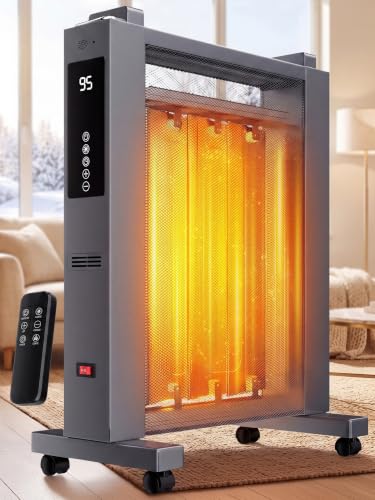
- BWP Score8.5
BWP Score is a ranking system developed by Bestwinterproducts.com. BWP score has no relationship or impact from any manufacturers or sales agent websites. Learn more
- BrandMEPTY
Last update on 2026-10-08 / Affiliate links / Images, Product Titles, and Product Highlights from Amazon Product Advertising API


Best Warm Winter Scarves 2026 For Cozy Comfort

Best Green Ski Goggles 2026 For Clear Vision On Slopes

12 Best Corner Electric Fireplace 2026: My Ultimate Guide To Pick One

Best Battery Powered Snow Blower 2026 For Effortless Snow Clearing

Best Ski Goggles Under 30 Inches For Crisp Vision And Comfort

Best Cooling Scarf 2026 For Instant Relief And Comfort

Fake Snow for Grass: Create a Realistic Winter Lawn Display

Dimplex Prism Wall Mount Fireplace: Sleek Heat With Modern Flame Style





