
Are Dyson Heaters Energy Efficient in 2026?

Check the power rating on the base before expecting lower monthly power bills. The reality is that no portable electric heater saves power on heat output alone, because every plug-in unit turns electricity into warmth at the exact same rate. These premium models will not create extra warmth out of thin air, but their accurate sensors can cut down wasted running time by turning off the second a space gets warm enough.
Actual energy savings depend entirely on daily habits and room setup. Setting an automatic target temperature so the heater cycles off helps rein in power draw, while running high heat non-stop will spike utility costs just like any basic box heater. Warming a single closed bedroom also keeps the fan from running endlessly in cold drafts. Here is how that power usage truly breaks down and how to keep running costs under control.
Why Dyson Heaters Draw the Same Power as Basic Space Heaters
To understand how a Dyson heater uses electricity, you have to look at the basic rules of electric heating in standard American homes. Nearly every portable electric space heater sold in the United States runs on a standard 120-volt electrical circuit. Under standard safety guidelines, these plug-in units max out at 1,500 watts of electrical power used on their highest heat setting. This draws roughly 12.5 amps of electrical current. Whether you buy a basic budget box heater or an expensive Dyson model, both machines draw that same 1,500 watts from your wall outlet when running at full capacity.
Electric space heaters rely on electric resistance heating, which means passing electric current through a heating element to create warmth. A ceramic heating element that warms up in seconds turns 100 percent of the electrical energy it uses directly into heat. No heat gets lost through exhaust flues or ducts like it does with a central gas furnace. Because electric resistance heating is already 100 percent efficient at turning power into warmth, no manufacturer can build an electric coil that creates extra heat out of thin air. One watt of electricity produces roughly 3.41 British Thermal Units (BTUs) of heat, regardless of what brand name sits on the plastic shell.
A common misunderstanding occurs when shoppers assume premium styling and higher prices reduce electrical draw. If you set a Dyson heater on its high heat setting and let it run continuously for five hours, it consumes 7.5 kilowatt-hours of electricity. A basic heater running on its 1,500-watt high heat setting for five hours consumes the exact same 7.5 kilowatt-hours. The wattage rating serves as the speedometer of your electric meter. Running full heat draws power at the same rate across every brand.
You can verify this electrical reality on the product rating label on the base of the machine. The label clearly specifies the voltage and wattage draw. In North America, household branch circuits prevent portable plug-in appliances from drawing more than 1,500 watts continuously. The real difference between heaters does not come from how much heat their heating elements produce per watt. The difference comes down to how the machine distributes warmth across your room and how accurately its internal sensors know when to turn the heat off.
How Air Circulation and Precise Thermostats Reduce Wasted Power
While raw heat output per watt is identical across all electric space heaters, the way a machine manages room air makes a major difference to your monthly power bill. Budget heaters often waste electricity through poor air movement and inaccurate temperature dials. This is where modern airflow and digital controls provide real practical value.
Basic space heaters typically use a small fan that pushes warm air across the room in a narrow beam. That heated air quickly floats upward toward the ceiling, leaving the floor and corners cold. Because warmth pools high above your head, you stay chilly and leave the heater running on high power. In contrast, Dyson fan heaters use Air Multiplier technology to pull in surrounding air and project warmth forward in a wide stream. Circulating air continuously mixes warm air with cold air, eliminating ceiling hot spots and warming your living space evenly. When you feel warmth sooner, you avoid pushing the heat setting higher.
The biggest factor in reducing electricity waste is temperature regulation. A basic heater usually relies on a simple mechanical dial that operates with a bending metal strip. These dials are notoriously inaccurate. They often allow room temperatures to drop several degrees below your comfort level before turning on, and then run continuously until the room becomes uncomfortably hot. Every extra minute a space heater runs past your desired comfort level wastes electricity that shows up on your utility bill.
Dyson heaters address this by using a digital temperature dial that clicks on and off to hold your set warmth. An internal ambient sensor continuously monitors room air. As soon as the room reaches your target degrees Fahrenheit, the unit shuts off the 1,500-watt ceramic element instantly. The machine then drops its power draw down to single-digit wattage to run the sensor and maintain gentle air monitoring. By shutting the heating element off once your target warmth is reached, an accurate digital thermostat prevents hours of wasted runtime.
Four Practical Ways to Run an Electric Heater Without Spiking Your Bill
Owning a fan heater with smart sensors is only the first step. How you place, set, and manage the unit in your home determines whether your electric bill stays under control. Follow these four practical habits to keep your space comfortable without wasting energy.
1. Practice true zone heating. Space heaters perform best when used for zone heating, which means warming only the single room you sit in rather than heating your entire house. The standard American sizing guideline is roughly 10 watts per square foot of living space. A 1,500-watt machine is designed to heat a closed 150 sq ft room, such as a bedroom or home office. When you enter that room, close the door to trap heat, and lower your central furnace thermostat by a few degrees. Do not attempt to heat open living areas or drafty rooms. If you need to warm drafty spaces like sunrooms, where choosing the best heater for enclosed porch areas is difficult due to rapid heat loss through glass, a portable space heater will run continuously at 1,500 watts without ever satisfying its thermostat.
2. Choose a moderate, steady temperature. Cranking the digital display up to 75°F or 80°F forces the heating element to run non-stop, drawing maximum power every minute it stays active. Set the temperature to a sensible, comfortable level, such as 68°F or 70°F. When you choose a reasonable target, the thermostat can actually reach that goal and shut the heating element down. Allowing the heater to cycle off for twenty to thirty minutes out of every hour cuts your power consumption by up to half compared to continuous operation.
3. Set up an unobstructed airflow path. Place the heater where its projected airflow can travel freely across the center of your living space. Never push the unit into a tight corner, under a desk, or behind furniture where the intake vents get blocked. Always follow the 3-foot safety buffer: maintain at least 3 feet (36 inches) of clear space between the heater and bedding, curtains, upholstered chairs, papers, and pets. Keeping clear space around the heater prevents fire hazards and allows the internal temperature sensor to read the true room temperature rather than trapped heat behind a sofa.
4. Plug directly into a dedicated wall outlet. A heater drawing 12.5 amps uses nearly all the capacity of a standard 15-amp household circuit breaker. If you run other appliances on the same circuit, the breaker can easily trip. Always plug your space heater directly into a wall outlet. Never plug a high-wattage heater into an extension cord, power strip, or surge protector. Those accessories are rarely rated for continuous 12.5-amp electrical loads, and they can overheat, melt, and spark electrical fires. If the wall outlet feels warm to the touch or your breaker trips repeatedly, turn the heater off immediately, unplug it, and consult a licensed electrician to inspect your wiring.
What to Check Before Choosing an Energy-Conscious Space Heater
Selecting an energy-conscious heater comes down to matching the heating method to your specific room layout and daily routine. A modern fan heater with automated sensors helps prevent unnecessary runtime in occupied rooms, but it cannot overcome poor insulation or oversized floor plans.
Use this quick checklist to confirm whether a smart fan heater matches your home heating needs:
- Enclosed room size: You plan to warm an insulated space up to 150 square feet with the door closed, such as a home office, bedroom, or nursery.
- Multi-season use: You want a single appliance that provides supplemental ceramic heat in winter and doubles as a room cooling fan in summer.
- Family safety needs: You need built-in safety protections, including a tip-over safety switch that cuts power instantly if the unit is knocked over or tilted, an automatic overheat sensor that shuts the unit off if internal parts get dangerously hot, and a design with no fast-spinning blades or exposed heating elements.
- Targeted temperature control: You prefer setting an exact target temperature on a digital display rather than guessing with an uncalibrated low-to-high knob.
If your heating challenge involves rugged spaces like unheated workshops, detached garages, or basements with cold concrete floors, a compact indoor fan heater is the wrong tool. In those high-draft environments, look into heavy-duty equipment like the units highlighted in our guide to the best electric heater for garage with thermostat controls, which are built with rugged metal housings and heavy-duty blowers to handle severe cold.
Before purchasing any supplemental heater to manage winter energy costs, check the product specifications on the box or label. Look for a certified safety mark from recognized testing organizations like UL, ETL, or CSA. Verify that the unit includes a digital thermostat that shuts the heating element down when target warmth is reached, rather than one that runs continuously. Finally, confirm that the model includes easily accessible air intake grilles so you can wipe away dust, ensuring the internal sensors continue to read room temperatures accurately year after year.
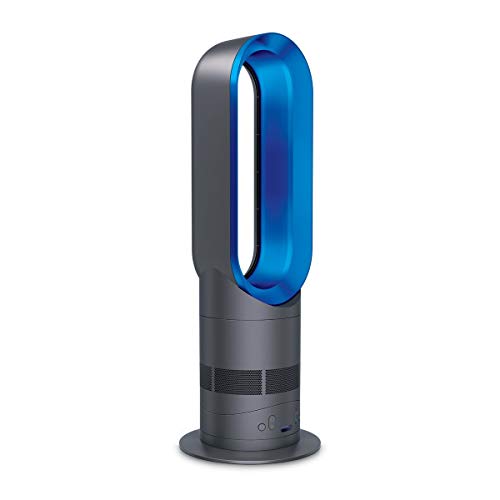
- BWP Score9.6
BWP Score is a ranking system developed by Bestwinterproducts.com. BWP score has no relationship or impact from any manufacturers or sales agent websites. Learn more
- BrandDyson

- BWP Score9.5
BWP Score is a ranking system developed by Bestwinterproducts.com. BWP score has no relationship or impact from any manufacturers or sales agent websites. Learn more
- BrandDyson

- BWP Score9.4
BWP Score is a ranking system developed by Bestwinterproducts.com. BWP score has no relationship or impact from any manufacturers or sales agent websites. Learn more
- BrandDyson

- BWP Score9.3
BWP Score is a ranking system developed by Bestwinterproducts.com. BWP score has no relationship or impact from any manufacturers or sales agent websites. Learn more
- BrandDyson

- BWP Score8.6
BWP Score is a ranking system developed by Bestwinterproducts.com. BWP score has no relationship or impact from any manufacturers or sales agent websites. Learn more
- BrandDyson

- BWP Score7.7
BWP Score is a ranking system developed by Bestwinterproducts.com. BWP score has no relationship or impact from any manufacturers or sales agent websites. Learn more
- BrandDyson
Last update on 2026-10-10 / Affiliate links / Images, Product Titles, and Product Highlights from Amazon Product Advertising API
FAQs
Does a Dyson heater use less electricity when running on cooling mode?
Yes, cooling fan mode uses a small fraction of the power required for heating. When you switch to cooling mode, the machine turns off the 1,500-watt ceramic heating element completely and powers only the internal fan motor. That motor uses minimal electricity, drawing power comparable to an efficient household fan, which makes it very economical to run during warmer months.
Can running a portable space heater lower my overall heating bill?
A portable heater lowers your heating bill only if you practice disciplined zone heating. You must turn down your central furnace thermostat by several degrees for the whole home and use the portable heater to warm only the specific room you occupy. If you leave your central thermostat at its usual setting and run a 1,500-watt heater at the same time, your total monthly energy bill will increase.
How quickly does a fan heater warm up a standard bedroom?
A fan heater with broad air projection can raise the temperature of a closed 150 square foot bedroom within minutes. Fast air circulation pushes warmth across the floor plan quickly, and some modern fan heaters can raise room temperatures by one degree in as little as three minutes. The exact warmup time depends on your ceiling height, how well your windows are sealed, and the starting temperature of the room.


Best Warm Winter Scarves 2026 For Cozy Comfort

Best Green Ski Goggles 2026 For Clear Vision On Slopes

12 Best Corner Electric Fireplace 2026: My Ultimate Guide To Pick One

Best Battery Powered Snow Blower 2026 For Effortless Snow Clearing

Best Ski Goggles Under 30 Inches For Crisp Vision And Comfort

Best Cooling Scarf 2026 For Instant Relief And Comfort

Fake Snow for Grass: Create a Realistic Winter Lawn Display

Dimplex Prism Wall Mount Fireplace: Sleek Heat With Modern Flame Style





