
Are Electric Fireplaces Safer Than Space Heaters?

Most people assume electric fireplaces are just decorative furniture with zero fire risk, while portable space heaters are the dangerous option. In reality, electric fireplaces are physically safer in daily life, even though both share the same heating parts inside. A fireplace uses the exact same blower system found in a standard floor heater. The big advantage is stability. Because electric fireplaces are built into heavy mantels or mounted to walls, running pets and busy toddlers cannot easily knock them flat.
Safety also depends on outer materials and how you plug them in. Most fireplace units feature viewing glass that stays cool to the touch, while portable heaters rely on exposed metal grates that can burn skin on contact. But because both pull identical electrical power, either one can overheat a crowded wall outlet. Here is how their physical stability, burn risks, and household electrical loads compare side by side.
The Guts Inside: Why Both Heaters Share the Same Internal Fire Risks
Strip away the faux wood mantels and modern plastic shells, and an electric fireplace operates almost identically to a portable space heater. Both appliances generate warmth through electric resistance. Electricity flows from your wall outlet into an internal element, usually a ceramic heating element that warms up in seconds or a set of metal resistance coils. As that element heats up, a small fan pushes warm air across the room to raise the ambient temperature. In both cases, the core machinery creating the warmth relies on the exact same principles.
Because their internal heating systems are so similar, both units carry identical internal fire risks. If the motor driving the blower fan gathers dust and seizes, heat builds up inside the housing in seconds. If pet hair or household lint coats the heating element, that debris can smolder and ignite. Both designs rely on an automatic overheat sensor that shuts the unit off if internal parts get dangerously hot. If that internal safety switch fails or becomes coated in grime, neither appliance is inherently safer than the other on an internal mechanical level.
Power consumption is also identical across both categories. Standard household models in the United States operate on 120-volt circuits and pull up to 1,500 watts on their high heat setting. That draw translates to roughly 12.5 amps of continuous electrical current flowing through internal wiring, switches, and power cords. Whether that 1,500-watt draw feeds a $30 portable plastic tower or a handsome faux-stone fireplace cabinet, the heat generated inside the wiring harness is the exact same. Mechanically speaking, an electric fireplace is simply a space heater installed inside decorative furniture.
The shared internal mechanics also mean both units require the same basic seasonal care. If you store either unit in a closet or garage through the warm summer months, dust settles across the heating elements. The first time you switch the unit on in the autumn, you will likely notice a faint burning odor as that dust burns off. Keeping the internal fans and air intake grilles clear of dust bunnies and pet fur is just as essential for an electric fireplace as it is for any basic portable heater.
Physical Stability: Comparing Tip-Over Risks Around Kids and Pets
The first major safety difference between these two heaters is physical stability. Standard space heaters, particularly tall oscillating tower heaters and lightweight ceramic cubes, have a small footprint and a high center of gravity. A bounding dog chasing a tennis ball, an energetic toddler, or a vacuum cleaner cord catching a plastic foot can send a portable space heater tumbling across the carpet in an instant. When a heater falls face-down against a rug, the trapped heat can scorch the fibers in minutes.
Most portable space heaters include a tip-over safety switch that cuts power instantly if the unit is knocked over or tilted. This switch is often a small weighted lever or mechanical ball bearing on the base that opens the electrical circuit when the heater leaves an upright position. While these switches work well, mechanical parts can fail, stick, or get jammed by dust over years of storage. Even if the switch shuts off power immediately, the ceramic stone or metal heating coils stay scalding hot for several minutes after losing electricity, creating a brief but dangerous contact hazard on soft floor coverings.
Electric fireplaces offer far better physical stability simply because of their weight, broad footprint, and furniture-style construction. Freestanding electric stove heaters and mantel packages have wide, heavy bases that sit flat against hard floors or low-pile rugs. Many freestanding models weigh anywhere from 15 to 30 pounds, while full-sized mantel consoles weigh even more. It takes deliberate, heavy force to tip over a wide cabinet fireplace compared to a lightweight three-pound space heater.
Wall-mounted and recessed electric fireplaces eliminate tip-over hazards entirely. Because they anchor directly into wall studs with heavy-duty brackets, active children and curious pets cannot knock them down regardless of how hard they play in the room. For busy households with toddlers learning to walk or large pets with wagging tails, the sheer mass and secure mounting of an electric fireplace make it physically far safer than a lightweight portable heater resting on the floor.
Surface Temperatures: Contact Burn Risks on Glass Versus Metal Grilles
Contact burns are a frequent fear for parents and pet owners using supplemental heat. Standard space heaters push warm air through an exposed metal grille that sits directly in front of the glowing heating coils. After twenty minutes of running on high, that metal grille reaches scorching temperatures. A curious toddler who reaches out to touch the red glow, or a sleeping cat that snuggles too close to the front of the unit, can suffer severe skin burns within a fraction of a second.
Electric fireplaces approach heat discharge differently, creating a much safer exterior for households with small children. The front viewing window that displays the simulated flames is separate from the heating chamber. The lifelike flame illusion is created using low-heat LED bulbs, spinning reflector mirrors, and resin logs sealed behind glass. Because the visual fire produces virtually no heat of its own, the large front glass panel stays cool to the touch even after hours of continuous operation.
The warmth from an electric fireplace discharges through a dedicated vent that is usually recessed above or below the main viewing window. While the narrow louvers on this discharge vent do get hot, they are placed well out of the natural sightline of curious children. When kids see the realistic flames dancing behind the glass, their natural instinct is to place their palms flat against the front window. On an electric fireplace, that front glass remains completely safe for little hands and wet pet noses to touch.
This separation of the visual display from the heat vent also helps protect surrounding household items. When a space heater sits on the floor, its entire front face radiates heat outwards at carpet level, where dropped toys, pet blankets, or loose clothing can easily press against the hot metal screen. Electric fireplaces elevate the heating discharge off the floor level, keeping the hot airflow away from stray laundry or low-lying toddler clutter.
Electrical Demands: What 1,500 Watts Means for Household Wiring
While electric fireplaces are physically harder to knock over and cooler to touch, they demand the exact same electrical respect as any high-draw portable appliance. Running any 1,500-watt heating appliance puts a continuous load on your home electrical panel. Before adding supplemental heat to any living room or bedroom, run through this household electrical checklist to prevent damaged wiring or tripped breakers:
- Check the circuit amp rating: Standard bedroom and living room circuits in American homes are rated for 15 amps at 120 volts, providing a total threshold of 1,800 watts. Electrical safety codes recommend never exceeding 80 percent of a circuit capacity for continuous loads, which sets the safe continuous limit at 1,440 watts. Running a 1,500-watt heater on its high setting pushes that circuit right to its safe threshold.
- Verify what else shares the circuit: A circuit breaker controls several outlets across one or two rooms, not just the single receptacle you are using. If your electric fireplace shares a branch circuit with a gaming computer, a television sound system, or a kitchen microwave, turning the heater on high will instantly trip the breaker. For rooms with limited power flexibility, such as when reviewing heaters designed for mobile homes, choosing a unit with a 750-watt low setting helps avoid nuisance breaker trips.
- Ban extension cords and power strips: Never plug an electric fireplace or a space heater into an extension cord, surge protector, or multi-plug wall adapter. Standard household extension cords and plastic power strips are built for light electronics like lamps and chargers. Under a continuous 12.5-amp heater load, thin extension cords heat up rapidly, softening the plastic insulation and creating severe fire risks inside your living space.
- Inspect the wall outlet for physical wear: Push the heater plug firmly into the wall outlet. The prongs should slide in with noticeable resistance and sit tight against the wall plate. If the plug wiggles, sags downward, or slides out with minimal effort, the metal contacts inside the wall box are worn out. Loose electrical contacts create high resistance, which generates intense heat directly inside your drywall.
- Feel the wall plate during the first hour: After your heater has been running for roughly thirty to forty minutes, gently place your palm flat against the plastic wall plate surrounding the outlet. The plate may feel faintly warm, which is normal for heavy power draws. If the plastic feels uncomfortably hot to the touch, or if you detect a fishy, melting-plastic odor, shut the heater off immediately and leave it unplugged until a licensed electrician inspects the receptacle.
Safe Daily Operation: Five Rules for Running Supplemental Heat
Operating supplemental heat safely comes down to consistent daily habits. Whether you choose a freestanding electric fireplace or a compact portable unit, follow these five steps to protect your home and family from preventable hazards.
- Maintain a strict 3-foot safety buffer around the unit.
Keep all furniture, throw blankets, curtains, pet beds, and loose paper at least 36 inches away from the front, sides, and top of the heater. This clear space ensures that radiant heat never warms combustible fabrics to their ignition point and guarantees open airflow across the room. If you are heating an active family room or trying out a heater to warm drafty spaces, use physical furniture boundaries to keep soft furnishings outside this 3-foot safety perimeter. - Plug the cord directly into a grounded wall receptacle.
Always insert the heavy-duty power plug directly into a permanent wall outlet without using splitters, timer plugs, or surge protectors. Dedicated wall connections prevent the dangerous resistance spikes that happen when heavy electric current passes through weak secondary connections. - Clean the air intake louvers and exhaust vents monthly.
Unplug the heater, allow it to cool completely, and use a soft brush attachment on your vacuum cleaner to pull dust, hair, and cobwebs out of the vent grilles. Keeping these channels clear prevents the internal ceramic heating element from suffocating, which stops the automatic overheat sensor from cycling the unit off unnecessarily. - Shut the heating element off when leaving the room or sleeping.
Never leave supplemental heating elements running unattended while you are asleep or out of the house. While the flame-only effect on an electric fireplace is completely safe to leave running as a nightlight, the 1,500-watt heating blower should only run while an adult is awake and present in the room to monitor room conditions. - Check the plug prongs and power cord for discoloration every few weeks.
Unplug the appliance periodically and examine the brass prongs and the full length of the black rubber cord. Look for bent prongs, scorch marks, melted rubber, or stiff sections along the wire. Discoloration indicates excessive electrical heat, signaling that either the wall outlet or the heater internal cord connection needs professional replacement before further use.
Choosing the Right Supplemental Heater for Your Living Space
If you want the cozy look of a hearth alongside reliable safety for a busy family room, a freestanding electric fireplace is generally the superior choice over a basic portable space heater. The extra cabinet weight, wider stance, and cool-touch viewing glass make it remarkably difficult for pets or kids to cause an accident. Before purchasing an electric fireplace, consider the layout of your room and the physical needs of your household.
Start by checking the location of the heat exhaust vent on the fireplace cabinet. If you have thick carpeting or plush area rugs, look for a model that discharges heat from the top or upper face of the unit rather than along the bottom edge. Upper vents keep the hot airflow well away from carpet fibers and prevent curious crawling babies from reaching the warmest metal components. If you plan to install a wall-mounted model below a flat-screen television, check the manufacturer instructions for required vertical clearance so rising hot air does not damage the television electronics.
Always verify safety certifications on the product rating label located on the back or underside of the unit. Look for recognized marks from independent safety testing organizations, such as UL (Underwriters Laboratories) or ETL (Intertek). These marks confirm that the appliance includes an automatic overheat sensor and meets strict electrical construction standards. If you opt for a compact, vintage-style stove heater that sits directly on the floor, verify that it includes an internal tip-over safety switch in case an energetic pet bumps into it.
Finally, look for units that offer dual heat settings, such as a 750-watt low mode alongside the standard 1,500-watt high mode. Running the unit on its lower power level allows you to maintain steady, comfortable warmth while cutting electrical strain on older home wiring in half. Models with a digital temperature dial that clicks on and off automatically also prevent the room from overheating, giving you consistent comfort without unnecessary electrical draw.

- BWP Score9.2
BWP Score is a ranking system developed by Bestwinterproducts.com. BWP score has no relationship or impact from any manufacturers or sales agent websites. Learn more
- BrandFOFOJÔY

- BWP Score9.6
BWP Score is a ranking system developed by Bestwinterproducts.com. BWP score has no relationship or impact from any manufacturers or sales agent websites. Learn more
- BrandSilonn

- BWP Score8.6
BWP Score is a ranking system developed by Bestwinterproducts.com. BWP score has no relationship or impact from any manufacturers or sales agent websites. Learn more
- Brandshinic

- BWP Score9.1
BWP Score is a ranking system developed by Bestwinterproducts.com. BWP score has no relationship or impact from any manufacturers or sales agent websites. Learn more
- BrandTechni Home

- BWP Score8.6
BWP Score is a ranking system developed by Bestwinterproducts.com. BWP score has no relationship or impact from any manufacturers or sales agent websites. Learn more
- BrandZJFLNZYC

- BWP Score7.8
BWP Score is a ranking system developed by Bestwinterproducts.com. BWP score has no relationship or impact from any manufacturers or sales agent websites. Learn more
- BrandZAFRO
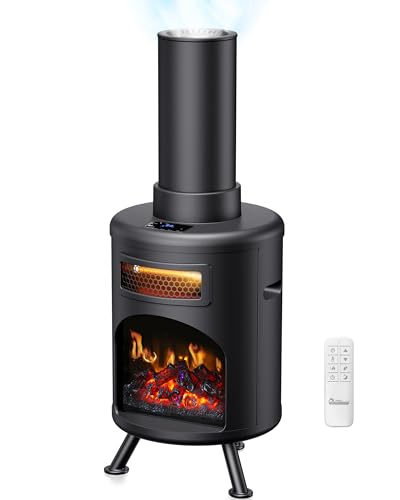
- BWP Score8.4
BWP Score is a ranking system developed by Bestwinterproducts.com. BWP score has no relationship or impact from any manufacturers or sales agent websites. Learn more
- BrandDR. INFRARED HEATER
Last update on 2026-10-08 / Affiliate links / Images, Product Titles, and Product Highlights from Amazon Product Advertising API
Frequently Asked Questions
Can an electric fireplace catch on fire?
Yes, an electric fireplace can cause a fire if it is used improperly, although the risk is identical to that of any standard space heater. Fires typically start when owners plug the unit into an undersized extension cord or power strip, which overheats and ignites surrounding materials. Fires can also occur if combustible items like blankets or curtains are placed directly against the hot heat exhaust vent, blocking internal airflow.
Is the front glass on an electric fireplace safe for pets to touch?
Yes, the front viewing glass on almost all electric fireplaces remains cool to the touch during operation. The dancing flame visual is produced by low-voltage LED lights and rotating metal mirrors sealed behind the glass, which generate virtually zero warmth. The actual heat blows out through a separate, recessed metal vent located above or below the viewing glass, keeping curious paws and wet noses safe from contact burns.
Can you leave an electric fireplace on all night while sleeping?
You can safely leave the decorative flame effect on all night, but you should turn off the heating element before falling asleep. Running a 1,500-watt heating element unattended overnight increases fire risks if a blanket accidentally falls near the vent or if an older wall outlet begins to overheat behind furniture. For safe overnight sleeping comfort, use your central home heating system or an electric blanket with an automatic shutoff timer.
Does an electric fireplace use more electricity than a traditional space heater?
No, an electric fireplace uses the exact same amount of electricity as a standard space heater. Both appliances draw a maximum of 1,500 watts on their high heat setting, which translates to roughly 12.5 amps of electrical current. The LED lighting used to create the flame effect in a fireplace draws a negligible amount of additional power, usually between 10 and 30 watts, which has virtually no impact on your monthly electric bill.


Best Warm Winter Scarves 2026 For Cozy Comfort

Best Green Ski Goggles 2026 For Clear Vision On Slopes

12 Best Corner Electric Fireplace 2026: My Ultimate Guide To Pick One

Best Battery Powered Snow Blower 2026 For Effortless Snow Clearing

Best Ski Goggles Under 30 Inches For Crisp Vision And Comfort

Best Cooling Scarf 2026 For Instant Relief And Comfort

Fake Snow for Grass: Create a Realistic Winter Lawn Display

Dimplex Prism Wall Mount Fireplace: Sleek Heat With Modern Flame Style





