
Are Electric Heaters Safe for Older Homes?

There is no need to worry about freezing through the winter just because a house has vintage wiring. Electric heaters are safe for older homes as long as the heat settings match what the walls can handle. Older wiring loops often run on 15-amp safety limits, which easily become strained if a heater pulls too much electricity on high.
Safety really comes down to three details. The first is whether wall sockets have a third hole for grounding (a safety path that drains stray current). The second is choosing a unit with a low-power setting, like 750 watts, instead of running only at maximum blast. Finally, other devices sharing that same line matter, because a television or lamp on the same loop can trigger a switch. A few quick checks will show how to stay warm without stressing aging wires.
Why Does Older Wiring Struggle With Electric Heaters?
Older homes have plenty of charm, but their electrical systems were designed for a different time. Decades ago, a house only needed to power a few table lamps, a small radio, and a refrigerator. Today, a single portable space heater can pull more electricity than an entire room was built to handle.
Your home distributes power through separate paths called circuits (a wiring loop feeding multiple outlets and lights across one or more rooms). In many older houses, these circuits are rated for 15 amps. When you run a standard portable heater on high, it draws 1,500 watts (electrical power drawn by the heater). On standard 120-volt household current, that 1,500-watt load equals about 12.5 amps.
That leaves under 3 amps of spare capacity on the circuit. If an overhead light is on or a television is running on the same loop, the total draw passes 15 amps. When that happens, the breaker (a safety switch that cuts power when overloaded) snaps off. In a house with a vintage fuse box, the thin metal strip inside the screw-in glass fuse melts and blows out.
The larger concern is hidden inside your walls. Modern houses use thick copper wiring with heat-resistant plastic shielding. Older homes often rely on aging cloth-wrapped wire or knob-and-tube wiring. Drawing heavy electrical current through old wires for hours generates heat. If the insulation has deteriorated over decades, that heat can dry out framing wood and create a serious fire hazard.
What Should You Check Before Plugging A Heater In?
Take ten minutes to inspect your room and electrical panel before setting up a space heater. A simple visual check will reveal whether your wiring can safely handle the load.
Look closely at your wall socket. Check whether the room has a grounded outlet (a three-prong socket with a safety ground wire that directs stray electricity safely into the earth). Many homes built before 1960 only feature two-prong outlets, meaning the circuit lacks a modern safety ground path.
Next, look over the outlet face and the panel:
- Check for loose socket grips: Plug a lamp into the outlet. If the plug slips out easily or wiggles loosely, the internal metal contacts are worn out. Loose contacts create electrical resistance, which produces dangerous heat.
- Look for surface discoloration: Inspect the faceplate for yellowing, brown scorch marks, or hairline cracks. Any darkening around the slots shows that the outlet has overheated in the past.
- Map the circuit loop: Switch off the breaker or unscrew the fuse for the room. Walk through the house to test which lights and outlets go dark. You might discover that one circuit covers two bedrooms and a hallway.
- Check your electrical panel: See if your box uses toggle switches or screw-in glass fuses. Glass fuse boxes work when maintained, but they require extra caution so you never use oversized fuses on thin wires.
Which Electric Heater Type Works Best In Older Rooms?
Different electric heater types produce and distribute warmth in distinct ways. Choosing the right design helps you stay warm without pushing older home wiring to its limit.
A ceramic heater uses a ceramic heating element that warms up in seconds with a small fan that pushes warm air across the room. These units are compact and warm small spots fast. But in drafty rooms with high ceilings, hot air rises quickly toward the ceiling, leaving living areas chilly. This forces the unit to run continuously on high power, putting steady stress on old wall wires.
An infrared heater provides gentle heat that warms people and furniture directly like sunlight. It warms surfaces rather than heating large volumes of drafty air. Radiant heat travels straight to your body, your couch, and the floor. This makes infrared units effective for older spaces with leaky window frames. If your space suffers from chilly drafts, take a look at our guide on choosing a heater built to warm drafty spaces.
An oil-filled radiator is a silent radiator heater that circulates steady, lasting warmth through liquid-filled metal fins. The fluid takes fifteen to twenty minutes to warm up, but it retains heat for a long time. Once the unit reaches temperature, the heating element shuts off while the oil continues radiating warmth into the room. That cycling action gives your home wiring regular breaks.
How Do You Run Electric Heat Without Tripping Breakers?
You can run electric heat safely in an older house by sticking to practical habits that prevent electrical overload.
- Plug directly into the wall: Never plug a space heater into an extension cord, power strip, or surge protector. Most extension cords use thin wiring that overheats under a 12.5-amp continuous draw, which can melt insulation and spark a fire.
- Use the low heat setting: Most portable heaters offer a low power level of 750 or 900 watts alongside the 1,500-watt high mode. Running on Low cuts current draw down to roughly 6 to 7.5 amps, leaving safe headroom on a 15-amp circuit.
- Keep a 3-foot safety buffer: Maintain at least 3 feet (36 inches) of open space around the heater. Keep it away from curtains, bedspreads, upholstered furniture, and paper.
- Move other heavy appliances to another circuit: Do not run a vacuum cleaner, iron, or hair dryer on the same wiring loop while the heater is operating.
- Use the built-in thermostat: Adjust the digital temperature dial or turn the thermostat knob so the heater cycles off when the room reaches a comfortable level. Choosing a unit designed for steady warmth prevents the unit from drawing maximum current without interruption.
What Warning Signs Mean You Should Unplug Right Away?
Older wiring often gives clear warning signs before an electrical failure happens. Pay close attention to your outlets, switches, and walls while running supplemental heat.
Turn off and unplug your heater immediately if you notice any of these red flags:
- A hot wall faceplate: Place your hand on the outlet plate after the heater runs for twenty minutes. It should feel completely cool. If the cover plate or the plug prongs feel hot, shut the heater down.
- A fishy or burning chemical odor: Overheated wiring insulation and outlet plastic smell like burning plastic or spoiled fish. If you notice an acrid smell near an outlet, cut power at once.
- Flickering or dimming lights: If ceiling lights dim when the heater kicks on, the circuit is struggling under the electrical load.
- Scorch marks or soot: Any browning or black soot around socket prongs indicates electrical arcing inside the wall box.
- Buzzing or sizzling sounds: Electricity should run silently. Any crackling, humming, or popping behind the baseboard indicates loose wire connections.
If you see or smell any of these warning signs, keep the heater unplugged, turn off the breaker for that circuit, and contact a licensed electrician.
What Features Should You Look For In An Older Home?
Shopping for an electric heater for an older house means prioritizing electrical balance over raw heating output.
Select a model that includes a dependable low-wattage setting, such as 750W or 800W. This feature keeps the power draw well within safe limits for vintage 15-amp circuits. Look for vital protection features, including an automatic overheat sensor that shuts the unit off if internal parts get dangerously hot, along with a tip-over safety switch that cuts power instantly if the unit is knocked over or tilted.
Make sure the product label displays a recognized US safety certification mark, like UL, ETL, or CSA. Models with adjustable thermostats and automatic timers are especially useful because they stop drawing current once your room reaches your preferred temperature.

- BWP Score8.3
BWP Score is a ranking system developed by Bestwinterproducts.com. BWP score has no relationship or impact from any manufacturers or sales agent websites. Learn more
- BrandDura Heat
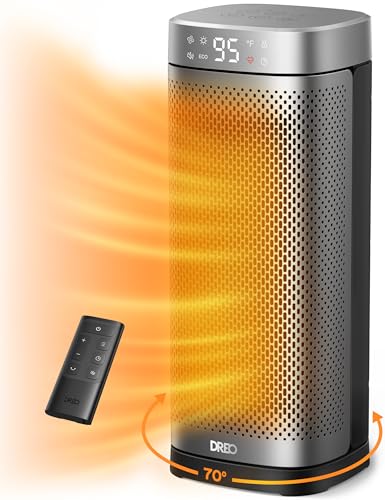
- BWP Score7.1
BWP Score is a ranking system developed by Bestwinterproducts.com. BWP score has no relationship or impact from any manufacturers or sales agent websites. Learn more
- BrandDREO
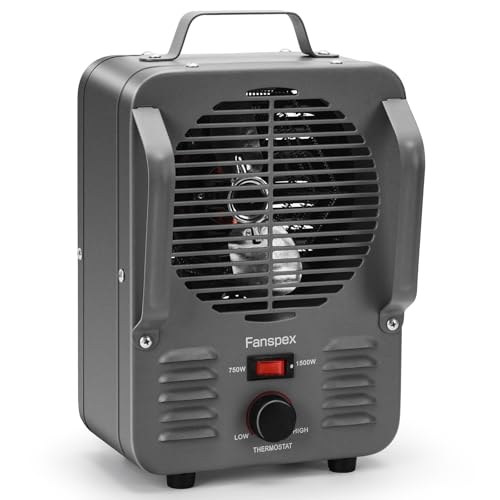
- BWP Score9.4
BWP Score is a ranking system developed by Bestwinterproducts.com. BWP score has no relationship or impact from any manufacturers or sales agent websites. Learn more
- BrandFanspex

- BWP Score9.3
BWP Score is a ranking system developed by Bestwinterproducts.com. BWP score has no relationship or impact from any manufacturers or sales agent websites. Learn more
- BrandSlkdrft

- BWP Score9.2
BWP Score is a ranking system developed by Bestwinterproducts.com. BWP score has no relationship or impact from any manufacturers or sales agent websites. Learn more
- BrandFLANUR
Last update on 2026-10-06 / Affiliate links / Images, Product Titles, and Product Highlights from Amazon Product Advertising API
FAQs
Will a 1500-watt heater blow my fuses or trip breakers?
A 1,500-watt heater draws about 12.5 amps on a standard household line. When plugged into a 15-amp circuit that already powers lights or other electronics, the combined draw often passes the 15-amp limit and trips the breaker or blows a fuse. Running the unit on its 750-watt low setting helps keep total electrical demand within safe boundaries.
Can you safely use a three-prong adapter on an old outlet?
Using a three-prong adapter on an ungrounded two-prong outlet is not safe for high-draw appliances like space heaters. These adapters only provide grounding if the small metal lug connects to a grounded metal box, which vintage homes rarely have. Without a true ground path, an electrical short can send live current through the metal housing of the heater.
How can you tell if a wall outlet is getting dangerously hot?
Place your palm against the wall plate after the heater has run for fifteen minutes. The cover should feel cool or barely lukewarm. If the plastic plate is hot to the touch, if the plug prongs feel soft when pulled out, or if you smell melting plastic, disconnect the unit immediately.
Can you leave a portable space heater running overnight in an older house?
Leaving a portable heater running unattended while sleeping in an older house is not recommended. Vintage wires behind plaster walls can slowly overheat over hours of continuous use without tripping an old fuse. It is far safer to warm the bedroom before bed, shut the unit off, and rely on heavy blankets overnight.


Best Warm Winter Scarves 2026 For Cozy Comfort

Best Green Ski Goggles 2026 For Clear Vision On Slopes

12 Best Corner Electric Fireplace 2026: My Ultimate Guide To Pick One

Best Battery Powered Snow Blower 2026 For Effortless Snow Clearing

Best Ski Goggles Under 30 Inches For Crisp Vision And Comfort

Best Cooling Scarf 2026 For Instant Relief And Comfort

Fake Snow for Grass: Create a Realistic Winter Lawn Display

Dimplex Prism Wall Mount Fireplace: Sleek Heat With Modern Flame Style





