
Are Electric Water Heaters 110 or 220 Volts?

A homeowner stands in a chilly utility closet with a flashlight, squinting at the metal sticker on an old tank before ordering a replacement. The short answer is that standard whole-house electric water heaters use 220 volts, while small point-of-use models run on 110 volts.
Which voltage you need depends on how much water you use and what your electrical panel can support. Running a shower or a washing machine takes serious heating power that requires a dedicated 220-volt line with a double-wide switch. Warming a quick stream of water at an office or garage sink only takes a compact 110-volt tank that plugs into a regular household socket. Knowing how to spot the difference keeps you from buying a unit your home cannot power.
Why Voltage Matters: Whole-House Power Versus Single-Sink Demand
Every electric water heater needs power to heat water, but the amount of power it requires depends entirely on how much hot water you expect it to deliver. In standard American homes, electricity comes into your main panel as split-phase power. This setup gives you two levels of electrical strength: standard 110-volt power (often written as 115V or 120V) for ordinary household items, and heavy-duty 220-volt power (often written as 230V or 240V) for large, energy-hungry appliances.
Standard whole-house water heaters almost always run on 220 volts. Heating 40, 50, or 80 gallons of cold ground water up to a comfortable temperature takes a massive amount of energy. When two family members take back-to-back showers while the dishwasher runs in the kitchen, the water heater must heat dozens of gallons of fresh water within minutes. A 220-volt circuit delivers the electrical strength needed to power large 4,500-watt heating elements. If a whole-house tank tried to pull that much energy from a standard 110-volt circuit, the electrical wires inside your walls would quickly overheat and trip the breaker.
On the other hand, 110-volt electric water heaters are designed for point-of-use jobs. Point-of-use means the heater sits right beside the fixture it serves, such as tucked inside a cabinet directly beneath a bathroom sink. These compact units do not try to supply hot water to an entire house. Instead, they heat just enough water for washing your hands, rinsing a coffee mug, or shaving. Because their heating elements usually draw around 1,440 to 1,500 watts, they can safely run on standard household wall circuits without requiring expensive new electrical lines.
Understanding this distinction helps you avoid costly plumbing and electrical mistakes. If you are adding a sink to a garage workshop, an outbuilding, or a detached studio, a compact 110-volt heater lets you get warm water without upgrading your electrical panel. But if you are replacing the main water heater that feeds your household showers, bathtubs, and laundry, you will almost certainly need a 220-volt model. In smaller manufactured dwellings or modular spaces, choosing a specialized heater for mobile home setups often involves similar electrical checks to ensure your power panel can handle the load.
How to Identify Your Voltage on the Tank Label and Breaker Box
Before you purchase a replacement water heater or disconnect any plumbing, you need to verify the exact voltage running to your current setup. Guessing based on the size of the tank is never safe, because some small tanks use high voltage and some older tanks have unusual wiring. You can confirm your current voltage in just a few minutes by checking two specific spots in your home.
First, inspect the data label on your current water heater by following these steps:
- Locate the metal rating plate or factory sticker. Every certified water heater has a data label attached to the outer jacket. It is usually placed on the side of the tank near the upper access panel, or near the water inlet connections.
- Find the electrical rating section. Look for the line labeled "VOLTS", "VAC", or "V". If the label lists 240V, 220V, or 208V, your unit operates on heavy-duty power. If the label lists 120V or 110V, it runs on standard household current.
- Check the wattage rating. The label will also list the wattage (marked as "W" or "WATTS"). Whole-house 220-volt tanks usually show numbers like 3,800W, 4,500W, or 5,500W. Point-of-use 110-volt tanks typically show 1,440W or 1,500W.
- Look at the electrical connection type. Check how the heater connects to your home. If a thick, metal-clad cable or gray conduit runs straight from the wall into a junction box on top of the tank with no plug, the unit is hardwired (connected directly to house wires without a wall plug). Most hardwired units run on 220 volts. If the unit has a flexible rubber cord that plugs directly into a standard three-prong wall outlet, it runs on 110 volts.
Second, verify the circuit at your main breaker panel. The breaker panel is the metal cabinet on the wall in your garage, basement, or utility closet that contains the safety switches for your home. Open the panel door and look at the plastic switches. A single-pole breaker (a single narrow switch, about one inch wide) supplies 110-volt power. A double-pole breaker (a double-wide switch that controls two electrical lines at once) takes up two slots and has two switch handles tied together with a plastic or metal bar. If the switch labeled "Water Heater" is a double-wide switch with joined handles, your heater runs on 220 volts.
What a 110V Unit Can Handle and the Danger of Incorrect Voltage
A common question from homeowners is whether a small 110-volt heater can supply enough hot water for a shower. The short answer is no. A standard shower head uses between 1.5 and 2.5 gallons of water every minute. A 110-volt heater simply cannot produce heat fast enough to warm that rushing stream of cold water. Even if you install a 110-volt mini-tank unit, a 4-gallon tank will run completely cold in less than two minutes of showering. If you install a 110-volt tankless unit, the water will barely turn lukewarm in the summer and will stay ice-cold during winter months.
To avoid frustration, keep your expectations realistic about where 110-volt units succeed and where they fail:
- Single bathroom vanity sinks: Perfect for washing hands, brushing teeth, and face washing.
- Kitchenettes and wet bars: Ideal for rinsing glassware and wiping down counters.
- Garage and workshop utility sinks: Great for washing greasy hands and cleaning tools without running long plumbing pipes from the basement.
- Mobile setups and campers: Excellent for compact living spaces or a dedicated heater for van life where electrical power is strictly limited to standard household outlets or small generators.
- Full showers and bathtubs: Unsuitable for 110-volt power. You must use a 220-volt water heater to get continuous, hot shower water.
- Simultaneous fixtures: Unsuitable for running a sink and a washing machine at the same time.
Connecting a water heater to the wrong voltage creates immediate hazards. If you connect a 110-volt water heater to a 220-volt circuit, you deliver double the voltage the appliance was engineered to handle. This causes the internal heating element to pull four times its rated power. Within seconds, the element will overheat, burn out with a loud pop, and potentially melt internal wiring or spark a fire in your home.
Connecting a 220-volt water heater to a 110-volt circuit causes the opposite problem. The appliance will only produce about one-fourth of its intended heat output. The water inside the tank will take hours to warm up, never reaching a safe or comfortable temperature. The unit will run continuously as it struggles to satisfy the thermostat, wasting energy while leaving your household with cold water.
Always stop and call a licensed electrician if your project involves changing voltages. If you currently have a 110-volt outlet but want to install a full-sized 220-volt heater, an electrician must run a brand-new, thick cable from your main electrical panel and install a dedicated double-pole breaker. You should also call a professional if your electrical panel is full, if any switches feel hot to the touch, or if your home still uses an older fuse box with screw-in glass fuses.
Choosing the Right Compact Water Heater for Your Power Setup
When you need hot water at a remote sink and only have standard household wall outlets available, a compact point-of-use electric water heater is the most practical solution. These units eliminate the long wait for hot water to travel through dozens of feet of cold pipes from your central basement tank. Before you select a model, evaluate your physical space, your available power, and how you plan to use the faucet.
You can choose between mini-tank heaters and point-of-use tankless heaters. Mini-tank models store between 2.5 and 4 gallons of water in a small, insulated reservoir under your sink. They keep this small volume hot around the clock using a gentle 1,440-watt or 1,500-watt heating element. When you open the faucet, warm water flows instantly with zero delay. Point-of-use tankless models do not store water; they activate only when you turn on the tap. However, because 110-volt tankless units have limited power, they work best in warm climates where the incoming groundwater is already mild.
Check your electrical circuit capacity before adding any compact heater to your home. A typical 1,500-watt mini-tank draws about 12.5 amps of electricity. Most standard household circuits are rated for 15 amps total. If your under-sink outlet shares an electrical line with a microwave, an electric kettle, a toaster, or a portable space heater, running both appliances at the same time will trip the breaker. For safe and reliable operation, your water heater should ideally plug into an outlet on a dedicated circuit that does not share heavy electrical loads with other appliances.
Finally, measure your cabinet dimensions carefully before ordering. Make sure to account for the space taken up by existing drain pipes, shutoff valves, and water supply lines. Mini-tank water heaters require several inches of extra clearance around the top and sides so you can easily access the temperature dial and connect the safety pressure relief valve. Confirming your measurements and checking your wall outlets beforehand ensures a smooth installation that provides reliable warm water whenever you need it.

- BWP Score9.7
BWP Score is a ranking system developed by Bestwinterproducts.com. BWP score has no relationship or impact from any manufacturers or sales agent websites. Learn more
- BrandYONOOQ

- BWP Score9.6
BWP Score is a ranking system developed by Bestwinterproducts.com. BWP score has no relationship or impact from any manufacturers or sales agent websites. Learn more
- Brandxwdzswgs

- BWP Score8.5
BWP Score is a ranking system developed by Bestwinterproducts.com. BWP score has no relationship or impact from any manufacturers or sales agent websites. Learn more
- BrandECOAPTUNIT

- BWP Score7.8
BWP Score is a ranking system developed by Bestwinterproducts.com. BWP score has no relationship or impact from any manufacturers or sales agent websites. Learn more
- BrandLFEVTZ

- BWP Score7.6
BWP Score is a ranking system developed by Bestwinterproducts.com. BWP score has no relationship or impact from any manufacturers or sales agent websites. Learn more
- BrandECOAPTUNIT
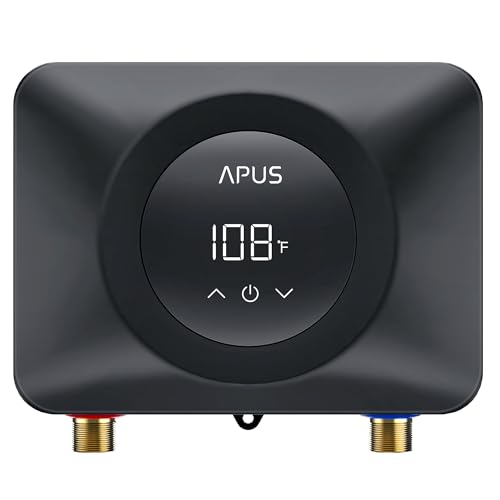
- BWP Score7.6
BWP Score is a ranking system developed by Bestwinterproducts.com. BWP score has no relationship or impact from any manufacturers or sales agent websites. Learn more
- BrandAPUS

- BWP Score7.5
BWP Score is a ranking system developed by Bestwinterproducts.com. BWP score has no relationship or impact from any manufacturers or sales agent websites. Learn more
- Brandxwdzswgs
Last update on 2026-10-11 / Affiliate links / Images, Product Titles, and Product Highlights from Amazon Product Advertising API
Frequently Asked Questions
Can I plug a 110-volt water heater into an ordinary wall outlet?
Yes, most 110-volt point-of-use water heaters come with a standard three-prong plug designed for regular household wall outlets. However, because these heaters draw around 12.5 amps, the outlet should ideally be on a dedicated circuit. Plugging the heater into an outlet shared with other high-draw appliances like microwaves or hair dryers will frequently trip the breaker.
Is 220 volts the exact same thing as 240 volts in home wiring?
Yes, 220 volts and 240 volts refer to the exact same heavy-duty power supply in North American homes. Modern electric utilities deliver power at 120 volts and 240 volts, but people historically referred to these supplies as 110 volts and 220 volts. Manufacturers use these numbers interchangeably, so a heater labeled 240V operates properly on a home circuit labeled 220V.
Can an electrician convert my 110-volt outlet into a 220-volt circuit?
An electrician cannot simply change the plastic outlet on the wall, because 220-volt appliances require different wiring and safety switches. Converting the outlet requires running a brand-new, heavier-gauge electrical cable from your main breaker panel to the water heater location. The electrician must also install a new double-pole breaker inside your panel to supply power across two separate electrical legs.


Best Warm Winter Scarves 2026 For Cozy Comfort

Best Green Ski Goggles 2026 For Clear Vision On Slopes

12 Best Corner Electric Fireplace 2026: My Ultimate Guide To Pick One

Best Battery Powered Snow Blower 2026 For Effortless Snow Clearing

Best Ski Goggles Under 30 Inches For Crisp Vision And Comfort

Best Cooling Scarf 2026 For Instant Relief And Comfort

Fake Snow for Grass: Create a Realistic Winter Lawn Display

Dimplex Prism Wall Mount Fireplace: Sleek Heat With Modern Flame Style





