
Are Gas Wall Heaters Efficient to Run?

There is no need to worry about runaway utility bills when warming a chilly space. In fact, gas wall heaters are remarkably efficient because they deliver warmth directly to the room without losing heat through long metal ductwork. Burning fuel right where you spend your time makes them an excellent way to stay comfortable without paying to heat empty rooms.
Your actual savings will depend on a few practical details. Vent-free units keep all of their heat indoors, while direct-vent models send a small amount outdoors through an exhaust pipe to protect your air quality. Running costs also vary between piped natural gas and bottled propane, and whether the burner uses a thermostat to shut off once the room is warm. Here is how these heaters perform and how to choose the right setup for your home.
Heat the Room You Live in Instead of the Whole House
Central heating systems waste a surprising amount of energy before warm air ever reaches your living room. A standard furnace burns fuel in a basement or utility closet, then pushes that heated air through dozens of feet of metal ducts. If those ducts run through an unheated attic, crawl space, or cold basement, you lose a noticeable chunk of heat right through the sheet metal and joints. You end up paying to heat ductwork, wall cavities, and empty spare bedrooms just to keep your favorite chair comfortable.
A gas wall heater cuts out that middleman entirely by delivering warmth directly into the room where you mount it. This setup is known as zone heating. Instead of setting your central thermostat to 72 degrees Fahrenheit across the entire house, you can dial the central unit down to 62 degrees and let the wall heater warm the specific space you are occupying. Warming a single family room, den, or cabin living area takes far less gas than running a whole-house furnace continuously.
Because these units attach directly to an interior or exterior wall, they deliver immediate heat the moment the burner fires up. There are no cold draft delays while long ducts warm up, and no noisy blower fans pushing dust across the ceiling. For rooms with high ceilings or drafty corners, placing heat right at floor level warms the living zone where people actually sit, work, and relax.
Weigh Heat Retention Against Fresh Indoor Air
The real operating efficiency of a gas wall heater depends heavily on how it handles exhaust gases. Wall heaters fall into two main categories: direct-vent and vent-free. Each design balances fuel savings and indoor air quality in very different ways, so understanding the trade-off helps you choose the right style for your home layout.
A direct-vent heater uses a sealed pipe that runs straight through an exterior wall to the outside. This pipe pulls fresh outdoor air into the burner chamber for combustion, and then expels all exhaust gases back outdoors. Because the exhaust exits through the wall, some thermal energy naturally escapes outside along with the combustion fumes. A direct-vent unit delivers slightly less than 100 percent of its fuel heat into the room, but it keeps your indoor air completely fresh and free from moisture or combustion odors.
A vent-free heater operates without any outdoor chimney or exhaust pipe, releasing all of its heat directly into your living space. This makes vent-free units practically 99 to 100 percent efficient at turning fuel into room heat, because zero warmth escapes through an exhaust pipe. Every single drop of fuel you purchase warms the air inside your room.
That heat retention comes with a clear trade-off that every homeowner must manage. Burning natural gas or liquid propane produces water vapor and carbon dioxide as normal byproducts. When a heater has no vent pipe, that moisture stays inside your room air. In tightly sealed houses, using a vent-free unit for hours can cause moisture to bead up on cold window panes and raise room humidity. If you are heating drafty spaces, such as selecting a heater for an enclosed porch, that extra moisture often disperses naturally, but tightly insulated bedrooms require careful ventilation.
Compare Fuel Costs Before You Switch from Electric Heat
Many homeowners look into gas wall heaters because portable electric space heaters drive their monthly electric bills through the roof. A standard plug-in electric space heater draws up to 1,500 watts, which is roughly 12.5 amps on a standard 120-volt household circuit. Running two or three of those portable units to combat a cold snap can overload shared 15-amp breakers and cause a sharp spike on your utility bill, especially in areas with high electric rates.
Gas wall heaters produce significantly more heating power per dollar than plug-in electric resistance coils. In most parts of the United States, utility natural gas piped directly to the home remains one of the most budget-friendly heating fuels available. If your home already has a natural gas meter, a natural gas wall heater provides steady, deep warmth for a fraction of what electric resistance heating costs to run for the same number of hours.
Liquid propane costs more per gallon than utility natural gas and requires an outdoor storage tank, but it still delivers immense heating value in rural areas, outbuildings, and cabins. Propane burns hot and clean, providing heavy heat output where natural gas lines do not exist. While some homeowners compare these options to electric garage heaters with built-in thermostats for basic workshop utility, propane wall heaters produce substantially higher thermal output without demanding a dedicated 240-volt electrical circuit.
Gas wall units also hold a major advantage during harsh winter storms: emergency reliability. Many models use push-button piezo spark ignitions or standing pilot lights that require zero household electricity to start and run. When an ice storm takes down the power grid and knocks out electric baseboards and furnace blowers, an unpowered gas wall heater continues to produce full warmth, protecting your family and your water pipes from freezing.
Match Heater Size to Square Footage to Stop Fuel Waste
Buying a heater that is too large for your room is the fastest way to waste fuel and ruin your indoor comfort. Heating output is measured in BTU, which stands for British Thermal Units and represents heating power per hour. A unit with too many BTUs will rapidly overheat a small room, forcing you to crack windows open in the middle of winter to cool down, which dumps your paid fuel straight outside.
Oversized heaters also suffer from frequent on-and-off cycling. When a burner blasts immense heat into a small space, the room temperature spikes in minutes, shutting the unit down before walls and furniture can absorb the warmth. The room quickly turns cold again once the burner stops, leading to uncomfortable temperature swings and uneven fuel consumption.
Use these practical sizing checkpoints to align heater capacity with your room dimensions:
- Compact rooms (up to 350 sq ft): An 11,000 BTU unit provides ample heating power for home offices, guest bedrooms, and small additions without overwhelming the air volume.
- Large living areas (up to 1,000 sq ft): A 30,000 BTU blue flame or infrared unit can comfortably warm open-concept living rooms, basements, and spacious cabin layouts.
- Expansive open zones (up to 1,400 sq ft): High-output 30,000 BTU blue flame heaters circulate warm air currents across very broad floor plans when interior doors remain open.
Pay close attention to the temperature control dial when comparing models. A basic manual control knob with simple low, medium, and high settings will burn fuel continuously at that fixed rate until you walk over and turn it down. In contrast, a unit with a built-in thermostat monitors the ambient room temperature. It automatically lowers the flame or shuts off the burner when the room reaches your preferred temperature, then relights when the air cools, saving significant fuel throughout the day.
You should also decide between blue flame and infrared heat based on how your room is laid out. Blue flame heaters warm the air directly, creating gentle convection currents that circulate warmth evenly across the entire room. Infrared plaque heaters emit radiant warmth that travels through the air to heat people, floors, and furniture directly, much like standing in direct sunlight. Infrared works exceptionally well in rooms with drafty spots or uninsulated floors because you feel the heat instantly on your skin.
Inspect Room Clearances, Moisture Signs, and Local Building Rules
Operating a gas wall heater efficiently requires maintaining strict physical clearances around the cabinet. Always maintain a 3-foot safety buffer around the unit. Keep all furniture, curtains, bedding, rugs, throw pillows, and stacks of paper at least 36 inches away from the front and sides of the heater. Crowding the heater blocks warm air from circulating freely into the room, trapping heat against the wall and creating a serious fire hazard.
If you choose a vent-free heater, monitor your living space for early signs of excess moisture. Watch for fogging or condensation dripping down window glass, a stuffy feeling in the air, or dampness on exterior-facing drywall. If you notice persistent window sweat, open an interior door to allow moisture to disperse into a larger area, or run a small exhaust fan periodically. Never use a vent-free heater as the primary 24-hour heat source for a tightly sealed, unventilated room.
Safety equipment is non-negotiable whenever fuel burns inside a home. Install a listed carbon monoxide alarm in the same room as the heater and place additional detectors outside all sleeping areas. Vent-free heaters come equipped with an oxygen depletion sensor that automatically shuts off the gas supply if oxygen levels in the room drop below safe thresholds, but a standalone carbon monoxide alarm provides essential secondary protection.
Always verify local municipal building codes before purchasing or mounting any gas heating equipment. Some states, counties, and local cities place strict limits on vent-free appliances, and many building jurisdictions completely prohibit vent-free heaters in bedrooms or bathrooms due to air volume restrictions. Manufactured housing also enforces strict ventilation codes; when selecting a heater for a mobile home, building rules often mandate direct-vent units that bring in dedicated outdoor combustion air.
Know when to put down the tools and call a licensed professional. While hanging a heater cabinet on wall studs is a simple task, connecting the gas piping is not a do-it-yourself project. A licensed plumber or certified gas technician must run the rigid gas pipe, verify proper fuel pressure, check for leaks with an approved gas detection solution, and ensure the exhaust flue meets all wall clearance codes. If you ever smell sulfur or rotten eggs, leave the house immediately, leave doors open, and call your local gas utility from a safe distance outside.
Choose the Right Gas Wall Heater for Your Space
Selecting the right gas wall heater comes down to evaluating your fuel supply, your room layout, and how you plan to use the space daily. Look for a unit that matches your exact gas supply line, because natural gas and liquid propane operate under different pressures and require specific burner orifices. While some units feature dual-fuel valves that adapt to either source, dedicated single-fuel heaters must never be hooked to the wrong gas line without an approved manufacturer conversion.
Prioritize models with built-in thermostatic dials over manual control switches. A reliable thermostat keeps your room comfortable without constant manual adjustments and prevents the burner from running unnecessarily when you leave the room. If you want seamless supplemental warmth without adding indoor moisture, choose a direct-vent model that vents through an outside wall. If you need rapid warmth for an open room where cutting exterior vent holes is impractical, a vent-free model with an oxygen depletion sensor delivers maximum fuel efficiency.
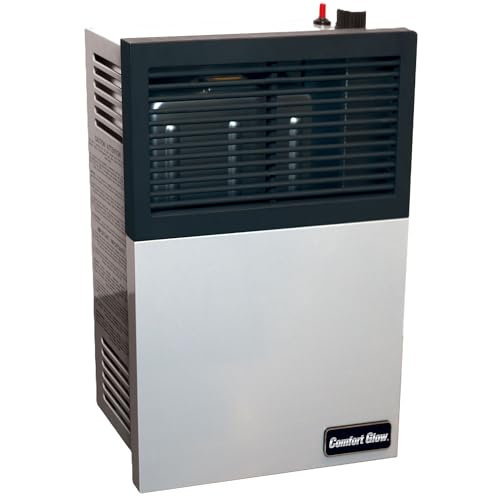
- BWP Score8.8
BWP Score is a ranking system developed by Bestwinterproducts.com. BWP score has no relationship or impact from any manufacturers or sales agent websites. Learn more
- BrandComfort Glow

- BWP Score8.6
BWP Score is a ranking system developed by Bestwinterproducts.com. BWP score has no relationship or impact from any manufacturers or sales agent websites. Learn more
- BrandProCom

- BWP Score8.0
BWP Score is a ranking system developed by Bestwinterproducts.com. BWP score has no relationship or impact from any manufacturers or sales agent websites. Learn more
- BrandMr. Heater

- BWP Score8.0
BWP Score is a ranking system developed by Bestwinterproducts.com. BWP score has no relationship or impact from any manufacturers or sales agent websites. Learn more
- BrandProCom

- BWP Score7.9
BWP Score is a ranking system developed by Bestwinterproducts.com. BWP score has no relationship or impact from any manufacturers or sales agent websites. Learn more
- BrandAshley
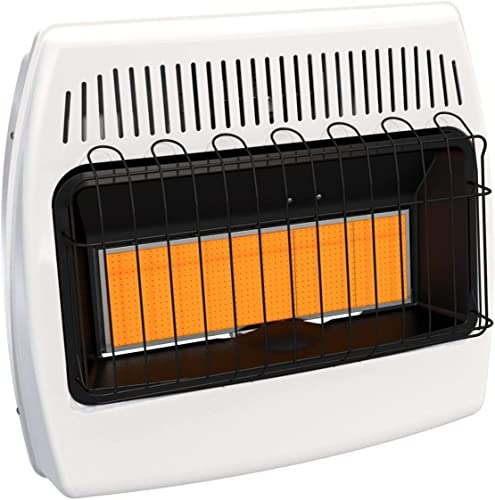
- BWP Score7.3
BWP Score is a ranking system developed by Bestwinterproducts.com. BWP score has no relationship or impact from any manufacturers or sales agent websites. Learn more
- BrandJEWUNO
Last update on 2026-10-09 / Affiliate links / Images, Product Titles, and Product Highlights from Amazon Product Advertising API
Frequently Asked Questions
How much heat escapes through a direct-vent exhaust pipe?
A direct-vent wall heater typically loses between 20 and 30 percent of its combustion heat through the outdoor exhaust pipe. While this means it delivers slightly less heat into the room than a vent-free model, that lost heat carries all combustion moisture and fumes outside. You get clean indoor air and dry windows in exchange for a small loss in fuel efficiency.
Can a gas wall heater operate during an electric power outage?
Yes, many gas wall heaters operate completely independently of household electricity. Models equipped with push-button piezo spark ignitions or millivolt standing pilots generate their own tiny electrical current to operate the gas valve. As long as your gas supply line has pressure, the heater will continue to warm your home even when winter storms knock out the electric grid.
Why does my vent-free gas heater make my windows sweat?
Water vapor is a natural byproduct of burning natural gas and liquid propane. Because vent-free heaters do not have an exhaust pipe leading outside, all of that moisture enters your room air. When warm, humid indoor air touches cold exterior window glass, the moisture condenses into water droplets, signaling that you need to increase room ventilation.
What is the difference between blue flame and infrared gas wall heaters?
Blue flame heaters warm the room air directly through convection, causing heated air to rise and circulate across the entire room for balanced, even temperatures. Infrared heaters use ceramic plaques to emit radiant heat waves that pass through the air and warm people and objects directly, similar to sunlight. Infrared provides immediate personal warmth in drafty rooms, while blue flame is better for warming an entire enclosed space.


Best Warm Winter Scarves 2026 For Cozy Comfort

Best Green Ski Goggles 2026 For Clear Vision On Slopes

12 Best Corner Electric Fireplace 2026: My Ultimate Guide To Pick One

Best Battery Powered Snow Blower 2026 For Effortless Snow Clearing

Best Ski Goggles Under 30 Inches For Crisp Vision And Comfort

Best Cooling Scarf 2026 For Instant Relief And Comfort

Fake Snow for Grass: Create a Realistic Winter Lawn Display

Dimplex Prism Wall Mount Fireplace: Sleek Heat With Modern Flame Style





