
Are Honeywell Space Heaters Safe for Your Home?

Yes, these space heaters are safe to run. Built-in switches shut the power off instantly if the heater tips over or if internal parts get too warm. The outer plastic body also stays cool to the touch, which helps prevent accidental burns if a child or pet brushes past.
Real protection still depends on how you set them up. That means plugging the power cord straight into a wall outlet rather than a strip or extension cord that could overheat. It also means keeping three feet of clear space around the unit, well away from blankets, curtains, and furniture on a hard, flat floor. Setting up your room correctly prevents hazards so you can warm up with total peace of mind.
Honeywell Heaters Include Automatic Shutoffs and Cool Housings
Every portable heater brings heat into your room, but built-in mechanical and electrical cutoffs keep that heat under control. Honeywell designs their ceramic heaters with layered defenses that react when something goes wrong. The most immediate mechanical defense is the tip-over safety switch that cuts power instantly if the unit is knocked over or tilted. This is a small spring-loaded peg on the underside of the base. When the heater stands upright on a firm floor, the weight of the unit presses the switch in. If a child bumps the unit, a dog wags a heavy tail against it, or the heater tilts sideways, the spring releases and instantly cuts electricity to both the ceramic element and the fan.
Internal heat buildup presents a different kind of danger, which is why Honeywell uses automatic overheat sensors that shut the unit off if internal parts get dangerously hot. In many models, this system includes dual overheat protection, combining a primary temperature regulator with a secondary thermal cutoff fuse and thermal insulated wiring. If dust clogs the back grille or someone drops a sweater across the top vents, internal airflow drops. Heat quickly builds up inside the chassis. The sensor catches that sudden spike before internal plastic parts can melt or catch fire, cutting current to the heating element immediately.
Many people worry about accidental burns, especially with toddlers or curious pets wandering nearby. Honeywell addresses this by using a cool touch housing, which is an outer plastic body that stays safe to brush against during regular operation. The front metal grille does get hot because hot air blows directly through those vents to warm your room. The outer shell, carrying handle, and control dials remain safe to touch, preventing contact burns if someone brushes against the unit while walking past.
Select tower models also feature proximity sensors built into the front casing. If a pet curls up too close or an object sits within a few inches of the front grille, the sensor detects the obstruction and cuts power until the area is clear. These automatic systems work silently in the background, giving you essential protection against common household accidents.
Keep Three Feet of Clear Space Around the Heater
Built-in shutoffs protect against internal faults, but safe room placement protects the rest of your home. Electric heaters produce intense radiant warmth and continuous air currents that gradually dry out nearby materials. If curtains, bedding, or papers sit too close, that continuous dry heat can eventually raise their surface temperature to the point of smoldering. The standard rule for safe operation is maintaining a three-foot perimeter of empty space around all sides of the unit.
Floor selection matters just as much as open clearance. Always place your heater on a flat, level, and hard surface like hardwood, tile, linoleum, or firm vinyl plank. Thick carpets, plush area rugs, and shag flooring create two distinct safety hazards. Soft carpet fibers compress unevenly under the heater, which can prevent the base tip-over pin from resting securely. Carpet fibers can also choke the bottom air intake vents, reducing airflow and causing the heater to overheat repeatedly.
Never set a portable space heater on an elevated surface like a bedside table, desk, chair, or shelf. Vibrations from the internal fan or a tug on the power cord can pull the heater off the edge, sending it crashing to the floor. If you need supplemental heat in drafty transition areas, you might consider a specialized heater to warm drafty spaces, but inside your primary living areas, keep the heater flat on the bare floor.
- Set the heater only on a flat, hard, uncarpeted floor surface.
- Measure at least three feet of empty space between the heater and any furniture, drapes, bedding, or paperwork.
- Point the front grille toward open living space rather than into a wall, corner, or piece of upholstery.
- Avoid damp areas such as bathrooms or laundry spaces unless the unit holds a verified wet-location rating.
- Keep high-traffic walkways clear so cords and heater housings never become tripping hazards.
Always Plug Your Heater Directly Into the Wall
Electrical issues cause a large portion of space heater fires, and almost all of them stem from using the wrong power outlet setup. In standard American homes, portable space heaters draw up to 1,500 watts on their high heat setting. That draws roughly 12.5 amps of continuous electrical current through a standard 120-volt household circuit. Because most residential bedroom and living room circuits are rated for 15 amps total, a space heater consumes almost all the capacity that single circuit can safely supply.
Plugging a 1500W heater into an extension cord, power strip, or surge protector is dangerous. Light household extension cords and multi-outlet strips are engineered for low-draw devices like floor lamps, phone chargers, or televisions. When you force 12.5 amps of continuous power through thin wiring, the cord builds up internal resistance. That resistance creates intense heat, causing the cord insulation to soften, warp, and melt. The plug connections can spark a fire long before the breaker in your electrical panel ever detects a problem.
Even heavy-duty extension cords introduce extra points of electrical resistance. Over time, the internal metal contacts in an extension cord socket loosen from repeated use. A loose fit creates electrical arcing, which generates concentrated heat right at the plug. You should always plug the heater directly into a dedicated wall outlet, leaving the second plug in that outlet completely empty.
Check the physical condition of your outlet before and during use. If the outlet cover plate feels hot to your hand, if the plug prongs feel loose when inserted, or if you smell a faint burnt-plastic odor, turn the unit off and unplug it immediately. Call a licensed electrician to inspect and replace the wall outlet. If you live in a manufactured home or structure with unique circuit limits, matching your heating needs to your electrical setup is just as vital as choosing a dedicated heater for mobile home spaces.
Use Built-in Timers Instead of Running Units Overnight
Leaving a space heater running while you sleep is risky, even on a unit equipped with modern shut-off features. When you are asleep, your senses are dulled. You cannot smell the early stages of scorched fabric, you cannot see a pet nudge the heater, and you cannot react quickly if a problem develops. Fire safety organizations consistently advise against leaving portable heating appliances running unattended in bedrooms overnight.
Bedrooms present unique hazards because bedding naturally shifts while people sleep. You might pull a comforter, kick a sheet toward the edge of the mattress, or push a throw blanket onto the floor. If that fabric falls within the three-foot safety buffer, the continuous blast of hot air can scorch the fibers over several hours. Curious dogs and cats also move around in the dark, potentially knocking items toward the heater or resting too close to the front grille.
The safest way to warm a cold bedroom is to pre-heat the space before you climb into bed. Turn the heater on forty-five minutes before bedtime, close the bedroom door, and let the room reach a comfortable temperature. When you are ready to sleep, turn the unit off and unplug it, letting your blankets hold the warmth through the night.
If your room loses heat quickly during severe winter cold, use the built-in auto-off timer rather than running the unit continuously. Many Honeywell ceramic models offer programmable timers for one, two, four, or eight hours. Setting the timer for one or two hours gives you comfortable warmth while you drift off to sleep, and the unit turns itself completely off long before morning. Alternatively, use a digital temperature dial that clicks on and off to hold your set warmth, preventing the heating element from running non-stop on high power.
Reset the Heater After an Automatic Safety Cutoff
If your Honeywell heater suddenly shuts down on its own, one of its internal safety features has likely activated. The unit is doing its job by cutting power before an accident happens. The shutdown usually occurs for one of four reasons: the tip-over switch tripped because the heater was tilted or nudged, the overheat sensor detected excessive internal heat from blocked airflow, the digital thermostat reached your target room temperature, or the auto-off timer finished its countdown.
If the shutdown happened because of overheating or a tilt, the internal safety switch locks the unit off until you complete a manual reset cycle. Never try to force the unit back on right away by repeatedly flipping the power switch. Follow these clear steps to safely reset the unit:
- Turn the power control knob or digital power button to the OFF position.
- Unplug the power cord directly from the wall outlet.
- Leave the heater alone and let it cool completely for at least twenty minutes.
- Examine the front grille and the rear air intake vents for accumulated dust, pet hair, or lint, and wipe any debris away gently with a soft dry cloth.
- Verify that the heater sits on a flat, level, uncarpeted floor with at least three feet of open clearance on all sides.
- Plug the power cord firmly back into the wall outlet and turn the power switch back on.
Pay close attention to how the heater behaves after you reset it. If the unit powers on and delivers steady heat, the internal sensors are functioning properly. But if the unit shuts off again within a few minutes, stop using it. An immediate second shutdown means an internal component has failed or airflow remains restricted inside the sealed motor casing. Unplug the heater permanently, avoid opening the plastic housing yourself, and replace the unit or contact an authorized service technician.
Choose the Right Safety Features for Your Living Space
Finding a safe supplemental heater comes down to matching the unit's built-in safeguards to your room layout and household habits. Different spaces bring different risks, so identifying your primary safety concern helps you pick the most effective design. In homes with active toddlers or energetic pets, prioritize models with fully enclosed ceramic heating elements, a wide and stable base, and a sensitive tip-over cutoff that triggers at the slightest tilt. Cool-touch exterior plastic housing is also essential in these spaces so accidental contact never causes a burn.
For home offices and bedrooms, programmable controls provide the best protection against human error. Look for models equipped with multi-hour auto-off timers and precise digital thermostats. These features prevent the heater from running continuously for hours after you leave the room or fall asleep. Dual or triple overheat protection provides critical reassurance by using multiple thermal sensors to monitor internal temperatures, ensuring a reliable backup if one sensor wears out.
Always inspect the physical rating label on the underside or back of any heater before setting it up in your home. Confirm that the label displays a recognized American safety certification mark, such as UL or ETL. These marks indicate that the design meets established electrical and fire safety standards. When you combine certified manufacturing safeguards with proper floor placement and dedicated wall-outlet power, you can keep your room comfortable all winter long without putting your home at risk.

- BWP Score9.6
BWP Score is a ranking system developed by Bestwinterproducts.com. BWP score has no relationship or impact from any manufacturers or sales agent websites. Learn more
- BrandHoneywell

- BWP Score8.2
BWP Score is a ranking system developed by Bestwinterproducts.com. BWP score has no relationship or impact from any manufacturers or sales agent websites. Learn more
- BrandHoneywell

- BWP Score8.1
BWP Score is a ranking system developed by Bestwinterproducts.com. BWP score has no relationship or impact from any manufacturers or sales agent websites. Learn more
- BrandHoneywell

- BWP Score7.9
BWP Score is a ranking system developed by Bestwinterproducts.com. BWP score has no relationship or impact from any manufacturers or sales agent websites. Learn more
- BrandHoneywell

- BWP Score7.8
BWP Score is a ranking system developed by Bestwinterproducts.com. BWP score has no relationship or impact from any manufacturers or sales agent websites. Learn more
- BrandHoneywell
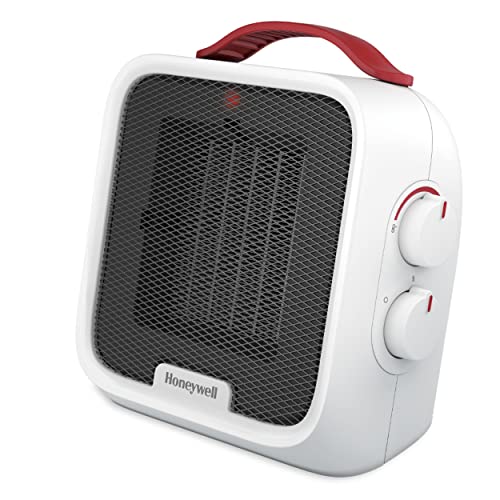
- BWP Score7.5
BWP Score is a ranking system developed by Bestwinterproducts.com. BWP score has no relationship or impact from any manufacturers or sales agent websites. Learn more
- BrandHoneywell

- BWP Score7.4
BWP Score is a ranking system developed by Bestwinterproducts.com. BWP score has no relationship or impact from any manufacturers or sales agent websites. Learn more
- BrandHoneywell
Last update on 2026-10-07 / Affiliate links / Images, Product Titles, and Product Highlights from Amazon Product Advertising API


Best Warm Winter Scarves 2026 For Cozy Comfort

Best Green Ski Goggles 2026 For Clear Vision On Slopes

12 Best Corner Electric Fireplace 2026: My Ultimate Guide To Pick One

Best Battery Powered Snow Blower 2026 For Effortless Snow Clearing

Best Ski Goggles Under 30 Inches For Crisp Vision And Comfort

Best Cooling Scarf 2026 For Instant Relief And Comfort

Fake Snow for Grass: Create a Realistic Winter Lawn Display

Dimplex Prism Wall Mount Fireplace: Sleek Heat With Modern Flame Style





