
Are Water Heater Blankets Worth It in 2026?

Rising utility bills can be frustrating, but an uninsulated water heater is rarely something to panic over. In most homes, an insulation blanket is only worth buying if the tank is older and feels warm when touched on the outside. Newer models come built with thick internal foam, which means an extra wrap saves almost nothing on an updated unit.
A few specific details swing the decision. Placement is huge, because a heater standing in a freezing garage or a damp basement loses warmth far faster than one tucked inside an indoor closet. Tank style plays a role too, since gas heaters require strict safety cutouts around exhaust pipes and burners that electric tanks simply do not have. Running a fast physical check clears up the confusion right away.
How do you know if your tank needs insulation?
You do not need special tools to find out if your water heater is wasting power. All you need is your bare hand and two minutes. Modern water heaters have thick foam between the steel tank and the outer shell, but older tanks let warmth escape. This is called standby heat loss (heat leaking out while the tank sits idle waiting for someone to run a faucet).
Here is a quick checklist to check your water heater:
- Touch the side of the tank: Place your bare palm flat against the tank body. If the metal skin feels warm to the touch, heat is escaping into the room instead of staying in your hot water.
- Check the manufacturer date: Look at the rating plate on the side of the tank. If your heater is more than ten years old, it was built under older standards that required less factory insulation.
- Note the room temperature: If the tank sits in an unheated garage or a chilly basement, cold air constantly pulls warmth out of the metal cylinder.
- Feel the hot water pipe: Touch the metal pipe leaving the top of the tank. If the first two feet feel hot when no water is running, heat is escaping up into the plumbing.
If the tank shell feels cool, similar to the door of a refrigerator, the built-in insulation is already doing its job. Adding an extra blanket will save very little.
When is a water heater blanket worth the money?
An insulation blanket pays for itself in specific homes, but it is an unnecessary expense in others. The decision depends on tank age, room temperature, and how much heat escapes the jacket.
An insulation blanket is usually worth buying if you have:
- An older tank: Units over ten years old usually lack modern insulation. Wrapping them stops heat from escaping all day and night.
- A tank in an unheated space: If your heater sits in a cold garage or drafty basement, chilly air pulls heat through the tank walls. While using an electric heater for a garage with a thermostat helps warm the room, wrapping the tank directly shields the water inside.
- An electric water heater: Electricity often costs more per unit of heat than natural gas, so stopping heat loss on an electric tank delivers noticeable monthly savings.
- A warm outer shell: If your palm test revealed heat escaping through the metal wall, a blanket keeps that paid-for warmth inside.
You can skip the blanket if you have:
- A modern water heater: Tanks built in recent years feature dense foam with a high heat-trapping power rating (R-value), staying cool to the touch on their own.
- A tankless unit: Tankless water heaters heat water instantly on demand and store no standing water, so wrapping them provides zero benefit and blocks vital vents.
- A tank inside heated living space: If your tank sits in a warm interior utility closet, any slight heat loss stays inside your home anyway. In tight alcoves, like spaces designed for a heater for a mobile home, cramped clearance also makes fitting a thick wrap impractical.
- A warranty restriction: Some manufacturers state that aftermarket wraps void your warranty. Check your owner manual before buying.
Is wrapping a gas or electric heater safe?
Wrapping a water heater is safe only when you follow the right rules for your fuel type. Electric tanks and gas tanks work differently, and ignoring those differences can lead to electrical failures or hazardous fumes.
Electric water heaters are straightforward to insulate because they produce heat without an open flame or exhaust vent. Even so, leave two areas exposed. Never cover the electrical junction box on top or the thermostat access panels on the side. Covering these panels can cause internal controls to overheat and trip, and it blocks temperature adjustments.
Gas water heaters burn fuel and need clear air pathways. If you wrap a gas model, follow these three rules:
- Keep the top completely open: Never put a blanket over the top of a gas water heater. The top holds the flue pipe (the metal exhaust chimney that carries toxic combustion fumes out of your home). Blocking this area can force deadly carbon monoxide into your living space.
- Clear the combustion chamber: Never cover the bottom of the heater. The combustion chamber (the lower metal compartment where the gas flame burns) needs steady air. Blocking it causes soot buildup and fire hazards.
- Leave all controls visible: Keep the wrap at least two inches away from the gas valve, the pilot light viewing window, and the burner door. You must have quick access to the shutoff knob at all times.
If you smell gas, spot soot around the flue, or feel unsure about clearances, stop immediately and call a licensed plumbing professional.
Which type of insulation blanket should you choose?
When choosing an insulation wrap, you will mainly decide between fiberglass blankets and reflective foam wraps. Both trap heat, but they differ in thickness and installation comfort.
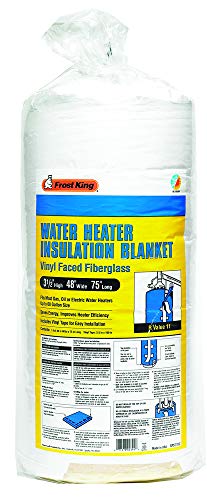
Fiberglass blankets use a thick core of spun glass fibers enclosed in a vinyl or foil skin.
- Pros: They are typically two to three inches thick, giving them solid heat-trapping power rating (often between R-6 and R-10). They provide heavy-duty thermal protection against cold drafts in open basements.
- Cons: Fiberglass can cause itchy skin and irritate your breathing if fibers escape. You must wear gloves, long sleeves, safety glasses, and a dust mask during installation. They also take up several inches of space around your tank.
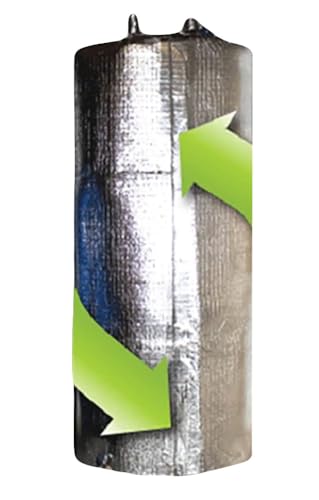
Reflective foam and pre-oxidized fiber wraps use thin layers of dense foam or heat-resistant fibers lined with aluminum foil to bounce radiant heat back toward the tank.
- Pros: These wraps are very thin, often less than half an inch thick. They are completely fiber-free, meaning they will not cause itching or shed dust. Pre-oxidized fiber options also offer high heat and fire resistance.
- Cons: Because they lack thick padding, they rely on a tight fit and thorough taping. If you leave loose edges, air drafts can slip behind the material.
If your water heater sits in a tight closet with little clearance, a slim reflective wrap fits easily. If your tank sits in an open basement with plenty of space, a thick vinyl-faced fiberglass blanket gives dependable protection.
How do you install an insulation blanket safely?
Installing an insulation blanket takes about an hour. Having a second person helps hold the material in place. Follow these steps in order to install it safely:
- Shut off the heater: Safety comes first. For an electric tank, turn off the dedicated breaker in your electrical panel. For a gas tank, turn the gas control knob to "PILOT" or switch it off according to the label.
- Clean the tank: Wipe the metal sides with a dry rag to remove dust so sealing tape sticks securely.
- Measure the tank cylinder: Measure the height from just above the base to the top rim. On a gas heater, start several inches above the bottom burner air intake. Then measure the circumference around the tank.
- Cut the blanket to size: Lay the blanket flat on the floor. Use a straight edge and a utility knife to cut it to your measurements. Put on gloves, long sleeves, and a mask if working with fiberglass.
- Cut out access windows: Wrap the blanket loosely around the tank and hold it with temporary tape. Use a marker to trace around the electrical panels on an electric tank, or the gas valve and burner door on a gas tank. Remove the wrap and cut out those openings.
- Secure the blanket: Put the blanket back on, lining up your cutouts. Pull the wrap snug, but do not compress fiberglass tightly, as crushing it reduces its heat-trapping power rating. Seal the vertical seam with heavy-duty aluminum foil tape.
- Cap the top (electric only): For an electric tank, cut a round top piece with holes for the water pipes and the temperature and pressure relief valve (the safety brass valve with a downward drain pipe). Never put a top cap on a gas water heater.
- Restore power: Verify that the relief valve moves freely and the flue pipe is completely clear. Turn the breaker back on or relight your pilot light.
What should you check before buying an insulation wrap?
If your touch test proved that your tank is losing heat, choosing the right insulation kit will make the installation process smooth and long-lasting. You do not need an industrial setup, but you do need a wrap designed specifically for residential water heaters.
Before purchasing a wrap, check these practical details:
- Tank capacity fit: Make sure the kit matches your tank size, typically 40, 50, 60, or 80 gallons. A wrap that is too small leaves exposed metal where heat easily leaks.
- Heat-trapping power rating (R-value): Look for a rating between R-6 and R-12. An R-8 to R-10 wrap provides great heat savings without becoming too bulky for normal utility rooms.
- Material preference: Choose vinyl-backed fiberglass for traditional thick padding in open basements, or foil-faced foam and pre-oxidized fiber if you want an itch-free wrap that fits into tight closets.
- Included tape: Check that the kit includes heat-resistant foil tape or securing straps, which saves you an extra hardware run.

- BWP Score9.6
BWP Score is a ranking system developed by Bestwinterproducts.com. BWP score has no relationship or impact from any manufacturers or sales agent websites. Learn more
- BrandAES

- BWP Score9.3
BWP Score is a ranking system developed by Bestwinterproducts.com. BWP score has no relationship or impact from any manufacturers or sales agent websites. Learn more
- BrandFrost King
- BWP Score9.1
BWP Score is a ranking system developed by Bestwinterproducts.com. BWP score has no relationship or impact from any manufacturers or sales agent websites. Learn more
- BrandTrade Winds

- BWP Score8.4
BWP Score is a ranking system developed by Bestwinterproducts.com. BWP score has no relationship or impact from any manufacturers or sales agent websites. Learn more
- BrandFrost King
- BWP Score8.3
BWP Score is a ranking system developed by Bestwinterproducts.com. BWP score has no relationship or impact from any manufacturers or sales agent websites. Learn more
- BrandFrost King

- BWP Score8.2
BWP Score is a ranking system developed by Bestwinterproducts.com. BWP score has no relationship or impact from any manufacturers or sales agent websites. Learn more
- BrandAnglekai

- BWP Score7.5
BWP Score is a ranking system developed by Bestwinterproducts.com. BWP score has no relationship or impact from any manufacturers or sales agent websites. Learn more
- BrandYIBOBO

- BWP Score7.1
BWP Score is a ranking system developed by Bestwinterproducts.com. BWP score has no relationship or impact from any manufacturers or sales agent websites. Learn more
- BrandYIBOBO
Last update on 2026-10-08 / Affiliate links / Images, Product Titles, and Product Highlights from Amazon Product Advertising API
FAQs
Will adding an insulation blanket lower your water temperature?
No, an insulation blanket will not make your water cooler. It actually helps the water stay hot for longer periods between heating cycles. Because less heat escapes into the room, your heating elements or gas burner run less often to maintain your set temperature.
Can you insulate the pipes connected to the water heater?
Yes, insulating the first three feet of both the cold inlet and hot outlet pipes prevents heat from escaping through the metal plumbing. Use foam pipe sleeves that fit your pipe diameter, and secure them with zip ties or tape. On gas tanks, keep foam pipe wrap at least six inches away from the metal flue chimney.
Does an insulation blanket void your water heater warranty?
It depends on the tank manufacturer and how the blanket is installed. Most brands allow wraps as long as safety labels, access panels, and air openings remain uncovered, but some advise against them. Check your owner manual or call the manufacturer before adding an aftermarket wrap.
How long does a water heater blanket last?
A quality insulation blanket can easily last the remaining lifetime of your water heater, often ten years or more. As long as the wrap stays dry and undamaged, the insulation material will not break down over time. If a plumbing leak soaks the blanket, remove and replace it promptly to prevent rust and mold.


Best Warm Winter Scarves 2026 For Cozy Comfort

Best Green Ski Goggles 2026 For Clear Vision On Slopes

12 Best Corner Electric Fireplace 2026: My Ultimate Guide To Pick One

Best Battery Powered Snow Blower 2026 For Effortless Snow Clearing

Best Ski Goggles Under 30 Inches For Crisp Vision And Comfort

Best Cooling Scarf 2026 For Instant Relief And Comfort

Fake Snow for Grass: Create a Realistic Winter Lawn Display

Dimplex Prism Wall Mount Fireplace: Sleek Heat With Modern Flame Style





