
Are Mr. Heater Buddy Heaters Any Good in 2026?

These portable propane units are remarkably effective at delivering fast warmth during sudden power outages, garage projects, or off-grid camping trips. But their overall usefulness depends entirely on how well the space is prepared for fuel-burning heat. While they put out steady radiant warmth within seconds of lighting the pilot, they operate very differently from standard electric heaters.
Getting good results comes down to three practical realities. Burning propane produces moisture and uses up oxygen, which makes cracking a window for fresh airflow an absolute requirement to prevent damp walls and keep safety sensors active. High altitude also plays a role, since thin air above seven thousand feet can trip the automatic shutoff. Small disposable fuel bottles also empty after only a few hours of continuous heating. Here is what to expect from these heaters in real living spaces so you can decide if one fits your setup.
The Short Version
- Buddy heaters are dependable, fast-acting emergency heat sources for power outages, garages, and camping because they run entirely on propane without needing electricity.
- They are safe to operate indoors when you keep a window cracked an inch or two for fresh air, give them plenty of space away from flammable items, and maintain a working battery-powered carbon monoxide detector in the room.
- Small disposable one-pound fuel bottles empty in just a few hours on high heat, so hooking up a larger bulk propane tank is much more practical and affordable for multi-day winter storms.
- Burning propane releases water vapor into the living space, which means you will notice condensation on cold windows and exterior walls if you do not provide proper airflow.
Where Buddy Heaters Excel and Where Electric Heat Wins
A winter storm that knocks out electrical lines creates an immediate crisis for homes that depend on electric furnaces or baseboard heating. An electric space heater cannot help you when the wall outlets lose power. A portable Buddy heater solves that exact problem. It starts with a simple push and turn of a dial, throwing heat within seconds without plugging into a wall, an inverter, or a generator.
The heat these units produce is radiant heat, which is gentle heat that warms people and furniture directly like sunlight, rather than blowing warm air across the room. You do not have to wait for an entire room of cold air to cycle through a fan before your hands and feet feel comfortable. The moment you sit in front of the glowing ceramic tile, the direct warmth cuts through the chill on your skin. That fast, focused heat makes these units a favorite tool for ice fishing shacks, hunting cabins, unheated barns, and cold vehicle tailgates.
Campers and road travelers also rely heavily on this setup. If you travel through remote areas during the freezing months, setting up a capable heater to stay warm off-grid provides a dependable safety net against freezing night temperatures when you park far away from developed campsites.
Electric heat wins comfortably whenever regular household power remains steady and available. Standard plug-in space heaters run cleanly, create zero humidity, produce no combustion byproducts, and cycle on and off automatically using a digital temperature dial that clicks on and off to hold your set warmth. If you want steady, hands-off warmth for a workshop or attached building with standard household wiring, an electric heater for a garage with a thermostat is much cheaper to run per hour, eliminates fuel storage, and never requires changing fuel tanks in the dark. Propane heaters are off-grid survival tools and outdoor companions, not permanent replacements for daily electric space heating.
Indoor Safety Breakdown: Sensors, Tip Switches, and Fresh Air
Many homeowners hesitate to bring a propane heater indoors because they worry about carbon monoxide poisoning or sudden house fires. Those fears are completely natural. Propane is a combustible fuel, and running any open flame inside living quarters requires strict attention to basic safety rules. Modern Buddy heaters are engineered specifically for indoor emergency use and include mechanical safety systems to protect against common accidents.
The most important safety part is the oxygen depletion sensor (a safety sensor that turns off gas if fresh oxygen drops below safe levels). The pilot flame sits directly in the path of incoming room air. If an enclosed room begins to run low on fresh oxygen, the pilot flame alters its shape, lifts away from the sensor thermocouple, and instantly cuts the gas flow to the main burner. In addition, an internal tip-over safety switch that cuts power instantly if the unit is knocked over or tilted stops the fuel if a dog bumps the heater, a child brushes against it, or the unit falls onto its face.
Even with built-in sensors, you must follow strict operating rules every time you fire up a gas heater indoors:
- Crack a window or ventilation flap: Keep a window or vent open at least one to two inches. Clean propane combustion consumes oxygen and produces water vapor and carbon dioxide. A cracked window creates a gentle cross-draft that supplies fresh oxygen and pushes stale air out.
- Set up a standalone carbon monoxide alarm: Never rely exclusively on an appliance sensor for personal safety. Place a battery-operated carbon monoxide detector at eye level in the room where the heater runs, and verify that the batteries work before the winter season begins.
- Maintain the 3-foot safety buffer: Keep the heater at least 3 feet (36 inches) away from bedding, drapes, upholstered furniture, cardboard boxes, clothing, and pets. Radiated heat can warm nearby fabrics until they scorch or ignite.
- Place the unit on a hard, level surface: Always set the heater on a solid, non-flammable surface such as tile, concrete, or a sturdy wooden board. Setting the heater on a thick carpet, soft blanket, or mattress can block bottom air intakes or cause the tip switch to wobble and trip the gas valve.
Fuel and Runtime Reality: Small Canisters Versus Bulk Tanks
Your overall experience with a portable propane heater depends almost entirely on how you supply fuel to the burner. The biggest complaint from new owners is how fast the small green one-pound fuel canisters run empty. These small steel bottles are portable and convenient, but their heating capacity is strictly limited.
A single one-pound bottle threads directly into the side regulator swivel. On a low heat setting, one bottle can provide roughly four to six hours of gentle warmth. Turn the knob up to high heat, and that bottle runs empty in two to three hours. If your home loses power during a multi-day winter freeze, relying solely on one-pound canisters means waking up multiple times every night to twist on freezing steel bottles in the dark. Purchasing dozens of disposable bottles also becomes expensive very quickly compared to buying bulk fuel.
Switching to a standard twenty-pound bulk propane tank solves the runtime issue. A twenty-pound tank holds enough fuel to run a portable heater continuously for several days on low heat. But connecting a large tank requires two non-negotiable safety precautions:
- Keep the bulk tank outdoors: Never bring a twenty-pound refillable propane tank inside a living room, bedroom, camper, or basement. Refillable bulk tanks have pressure relief valves that can vent propane gas indoors if the room warms up, creating an extreme fire hazard. Place the bulk tank outside on a porch or driveway, and run a certified flexible propane hose inside through a slightly cracked window.
- Use a fuel filter or an oil-free hose: Bulk propane tanks contain heavy oily residues left behind during the petroleum refining process. High-pressure propane pushing through standard rubber lines can wash those oils out of the hose walls, carrying gummy residue directly into the fine brass orifices of the heater. Installing an inline fuel filter at the heater inlet, or buying a specialized high-pressure hose that resists oil leaching, keeps your burner and pilot assembly clean.
Real-World Quirks: Altitude, Pilot Knobs, and Moisture
Operating a portable propane heater involves a few mechanical quirks that can catch you off guard if you have only ever used electric heaters. Understanding these quirks ahead of time prevents unnecessary troubleshooting when the weather turns cold.
High elevation causes the built-in safety sensor to trip unexpectedly. Atmospheric pressure drops as you climb higher above sea level, meaning there is less oxygen per cubic foot of air. At altitudes above 7,000 feet, the natural thinness of mountain air can cause the pilot flame to lift off the thermocouple sensor, fooling the unit into thinking the room air is unsafe. The heater then cuts the gas automatically. If you spend time in high mountain passes or elevated cabins, the pilot light may struggle to stay lit even when you leave doors and windows wide open.
Lighting the pilot burner can also take patience, particularly when using a new fuel canister or a long extension hose. Many people click the ignition knob a dozen times, get no flame, and assume the igniter is defective. In most cases, the fuel line is simply filled with trapped air. You must push and hold the control knob down in the pilot position for thirty to sixty seconds before clicking the spark igniter. This holds the internal valve open, bleeding the air out until fresh propane reaches the burner tip. Once the pilot lights, continue holding the dial down for another thirty seconds so the safety thermocouple heats up fully before you turn the dial to your main heat setting.
Propane heaters also introduce moisture into your indoor air. When propane burns cleanly, the chemical reaction turns fuel and oxygen into heat, carbon dioxide, and water vapor. Burning through an entire one-pound cylinder of fuel releases nearly a pint of water into the air as invisible steam. In an uninsulated room or an enclosed porch to warm drafty spaces, that moisture hits cold exterior walls and window panes, creating thick condensation and dripping sills. Cracking a window allows that damp air to escape outside before moisture can collect on framing or wallboard.
What to Look for When Choosing a Portable Propane Heater
Finding the right portable propane heater comes down to balancing heating capacity against your physical room layout. A compact personal heater works best for focused, close-range warmth in tight spots like ice shelters, ground blinds, and small utility sheds. Larger multi-burner units produce enough broad radiant warmth to raise the temperature across an entire living room, family room, or two-car workshop during an emergency.
Before buying any model, check the safety features listed on the manufacturer label. Verify that the unit carries certified indoor-safe ratings with both an oxygen depletion sensor and a mechanical tip-over cutoff switch. Examine the fuel connection options to ensure the heater accepts standard portable canisters for quick carry trips while supporting bulk hose adapters for extended winter power outages. Sturdy carry handles, a stable base that resists tipping on uneven ground, and heavy front protective grilles make everyday handling safer when moving the heater between rooms or packing it into a vehicle.

- BWP Score9.4
BWP Score is a ranking system developed by Bestwinterproducts.com. BWP score has no relationship or impact from any manufacturers or sales agent websites. Learn more
- BrandMr. Heater
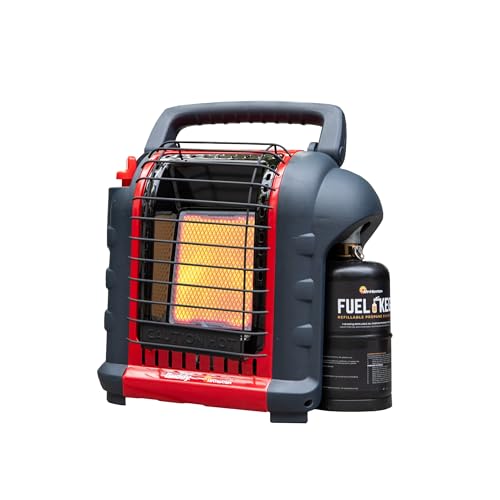
- BWP Score9.3
BWP Score is a ranking system developed by Bestwinterproducts.com. BWP score has no relationship or impact from any manufacturers or sales agent websites. Learn more
- BrandMr. Heater

- BWP Score9.3
BWP Score is a ranking system developed by Bestwinterproducts.com. BWP score has no relationship or impact from any manufacturers or sales agent websites. Learn more
- BrandMr. Heater

- BWP Score7.9
BWP Score is a ranking system developed by Bestwinterproducts.com. BWP score has no relationship or impact from any manufacturers or sales agent websites. Learn more
- BrandMr. Heater
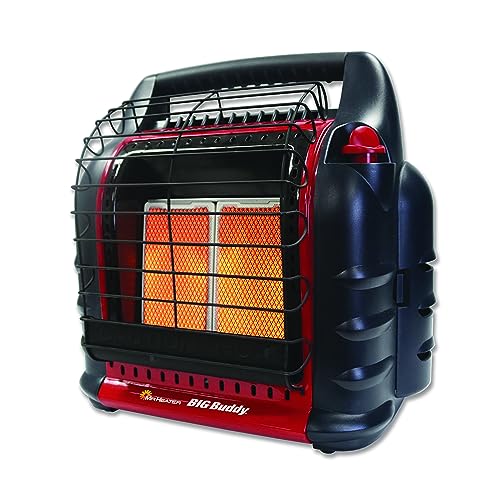
- BWP Score7.4
BWP Score is a ranking system developed by Bestwinterproducts.com. BWP score has no relationship or impact from any manufacturers or sales agent websites. Learn more
- BrandMr. Heater

- BWP Score7.1
BWP Score is a ranking system developed by Bestwinterproducts.com. BWP score has no relationship or impact from any manufacturers or sales agent websites. Learn more
- BrandMr. Heater
Last update on 2026-10-11 / Affiliate links / Images, Product Titles, and Product Highlights from Amazon Product Advertising API
Frequently Asked Questions
Can you safely sleep with a portable propane heater running?
You should shut the heater off completely before going to sleep. While built-in oxygen sensors and tip switches provide reliable protection, blankets, pillows, or sleeping bags can shift during the night and violate the three-foot safety buffer. Warm your sleeping area thoroughly before getting into bed, turn the gas valve completely off, and use insulated blankets or cold-weather sleeping bags to hold that warmth until morning.
Do portable propane heaters smell like gas or exhaust during operation?
A properly operating heater burns cleanly and produces almost no noticeable odor during steady use. You may smell a tiny burst of unburned gas for a few seconds right when lighting the pilot or when shutting the control knob off. If you notice a persistent, strong odor of rotten eggs or raw fuel while the unit runs, turn the heater off immediately, move it outdoors, and inspect your fuel connections for leaks.
Why does the pilot light go out as soon as I let go of the knob?
The safety sensor requires sufficient heat from the pilot flame before it will hold the internal gas valve open on its own. If you release the control knob immediately after the flame appears, the cold thermocouple assumes the flame failed and snaps the gas supply shut. Keep the control dial pressed down firmly for thirty to forty-five seconds after ignition so the sensor can warm up completely before you let go.
Will a portable propane heater set off household smoke alarms?
A clean-burning propane heater will not activate standard household smoke detectors because clean combustion produces heat and water vapor rather than smoke particles. However, if the heater has gathered dust on its internal ceramic tile while sitting in a closet or garage over the summer, that dust can burn off with a slight haze during the first few minutes of winter operation. Run your heater outside or in an open garage for twenty minutes at the start of each season to burn off dust cleanly.


Best Warm Winter Scarves 2026 For Cozy Comfort

Best Green Ski Goggles 2026 For Clear Vision On Slopes

12 Best Corner Electric Fireplace 2026: My Ultimate Guide To Pick One

Best Battery Powered Snow Blower 2026 For Effortless Snow Clearing

Best Ski Goggles Under 30 Inches For Crisp Vision And Comfort

Best Cooling Scarf 2026 For Instant Relief And Comfort

Fake Snow for Grass: Create a Realistic Winter Lawn Display

Dimplex Prism Wall Mount Fireplace: Sleek Heat With Modern Flame Style





