
Are Natural Gas Heaters Expensive to Run?

Check the fuel label on the heater to confirm it burns piped natural gas instead of relying on electric coils or bottled propane. That quick check brings good news, because natural gas heaters are remarkably cheap to run compared to almost any other heating option. Piped gas delivers steady heat for far less money per hour than portable electric units, keeping chilly rooms comfortable without triggering painful bill shocks.
What you actually spend each month still hinges on a few local conditions. Winter utility rates differ across the country, while drafty windows and thin insulation force the burner to work harder. The physical size of the heater, its venting style, and your target temperature also change your fuel use. Here is how the hourly numbers work out, how gas stacks up against electricity, and simple ways to keep heating costs comfortably low.
Comparing Natural Gas Operating Costs to Electricity and Propane
When winter utility bills arrive, many homeowners worry that turning on a gas heater will cause a sudden spike in monthly expenses. That worry often leads people to freeze in under-heated rooms or turn on small electric space heaters, assuming plug-in units are cheaper to run. In reality, utility natural gas is consistently one of the most economical heating fuels available in the United States. To see why, you only need to compare how much usable heat each energy source delivers for every dollar spent.
Electric space heaters use metal coils or ceramic elements that convert electricity directly into heat. While electric heaters turn nearly all their power into warmth, electricity is a costly way to heat a room. A standard portable electric heater pulls 1,500 watts of power from a wall outlet and produces about 5,120 BTUs (British Thermal Units, the standard measurement of heat output) per hour. At typical residential electricity rates of 15 to 20 cents per kilowatt-hour, running that single heater costs between 23 and 30 cents an hour. Running multiple electric space heaters for eight hours a day can add over $100 to your monthly power bill while barely warming drafty corners.
Natural gas operates on a much cheaper scale. Utility companies bill natural gas in therms, where one therm represents roughly 100,000 BTUs of heat energy. To produce that same 100,000 BTUs using electric heaters, you must consume about 29 kilowatt-hours of electricity. At standard electric rates, that electric warmth costs between $4.00 and $6.00. In contrast, one therm of natural gas usually costs between $1.00 and $2.00 on most utility bills. For the exact same volume of warmth delivered into your living space, natural gas is often three to four times cheaper than electricity.
Propane is another common fuel, especially in rural areas without underground gas lines. Propane is delivered by truck and stored in an outdoor yard tank. While propane burns cleanly and produces intense warmth, suppliers include delivery fees, tank rental costs, and transportation surcharges. Propane is sold by the gallon, with each gallon containing roughly 91,500 BTUs. In most winter markets, a gallon of propane costs noticeably more than an equivalent therm of pipeline gas. When your home has an active natural gas utility hookup, piped gas avoids those delivery markups, keeping your fuel costs far lower than tank propane.
How to Calculate Your Hourly and Monthly Running Cost
You do not have to guess what your gas heater costs to operate. You can calculate your exact hourly and monthly expenses using a few basic numbers found directly on your gas bill and on your heater label. Taking five minutes to run this simple calculation provides clear peace of mind before cold weather settles in.
- Find your cost per therm on your gas bill. Check your most recent utility statement for gas delivery and supply charges. Gas companies bill in therms, which is the standard billing unit representing roughly 100,000 BTUs of heat. Divide your total monthly gas charge by the therms used to find your real, all-in cost per therm, including local taxes and meter fees. Most households pay between $1.10 and $1.85 per therm.
- Locate the BTU rating on your heater. Every heater has a metal manufacturer label on the back, side, or inside the access panel. This plate lists the maximum BTU rating (heat output measurement) per hour. A small room heater might be rated at 10,000 BTUs, a living room model at 30,000 BTUs, and a garage heater at 80,000 BTUs.
- Calculate your hourly fuel usage. Divide your heater BTU rating by 100,000. This tells you what fraction of a therm the heater burns during an hour of continuous operation. For example, a 10,000 BTU unit consumes 0.10 therms per hour (10,000 divided by 100,000). A 30,000 BTU model burns 0.30 therms per hour, while an 80,000 BTU heater burns 0.80 therms.
- Multiply your fuel usage by your therm rate. Multiply that decimal number by your local cost per therm. If your gas rate is $1.40 per therm and you run a 30,000 BTU heater on high, multiply 0.30 by $1.40. That equals 42 cents per hour of continuous burning. A 10,000 BTU heater costs only 14 cents per hour under the same gas rate.
- Factor in your daily burner run time. Heaters with a built-in thermostat control do not burn fuel constantly. The burner fires until the room reaches your target temperature, shuts off, and re-lights only when the room cools. In a well-insulated room, the burner may run only 20 minutes an hour. Running a 30,000 BTU heater across an eight-hour evening might total only two to three hours of burn time, costing around $1.00 for the night.
When heating an outbuilding or detached workspace, comparing these numbers against an electric heater for a garage with a thermostat highlights the difference. Electric garage heaters draw heavy wattage to warm cold concrete, while a natural gas burner generates high heat quickly so the thermostat shuts down fuel flow sooner.
Ventless Versus Direct-Vent Models and Hidden Efficiency Drains
How your heater vents exhaust directly affects how much warmth stays inside your living space and how much fuel you burn. Gas space heaters fall into two main categories: ventless models and direct-vent models. Each style handles heat delivery and air exchange differently.
Ventless heaters (also called unvented models) do not require a chimney or flue pipe. Because all combustion stays inside the room, nearly 100 percent of the heat produced by the flame warms your living space. None of the warmth escapes through an exhaust pipe to the outdoors. This makes ventless heaters the cheapest to run per hour, squeezing the maximum heat out of every cent on your bill. But because ventless units release harmless combustion moisture directly into the room, they require adequate room square footage and normal air circulation so water vapor does not collect on window panes.
Direct-vent heaters use a sealed pipe installed straight through an exterior wall. They pull combustion air from outside and vent all exhaust gases outdoors. Because some heat naturally leaves through the vent pipe, direct-vent heaters operate between roughly 70 percent and 85 percent efficiency. You pay slightly more in monthly fuel to produce the same room warmth compared to an unvented unit, but direct-vent heaters keep indoor air completely sealed and prevent moisture buildup, making them great for closed rooms and bedrooms.
Even with an efficient heater, certain household habits and room conditions can drive your gas usage higher than expected. If your monthly statement seems higher than your calculations, check for these four common efficiency drains:
- Hidden air leaks around doors and windows: Drafts pulling cold air across the floor force your heater to run continuously without cycling off.
- Thermostat dialed up too high: Cranking the temperature dial higher than necessary keeps the burner firing for hours, burning extra therms without providing better comfort.
- Dust and lint blocking burner ports: Dirty burners prevent proper air and gas mixing, which reduces heat output and wastes fuel through sluggish combustion.
- Running nearby exhaust fans: Bathroom fans or kitchen range hoods pull warm air straight outside, forcing your heater to replace that lost heat constantly.
Always practice safe action if you notice a yellow or uneven flame, soot on the heater cabinet, or the smell of gas. Turn the manual shutoff valve clockwise to cut the gas supply, open a window, step outside, and call your local gas utility or a qualified heating technician to check the unit before using it again.
How Supplemental Zone Heaters Cut Your Total Winter Bill
Using a supplemental natural gas room heater is one of the most effective ways to lower your total winter heating bills through zone heating. Most homes use a central furnace that burns large quantities of fuel to push heated air through long ducts into empty bedrooms, hallways, and unoccupied spaces. Keeping an entire house at 72 degrees Fahrenheit wastes significant money every cold night.
Zone heating allows you to lower your central thermostat down to a cooler baseline, such as 64 degrees Fahrenheit, while using a dedicated gas heater to warm only the room your family is occupying. Heating a 400-square-foot living room to a cozy temperature takes far less fuel than warming a whole 2,000-square-foot home. This practice also works well if you want to heat a three-season space or enclosed patio. Setting up a dedicated heater for an enclosed porch lets you enjoy bright outdoor views in winter without running your central furnace harder.
When selecting a supplemental natural gas heater to reduce your heating costs, keep these essential features in mind before purchasing:
- Thermostat control: Choose a model with a built-in thermostat dial that cycles the flame on and off automatically. Models with only manual high, medium, and low switches require constant attention and easily waste gas if left on high.
- Proper BTU sizing: Match the heater output to your room size. A heater that is too small runs constantly without warming the space, while an oversized unit causes rapid temperature swings that burn fuel inefficiently.
- Certified safety shutoffs: Look for units equipped with an automatic oxygen depletion sensor (ODS) and a safety pilot valve that instantly shuts off gas flow if the pilot flame goes out.
- Mounting versatility: Decide whether a slim wall-mounted unit fits your room best to save floor space, or if you prefer base feet for stable placement on the floor near your gas connection.
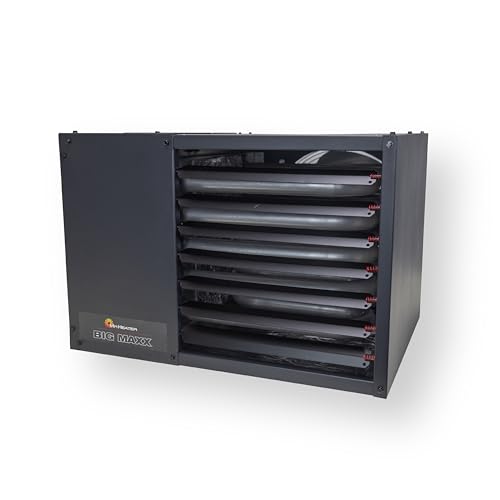
- BWP Score8.5
BWP Score is a ranking system developed by Bestwinterproducts.com. BWP score has no relationship or impact from any manufacturers or sales agent websites. Learn more
- BrandMr. Heater

- BWP Score9.7
BWP Score is a ranking system developed by Bestwinterproducts.com. BWP score has no relationship or impact from any manufacturers or sales agent websites. Learn more
- BrandComfort Glow

- BWP Score7.3
BWP Score is a ranking system developed by Bestwinterproducts.com. BWP score has no relationship or impact from any manufacturers or sales agent websites. Learn more
- BrandProCom

- BWP Score7.9
BWP Score is a ranking system developed by Bestwinterproducts.com. BWP score has no relationship or impact from any manufacturers or sales agent websites. Learn more
- BrandMr. Heater

- BWP Score7.5
BWP Score is a ranking system developed by Bestwinterproducts.com. BWP score has no relationship or impact from any manufacturers or sales agent websites. Learn more
- BrandProCom
Last update on 2026-10-08 / Affiliate links / Images, Product Titles, and Product Highlights from Amazon Product Advertising API
FAQs
Does a standing pilot light on a natural gas heater waste a lot of money?
A standing pilot light burns a tiny flame that uses only a fraction of a therm each day. In most areas, leaving a pilot lit costs around five to eight dollars per month. While electronic spark ignitions save that small fuel amount, a standing pilot keeps the burner chamber dry and allows the heater to provide warmth during electrical power outages without needing household current.
Is it cheaper to leave a natural gas heater on low all day or turn it on only when needed?
It is almost always cheaper to turn your heater off or dial it down when leaving the room. Running a heater on low all day steadily loses warmth through exterior walls and windows, burning therms to heat an empty space. Turning the unit on only when you occupy the room allows the burner to warm the air quickly, reducing your total daily burn time.
Can a natural gas space heater keep working during an electrical power outage?
Many natural gas space heaters operate independently of your home electrical wiring. They rely on internal millivolt generators powered by the pilot flame or simple mechanical valves that open and close using room temperature sensors. Because they do not need a wall plug or household circuit breaker, they supply dependable heat when winter storms knock out neighborhood electricity.


Best Warm Winter Scarves 2026 For Cozy Comfort

Best Green Ski Goggles 2026 For Clear Vision On Slopes

12 Best Corner Electric Fireplace 2026: My Ultimate Guide To Pick One

Best Battery Powered Snow Blower 2026 For Effortless Snow Clearing

Best Ski Goggles Under 30 Inches For Crisp Vision And Comfort

Best Cooling Scarf 2026 For Instant Relief And Comfort

Fake Snow for Grass: Create a Realistic Winter Lawn Display

Dimplex Prism Wall Mount Fireplace: Sleek Heat With Modern Flame Style





