
Are Natural Gas Wall Heaters Safe for Indoor Use?

Yes, modern gas wall heaters are safe for indoor use. Built-in shut-off switches cut the fuel supply immediately if the flame goes out. Even so, how the unit vents makes all the difference for your indoor air. Models that pipe exhaust directly outside through an exterior wall keep fumes out of your home, making them the most reliable choice for everyday heating.
The situation changes with vent-free models that exhaust directly into your living space. These units rely on fresh airflow and need a room large enough to prevent oxygen levels from dropping. Most building codes also restrict them in small or closed areas like bedrooms and bathrooms. Your safety depends on matching the right venting style to your room, keeping clear space around the heater, and installing working carbon monoxide alarms. Here is how to tell if a gas wall heater fits your space safely.
Direct-vent heaters exhaust outdoors while vent-free models release fumes inside
Natural gas produces heat by burning fuel, but that chemical reaction also creates water vapor, carbon dioxide, and microscopic amounts of carbon monoxide. How your heater handles those byproducts determines whether it is safe for your living space. The big distinction comes down to where those combustion fumes travel once the burner lights.
A direct-vent wall heater uses a sealed pipe that vents exhaust fumes straight outside through an exterior wall. The combustion chamber is completely closed off from the room air. The heater draws fresh air from outdoors to feed the flame, and it pushes all exhaust gases right back outside through the pipe. Because this cycle is completely sealed, the air inside your living room stays untouched. You do not breathe combustion gases, and indoor humidity levels stay balanced.
A vent-free heater (often called an unvented or ventless heater) works very differently. It mounts directly onto a wall without any pipe leading outdoors. The unit draws the oxygen it needs straight from your room and discharges all of its heat, along with its combustion exhaust, directly back into your home. Modern vent-free heaters burn at nearly 100 percent fuel efficiency, but nearly complete combustion is not completely fume-free.
When you run an unvented gas heater, you share the room with the exhaust. Burning natural gas produces water vapor as a normal byproduct. In a cold room, that extra moisture hits cold window glass and drywall, creating condensation that can lead to mold behind baseboards. If dust settles on the burner or room oxygen drops, the heater can also produce carbon monoxide, an invisible gas that causes severe illness. For general indoor safety, direct-vent units offer the cleanest setup because fumes never enter the air you breathe.
Never install vent-free heaters in bedrooms or tiny closed spaces
Room location is the single most important factor when putting a gas heater in your home. Building codes across the country enforce strict limits on where unvented gas heaters can be installed. Bedrooms and bathrooms sit at the top of the prohibited list for clear safety reasons.
A bedroom door stays closed for six to eight hours every night. If an unvented heater runs in a closed room while you sleep, it slowly consumes the available oxygen while adding moisture and fumes to the air. Because you are asleep, you cannot notice early warning signs like a dry throat, headache, or dizziness. Bathrooms present a similar risk because they have very small square footage, which allows fumes to concentrate quickly. Regional gas codes almost universally ban unvented heaters in bathrooms unless the unit has an extremely small output, typically 6,000 BTU or less.
For bedrooms and small private spaces, direct-vent wall heaters are generally permitted because their sealed pipes prevent exhaust from entering the room. If an exterior wall is not available for venting, a dedicated electric unit is a far safer alternative for a sleeping area.
Room volume matters just as much as the room type. Unvented heaters require a minimum amount of air to burn safely, typically calculated as 50 cubic feet of room space for every 1,000 BTU of heater output. A 10,000 BTU heater, for instance, requires at least 500 cubic feet of connected living space, which equals a small 8-foot by 8-foot room with an 8-foot ceiling. Installing a heater that is too powerful for a small space rapidly strips the oxygen from the air.
Specialty living spaces face even stricter rules. Manufactured homes have airtight building envelopes that trap gases quickly. Before adding gas heat to these spaces, reviewing rules for the best heater for mobile home setups will show you which vented systems are approved. In semi-outdoor rooms, drafts and poor insulation introduce different challenges, so checking options for the best heater for enclosed porch spaces can help you match heating capacity to open airflow.
Built-in sensors shut off gas before oxygen levels drop dangerously
Modern natural gas wall heaters rely on specialized mechanical safety switches to stop hazards before they start. The most critical component on any indoor vent-free unit is the oxygen depletion sensor (a safety switch that shuts off gas if room oxygen drops). Normal, healthy indoor air contains roughly 20.9 percent oxygen. If an unvented heater runs in a closed space and consumes oxygen faster than fresh air comes in, the oxygen level drops. If that level dips toward 18 percent, the sensor reacts immediately.
The oxygen depletion sensor uses a precision pilot flame aimed directly at a thermocouple (a small metal rod that turns heat into a mild electrical signal to keep the gas valve open). When room oxygen drops, the pilot flame naturally changes shape and lifts away from the sensor. Within seconds, the sensor cools down, loses electrical voltage, and triggers the gas valve to snap shut. This cuts the gas supply completely, shutting down the heater before oxygen reaches dangerous levels and before the flame starts producing heavy carbon monoxide.
Direct-vent heaters use their own mechanical safeguards. They feature a sealed burn box, electronic ignition, and a safety pilot with a built-in pressure regulator. The regulator keeps fuel flow steady, preventing sudden flame flare-ups. If a strong gust of outdoor wind or a draft blows the pilot light out, the thermocouple cools down and stops the gas flow instantly. This prevents unburned, raw natural gas from seeping into your wall or living area.
These safety parts are mechanical and dependable, but they are not foolproof. Thick dust, pet hair, or spider webs can clog the small air passage in the pilot assembly. When that happens, the sensor can trigger false shut-offs or fail to read the flame accurately. For this reason, built-in sensors should be viewed as an emergency backstop, not a reason to run an unvented heater in an unventilated room.
Follow four basic rules to operate your gas heater safely
Even a well-built gas wall heater requires sensible household habits to stay safe over years of cold weather. Putting four basic operating rules into practice keeps your living space warm while eliminating everyday fire and air quality risks.
- Maintain the 3-foot safety buffer: Clearance means the empty space required between the heater and flammable items. Gas wall heaters produce intense surface heat. Radiant plaque models warm objects directly, like sunshine on a cold morning, while blue-flame models warm the circulating room air. Both styles make the front grille very hot. Keep curtains, blankets, rugs, upholstered furniture, and paper piles at least 3 feet away from the front and sides of the unit. Keep pet beds outside this 3-foot perimeter, and teach children never to touch the metal housing.
- Install carbon monoxide alarms outside every bedroom: A built-in heater sensor does not replace a household carbon monoxide alarm. Every home that uses natural gas needs certified carbon monoxide alarms on every floor and directly outside each sleeping area. Check the alarm monthly using its diagnostic button, and replace the backup batteries every year so you stay protected during winter power outages.
- Turn unvented heaters off before sleeping: Never leave an unvented natural gas heater running overnight while you sleep or while you are away from home. These units are built for supplemental warmth while people are awake and moving around the house. If you need steady warmth overnight in a detached workshop or home addition, consider using an best electric heater for garage with thermostat instead of a vent-free gas burner.
- Vacuum the grilles and schedule yearly service: Dust and lint collect along the lower intake openings during warm summer months. When you turn the heater on in the fall, that debris blocks air from reaching the flame, causing incomplete combustion, soot, and odd smells. Vacuum the intake louvers every month during winter using a soft brush tool. Once a year, hire a licensed professional to inspect the gas pipe, verify fuel pressure, and clean the burner pilot.
Yellow flames and chemical smells signal an immediate safety emergency
You do not need technical equipment to know when a natural gas wall heater is failing. Your eyes, nose, and body provide quick clues about how cleanly the gas is burning.
Look at the burner flame while the unit runs. A safe, properly functioning natural gas flame is quiet, steady, and crisp blue, with only tiny flecks of yellow at the very tips. A blue flame proves that the gas is mixing with enough oxygen to burn cleanly. If you see tall, floppy, flickering yellow or orange flames, the burner is starving for air. Yellow flames mean the unit is producing soot and elevated levels of carbon monoxide. If the flame turns yellow, shut the unit down and do not use it until a technician inspects the assembly.
Trust your senses when it comes to smells and moisture. Gas companies add a harmless odor called mercaptan to natural gas lines, which smells like rotten eggs or sulfur. If you smell rotten eggs near the heater, you have a raw gas leak. In addition, watch for physical signs in the room. If your eyes burn, if you notice a sharp, acrid chemical odor, or if water is running down your windows in heavy sheets, the heater is venting too many combustion byproducts directly into your air.
Learn the warning signs of carbon monoxide poisoning. Early exposure feels like a mild winter flu without a fever. Common symptoms include a dull headache, dizziness, nausea, unexplained fatigue, and confusion. If multiple people in the room feel sick at the same time, or if your pets seem unusually sluggish or disoriented, carbon monoxide may be building up in the room.
If you smell raw gas or suspect carbon monoxide, take safe action immediately:
- Turn the heater control knob to off only if it is directly on your way out the door.
- Do not flip any light switches, do not unplug appliances, and do not light matches, as a tiny spark can ignite leaking gas.
- Get every person and pet out of the house immediately, leaving the entry doors open to help vent the space.
- Move across the street to a safe location and call 911 or your local gas utility from your phone.
- Stay outside until emergency crews inspect the home with gas meters and declare it completely safe to enter.
Look for sealed venting and automatic shut-off safety valves
Selecting a safe natural gas wall heater comes down to choosing the right venting style for your specific room layout and confirming that the unit has essential automatic safety cutoffs.
If you plan to heat a bedroom, an office with closed doors, or a tightly built room without open ventilation, choose a direct-vent wall heater. Because a direct-vent unit pulls outdoor air through an exterior wall and vents all combustion gases back outside, it protects your indoor air quality and prevents indoor condensation. These units require an exterior wall for installation, but they offer the highest level of safety for closed living areas.
If you want supplemental warmth for an open living room, a family room with high ceilings, or a well-ventilated space, a vent-free model can work well. When shopping for an unvented unit, confirm that it has a certified oxygen depletion sensor and an automatic shut-off valve that stops gas flow if the pilot flame goes out. Look for a recognized safety certification mark, like CSA or UL, on the product label to ensure the unit meets national standards for indoor fuel-burning appliances.
Always match the heater's heat output to the actual square footage of your room. Putting an oversized heater in a small room causes the unit to short-cycle, turning on and off rapidly. Short-cycling wastes fuel, creates excess moisture, and burns through room oxygen quickly. Check the room size recommendations on the unit, measure your space before buying, and hire a licensed gas technician to run the lines and verify draft pressure. Proper sizing and professional installation guarantee that your wall heater provides reliable warmth without compromising your household safety.

- BWP Score9.7
BWP Score is a ranking system developed by Bestwinterproducts.com. BWP score has no relationship or impact from any manufacturers or sales agent websites. Learn more
- BrandComfort Glow

- BWP Score9.7
BWP Score is a ranking system developed by Bestwinterproducts.com. BWP score has no relationship or impact from any manufacturers or sales agent websites. Learn more
- BrandDyna-Glo

- BWP Score8.8
BWP Score is a ranking system developed by Bestwinterproducts.com. BWP score has no relationship or impact from any manufacturers or sales agent websites. Learn more
- BrandComfort Glow
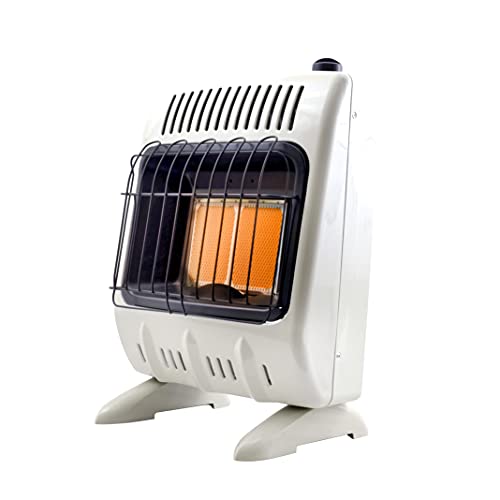
- BWP Score8.8
BWP Score is a ranking system developed by Bestwinterproducts.com. BWP score has no relationship or impact from any manufacturers or sales agent websites. Learn more
- BrandMr. Heater

- BWP Score8.0
BWP Score is a ranking system developed by Bestwinterproducts.com. BWP score has no relationship or impact from any manufacturers or sales agent websites. Learn more
- BrandMr. Heater

- BWP Score7.5
BWP Score is a ranking system developed by Bestwinterproducts.com. BWP score has no relationship or impact from any manufacturers or sales agent websites. Learn more
- BrandProCom
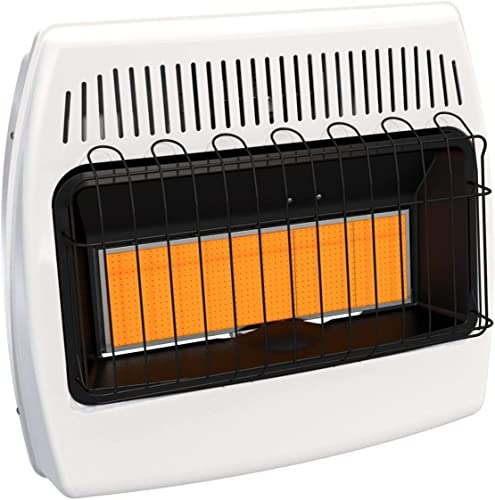
- BWP Score7.3
BWP Score is a ranking system developed by Bestwinterproducts.com. BWP score has no relationship or impact from any manufacturers or sales agent websites. Learn more
- BrandJEWUNO
Last update on 2026-10-08 / Affiliate links / Images, Product Titles, and Product Highlights from Amazon Product Advertising API


Best Warm Winter Scarves 2026 For Cozy Comfort

Best Green Ski Goggles 2026 For Clear Vision On Slopes

12 Best Corner Electric Fireplace 2026: My Ultimate Guide To Pick One

Best Battery Powered Snow Blower 2026 For Effortless Snow Clearing

Best Ski Goggles Under 30 Inches For Crisp Vision And Comfort

Best Cooling Scarf 2026 For Instant Relief And Comfort

Fake Snow for Grass: Create a Realistic Winter Lawn Display

Dimplex Prism Wall Mount Fireplace: Sleek Heat With Modern Flame Style





