
Are Oil-Filled Radiator Heaters Efficient to Run?

Shut the door and check for window drafts before choosing an oil radiator. That quick check matters because all electric heaters turn power into heat at the same rate on paper. The real difference is that oil holds warmth like a heated stone. Once the fluid inside gets hot, it continues to keep a room warm with fewer power cycles, quietly coasting even while the heating element takes a break.
Whether that saves money on a power bill comes down to how the space is used. These radiators shine during long stretches in closed rooms under 150 square feet, especially when turned down to lower wattage settings once the room settles. Expecting instant heat in a drafty, open space will only drive up electricity costs. Here is how that heat storage really works and how to set the heater so it never spikes your bill.
The Truth About Electric Heater Efficiency
Every electric space heater sold in the United States turns 100 percent of its electricity into heat. From an engineering standpoint, electric resistance heating has no exhaust pipe, no chimney, and no flue loss. Whether you plug in a cheap plastic fan heater or a heavy metal oil radiator, every single watt of electric power draw becomes heat inside your room. A standard 1500-watt heater running at maximum power produces roughly 5,120 British Thermal Units (BTU) of warmth per hour, no matter what it looks like on the outside.
That means no portable electric heater can produce extra heat out of thin air. When heater packaging claims high efficiency, it does not mean the unit breaks the laws of physics. It simply means the heater manages that heat effectively once it creates it. True efficiency for your wallet comes down to two things: where that heat goes, and how long it stays in the room.
Electric heaters save real money on your power bill only when you practice zone heating. Zone heating means turning down your central home thermostat by 5 to 10 degrees and using a portable unit to warm only the room you are currently using. If you leave your central furnace running at 72 degrees and plug in space heaters all over the house, your electric bill will rise quickly. But if you spend the evening in a closed 150 square foot home office or bedroom, warming just that space with a portable heater lets your main furnace rest, which lowers your total monthly energy cost.
An oil radiator excels at this kind of steady, localized heating. Because it warms the entire room gradually instead of shooting hot air in one narrow direction, you do not feel cold drafts the second you move away from the unit. That steady comfort is why people often report lower bills with oil heaters: they feel comfortable at a lower thermostat setting, and they leave the unit running on lower wattage without feeling chilled.
Oil Radiators Versus Fan Heaters for Long Heating Sessions
Understanding how an oil radiator compares to a traditional fan heater helps you choose the right tool for your room. A fan heater uses a ceramic heating element that warms up in seconds, paired with a small electric fan that pushes warm air across the room. It delivers immediate, intense warmth directly to your skin, which feels fantastic when you first walk inside from the snow. But that forced hot air rises straight to the ceiling, leaving the floor cold. The second the fan clicks off, your body immediately notices the drop in temperature.
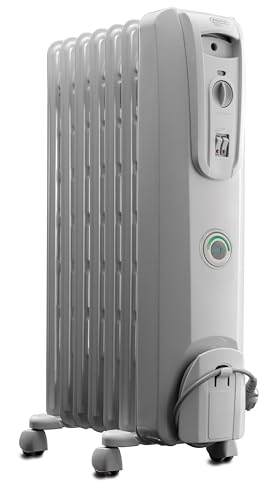
An oil-filled radiator operates on an entirely different principle. Inside its welded metal fins is a sealed reservoir of specially formulated diathermic oil. This oil is never burned as fuel, and you never have to refill or change it. Instead, an electric element inside the base warms the fluid, which circulates through the fins. The large metal exterior warms the surrounding air through natural warm air rising (convection), while also sending out gentle radiant heat that warms nearby walls, floors, and furniture directly.
This difference in heat delivery changes how much electricity you burn during long sessions. A fan heater causes constant temperature swings. The room heats rapidly, the built-in thermostat cuts power, the lightweight ceramic element cools instantly, and the room feels chilly five minutes later. That constant on-and-off cycling draws repeated spikes of power. If you are trying to stay warm for an entire workday or through the night, a fan heater keeps working hard to fight the sudden drops in room temperature.
An oil radiator creates a balanced blanket of warmth. Because it warms the solid surfaces in the room, the space stays evenly warm from floor to ceiling. It also runs in complete silence, which makes it ideal for bedrooms and home offices where the whir and clicking of a fan heater can disrupt your sleep or concentration. If you need quick heat for 10 minutes, a fan heater is faster. But if you plan to stay in the room for several hours, an oil radiator delivers far more consistent comfort on less active power.
Why Heat Retention Lowers Cycling and Protects Your Power Bill
The secret to why oil-filled radiators feel so economical over long periods is thermal retention, which simply means holding heat after shutoff. The specialized oil inside the fins has a high capacity for absorbing and storing thermal energy. It acts like a thermal battery, soaking up heat while drawing electricity, and releasing that warmth slowly into the room long after the electric heating element turns off.
When the temperature dial on an oil radiator reaches your set comfort level, the internal switch clicks and cuts the power draw to zero watts. If this were a ceramic fan heater, your room would immediately start cooling down. With an oil radiator, the heavy metal fins and the hot fluid inside remain hot to the touch for 30 to 45 minutes. The heater continues to warm the room using stored energy that you have already paid for on your electric meter.
This long cooldown period significantly reduces how often the heater needs to cycle back on. Instead of switching on every few minutes to fight off a drop in room temperature, an oil radiator can rest for extended stretches while its fins do the work. Over an eight-hour night, those longer resting periods translate directly into fewer kilowatt-hours pulled from your wall outlet. You get steady warmth across the entire night without the heater pulling a continuous 1500 watts.
Running on lower electrical demand also protects your household wiring. Standard space heaters in the United States pull up to 1,500 watts, which is around 12.5 amps on a standard 120-volt household circuit. Running near the 15-amp limit of a typical home breaker can trip switches, especially if other appliances share the circuit. By allowing the unit to coast on retained warmth and dropping to lower power modes, you keep your electrical load manageable and prevent overloaded breakers.
When an Oil Radiator Wastes Power (and Four Steps to Prevent It)
An oil-filled radiator is not the right choice for every situation, and using one in the wrong environment will quickly drive up your electric bill. Because it relies on natural air circulation and steady heat buildup, it struggles in spaces that cannot hold onto warmth. Before setting one up, check your room against these common problem scenarios:
- Drafty or uninsulated spaces: In rooms with rattling single-pane windows or cracked door seals, cold air enters faster than the radiator can release warmth. If you need a heater to warm drafty spaces, an oil radiator will simply run non-stop on high power without ever warming the room.
- Large, open-concept floor plans: A standard 1500-watt radiator is designed to heat a closed space up to 150 square feet. Putting one in a 400 square foot open living room means the heater will never satisfy its thermostat, causing it to draw maximum wattage continuously.
- Short, quick visits: If you only need to take off your coat, unpack groceries, or use a workshop bench for 15 minutes, waiting for an oil radiator to warm up wastes electricity. The unit will just be getting warm as you walk out the door.
- High ceilings: In rooms with two-story or vaulted ceilings, the rising warm air collects high above your head, leaving you cold at floor level and forcing you to crank the thermostat dial higher than necessary.
If your room fits the right profile, you can keep your electric bill low by following four simple operating rules:
- Start on high, then drop the power level: Turn the heater to its maximum 1500W setting for the first 30 to 45 minutes to bring the oil reservoir and the room up to your desired temperature. Once the room feels comfortable, switch the unit down to its low (600W) or medium (900W) heat setting. The lower power level uses far less electricity while easily maintaining the warmth already stored in the fins.
- Set the thermostat dial by ear: Turn the temperature dial all the way up until the room reaches your preferred warmth. Then, slowly turn the dial backward until you hear a soft mechanical click. That click marks your current room temperature. Leave the dial right there, and the heater will cycle itself on and off automatically to hold that exact warmth without overheating the room.
- Close the door and seal basic gaps: Keep interior doors closed to trap the natural convection loop inside your space. Roll up a towel to block drafts under the doorway and pull your window curtains shut at sunset. Keeping the warmth contained allows the heater to rest for much longer periods.
- Use a timer to capture stored heat: If your unit includes a built-in timer, set it to turn the heater on 30 minutes before you enter the room, and program it to shut off 30 minutes before you leave or wake up. The thermal retention of the oil will keep the room warm until you walk out, giving you free heat during that final half hour.
Always practice strict electrical safety when running these units. Plug the heater directly into a dedicated wall outlet, never into an extension cord, power strip, or surge protector, as these extra connections can overheat, melt, and spark fires. Maintain a 3-foot safety buffer between the heater fins and any combustible materials, including blankets, curtains, rugs, and furniture. If your wall outlet feels warm to the touch or your circuit breaker trips repeatedly, turn the heater off, unplug it, and consult a licensed electrician to inspect your wiring.
What to Look for in an Energy-Smart Oil-Filled Radiator
When selecting an oil-filled radiator to manage your winter power bills, specific hardware features make a substantial difference in day-to-day operating costs. Look for models that offer three distinct heat settings, typically 600 watts on low, 900 watts on medium, and 1500 watts on high. Having multiple wattage levels lets you match the heater output to the weather outside, running on low power during mild autumn chills and saving the full 1500 watts for freezing mid-winter nights.
Thermostat control is equally critical. Whether you prefer a classic mechanical dial or a digital temperature display, the thermostat must react reliably to shifts in room temperature. A sensitive thermostat prevents room overheating, which is the fastest way to waste power. Units with built-in 24-hour timers or programmable shutoff schedules provide an extra layer of savings by eliminating human error, ensuring the heater never runs unnoticed in an empty bedroom or home office.
Pay close attention to physical fin design and safety listings. Radiators with slotted or curved metal fins provide greater surface area, which helps disperse stored heat into the air more evenly. Always check the manufacturer label to ensure the unit carries a recognized safety certification mark, such as an ETL or UL listing. Essential safety mechanisms must include a tip-over safety switch that cuts power instantly if the unit is knocked over by a child or pet, alongside an automatic overheat sensor that shuts the unit off if internal parts get dangerously hot. When you pair solid safety features with a precise thermostat, much like choosing a reliable electric heater with a built-in thermostat for a dedicated workshop, you get steady comfort without unpleasant surprises on your utility bill.

- BWP Score9.4
BWP Score is a ranking system developed by Bestwinterproducts.com. BWP score has no relationship or impact from any manufacturers or sales agent websites. Learn more
- BrandDREO
- BWP Score8.9
BWP Score is a ranking system developed by Bestwinterproducts.com. BWP score has no relationship or impact from any manufacturers or sales agent websites. Learn more
- BrandDe'Longhi

- BWP Score8.1
BWP Score is a ranking system developed by Bestwinterproducts.com. BWP score has no relationship or impact from any manufacturers or sales agent websites. Learn more
- BrandPELONIS

- BWP Score8.0
BWP Score is a ranking system developed by Bestwinterproducts.com. BWP score has no relationship or impact from any manufacturers or sales agent websites. Learn more
- BrandDUMOS

- BWP Score7.9
BWP Score is a ranking system developed by Bestwinterproducts.com. BWP score has no relationship or impact from any manufacturers or sales agent websites. Learn more
- BrandPELONIS

- BWP Score7.8
BWP Score is a ranking system developed by Bestwinterproducts.com. BWP score has no relationship or impact from any manufacturers or sales agent websites. Learn more
- BrandSUNGDOGIN

- BWP Score7.7
BWP Score is a ranking system developed by Bestwinterproducts.com. BWP score has no relationship or impact from any manufacturers or sales agent websites. Learn more
- BrandDREO

- BWP Score7.4
BWP Score is a ranking system developed by Bestwinterproducts.com. BWP score has no relationship or impact from any manufacturers or sales agent websites. Learn more
- BrandG-Ocean
Last update on 2026-10-06 / Affiliate links / Images, Product Titles, and Product Highlights from Amazon Product Advertising API
Frequently Asked Questions
Do oil radiators use less electricity than fan heaters?
Both heaters use the exact same amount of electricity per hour when running at 1500 watts. However, an oil radiator often lowers your total electric bill during long sessions because it retains heat inside its reservoir. Once the room is warm, the oil radiator stays hot and radiates warmth for up to 45 minutes while turned off, which reduces the number of times it must pull electricity from the wall.
Can you safely run an oil-filled radiator overnight?
Yes, oil-filled radiators are among the safest space heaters for overnight use because they have no exposed red-hot heating elements, operate completely silently, and will not blow dry air into your face. To sleep safely, maintain a strict 3-foot clearance from blankets and curtains, plug the heater directly into a wall outlet without extension cords, and make sure the unit has listed tip-over and overheat safety shutoffs.
How long does an oil radiator take to heat a room?
An oil-filled radiator usually takes 20 to 30 minutes to fully warm its internal fluid and start circulating noticeable heat into the room. It takes between 45 and 60 minutes to bring an entire closed 150 square foot room up to a cozy temperature. While it heats up much slower than a fan-forced heater, it rewards your patience by keeping the room comfortable and stable for hours afterward.


Best Warm Winter Scarves 2026 For Cozy Comfort

Best Green Ski Goggles 2026 For Clear Vision On Slopes

12 Best Corner Electric Fireplace 2026: My Ultimate Guide To Pick One

Best Battery Powered Snow Blower 2026 For Effortless Snow Clearing

Best Ski Goggles Under 30 Inches For Crisp Vision And Comfort

Best Cooling Scarf 2026 For Instant Relief And Comfort

Fake Snow for Grass: Create a Realistic Winter Lawn Display

Dimplex Prism Wall Mount Fireplace: Sleek Heat With Modern Flame Style





