
Are Oil Space Heaters Safe to Use at Home?

There is very little reason to worry about an oil-filled radiator causing a sudden emergency. In fact, oil space heaters are among the safest portable heaters you can run indoors because they have no exposed glowing coils to ignite nearby fabrics. The heat-storing fluid stays permanently sealed inside heavy metal fins, so the oil never burns away, leaks in normal use, or catches fire.
Staying safe still depends on a few everyday habits. Give the unit at least three feet of clear floor space on every side, well away from bedding or drapes. Always plug the cord straight into a wall outlet instead of an extension cord, and take care around small children who might touch the hot metal fins. Here is a clear look at how these heaters work and the simple steps that keep your home warm without risk.
Understand How Sealed Radiators Prevent Common Fire Hazards
Electric oil heaters work completely differently from the red-glowing heaters you might be used to seeing. Inside the metal body, an electric heating element sits fully submerged in specialized diathermic oil, which is a heat-storing fluid permanently sealed inside the steel fins. When you turn the unit on, electricity warms this fluid. The fluid then circulates through the hollow fins, warming the exterior metal and releasing steady, gentle heat into the room.
Crucially, the oil inside is never used as fuel. It is never burned, consumed, or vaporized. Because the fluid remains permanently sealed inside heavy-gauge steel, it never touches open air or electrical sparks. You never have to refill, drain, or change the fluid.
This closed design eliminates the most common cause of space heater fires: glowing, exposed heating wires. In standard fan-forced coil heaters, thin wires glow red hot at temperatures above 1,000 degrees Fahrenheit. If a curtain touches that wire, or pet hair drifts across it, those materials can ignite instantly. A silent radiator heater that circulates steady, lasting warmth has no exposed wire coils. Dust cannot fall onto the internal heating element, making oil-filled radiators far less prone to catching fire than exposed-element heaters.
Manage the Real Hazards of Hot Metal and Heavy Power Draw
Even though the sealed fluid will not ignite or explode, an oil radiator still carries risks you must actively manage. The two biggest concerns are exterior surface heat and heavy electrical load.
The first concern is the temperature of the outer metal housing. As the heat-storing fluid circulates, the exterior metal fins reach temperatures between 130 and 165 degrees Fahrenheit. While brushing against a hot fin for a split second will startle you, lingering contact can cause burns. This creates a genuine hazard for crawling infants, curious toddlers, or pets who might bump against the unit. If you have young children or pets at home, place physical barriers around the heater or supervise the room closely.
The second and more serious hazard involves household electricity. Standard portable oil heaters draw up to 1,500 watts on high. In the United States, that pulls roughly 12.5 amps of electrical current through a standard 120-volt wall circuit. Typical household living areas operate on 15-amp branch circuits.
When a single heater consumes 12.5 amps, there is very little capacity left on that circuit for anything else. Running a vacuum, computer, or television on the same circuit will trip the breaker. If someone plugs the heater into a light-duty extension cord or plastic power strip, those thin cords can overheat, melt their insulation, and spark an electrical fire long before your wall breaker cuts the power.
Follow Bedtime Safety Rules Before Sleeping Near a Heater
Many people choose oil heaters specifically for bedrooms because they operate without a noisy fan and provide steady background warmth. Leaving any heating appliance running while you sleep introduces risk, but an oil radiator is one of the safest choices if you follow strict nighttime rules:
- Maintain a 3-foot clearance zone: Keep blankets, comforters, pillows, bed skirts, and curtains at least three feet (36 inches) away from the heater. Bedding can easily drape over the edge of the mattress during the night, so give the heater plenty of breathing room.
- Select a lower power level: Avoid leaving the heater cranked to full 1,500-watt power all night. Switching to a low or medium heat setting reduces continuous electrical strain on your home wiring while providing steady warmth.
- Rely on the thermostat control: Use the digital temperature dial that clicks on and off to hold your set warmth. Once the bedroom reaches your target temperature, the thermostat automatically cuts power, allowing the steel fins to radiate stored warmth without drawing electricity.
- Clear the nighttime walking path: Place the unit well out of the path between the bed, the bedroom door, and the bathroom. A heavy steel heater creates a tripping hazard in the dark.
- Verify active smoke alarms: Never sleep with a space heater running unless you have working smoke detectors and carbon monoxide alarms on the same floor.
If you need to keep drafty secondary rooms comfortable overnight, check our guide on finding the best heater for enclosed porch spaces to see how different supplemental heating setups handle tricky drafts.
Set Up Your Heater Correctly in Five Simple Steps
Proper physical placement and electrical setup prevent almost every reported space heater fire. Before turning your heater on, walk through this five-step routine:
- Inspect the body, cord, and plug: Check the metal fins for any oily sheen or sticky residue. Examine the power cord along its full length to ensure the insulation has no cracks or kinks. Look at the three-prong plug to confirm the prongs are straight and firm.
- Place the unit on a flat, level, bare floor: Set the heater directly on bare hardwood, tile, linoleum, or a firm low-pile rug. Never set an oil radiator on high-pile shag carpet or uneven surfaces that could cause the unit to tilt or restrict air circulation underneath.
- Create a strict three-foot safety buffer: Measure at least three feet of empty space around every side of the radiator. Clear away clothes, upholstered chairs, drapes, and pet beds so the heater has unobstructed airflow.
- Plug directly into a dedicated wall receptacle: Insert the plug firmly into a grounded, three-prong wall outlet. Always plug directly into the wall. Never use an extension cord, surge protector, or power strip. If you are warming an uninsulated workspace, review our guide on the best electric heater for garage with thermostat options to match your electrical capacity.
- Conduct a touch check after twenty minutes: Turn the heater on to your desired setting. After twenty minutes, place your hand lightly on the plastic face of the wall outlet and the plug. The outlet should feel cool or slightly warm. If the wall plate or plug feels uncomfortably hot, turn the heater off immediately, unplug it, and have an electrician check the outlet.
Recognize the Warning Signs That Demand an Immediate Shutoff
Oil-filled space heaters are exceptionally reliable because they lack moving parts, but physical damage or internal wear can still occur. If you notice any of the following problems, immediately turn the power switch off, unplug the unit from the wall, let it cool completely, and stop using it:
- Visible fluid or oily puddles beneath the base: The heat-storing fluid permanently sealed inside should never escape. If you see dark fluid pooling under the wheels or oily dampness along fin seams, the sealed body has cracked. Unplug it and dispose of the heater safely. Never attempt to weld, solder, or refill a leaking oil radiator.
- Persistent burning odors or smoke: A faint, warm scent during the first hour of seasonal use is normal as dust burns off outer fins. However, strong odors of burning plastic, melting rubber, or sharp electrical smells indicate failing wiring or scorching internal contacts.
- Violent bubbling, hissing, or popping sounds: Gentle clicks as metal fins expand are normal when the heater warms up. Violent bubbling, high-pitched hissing, or loud popping means the internal fluid is boiling under abnormal pressure due to a failed thermostat.
- A melted, discolored, or hot wall plug: If the plug prongs look blackened or brown, or if the plastic around the plug feels soft, warped, or scorching hot, stop using the heater immediately. This points to loose contacts inside your wall receptacle.
- Frequent circuit breaker trips: If the breaker on your electrical panel cuts power every time the heater switches on, your circuit is overloaded or the heater has an internal short. Unplug the unit and call a licensed electrician before resetting the breaker.
Look for Essential Safety Features When Shopping for a New Radiator
When shopping for an oil-filled radiator to warm your home, safety comes down to certified manufacturing and built-in automatic fail-safes. The most critical item to verify on the packaging or product label is an independent safety certification mark, such as UL or ETL. This mark confirms that the heater meets strict national safety standards for electrical construction and fire prevention.
Next, confirm that the model includes two mandatory hardware protections. First, look for a tip-over safety switch that cuts power instantly if the unit is knocked over or tilted. This sensor prevents hot fins from resting against a rug or floor if a pet or child knocks the heater sideways. Second, verify the presence of an automatic overheat sensor that shuts the unit off if internal parts get dangerously hot.
Finally, look for sensible control features that help you manage power usage. Models equipped with adjustable digital thermostats and multiple power levels, such as low, medium, and high wattage modes, make it easy to dial in steady comfort without drawing excessive power. For homes with curious pets or young children, consider units with enclosed outer shells or fin guards that keep small fingers away from hot metal surfaces.

- BWP Score9.4
BWP Score is a ranking system developed by Bestwinterproducts.com. BWP score has no relationship or impact from any manufacturers or sales agent websites. Learn more
- BrandDREO
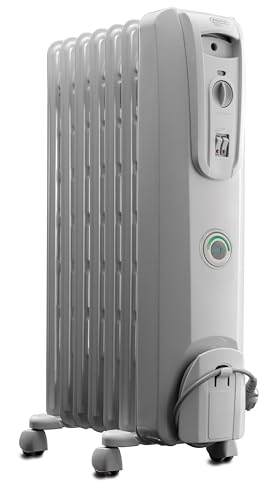
- BWP Score8.9
BWP Score is a ranking system developed by Bestwinterproducts.com. BWP score has no relationship or impact from any manufacturers or sales agent websites. Learn more
- BrandDe'Longhi

- BWP Score8.2
BWP Score is a ranking system developed by Bestwinterproducts.com. BWP score has no relationship or impact from any manufacturers or sales agent websites. Learn more
- BrandOLIXIS

- BWP Score8.1
BWP Score is a ranking system developed by Bestwinterproducts.com. BWP score has no relationship or impact from any manufacturers or sales agent websites. Learn more
- BrandAmazon Basics

- BWP Score8.0
BWP Score is a ranking system developed by Bestwinterproducts.com. BWP score has no relationship or impact from any manufacturers or sales agent websites. Learn more
- BrandElectactic

- BWP Score7.8
BWP Score is a ranking system developed by Bestwinterproducts.com. BWP score has no relationship or impact from any manufacturers or sales agent websites. Learn more
- BrandAmazon Basics
Last update on 2026-10-11 / Affiliate links / Images, Product Titles, and Product Highlights from Amazon Product Advertising API
FAQs
Can the oil inside an oil-filled space heater catch fire or explode?
No, the oil inside will not catch fire or explode during normal household operation. The heat-storing fluid permanently sealed inside has a very high boiling point and contains no oxygen inside the welded steel fins, meaning it cannot ignite. In extreme cases where an internal thermostat fails, built-in thermal safety switches cut the power before internal pressure reaches dangerous levels.
Can I plug an oil heater into an extension cord or surge protector?
No, you should never plug an oil heater into an extension cord, surge protector, or power strip. Oil radiators draw up to 1,500 watts of continuous electrical power, which can easily overheat the thinner copper wiring inside standard extension cords. This creates extreme heat buildup that can melt insulation and start an electrical fire. Always plug the heater directly into a dedicated wall outlet.
Is it normal for an oil heater to smell strange when turned on for the first time?
Yes, a mild chemical or mechanical smell is common during the first few hours of use on a new heater. This odor comes from protective oils and factory coatings burning off the exterior metal fins during initial heating. To manage this safely, place the new heater in a well-ventilated room or near an open window on its highest setting for two to three hours until the smell dissipates completely.
Can an oil heater tip over and cause a fire on carpet?
Modern oil heaters include a tip-over safety switch that cuts power instantly if the unit is knocked over or tilted. While the internal heating element stops drawing power immediately when tipped, the heavy metal fins retain thermal warmth for a long time. If left lying against thick carpet, that residual heat can scorch fibers, which is why you should always operate the heater on a firm, flat, level floor well away from foot traffic.


Best Warm Winter Scarves 2026 For Cozy Comfort

Best Green Ski Goggles 2026 For Clear Vision On Slopes

12 Best Corner Electric Fireplace 2026: My Ultimate Guide To Pick One

Best Battery Powered Snow Blower 2026 For Effortless Snow Clearing

Best Ski Goggles Under 30 Inches For Crisp Vision And Comfort

Best Cooling Scarf 2026 For Instant Relief And Comfort

Fake Snow for Grass: Create a Realistic Winter Lawn Display

Dimplex Prism Wall Mount Fireplace: Sleek Heat With Modern Flame Style





