
Are Portable Gas Heaters Safe to Use Indoors?

Check the warning label on the heater before lighting it up. Standard outdoor models release dangerous fumes, so only heaters clearly labeled for indoor use are safe inside your home. Units meant for open campsites or patios lack the automatic shutoffs needed to stop invisible gas from filling a room, which creates an immediate hazard in enclosed spaces.
Even an indoor-approved model requires a few strict precautions to keep your air breathable. The heater must have an automatic sensor that turns the flame off if room oxygen drops, and a nearby window needs to stay cracked open for fresh airflow. Large gas cylinders must always stay outside, and no portable flame should ever run while anyone sleeps. Here is how to check your heater and set up your room to stay warm without risk.
Understanding the Difference Between Indoor-Safe and Outdoor Gas Heaters
When a severe winter storm knocks out the power grid and your home begins to lose heat, finding a fast way to stay warm becomes an urgent priority. Many people head straight to the garage, shed, or camping bin to grab whatever heater they already own. This is the exact moment where dangerous mistakes happen. Grabbing a gas heater off the shelf without knowing its design rating can put your entire household at risk of toxic fumes or sudden fire.
Outdoor gas heaters and indoor-safe gas heaters operate on fundamentally different engineering principles. Outdoor models, including patio mushroom towers, tank-top construction burners, and standard open-flame camp stoves, are built with the assumption that fresh air is limitless. They produce significant amounts of carbon monoxide, unburned hydrocarbons, and moisture because the open outdoor breeze instantly dilutes those byproducts. If you run one of these outdoor units inside a living room, basement, or enclosed porch, those toxic gases have nowhere to go. They accumulate rapidly within enclosed walls, creating a life-threatening environment in a remarkably short time.
Indoor-safe gas heaters are specifically engineered as unvented heaters (heaters that operate without an external chimney or exhaust pipe). Because all combustion gases enter the living space, indoor-rated models must burn fuel at near-perfect efficiency. They rely on precision ceramic plates or catalytic heating mats that burn propane or butane cleanly, producing minimal carbon monoxide when operated according to the manufacturer guidelines. More importantly, indoor-certified models carry built-in physical protection systems, including automatic sensors that instantly shut off the gas flow if air quality drops or the unit gets bumped.
Never assume that a portable camping heater is safe for your living room just because it uses a small fuel bottle. Unless the product packaging, rating plate, and user manual explicitly state that the unit is listed and approved for indoor use, you must treat it as an outdoor-only appliance. If you are trying to find a reliable heater to warm drafty spaces or manage cold spots during an emergency, identifying the exact indoor certification on the unit is your first and most critical safety checkpoint.
The Invisible Hazards: Carbon Monoxide and Oxygen Depletion
To safely manage a gas heater inside your home, you need to understand what happens to the air in an enclosed room during combustion. Fire is a chemical reaction that requires two ingredients to keep burning: fuel and oxygen. As a portable gas heater runs, it pulls invisible oxygen molecules directly from the room you are sitting in. At the same time, the combustion process releases warmth, water vapor, carbon dioxide, and small trace amounts of other gases.
The first major hazard is oxygen depletion. Fresh indoor air normally contains roughly 21 percent oxygen. When an unvented gas burner operates in a sealed room with closed windows and doors, it constantly consumes that supply. If the oxygen level drops below 18 percent, your body begins to experience the physical effects of oxygen deprivation. Early symptoms include sluggishness, mild confusion, headache, and a faster breathing rate as your lungs work harder to pull oxygen into your bloodstream. If the level continues to fall, unconsciousness and asphyxiation can occur without the person ever realizing what went wrong.
The second and even deadlier hazard is carbon monoxide. When a gas heater has an abundant supply of fresh oxygen, it burns clean and produces mostly carbon dioxide and water vapor. However, as oxygen levels in the room decline, or if the burner port becomes dirty or restricted, the flame can no longer burn fuel completely. This incomplete combustion produces carbon monoxide, an invisible, odorless, and completely tasteless gas. Carbon monoxide enters your lungs and binds to the hemoglobin in your blood hundreds of times more aggressively than oxygen. It essentially blocks your red blood cells from delivering oxygen to your heart, brain, and vital organs.
The physical warning signs of carbon monoxide poisoning often mimic a common winter illness: dull headache, dizziness, nausea, chest tightness, weakness, and sudden drowsiness. The greatest danger is that carbon monoxide dulls your mental alertness, making you feel tired and clumsy rather than alarmed. This is why running any portable gas heater overnight while you sleep is strictly unsafe. While awake, you might notice an unusual headache or lightheaded feeling and open a window. While asleep, you cannot recognize symptoms, and exposure can become fatal before anyone wakes up. To protect your household, you must keep a functioning, battery-operated carbon monoxide detector with a digital display in any room where an indoor-safe gas heater is running.
Setting Up a Portable Gas Heater Safely in Living Spaces
Running an indoor-rated gas heater requires strict adherence to physical clearance, airflow, and fuel handling rules. Even a heater with the highest safety ratings will create a hazard if placed on an unstable carpet or operated in an unventilated room. Follow these practical steps every time you light an indoor-approved portable gas unit.
- Create continuous fresh air cross-ventilation. An unvented portable heater must never be operated in an airtight, completely sealed space. You must crack an exterior window open at least one-half inch to one full inch in the room where the heater runs. This continuous opening allows fresh outdoor oxygen to enter, replacing the air consumed by the burner, while allowing moisture and combustion byproducts to escape outside.
- Verify minimum room size limits. Every gas heater has a heat output rating measured in BTUs (British Thermal Units, the standard measure of heat energy). Higher BTU heaters burn more fuel and consume oxygen much faster. Never operate a medium or high-output portable gas heater in a tiny, confined space such as a closed bathroom, walk-in closet, or small unventilated camper bedroom. Match the heater size to the room volume specified in your manufacturer manual.
- Maintain the 3-foot safety buffer. Radiants emit direct warmth that heats nearby surfaces quickly. Keep all flammable items at least 3 feet (36 inches) away from the front, sides, and top of the heater. This clearance zone includes curtains, furniture cushions, blankets, paper, clothing, and bedding. Never place items over the protective front wire guard to dry damp laundry.
- Place the unit on a firm, flat, non-flammable surface. Set the heater on a solid, level floor such as tile, hardwood, or a non-combustible protective mat. Avoid thick shag rugs, uneven tables, or soft mattress tops that could cause the unit to wobble or restrict bottom airflow vents. The built-in tip-over switch requires a firm, level base to stay disengaged.
- Follow strict fuel canister storage limits. Indoor-safe portable heaters typically run on small, disposable 1-pound propane cylinders that thread directly into the side of the unit. Never bring a large 20-pound barbecue grill tank inside your home, basement, or living area. Large outdoor tanks hold propane under heavy pressure and have safety relief valves designed to vent vapor if temperature or pressure spikes. Venting raw propane inside a home can lead to an catastrophic gas explosion. If you connect a portable heater to an external bulk tank, that tank must remain outdoors at all times, feeding fuel through an approved high-pressure extension hose.
Before you push the starter button, run through this quick pre-ignition checklist to make sure your setup meets every basic safety requirement:
- Confirm the manufacturer label explicitly certifies the unit for indoor use.
- Check the fuel canister threads with a quick soapy water wipe to confirm there are no hissing gas bubbles or loose connections.
- Ensure an exterior window is cracked open at least one inch to supply fresh airflow.
- Check that a 3-foot perimeter around the entire heater is completely free of blankets, furniture, and clutter.
- Verify that your battery-powered carbon monoxide detector is active and resting at eye level in the room.
Choosing an Indoor-Rated Gas Heater for Emergency Warmth
When selecting a portable gas heater for emergency home warmth or winter travel, your primary focus must be on safety engineering rather than raw heating power. Heating your home without electricity requires equipment designed from the ground up to prevent fuel leaks, tipping accidents, and indoor air contamination.
First, look for models equipped with an automatic oxygen depletion sensor (often abbreviated as an ODS, which is a low-oxygen shutoff sensor). This critical safety component uses a precisely calibrated pilot flame that sits directly against a thermocouple heat sensor. If the oxygen level in your room drops even slightly toward an unsafe range, the pilot flame naturally changes shape and lifts away from the sensor. As soon as the sensor cools, it snaps a spring-loaded gas valve shut within seconds, extinguishing the heater before room air becomes dangerous. Never purchase or operate an indoor gas heater that lacks this sensor mechanism.
Second, ensure the model features an integrated tip-over safety switch. This mechanical switch automatically cuts the flow of gas instantly if the unit is knocked over, tilted past a certain angle, or bumped by energetic pets or children. Because portable heaters sit on the floor where household movement happens, a responsive tip-over mechanism is your primary defense against sudden floor fires.
Third, consider how the unit delivers warmth. Radiant ceramic heating elements provide gentle heat that warms people and furniture directly like sunlight, making them exceptionally comfortable in drafty emergency situations because you feel the heat right away without relying on noisy electric fans. Look for models with a push-button spark starter (a piezo ignition system that creates an electrical spark mechanically), which allows you to ignite the burner reliably during a power blackout without ever searching for matches or lighters. If you plan to use your equipment for outdoor adventures or travel, such as choosing a portable heater to stay warm off-grid, pay close attention to stable base designs, carry handles, and adjustable heat settings so you can conserve fuel during extended cold snaps.

- BWP Score8.6
BWP Score is a ranking system developed by Bestwinterproducts.com. BWP score has no relationship or impact from any manufacturers or sales agent websites. Learn more
- BrandCAMPLUX ENJOY OUTDOOR LIFE

- BWP Score9.4
BWP Score is a ranking system developed by Bestwinterproducts.com. BWP score has no relationship or impact from any manufacturers or sales agent websites. Learn more
- BrandMr. Heater
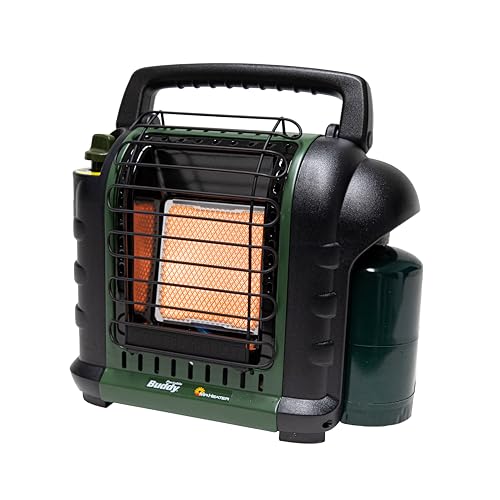
- BWP Score8.4
BWP Score is a ranking system developed by Bestwinterproducts.com. BWP score has no relationship or impact from any manufacturers or sales agent websites. Learn more
- BrandMr. Heater

- BWP Score9.4
BWP Score is a ranking system developed by Bestwinterproducts.com. BWP score has no relationship or impact from any manufacturers or sales agent websites. Learn more
- BrandMr. Heater

- BWP Score8.4
BWP Score is a ranking system developed by Bestwinterproducts.com. BWP score has no relationship or impact from any manufacturers or sales agent websites. Learn more
- BrandNaturehike

- BWP Score7.4
BWP Score is a ranking system developed by Bestwinterproducts.com. BWP score has no relationship or impact from any manufacturers or sales agent websites. Learn more
- BrandSoixehet

- BWP Score7.1
BWP Score is a ranking system developed by Bestwinterproducts.com. BWP score has no relationship or impact from any manufacturers or sales agent websites. Learn more
- BrandROVSUN
Last update on 2026-10-11 / Affiliate links / Images, Product Titles, and Product Highlights from Amazon Product Advertising API
FAQs
Can I safely leave a portable gas heater running while I sleep?
No, you should never run an unvented portable gas heater while sleeping or leave it unattended in a bedroom. If oxygen drops or a mechanical problem causes carbon monoxide to accumulate overnight, sleeping occupants cannot feel the warning symptoms of poisoning. Turn the unit off before going to bed, close the fuel valve tightly, and rely on heavy blankets and warm clothing layers to preserve body heat through the night.
Why does my portable gas heater produce an odor when I first light it?
A mild odor during the first few minutes of operation is normal as the ceramic heating element burns off dust particles, factory protective coatings, or ambient humidity. However, a sharp, pungent sulfur or rotten-egg odor indicates raw, unburned fuel escaping from a loose connection or damaged fitting. If you detect a strong gas smell, immediately shut off the fuel supply, open windows wide to ventilate the space, and verify all threaded connections using soapy water before trying to light it again.
Can I use a portable indoor gas heater in a camper or mobile home?
You must exercise extreme caution and check your local codes, as many jurisdictions restrict unvented gas heaters in compact manufactured structures. When considering a heater for a mobile home or recreational vehicle, many safety codes require direct-vented heating systems that exhaust all combustion fumes outside through a wall or roof pipe. If an indoor-rated portable model is permitted by the manufacturer for recreational enclosures, you must strictly maintain open cross-ventilation, satisfy room volume rules, and keep a working carbon monoxide alarm nearby.
.jpg)

Best Warm Winter Scarves 2026 For Cozy Comfort

Best Green Ski Goggles 2026 For Clear Vision On Slopes

12 Best Corner Electric Fireplace 2026: My Ultimate Guide To Pick One

Best Battery Powered Snow Blower 2026 For Effortless Snow Clearing

Best Ski Goggles Under 30 Inches For Crisp Vision And Comfort

Best Cooling Scarf 2026 For Instant Relief And Comfort

Fake Snow for Grass: Create a Realistic Winter Lawn Display

Dimplex Prism Wall Mount Fireplace: Sleek Heat With Modern Flame Style





