
Are Propane Heaters Safe Indoors?

Many people assume bringing any gas heater into the house is an immediate disaster, while others think any portable unit can heat a room during a winter freeze. The truth is that only propane heaters certified for indoor use are safe inside. Outdoor patio and jobsite heaters produce dangerous amounts of carbon monoxide and should never enter an enclosed living space. Indoor-rated models burn fuel much cleaner and carry built-in safety shutoffs.
Safe operation still depends on how and where the heater runs. The unit must have an oxygen depletion sensor (a small switch that cuts the fuel if room oxygen drops too low). You also need proper ventilation, like a cracked window, to keep fresh air circulating. Local safety codes even ban them in tight spaces like bedrooms. Checking these basics ensures you stay warm without creating a health or fire hazard.
Only heaters marked indoor safe belong inside your home
Bringing an outdoor patio heater, tank-top radiant burner, or construction torpedo heater inside a home or garage is extremely dangerous. Outdoor heaters are built for open air where exhaust fumes blow away naturally. They produce high amounts of carbon monoxide and lack the sensitive safety valves required indoors.
Indoor-safe heaters meet strict safety standards. When propane burns in a certified unit, it burns almost all fuel cleanly into warmth, water vapor, and carbon dioxide. But that clean burn only happens in units engineered specifically for enclosed rooms.
Before using any heater indoors, check the metal manufacturer label on the frame. Look for clear wording stating it is certified for indoor unvented use. If the label says outdoor use only or is missing, keep the heater outside. Running an unrated heater indoors creates an immediate carbon monoxide hazard.
Burning propane consumes room oxygen and creates invisible fumes
Every open propane flame needs oxygen from the surrounding air. When you light an indoor heater, it shares the air you breathe. Normal room air contains roughly 21 percent oxygen. As the heater runs, it pulls in that oxygen to create heat, carbon dioxide, and humidity.
When fresh air enters steadily, the flame stays clean and blue. You may see windows fog up because water vapor is a natural combustion byproduct. But if fresh air cannot enter, oxygen levels drop. Without enough oxygen, the heater cannot burn propane completely.
Incomplete combustion produces carbon monoxide, a dangerous toxic gas. Carbon monoxide has no color, taste, or smell. Inhaling it blocks your blood from carrying oxygen. Early symptoms feel like mild flu: headaches, lightheadedness, nausea, or sudden fatigue.
You cannot smell carbon monoxide. Gas suppliers add a rotten-egg scent to raw propane to reveal fuel leaks, but carbon monoxide exhaust is odorless. If anyone feels dizzy or unwell while a heater runs, turn it off immediately, step outdoors, and call emergency services.
Essential safety shutoffs protect your home from sudden hazards
Indoor-rated propane heaters use automatic mechanical shutoffs that stop fuel flow before dangerous conditions harm you. These built-in parts remove guesswork and protect you if air quality drops or the unit tilts.
Confirm your heater includes these critical safety features before setting it up inside:
- Oxygen Depletion Sensor: a safety shutoff sensor that cuts gas if room oxygen drops below safe levels, usually around 18 percent. Its precision pilot flame reacts as oxygen thins, closing the gas valve immediately.
- Tip-over safety switch: an internal switch that cuts power or fuel instantly if the unit tilts or gets knocked over.
- Thermocouple flame sensor: a copper probe by the pilot flame. If a draft blows the flame out, the probe cools in seconds and snaps the fuel valve shut.
- Sturdy front safety guard: a wire grille that keeps blankets, furniture, and hands away from hot surfaces.
Never bypass or alter these sensors. If the pilot flame goes out or the heater shuts down, it is actively protecting your air.
Fresh air and proper room sizing prevent dangerous gas buildup
An indoor propane heater is a ventless heater, which is a heater operating without an exhaust pipe to the outside. Because heat and combustion byproducts stay in the room, air circulation is required to keep oxygen balanced.
Modern homes have sealed windows and thick insulation to stop drafts. While this retains heat, it also traps moisture and exhaust fumes. You must always crack an exterior window or door open by one to two inches while the heater runs. This opening lets fresh oxygen enter while stale air and humidity escape. If you heat a drafty space, look into selecting the best heater for enclosed porch areas to balance fresh air with warmth.
Room sizing matters just as much as ventilation. Heaters are rated by their heating output rating, known as BTU. An oversized unit in a small room burns oxygen too quickly and triggers automatic shutoffs.
Match the heater output to your space. A unit rated at 3,800 to 4,000 BTU fits rooms up to 100 square feet. A 9,000 to 10,000 BTU heater warms 250 to 500 square feet. Large heaters producing 18,000 to 30,000 BTU require open areas over 600 square feet with steady airflow.
Certain rooms remain completely unsafe for indoor propane heat
Even certified indoor heaters should never be used in certain parts of a home. Safety codes and basic physics restrict several common spaces.
Keep portable propane heaters out of these spaces:
- Bedrooms and sleeping areas: never run a portable propane heater while sleeping. If oxygen drops overnight, sleeping people cannot recognize symptoms of carbon monoxide poisoning. Most local codes ban unvented fuel heaters in bedrooms.
- Bathrooms: small dimensions and closed doors make oxygen drop rapidly. Shower steam also disrupts pilot sensors and causes soot buildup.
- Tiny vehicles and campers: unvented heaters in tight vehicles cause heavy condensation, mold, and elevated carbon monoxide risks. Review the best heater for van life for heating alternatives suited for compact mobile living.
- Basements without ground-level walkouts: propane is heavier than air. If a leak occurs, propane sinks and pools along the floor instead of dispersing, creating a severe fire hazard if an appliance sparks.
- Manufactured homes without proper approval: mobile homes have strict ventilation and fire codes. Many areas forbid unvented heaters in mobile homes without an official certification tag. Check guidelines for the best heater for mobile home setups before adding gas heat.
Follow a strict step-by-step routine every time you light
Operating a portable gas heater requires a calm, steady routine. Take your time and follow these steps every time you light your heater:
- Inspect the unit and hose: check the burner, hose fittings, and connections. Wipe away dust or pet hair with a dry cloth so lint does not burn on the ceramic tiles or clog gas ports.
- Check for gas leaks with soapy water: mix water and dish soap, then brush it over threaded fittings. Open the gas cylinder valve slightly. If growing soap bubbles appear, close the valve immediately, tighten the joint, and recheck. Never light a heater if you see bubbles or smell raw gas.
- Keep a 3-foot safety buffer: set the heater on a flat, level, non-flammable floor. Keep furniture, bedding, drapes, and pets at least 3 feet (36 inches) away from all sides. Never place a heater on soft furniture, tables, or carpeted stairs.
- Open a window for ventilation: crack an exterior window or door open at least one inch to supply fresh replacement oxygen.
- Ignite using the push-button spark lighter: turn the control knob to the pilot position and press down. Click the piezo ignition (a push-button spark lighter needing no batteries or power) until the flame catches. Hold the knob down for 30 to 45 seconds so the thermocouple warms up, then choose your heat setting.
- Check the flame color: a healthy burner shows a clean blue flame or glowing red ceramic plaques. If you see a flickering yellow flame, popping sounds, or soot, shut the heater off immediately. Yellow flames indicate poor air intake and incomplete combustion.
- Keep a carbon monoxide alarm nearby: place a battery-operated carbon monoxide detector 10 to 15 feet away at breathing height. Press the alarm button to verify the siren sounds before lighting your heater.
- Shut the unit down completely before leaving: never leave a propane heater running unattended or while sleeping. Turn the heater dial off, close the tank valve, and let the grille cool completely before moving it.
Choose certified indoor propane heaters with proper shutoff sensors
When you need supplemental heat for winter cold or emergency warmth during a power outage, picking the right category of indoor heater keeps your home safe and warm.
Verify that any unit you consider has a clear indoor-safe certification mark from a recognized organization like CSA or UL stamped on the packaging and the metal rating plate. Confirm that the heater comes equipped with both an automatic oxygen depletion sensor and an internal tip-over switch.
Consider how the heater delivers warmth. Ceramic radiant heaters produce gentle heat that warms people and furniture directly like sunlight, making them effective in spaces where drafts might carry warm air away. Blue flame convection heaters warm the air itself and let it circulate through the room, which works well in closed, insulated rooms.
Pay attention to fuel storage rules. Portable indoor units use small, disposable 1-pound propane canisters that mount directly inside the cabinet. While you can connect some models to a larger 20-pound tank with an extension hose, remember that large 20-pound tanks must always remain outside your home. Running a hose through an exterior access point keeps high-pressure fuel tanks out of your living space.
Finally, choose a heater sized strictly for your room square footage. A properly matched heater runs at a steady, clean output without cycling on and off constantly, keeping your air fresh and your living area comfortable.
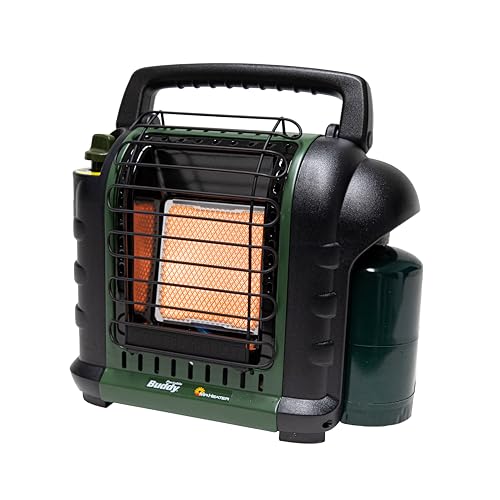
- BWP Score8.4
BWP Score is a ranking system developed by Bestwinterproducts.com. BWP score has no relationship or impact from any manufacturers or sales agent websites. Learn more
- BrandMr. Heater

- BWP Score9.4
BWP Score is a ranking system developed by Bestwinterproducts.com. BWP score has no relationship or impact from any manufacturers or sales agent websites. Learn more
- BrandMr. Heater
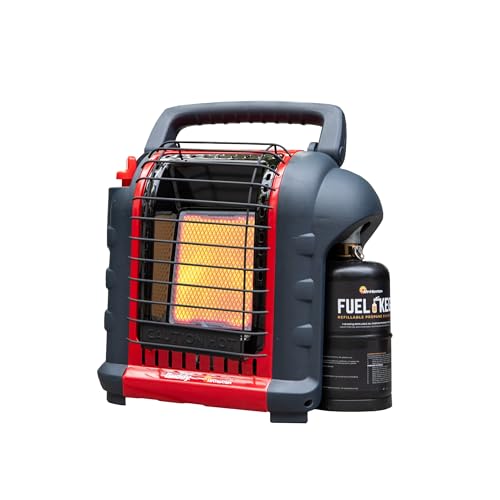
- BWP Score9.3
BWP Score is a ranking system developed by Bestwinterproducts.com. BWP score has no relationship or impact from any manufacturers or sales agent websites. Learn more
- BrandMr. Heater

- BWP Score9.2
BWP Score is a ranking system developed by Bestwinterproducts.com. BWP score has no relationship or impact from any manufacturers or sales agent websites. Learn more
- BrandProCom

- BWP Score8.7
BWP Score is a ranking system developed by Bestwinterproducts.com. BWP score has no relationship or impact from any manufacturers or sales agent websites. Learn more
- BrandMr. Heater

- BWP Score8.4
BWP Score is a ranking system developed by Bestwinterproducts.com. BWP score has no relationship or impact from any manufacturers or sales agent websites. Learn more
- BrandProCom

- BWP Score7.8
BWP Score is a ranking system developed by Bestwinterproducts.com. BWP score has no relationship or impact from any manufacturers or sales agent websites. Learn more
- BrandProCom

- BWP Score7.1
BWP Score is a ranking system developed by Bestwinterproducts.com. BWP score has no relationship or impact from any manufacturers or sales agent websites. Learn more
- BrandROVSUN
Last update on 2026-10-08 / Affiliate links / Images, Product Titles, and Product Highlights from Amazon Product Advertising API


Best Warm Winter Scarves 2026 For Cozy Comfort

Best Green Ski Goggles 2026 For Clear Vision On Slopes

12 Best Corner Electric Fireplace 2026: My Ultimate Guide To Pick One

Best Battery Powered Snow Blower 2026 For Effortless Snow Clearing

Best Ski Goggles Under 30 Inches For Crisp Vision And Comfort

Best Cooling Scarf 2026 For Instant Relief And Comfort

Fake Snow for Grass: Create a Realistic Winter Lawn Display

Dimplex Prism Wall Mount Fireplace: Sleek Heat With Modern Flame Style





