
Are Propane Heaters Safe for Outdoor Use?

Dusk settles over the backyard, and a sharp evening chill sends everyone reaching for extra blankets while eyeing the patio heater with doubt. Running a propane heater in the open air is not only safe but exactly what most units are built for. The constant flow of fresh air naturally disperses exhaust gases, making open outdoor spaces the ideal environment for burning propane.
Safe operation still hinges on a few crucial details about your setup. The space must remain truly open, meaning these heaters should never run inside screened porches, garages, or tents where combustion fumes can gather. You also need adequate clearance (the safe empty buffer) between the burner and low patio ceilings, fabric awnings, or siding. Wind matters as well, since strong gusts can blow out the flame or tip tall stands. Knowing where and how to position your heater makes outdoor evenings warm, comfortable, and completely trouble-free.
Why are propane heaters built for open outdoor air?
Outdoor air is the natural home for propane heating. When propane burns, it consumes fresh air and produces heat, water vapor, and carbon dioxide. In an open backyard, on an uncovered patio, or at a campsite, natural air movement carries these byproducts away instantly. This continuous ventilation prevents carbon monoxide and moisture from gathering in dangerous concentrations.
Propane heaters also produce radiant heat, which is direct warmth that heats people rather than open air. Think of radiant heat like stepping from chilly shade into bright sunshine. You feel warmth against your skin and clothes immediately, even if the surrounding breeze feels crisp.
Standard electric convection heaters work by warming the surrounding air and pushing it around with a fan. In an open yard, that heated air drifts straight up into the sky before you can feel it. A propane burner casts infrared heat waves outward, while a metal reflector dome bounces the warmth downward toward your chairs.
Because propane burns hot and fast, it delivers a high heat output rating, measured in BTU (British Thermal Units). This power allows a single burner to overcome cold drafts across a wide seating area, without tying you to an extension cord or outdoor wall outlet.
How much clearance do you need from walls and roofs?
Operating an outdoor propane burner safely requires maintaining proper clearance, which is the empty safe distance to nearby surfaces. These heaters produce intense heat above the burner head and moderate heat around the sides. Without enough empty space, that heat can melt vinyl siding, blister paint, or scorch wood.
Never guess your clearance distances. Every certified heater carries a metal safety plate stamped on the frame and includes clearance specifications in the manual. Treat the printed clearance on your unit as your absolute minimum boundary.
Run through this quick spacing checklist before lighting your burner:
- Look straight overhead: keep the top dome clear of low porch ceilings, canvas awnings, shade sails, and hanging tree branches.
- Check your side buffers: place the burner several feet away from siding, wooden deck railings, outdoor curtains, and patio furniture.
- Inspect surrounding decor: move cushions, hanging plants, and paper lanterns far enough away so surfaces never feel hot to the touch.
- Clear walking paths: leave a wide pathway around the base so guests and pets can pass without brushing against hot metal grilles.
If your patio features a low roof, a tall freestanding tower might sit too close to the ceiling. In those tighter spots, a compact tabletop unit or a wall-mounted outdoor heater provides a safer fit.
How do you handle wind and chilly outdoor drafts?
Wind is the biggest obstacle when warming an outdoor space. A stiff breeze carries radiant warmth away before it reaches you, making the burner feel weak. Strong gusts can also blow out the flame or catch tall heaters like a sail, raising the risk of tipping.
Stability begins at the base. Tall patio models house a heavy 20-pound propane cylinder inside the lower cabinet, which naturally anchors the bottom. Many models also include a hollow base reservoir that you can fill with water or dry sand. Adding twenty to thirty pounds of sand creates a solid base that resists wobbling when the breeze picks up.
You can also protect your warmth by positioning the unit near natural windbreaks. Placing your seating near a brick wall, a sturdy privacy fence, or a hedge cuts down drafts. Make sure you still maintain the required clearance from any combustible materials. Placing the heater slightly upwind of your chairs also allows the breeze to push the warmth toward you.
Pay attention to weather changes throughout the evening. If wind gusts reach 10 to 15 miles per hour, turn the heater off and close the tank valve. Strong winds waste fuel and make flames unpredictable.
Which safety features protect you from outdoor accidents?
Outdoor heaters face unique hazards like uneven ground, passing pets, and sudden gusts. Quality propane heaters include built-in safety mechanisms designed to stop accidents before they cause harm.
The first vital mechanism is an anti-tilt switch, which is a shut-off mechanism that cuts gas if the unit tips. Inside the control housing sits a weighted switch. If someone bumps the pole, or if a gust tilts the frame beyond roughly 45 degrees, the switch trips instantly. This immediately shuts the gas valve, extinguishing the flame before the hot top touches the ground.
The second essential component is flameout protection, which is a valve that cuts gas if the flame blows out. When a sudden draft blows out the fire, you do not want raw propane pouring into the air. A temperature sensor sits directly in the flame. As long as the fire burns hot, the valve stays open. If the flame blows out, the sensor cools down and snaps the fuel supply shut.
Before lighting your heater, run through this pre-use checklist:
- Inspect the gas hose: check for cracks, dry rot, or wear along the flexible hose before connecting your cylinder.
- Do a soapy water check: wipe soapy water over brass connections, open the tank valve, and look for bubbles that reveal gas leaks.
- Check the ground: confirm the base rests completely flat on a solid, level surface like concrete, pavers, or sturdy decking.
- Verify the burner guard: make sure the metal safety screen is clean, tightly fastened, and free of dried leaves.
If you smell gas or see erratic yellow flames, shut the tank valve off immediately.
Can you run an outdoor propane heater in enclosed spaces?
You must never use an outdoor propane heater inside an enclosed space. This rule applies to living rooms, enclosed porches, garages, basements, and camping tents. Outdoor heaters burn fuel at high rates and produce carbon monoxide, a colorless, odorless gas that displaces oxygen in your bloodstream.
In an open yard, carbon monoxide disperses into the air and poses no threat. In an enclosed room, that toxic gas builds up rapidly. Even leaving a garage door cracked open does not create enough ventilation to safely dilute the exhaust. The open flame also consumes ambient room oxygen, leading to dizziness, headaches, and asphyxiation.
Fire hazards multiply indoors as well. Outdoor burners produce intense heat meant to overcome cold open air. Inside a room, that heat quickly overheats low ceilings, curtains, and furniture. If you need warmth inside a workshop, look for a dedicated electric heater for a garage with a thermostat instead of bringing fuel burners inside.
Semi-enclosed spaces require the same strict caution. A screened deck with vinyl curtains or a three-season porch with closed windows traps fumes just like an indoor room. If you want to warm a sunroom, explore an approved heater for an enclosed porch that meets indoor safety codes.
Which type of outdoor propane heater fits your space?
Choosing the right outdoor propane heater comes down to how much space you have, how many people you want to warm, and where you plan to place the unit. Matching the heater style to your layout ensures you get reliable warmth.
Tall freestanding patio heaters, often shaped like mushrooms or pyramids, work best for large open decks, stone patios, and dining areas. These towers stand around seven feet high and hold a 20-pound propane cylinder in their base. The elevated burner radiates heat downward over a wide circle, warming several seated people without taking up table space.
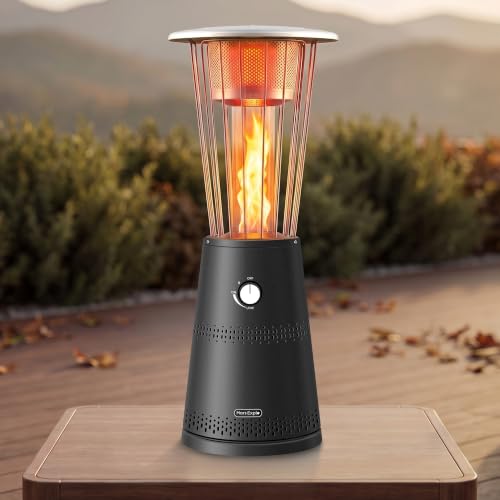
Compact tabletop propane heaters offer a great solution for smaller balconies, bistro sets, or cozy conversation nooks. These units connect to small propane bottles or use adapter hoses for larger tanks. They sit directly on an outdoor table, warming two to four people while staying well below low porch awnings.
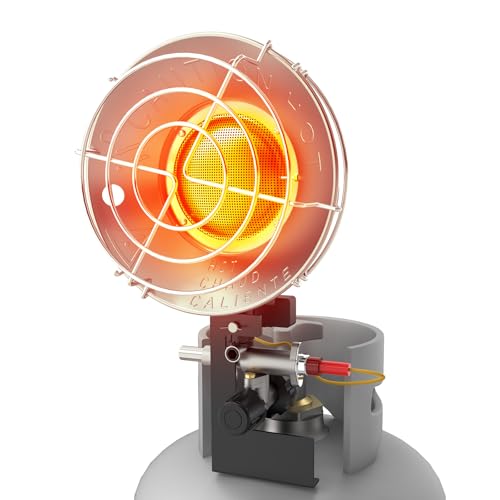
Portable tank-top radiant heaters mount directly onto the collar of a standard propane cylinder. These rugged burners feature a metal dish that focuses heat in one direction, making them ideal for outdoor chores, patio projects, or open-air work areas.
Before buying, measure your space and check overhead clearances. Look for weather-resistant materials like stainless steel or powder-coated metal, an easy-to-use ignition switch, and listed safety certifications on the label.
- BWP Score9.4
BWP Score is a ranking system developed by Bestwinterproducts.com. BWP score has no relationship or impact from any manufacturers or sales agent websites. Learn more
- BrandSISUPASSIE

- BWP Score8.8
BWP Score is a ranking system developed by Bestwinterproducts.com. BWP score has no relationship or impact from any manufacturers or sales agent websites. Learn more
- BrandNEWBULIG

- BWP Score8.7
BWP Score is a ranking system developed by Bestwinterproducts.com. BWP score has no relationship or impact from any manufacturers or sales agent websites. Learn more
- BrandSweetcrispy
- BWP Score7.6
BWP Score is a ranking system developed by Bestwinterproducts.com. BWP score has no relationship or impact from any manufacturers or sales agent websites. Learn more
- BrandMars Explo

- BWP Score7.5
BWP Score is a ranking system developed by Bestwinterproducts.com. BWP score has no relationship or impact from any manufacturers or sales agent websites. Learn more
- BrandDUMOS

- BWP Score7.2
BWP Score is a ranking system developed by Bestwinterproducts.com. BWP score has no relationship or impact from any manufacturers or sales agent websites. Learn more
- BrandJocoevol
Last update on 2026-10-09 / Affiliate links / Images, Product Titles, and Product Highlights from Amazon Product Advertising API
FAQs
Can you leave a propane heater out in the rain?
While outdoor propane heaters feature weather-resistant steel and powder coatings, you should not leave them exposed to heavy rain or snow unprotected. Moisture can collect inside the burner head, rust the pilot assembly, and corrode ignition parts over time. Using a durable, waterproof outdoor cover once the heater cools down keeps water out of the gas burner and extends the life of your equipment.
How long does a propane tank last outdoors?
Runtime depends on the heat output rating of your heater and the flame setting you choose. A standard 20-pound propane cylinder contains roughly 430,000 BTUs of total fuel energy. If you run a large 40,000 BTU patio heater on high, that tank will provide roughly 10 to 11 hours of continuous warmth. Turning the control dial to a medium or low setting can extend that single tank to 15 or 20 hours.
Can you use a propane heater on a wood deck?
Yes, you can safely use an outdoor propane heater on a wooden or composite deck as long as the heater remains stable and level. Most of the heat travels upward and outward from the top reflector, meaning the base stays relatively cool. To protect your deck boards from scratches or accidental fuel drips, place a heavy-duty, heat-resistant grill mat beneath the heater base, and ensure the unit never wobbles.
What should you do if you smell gas outdoors?
If you smell the distinctive rotten-egg odor of unburned propane, take action immediately. Turn the control dial to the off position, close the valve on top of the propane cylinder completely, and step away from the heater. Do not try to light the burner or flip electrical switches nearby. Let the breeze clear the air for several minutes, check your hose fittings with soapy water, and if the smell persists, call a certified gas professional.


Best Warm Winter Scarves 2026 For Cozy Comfort

Best Green Ski Goggles 2026 For Clear Vision On Slopes

12 Best Corner Electric Fireplace 2026: My Ultimate Guide To Pick One

Best Battery Powered Snow Blower 2026 For Effortless Snow Clearing

Best Ski Goggles Under 30 Inches For Crisp Vision And Comfort

Best Cooling Scarf 2026 For Instant Relief And Comfort

Fake Snow for Grass: Create a Realistic Winter Lawn Display

Dimplex Prism Wall Mount Fireplace: Sleek Heat With Modern Flame Style





