
Are Radiant Heaters Energy Efficient?

A sharp jump in your power bill is nothing to worry about if you understand how these units work. Radiant heaters are exceptionally efficient for direct personal warmth, but they are quite inefficient if you try to heat an entire room. Instead of pushing hot air around, they beam warmth straight to your skin and clothes, much like stepping into a patch of sunlight on a crisp morning.
Real savings depend on how you set up your space and manage your main thermostat. Direct heat beams shine in drafty dens, garages, or rooms with high ceilings where warm air normally escapes. The secret to cutting costs is turning down your central furnace by a few degrees and keeping the heater focused solely on your immediate seating area. Here is how that trade-off works and how to keep your heating bills low.
Does a Radiant Heater Actually Save Money on Electricity?
Every electric space heater you plug into a standard wall outlet converts electric current into heat at roughly the same rate. A unit that draws 1,500 watts of power turns that electrical energy into about 5,100 British Thermal Units (BTU) of heat, whether it uses a glowing coil, a ceramic disc, or an oil-filled metal tank. On paper, all electric resistance heaters share the exact same laboratory energy efficiency. But lab numbers do not pay your monthly electric bill. How that heat reaches your body determines whether your power bill drops or skyrockets.
Radiant heaters save money only when you use them for personal zone heating. Zone heating means you warm the specific spot where you sit, while leaving the rest of your house cooler. If you keep your central furnace or heat pump set at 62 degrees Fahrenheit during a chilly evening and place a radiant heater three feet from your reading chair, you stay comfortably warm. You only pay to warm your immediate body and clothes instead of paying to heat empty bedrooms, hallways, and unoccupied rooms. In that situation, a radiant heater can produce noticeable savings on your winter heating bill.
The financial trouble starts when you ask a radiant heater to do a job it was never built to handle. If you crank a radiant unit up to maximum power and expect it to raise the air temperature of an entire open-plan living room or high-ceiling basement to 72 degrees Fahrenheit, you will waste money. The heater will run continuously at full 1,500-watt power draw, burning through electricity every single hour, while the room air stays stubbornly cool. The secret to radiant heater efficiency is not in the appliance itself, but in heating the person instead of the room.
How Does Radiant Heat Warm You Without Warming the Air?
The easiest way to understand radiant heat is to step outside on a cold, sunny winter morning. If you stand in the shade, the air feels biting and sharp. But the moment you walk into direct sunlight, your coat, skin, and face feel an immediate wave of warmth, even though the outdoor air temperature has not changed by a single degree. Radiant heaters work on that exact same principle.
Instead of warming the air molecules floating around you, a radiant heater produces direct heat rays like sunlight. These invisible infrared waves travel straight through the room in an unbroken line. They do not lose their energy to the air between you and the heating element. When those waves hit a solid object, such as your legs, an armchair, or a wooden desk, the surface absorbs the energy. That surface warms up instantly, and then it slowly releases gentle background warmth into the nearby space.
Because radiant heaters do not rely on blowing air, they solve several common heating headaches. Traditional fan heaters blow hot air toward the ceiling, where it sits uselessly until it cools down. Radiant heat stays low, focused squarely on you and the furniture around you. This makes radiant warmth uniquely effective in breezy, unsealed spaces where moving warm air quickly leaks outside. If you are trying to stay warm in a drafty three-season room, looking into finding the best heater for an enclosed porch will show you how radiant surfaces keep you comfortable even when cold air slips around the window frames.
Radiant heat also keeps your living space quieter and cleaner. Without a motorized fan blowing dust and pet dander into the room, the air stays still and calm. People who suffer from dry winter eyes, irritated nasal passages, or dust allergies often find radiant heating far more comfortable to sit beside for hours at a time.
Should You Choose Radiant Heat or a Convection Fan Heater?
Choosing between radiant heat and convection heat comes down to how you plan to use the space. Convection heaters rely on air currents. A fan-forced unit pulls in cold air from the floor, blows it across an electric heating element, and pushes warm air across the room. An oil-filled radiator also relies partly on natural convection, letting rising air currents carry warmth around the walls. These convection heaters excel at creating a uniform air temperature throughout an enclosed bedroom or small family room.
Here is how the two heating styles compare when you look at energy use and everyday comfort:
- Warming speed: Radiant heaters deliver direct warmth to your skin and clothing in seconds. Convection heaters take fifteen to thirty minutes to heat enough room air before you feel a difference.
- Coverage pattern: Radiant heaters warm only what sits directly in their line of sight. Convection heaters warm the entire volume of air inside a closed room, making them better for multiple people moving around.
- Draft resistance: Radiant heat cuts right through drafts because it does not warm the air. Convection warmth vanishes the moment someone opens an exterior door or a cold window draft kicks up.
- Operating sound: Most radiant heaters operate in near-total silence, while fan-forced convection heaters produce a steady hum that can interrupt phone calls or light sleep.
If you spend four hours sitting at your desk working from home, a radiant heater placed near your feet is the most energy-efficient tool you can pick. It warms you immediately, allows you to drop your central thermostat, and uses far less overall energy than running a forced-air furnace for the entire house. But if three family members are gathered across an open living room watching a movie, a single radiant heater will leave two people freezing. In that scenario, a convection heater or your primary home heating system provides much better comfort per dollar spent.
Drafty outbuildings and work areas follow the same logic. In an uninsulated workshop or garage, blowing warm air is almost entirely wasted because concrete floors and thin walls absorb heat faster than a fan can supply it. Setting up an electric heater for a garage with a thermostat lets you establish focused radiant zones so your hands and workbenches stay warm without paying to heat thousands of cubic feet of cold air.
How Can You Run a Radiant Heater Most Cheaply?
Running a radiant heater without racking up an expensive power bill requires a clear plan. Follow these four practical steps to maximize your comfort while drawing the least amount of electricity from your wall outlets.
- Turn down your central thermostat first. A space heater cannot save you money if your main furnace runs at full blast at the same time. Drop your main house thermostat down five to eight degrees Fahrenheit while you are spending time in one room. The money you save by not heating empty rooms pays for the electricity your portable heater uses, leaving extra savings in your pocket.
- Aim the heating element directly at yourself. Radiant energy travels in straight paths. Position the heater three to five feet away from your chair, aimed directly at your torso or legs. Make sure no coffee tables, footstools, or wastebaskets block the path between the heating surface and your body. If an object blocks the heater, that object absorbs the warmth while you stay cold.
- Drop to a lower heat setting after ten minutes. Most portable electric heaters offer multiple power levels, typically a 1,500-watt high setting and a 750-watt low setting. Start the heater on high to warm your clothing and skin quickly. Once you feel cozy, switch the unit down to its low power level or turn down the adjustable thermostat dial. Running on low cuts your electric power draw in half while maintaining steady warmth.
- Turn the power off every time you stand up. Radiant heaters warm objects, not room air. Leaving a radiant heater running in an empty room produces zero lasting benefit, because the air holds very little of that heat once the unit shuts down. Flip the switch off whenever you walk away, even if you only plan to step into the kitchen for ten minutes.
Which Everyday Heating Habits Drive Up Your Power Bill?
Many homeowners plug in a space heater expecting lower bills, only to receive a shocking utility statement the next month. Avoid these common mistakes that waste power and create unnecessary electrical hazards.
- Expecting a radiant unit to heat an entire room: Running a radiant heater continuously on high to bring a large room up to 70 degrees Fahrenheit will run your meter non-stop. If the air feels chilly away from the heater, wear a warm sweater instead of dialing the heater higher.
- Ignoring the heat setting switch: Leaving your heater locked on high wattage (1,500 watts) all day burns through electricity fast. Check the front switch and verify whether a medium or low setting provides enough direct comfort.
- Plugging into extension cords or power strips: A standard 1,500-watt heater draws about 12.5 amps on a standard 120-volt household circuit. Plugging a high-draw heater into an extension cord, power strip, or multi-outlet surge protector can overload the wiring, melt plastic plugs, and create an immediate fire hazard. Always plug your heater directly into a dedicated wall outlet.
- Crowding the unit against furniture: Placing a heater too close to chairs or beds blocks the radiant rays and creates a dangerous fire hazard. Maintain a strict 3-foot safety buffer: keep all bedding, drapes, papers, rugs, and furniture at least three feet (36 inches) away from every side of the heater.
- Running the heater while sleeping: Leaving a glowing radiant heater running unattended overnight burns unnecessary electricity and increases safety risks. If you need overnight warmth in a bedroom, choose a silent radiator heater that circulates steady, lasting warmth with a built-in timer, or use extra blankets instead.
What Features Should You Look for in an Efficient Heater?
When shopping for a heater to trim your energy costs, specific design features make managing power consumption simple and safe. Rather than focusing on marketing promises, check the physical controls and safety components built into the unit.
Look for models that offer multi-wattage controls, such as dedicated switches for 750 watts, 1,200 watts, and 1,500 watts. These settings let you dial back your electric draw once your immediate seating area feels comfortable. A responsive adjustable thermostat or a digital temperature dial that clicks on and off to hold your set warmth will automatically prevent the unit from running non-stop. If you want warmth that lingers, consider an oil-filled radiator heater. These units use high-conductivity thermal fluid inside sealed metal fins. They take a bit longer to heat up, but they radiate gentle, silent background warmth for a long time after the electric heating element cycles off.
Safety features are just as vital for peace of mind and proper operation. Check the product label to ensure the unit carries a recognized safety certification mark from an organization such as UL (Underwriters Laboratories) or ETL (Intertek). Never buy a portable heater without an automatic tip-over safety switch that cuts power instantly if the unit is knocked over or tilted by pets or children. You also want a reliable overheat sensor that shuts the unit off if internal parts get dangerously hot. Choosing a model with solid metal housing, a grounded three-prong plug, and simple power dials ensures you get reliable, targeted warmth without driving up your monthly living costs.

- BWP Score8.1
BWP Score is a ranking system developed by Bestwinterproducts.com. BWP score has no relationship or impact from any manufacturers or sales agent websites. Learn more
- BrandPELONIS
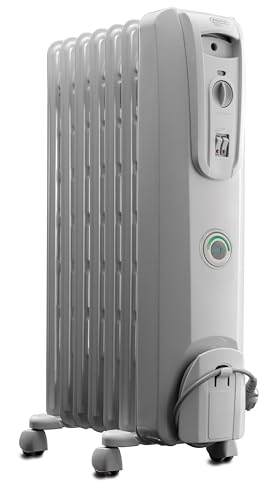
- BWP Score8.9
BWP Score is a ranking system developed by Bestwinterproducts.com. BWP score has no relationship or impact from any manufacturers or sales agent websites. Learn more
- BrandDe'Longhi
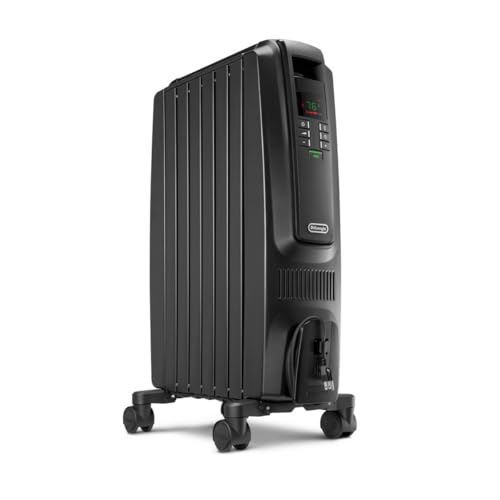
- BWP Score8.8
BWP Score is a ranking system developed by Bestwinterproducts.com. BWP score has no relationship or impact from any manufacturers or sales agent websites. Learn more
- BrandDe'Longhi

- BWP Score8.6
BWP Score is a ranking system developed by Bestwinterproducts.com. BWP score has no relationship or impact from any manufacturers or sales agent websites. Learn more
- BrandBallu

- BWP Score8.4
BWP Score is a ranking system developed by Bestwinterproducts.com. BWP score has no relationship or impact from any manufacturers or sales agent websites. Learn more
- BrandCOMFORT ZONE

- BWP Score8.2
BWP Score is a ranking system developed by Bestwinterproducts.com. BWP score has no relationship or impact from any manufacturers or sales agent websites. Learn more
- BrandBLACK+DECKER

- BWP Score8.0
BWP Score is a ranking system developed by Bestwinterproducts.com. BWP score has no relationship or impact from any manufacturers or sales agent websites. Learn more
- BrandSONBION

- BWP Score7.7
BWP Score is a ranking system developed by Bestwinterproducts.com. BWP score has no relationship or impact from any manufacturers or sales agent websites. Learn more
- BrandBallu
Last update on 2026-10-09 / Affiliate links / Images, Product Titles, and Product Highlights from Amazon Product Advertising API
FAQs
How much electricity does a radiant heater use per hour?
On its standard high setting, a typical radiant space heater draws 1,500 watts, which equals 1.5 kilowatt-hours (kWh) of electricity per hour of continuous use. If you switch the unit to its low setting of 750 watts, its electric power draw drops to 0.75 kWh per hour. You can calculate your exact hourly cost by checking your monthly electric bill for your local rate per kilowatt-hour and multiplying that number by your heater's wattage draw.
Will a radiant heater warm my entire bedroom?
A radiant heater is not designed to warm all the air in a bedroom evenly. It warms the bed, your body, and nearby furniture directly, while the air in distant corners of the room stays cool. As those warmed surfaces absorb energy over several hours, they slowly release heat into the room air, but a convection heater or an oil-filled radiator will raise the overall room air temperature much faster and more evenly.
Can you leave a radiant heater on all night safely?
You should avoid leaving an open-element radiant heater running while you sleep. Quartz tubes and open radiant elements glow hot and can ignite nearby blankets, curtains, or pillows if bedding shifts during the night. If you require supplemental warmth while sleeping, lower your central thermostat and use a silent radiator heater with sealed fins, an automatic shutoff timer, and certified tip-over protection placed well outside the 3-foot safety buffer.
Where is the best place to set your radiant heater?
The best position for a radiant heater is on a flat, level floor three to five feet away from where you are sitting, pointed directly toward your body. Keep the line of sight between you and the unit completely clear of footrests, blankets, and tables so the direct heat rays reach you unobstructed. Always verify that the heater sits at least 36 inches away from any flammable materials, wall outlets, or foot traffic paths.


Best Warm Winter Scarves 2026 For Cozy Comfort

Best Green Ski Goggles 2026 For Clear Vision On Slopes

12 Best Corner Electric Fireplace 2026: My Ultimate Guide To Pick One

Best Battery Powered Snow Blower 2026 For Effortless Snow Clearing

Best Ski Goggles Under 30 Inches For Crisp Vision And Comfort

Best Cooling Scarf 2026 For Instant Relief And Comfort

Fake Snow for Grass: Create a Realistic Winter Lawn Display

Dimplex Prism Wall Mount Fireplace: Sleek Heat With Modern Flame Style





