
Are Solar Powered Heaters a Good Idea in 2026?

Check the size of the space needing heat before spending money on any solar setup. Electric heat demands massive power, so solar powered heaters are not a good idea for bedrooms or living spaces. Small panels sold online generate just enough electricity to run a dim bulb, which cannot warm cold indoor drafts. These compact setups only make practical sense as gentle spot warmers for pet shelters and coops where taking the edge off freezing air is enough.
A few details determine whether a solar heater can actually help you. Space size is the biggest hurdle, since a family room requires fifty times more heating power than an outdoor rabbit hutch. Timing also matters, because the coldest hours strike after dark when panels stop working without expensive storage batteries. Here is how the power math works and where sun-powered heat is truly worth considering.
Separate Bedroom Dreams from Small Pet Shelter Reality
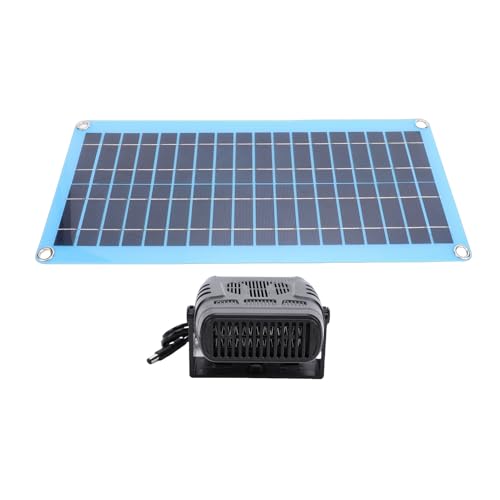
When winter utility bills spike, it is easy to see why solar-powered heaters sound appealing. The idea of setting a small collector outside your window and piping free heat into a cold bedroom sounds ideal. Online stores even display small, portable solar panels paired with miniature fan units, marketing them as winter warmers for rooms or vehicles.
Heating air with electricity, however, requires tremendous energy. When you plug a standard heater into a wall, it draws power from the electrical grid to push warm air across the room. Turning sunlight directly into that same level of electric heat requires large, expensive equipment, not a lightweight panel on a windowsill.
If you buy a small solar kit expecting it to warm an office, a nursery, or a living room, you will find that it barely warms the air an inch from the grille. These compact kits are not meant for human living spaces. Where they genuinely succeed is in tiny, enclosed shelters, such as chicken coops, dog houses, cat rescues, and small backyard greenhouses. Understanding that difference before spending money will save you from freezing rooms and wasted budgets.
Compare the Heating Power Before You Spend Any Money
To understand why solar space heaters struggle indoors, look at the heating power (the wattage) required to warm a room. In American homes, a regular portable electric space heater pulls 1,500 watts of heating power. On a standard 120-volt household circuit, that draws roughly 12.5 amps of electricity. Standard safety rules require plugging these heaters directly into a dedicated wall outlet, rather than an extension cord or power strip that could melt and spark a fire.
A reliable sizing guideline for living spaces is roughly 10 watts of heating power per square foot of floor space. To warm a closed 150-square-foot bedroom from 55 degrees Fahrenheit up to 70 degrees Fahrenheit, you need that full 1,500-watt heat setting running steadily.
Now compare that to the small solar kits sold online, which are rated between 20 watts and 30 watts. A 30-watt solar panel generates 30 watts of heating power under bright midday sunlight. Compared to the 1,500 watts your bedroom demands, that solar unit produces just two percent of the heat you need. Holding your hand over a 30-watt heating element feels similar to holding your hand near a warm coffee mug. That warmth is quickly lost in an ordinary bedroom.
Producing 1,500 watts of electric heat directly from the sun would require five large 300-watt solar panels mounted on your roof, connected to heavy wiring, a solar charge controller, and a power inverter. If you have an unheated garage or detached workspace, plugging an electric heater for a garage with a thermostat into a dedicated wall outlet will deliver the real, reliable warmth that cold concrete requires. A small portable solar panel simply lacks the muscle for that job.
Plan for Freezing Nights When Sunlight Disappears
The second major hurdle with solar heaters is timing. Heating is an urgent nighttime need. You rarely need heavy heat at 1:00 PM on a clear afternoon when the sun is already warming your windows. You need heat at 3:00 AM, when outdoor temperatures plunge, frost coats the glass, and icy drafts leak under doors.
At night, solar panels produce zero watts of power. Because panels cannot generate electricity in the dark, any solar heating setup must store daytime energy inside a battery kit (rechargeable storage batteries) so you can draw on it after dusk.
This is where the costs and physics break down for room heating. To run a standard 1,500-watt space heater across an eight-hour winter night, your battery setup would need to supply 12,000 watt-hours of usable electrical energy. Storing that much electricity requires a massive battery bank that costs thousands of dollars and weighs hundreds of pounds. In addition, freezing cold degrades battery performance, slashing usable capacity in unheated spaces.
When selecting a dependable heater to stay warm off-grid, experienced travelers choose heaters powered by diesel or propane rather than electric solar panels. Chemical fuels carry far more heat energy per pound than batteries can store. The small battery compartments included with portable 30-watt solar heaters are designed only to run tiny cooling fans or charge a phone, not to keep an electric heater running through a freezing night.
Use Small Solar Panels Only for Compact Outdoor Enclosures
While portable solar heaters cannot handle indoor living spaces, they do have a genuine, practical purpose. These units shine when placed in small outdoor structures measuring under 10 square feet. If you care for backyard animals or garden plants, a 20-watt or 30-watt solar kit can provide targeted relief against freezing cold.
A chicken coop or outdoor dog hutch holds a very small volume of air. Because these structures have low ceilings and thick insulating bedding like straw or wood shavings, a 30-watt heating panel does not have to warm a whole building. Instead, it provides a warm resting zone. It helps prevent frostbite on chicken combs, gives a family pet a warm spot to rest, and keeps water dispensers from freezing solid during daylight hours.
These compact units also work well for winter car de-icing. Setting a small solar-powered fan heater on your dashboard facing the windshield in morning sunlight allows the unit to circulate warm air against the glass, softening frost before your commute.
Before installing a low-power solar heater in an animal shelter, keep these essential checks in mind:
- Measure your enclosure to confirm it is truly compact, ideally under 8 to 10 square feet, so the low heating power is not wasted.
- Angle the solar panel toward the southern sky where winter daylight is strongest, and brush off morning snow so it can generate power.
- Confirm that the heater has an automatic overheat sensor that shuts the unit off if internal parts get dangerously hot, keeping dry straw and pine shavings safe.
- Shield all connecting cables inside a rigid conduit so curious chickens, puppies, or rabbits cannot chew on the wires.
- Maintain a clear 3-foot safety buffer between any warm surface and loose, flammable nesting materials to prevent fire hazards.
Try Smarter Ways to Capture Free Heat and Seal Drafts
If electric solar heaters are impractical for your home, you can still put the sun to work using passive solar (trapping natural sun warmth without electric fans). Passive solar relies on simple building habits rather than expensive panels and wiring.
On clear winter days, the sun pours immense amounts of radiant heat through your south-facing glass. You can harvest this free heat using simple steps:
- Open all window blinds, shutters, and heavy curtains on the south side of your house by 9:00 AM to let sunlight strike your floors and walls.
- Close those heavy curtains tightly around 4:00 PM just before sunset, creating an insulating air pocket that blocks nighttime glass chill.
- Apply clear plastic window insulation film over drafty frames to stop icy breezes from robbing your room of the warmth you just collected.
- Slide dense draft stoppers or door sweeps under all exterior doors to keep cold drafts from rolling across floors.
If you have a particularly cold room, such as an enclosed sunroom or porch that lacks central ductwork, passive solar habits alone might not be enough on cloudy winter days. In that situation, choosing a specialized heater to warm drafty spaces that plugs into a standard household outlet will give you reliable comfort, whereas a solar panel kit will leave you disappointed.
Look for Safety Sensors and Battery Storage Before You Buy
If you decide that a compact solar heating kit matches your needs for an animal hutch, chicken coop, or vehicle windshield, shopping carefully will help you get a unit that lasts. You want equipment built for rugged winter weather rather than fragile indoor electronics.
Look for kits built with monocrystalline silicon solar panels protected by durable, weather-resistant outer layers. Outdoor panels face freezing rain, heavy frost, and blowing dirt, so a sturdy frame and tough surface material are essential for reliable operation. Check the mounting hardware to make sure you can position the panel outside in full sun while routing the cord inside the shelter.
Safety protections are non-negotiable whenever heat and animals mix. Always verify that the heating unit contains a built-in automatic overheat sensor that shuts the unit off if internal parts get dangerously hot. This feature ensures that if feathers, dust, or shifted bedding cover the heater grille, the unit cuts power automatically before scorching occurs.
Finally, check the connection options. Many quality small kits include an isolated battery compartment along with versatile ports, such as female power plugs, DC connections, or USB outputs. These ports let you run small circulation fans to clear moisture from animal pens or charge small devices during outdoor chores. Make sure the supplied power cord is long enough to reach from your sunny outdoor mounting spot into your shelter without pulling taut.

- BWP Score8.9
BWP Score is a ranking system developed by Bestwinterproducts.com. BWP score has no relationship or impact from any manufacturers or sales agent websites. Learn more
- BrandAoresac

- BWP Score7.2
BWP Score is a ranking system developed by Bestwinterproducts.com. BWP score has no relationship or impact from any manufacturers or sales agent websites. Learn more
- BrandGeneric

- BWP Score8.7
BWP Score is a ranking system developed by Bestwinterproducts.com. BWP score has no relationship or impact from any manufacturers or sales agent websites. Learn more
- BrandGeneric

- BWP Score8.0
BWP Score is a ranking system developed by Bestwinterproducts.com. BWP score has no relationship or impact from any manufacturers or sales agent websites. Learn more
- BrandGeneric
- BWP Score8.0
BWP Score is a ranking system developed by Bestwinterproducts.com. BWP score has no relationship or impact from any manufacturers or sales agent websites. Learn more
- BrandFabater

- BWP Score7.1
BWP Score is a ranking system developed by Bestwinterproducts.com. BWP score has no relationship or impact from any manufacturers or sales agent websites. Learn more
- BrandGeneric
Last update on 2026-10-09 / Affiliate links / Images, Product Titles, and Product Highlights from Amazon Product Advertising API
FAQs
Can a portable solar heater warm a normal bedroom?
No, a portable solar heater cannot warm an ordinary bedroom. Standard household space heaters use 1,500 watts of heating power, while portable solar panel kits only produce 20 to 30 watts under direct sun. That tiny output is equal to about two percent of a normal space heater, which is far too weak to change the temperature in a living space.
How much heat does a 30W solar panel actually produce?
A 30-watt solar panel generates roughly 100 BTUs of heat per hour in full, direct sunlight. For comparison, a standard 1,500-watt plug-in space heater produces over 5,100 BTUs per hour. The warmth from a 30-watt heater is gentle and localized, feeling similar to a heated mug warmer, which only works inside tiny, enclosed animal crates.
Do solar heaters work during a cloudy winter day?
Solar heaters lose almost all their heating power on cloudy or overcast days. Thick winter clouds can slash a solar panel's electrical output by 70 to 90 percent. A 30-watt panel under heavy winter clouds may generate only 3 to 5 watts, which is barely enough to spin a miniature fan and produces no noticeable heat.
Is a solar heater safe to leave inside a chicken coop?
A solar heater can be safe in a chicken coop if it includes an automatic overheat sensor that shuts the unit off if internal parts get dangerously hot. Chicken coops contain dry wood shavings, straw, and feather dust, all of which catch fire easily. You must mount the heating unit securely, maintain a 3-foot safety buffer from loose bedding, and protect the wiring from pecking.


Best Warm Winter Scarves 2026 For Cozy Comfort

Best Green Ski Goggles 2026 For Clear Vision On Slopes

12 Best Corner Electric Fireplace 2026: My Ultimate Guide To Pick One

Best Battery Powered Snow Blower 2026 For Effortless Snow Clearing

Best Ski Goggles Under 30 Inches For Crisp Vision And Comfort

Best Cooling Scarf 2026 For Instant Relief And Comfort

Fake Snow for Grass: Create a Realistic Winter Lawn Display

Dimplex Prism Wall Mount Fireplace: Sleek Heat With Modern Flame Style





