
Are Ventless Gas Heaters Safe to Use Indoors?

There is no reason to panic about using one of these units, provided basic precautions are in place. Ventless gas heaters are safe for supplemental warmth when they include modern automatic shut-offs and operate with plenty of fresh air. Because these units do not have an outside exhaust pipe or chimney, every bit of heat and moisture stays inside the living space.
That balance changes if a heater runs around the clock or sits in a small, closed bedroom. Safe operation depends on matching the heating power to the room size, keeping runtime short, and having a working carbon monoxide alarm on the wall. Local building codes also regulate where these appliances can go. Understanding how these heaters interact with your air will help keep your home warm without inviting fumes or moisture trouble.
Understand Where the Exhaust Goes Before Lighting the Flame
To decide if a ventless gas heater is safe for your home, look at where the exhaust goes. A traditional furnace or fireplace uses a chimney or flue pipe to vent exhaust fumes outdoors. A ventless heater operates without an outside pipe or chimney. Every byproduct created by burning fuel enters directly into the room you are sitting in.
Manufacturers design these units to burn natural gas or propane with high efficiency. In theory, clean combustion turns fuel into heat, carbon dioxide, and water vapor. In practice, no flame burns with absolute perfection. Small amounts of carbon monoxide, nitrogen dioxide, and unburned fuel byproducts also drift into your indoor air.
Think of a ventless heater like a kitchen gas stove burner, but scaled up. While you might run a stove burner for twenty minutes to boil water, a space heater can run for hours. A stove burner vents straight into your kitchen, which is why kitchens have range hoods or open spaces.
Because there is no vent pipe leading outside, your living space acts as the exhaust collector. In older homes, natural air leaks around doors and windows help dilute these fumes. But in newer homes with tight insulation and weather-sealed windows, exhaust has nowhere to escape. Without fresh airflow, combustion gases slowly displace indoor air.
Rely on Built-In Safety Sensors but Never Bypass Them
Modern ventless heaters sold in the United States include an oxygen depletion sensor. This sensor is an automatic shut-off that cuts gas if room oxygen drops below safe levels. It works alongside the pilot light to protect your household from suffocation.
Inside the heater, the pilot flame touches a thermocouple, a small metal probe that generates an electric current when heated to keep the main gas valve open. Normal room air contains about 20.9 percent oxygen. If the heater burns through the available oxygen in an enclosed room, that level falls.
When oxygen drops toward roughly 18 percent, the pilot flame naturally changes shape and lifts off the metal probe. As the probe cools, it stops the electric current, snapping the gas valve shut and extinguishing the heater before oxygen falls to dangerous levels.
While this sensor provides crucial protection, never treat it as an excuse to ignore room airflow. Dust and pet hair can collect inside the pilot assembly, causing the sensor to shut off the unit unexpectedly. Never try to clean the sensor with pins or needles, which ruins its factory calibration. If the pilot fails to stay lit, turn the valve off and call a qualified professional.
Most importantly, an oxygen depletion sensor is not a carbon monoxide alarm. Dangerous carbon monoxide can build up while oxygen levels remain normal. Always keep a working, battery-powered carbon monoxide detector in the same room.
Check Your Room Size and Local Building Codes First
Installing a gas heater that is too large for your space creates an immediate safety hazard. Heating power is measured in British Thermal Units, or BTU. The higher the BTU rating, the more gas the unit burns and the more exhaust it releases into your room.
Use this checklist to confirm whether your room can safely handle a ventless unit:
- Calculate room volume: Multiply room width by length, then multiply by ceiling height to find total cubic feet. Standard safety guidelines require at least 50 cubic feet of space for every 1,000 BTU of heating power. If your room is smaller than that ratio, the flame can deplete oxygen too quickly.
- Verify bedroom restrictions: Never install a standard living-room gas heater in a bedroom. Many local codes ban ventless heaters in sleeping rooms entirely. Where permitted, national fuel gas codes cap bedroom units at 10,000 BTU and require wall mounting. Sleeping people cannot sense rising fumes or react to early symptoms.
- Check bathroom rules: Bathrooms are small, enclosed spaces with high moisture. Most plumbing codes prohibit ventless gas heaters in bathrooms. Where allowed, they are limited to 5,000 BTU and must be wall-mounted.
- Review mobile home approvals: Manufactured housing has tighter construction and different fire rules than standard houses. Using ventless heaters in a mobile home is often illegal unless the heater carries an explicit approval label for manufactured housing.
- Confirm state and local laws: Some regions outlaw indoor ventless gas heaters completely. California has banned them in homes for decades, and several large northern cities prohibit them under local fire codes. Check with your local building department or fire marshal first.
Watch for Moisture Buildup, Foggy Windows, and Odors
Combustion produces more than warm air. When natural gas or propane burns, hydrogen in the fuel bonds with oxygen in the room to create moisture. For every gallon of propane or therm of gas burned, your heater releases roughly a gallon of water vapor directly into your living space.
On cold winter days, that warm, damp air hits freezing window glass and exterior walls. You will see this as heavy condensation pooling on window sills or thick fog coating the glass. If you run the heater for hours every day, that trapped moisture settles into carpets, curtains, and furniture.
Over time, high humidity causes peeling paint, warped wood trim, and mold behind drywall. If your windows sweat or the room feels clammy like a greenhouse, the heater is putting out more moisture than your home can shed.
Odors are another common issue. A clean flame produces very little smell. But the heater pulls room air across the burner to feed the fire. Dust, pet hair, and candle oils get sucked into the flame and scorched, creating a harsh smell like burned kerosene. However, if you smell rotten eggs, treat that as an active gas leak and shut off the fuel immediately.
Follow Strict Daily Safety Habits and Know When to Shut It Off
Running a ventless gas heater safely requires active daily care. You cannot treat it like a central furnace that runs unattended. Follow these essential habits whenever you light the flame:
- Keep a three-foot safety buffer: Keep furniture, bedding, curtains, clothing, and papers at least 3 feet away from the front and sides of the unit. Never hang damp laundry or towels over the heater grille to dry.
- Provide fresh air circulation: Keep interior doors open to neighboring rooms so air circulates freely. If the room feels stuffy, crack an exterior window about half an inch. Losing a little heat ensures fresh oxygen enters the space.
- Check the flame color daily: Look at the burner flame through the front grille. A safe flame burns with a clean, sharp blue color. A tiny yellow fleck at the tip is normal, but a lazy yellow or orange flame indicates incomplete combustion. A yellow flame produces high levels of dangerous carbon monoxide. Shut the heater off immediately if the flame turns yellow.
- Run the unit only for short blocks: Use your heater for two to three hours at a time to take the chill off, then shut it down. Never leave the unit running while sleeping or away from home.
- Mount and inspect dual alarms: Install a battery-powered carbon monoxide detector at eye level in the room, along with a working smoke alarm. Replace backup batteries twice a year and press the check button monthly.
- Recognize poisoning symptoms: Carbon monoxide is invisible and odorless. Early symptoms feel like flu without a fever, including dull headaches, dizziness, nausea, and sudden fatigue. If anyone feels these symptoms, turn the gas off, get everyone outside into fresh air immediately, and call emergency services.
Pick a Unit Sized Properly for Backup Heat
If a ventless gas heater matches your needs, select a model designed specifically for supplemental warmth or storm backup. These heaters are valuable during winter power outages because many units operate without household electricity.
Start by confirming that the heater carries an independent safety mark, such as CSA, UL, or ETL, stamped on the specification plate. This mark confirms that the unit includes a factory-calibrated oxygen depletion sensor and an automatic shut-off valve. Avoid unbranded heaters that lack recognized safety labels.
Choose a unit with a built-in thermostat rather than a simple manual control knob. A thermostat automatically cycles the flame on and off to maintain a steady temperature, preventing the room from overheating and cutting down on excess moisture.
Match the heating style to your living area. Blue flame models warm the air directly, circulating steady heat like a convection furnace. Radiant plaque models use ceramic panels that send gentle heat to warm people and furniture directly, like sunlight. Radiant heat works well in drafty rooms because air movement does not blow the warmth away. For enclosed outdoor spaces, consider specialized space heaters for an enclosed porch that handle cold drafts safely. If you need steady warmth in a workshop where open flames pose paint or sawdust hazards, an electric heater with a thermostat offers a safer alternative.
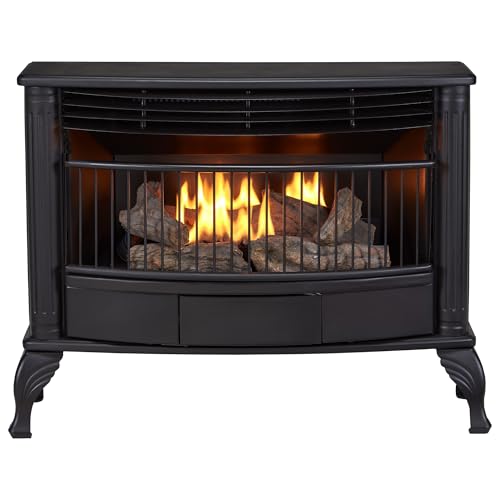
- BWP Score9.6
BWP Score is a ranking system developed by Bestwinterproducts.com. BWP score has no relationship or impact from any manufacturers or sales agent websites. Learn more
- BrandDuluth Forge

- BWP Score9.2
BWP Score is a ranking system developed by Bestwinterproducts.com. BWP score has no relationship or impact from any manufacturers or sales agent websites. Learn more
- BrandProCom

- BWP Score7.3
BWP Score is a ranking system developed by Bestwinterproducts.com. BWP score has no relationship or impact from any manufacturers or sales agent websites. Learn more
- BrandProCom

- BWP Score8.0
BWP Score is a ranking system developed by Bestwinterproducts.com. BWP score has no relationship or impact from any manufacturers or sales agent websites. Learn more
- BrandMr. Heater

- BWP Score7.9
BWP Score is a ranking system developed by Bestwinterproducts.com. BWP score has no relationship or impact from any manufacturers or sales agent websites. Learn more
- BrandProCom

- BWP Score7.5
BWP Score is a ranking system developed by Bestwinterproducts.com. BWP score has no relationship or impact from any manufacturers or sales agent websites. Learn more
- BrandProCom
Last update on 2026-10-06 / Affiliate links / Images, Product Titles, and Product Highlights from Amazon Product Advertising API
FAQs
Can I leave a ventless gas heater running while I sleep?
No, you should never run a ventless gas heater while sleeping. When asleep, you cannot monitor flame color, notice moisture buildup, or react to early carbon monoxide symptoms like headaches or nausea. Always shut the unit off completely before going to bed.
Why does my ventless gas heater smell like burning dust?
Ventless heaters draw indoor air across the burner to feed the flame. Airborne dust, pet hair, cleaning sprays, and candle oils get pulled into the fire and scorched at high temperatures, creating an unpleasant odor. If you smell rotten eggs, however, shut the gas off immediately because that indicates an active gas leak.
Are ventless gas heaters illegal in some states?
Yes, several jurisdictions ban or heavily restrict them. California has banned indoor ventless gas heaters in homes for decades, and various municipalities in other states prohibit them under local fire codes. Even where legal, standard codes restrict them in bedrooms and bathrooms to very low heating power ratings.
Do ventless gas heaters cause indoor mold?
They can contribute to mold growth if used continuously in rooms without good ventilation. Burning gas releases roughly one gallon of water vapor for every gallon of fuel consumed. That moisture condensates on cold windows and exterior walls, creating damp areas where mold can thrive.


Best Warm Winter Scarves 2026 For Cozy Comfort

Best Green Ski Goggles 2026 For Clear Vision On Slopes

12 Best Corner Electric Fireplace 2026: My Ultimate Guide To Pick One

Best Battery Powered Snow Blower 2026 For Effortless Snow Clearing

Best Ski Goggles Under 30 Inches For Crisp Vision And Comfort

Best Cooling Scarf 2026 For Instant Relief And Comfort

Fake Snow for Grass: Create a Realistic Winter Lawn Display

Dimplex Prism Wall Mount Fireplace: Sleek Heat With Modern Flame Style





