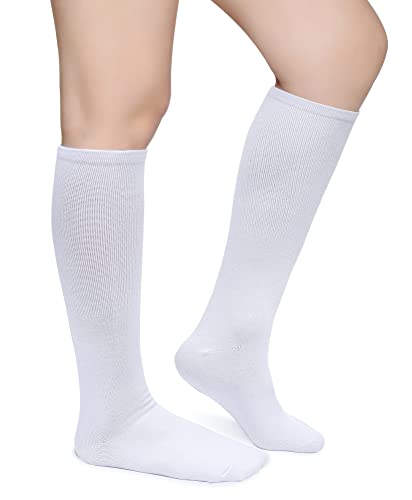
best compression ski socks 2026, cozy support picks

Best compression ski socks solve a problem that sneaks up fast: tired calves, cold toes, bunchy fabric, and that dull boot pressure that ruins a clean run. A good pair doesn’t just feel snug; it supports the lower leg while keeping the foot settled inside a ski boot. That matters because loose socks can wrinkle, shift, and create hot spots before lunch. Tight boots already ask a lot from your feet, so the sock has to pull its weight without acting like another layer of punishment.
Graduated compression is the big detail worth caring about. Firmer support around the ankle and calf can help the legs feel less heavy after repeated runs, especially during long lift days or back-to-back ski weekends. Still, tighter isn’t always better. Socks that feel like a wrestling match before they’re even on can pinch, trap heat oddly, or make boot fit feel cramped.
Merino wool blends usually make the most sense for cold, active days because they balance warmth, softness, and odor control better than basic cotton. Cotton gets damp and stays damp, which is a quick ticket to clammy feet. Synthetic fibers help with stretch and durability, while wool keeps the sock from feeling swampy after hours of movement. The sweet spot is a thin-to-midweight sock that fits the boot, not a thick cushion that forces the foot into a tighter shell.
Boot comfort often comes down to seams, padding placement, and calf height. A flat toe seam helps reduce rubbing near the front of the boot, while targeted shin padding can soften pressure from aggressive forward flex. Too much cushion, though, can steal space and make precise edging feel sloppy. So, yep, the “coziest” sock on the couch may not be the smartest sock on the mountain.
Ski sock fit should feel secure from toe to cuff without sagging, twisting, or biting into the calf. After all, nobody wants to stop halfway through the day just to tug fabric out of a boot. Look for breathable zones, reinforced heels, and enough stretch to stay put without cutting off circulation. The right pair feels almost invisible once the buckles are locked, and that’s the whole point.

- BWP Score9.6
BWP Score is a ranking system developed by Bestwinterproducts.com. BWP score has no relationship or impact from any manufacturers or sales agent websites. Learn more
- BrandSmartwool
- BWP Score9.2
BWP Score is a ranking system developed by Bestwinterproducts.com. BWP score has no relationship or impact from any manufacturers or sales agent websites. Learn more
- BrandTSLA

- BWP Score9.2
BWP Score is a ranking system developed by Bestwinterproducts.com. BWP score has no relationship or impact from any manufacturers or sales agent websites. Learn more
- BrandPure Athlete
- BWP Score9.0
BWP Score is a ranking system developed by Bestwinterproducts.com. BWP score has no relationship or impact from any manufacturers or sales agent websites. Learn more
- BrandRahhint
- BWP Score9.0
BWP Score is a ranking system developed by Bestwinterproducts.com. BWP score has no relationship or impact from any manufacturers or sales agent websites. Learn more
- BrandHylaea
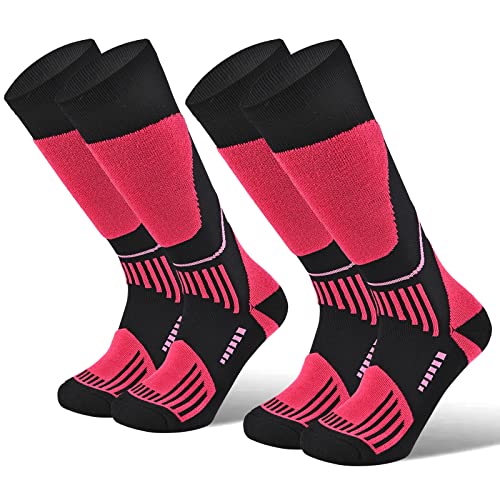
- BWP Score9.0
BWP Score is a ranking system developed by Bestwinterproducts.com. BWP score has no relationship or impact from any manufacturers or sales agent websites. Learn more
- BrandCOOPLUS

- BWP Score8.8
BWP Score is a ranking system developed by Bestwinterproducts.com. BWP score has no relationship or impact from any manufacturers or sales agent websites. Learn more
- BrandPure Compression

- BWP Score8.8
BWP Score is a ranking system developed by Bestwinterproducts.com. BWP score has no relationship or impact from any manufacturers or sales agent websites. Learn more
- BrandCOOPLUS

- BWP Score7.4
BWP Score is a ranking system developed by Bestwinterproducts.com. BWP score has no relationship or impact from any manufacturers or sales agent websites. Learn more
- BrandBauerfeind

- BWP Score7.0
BWP Score is a ranking system developed by Bestwinterproducts.com. BWP score has no relationship or impact from any manufacturers or sales agent websites. Learn more
- BrandSmartwool
Last update on 2023-05-14 / Affiliate links / Images, Product Titles, and Product Highlights from Amazon Product Advertising API
2026best compression ski socks
Cold chairlift rides have a sneaky way of turning a fun ski morning into a battle against stiff calves and numb toes. Thick socks sound cozy at first, yet they often create pressure points once the boot buckles tighten down. That’s where 2026best compression ski socks start making more sense, especially with a pair like the Smartwool Ski Targeted Cushion Pattern OTC Socks. The balance between support, warmth, and slim boot-friendly comfort feels far more dialed in than the bulky ski socks people usually grab out of habit.
Smartwool Alpine Blue Socks
Merino wool blends carry this sock hard, and honestly, that’s a good thing. Feet heat up fast inside ski boots, especially after a few aggressive downhill runs, so moisture control matters more than people expect. The fabric feels soft without turning fluffy or oversized, which helps maintain a cleaner fit inside narrower ski shells. Long sessions in cold weather feel less swampy and less irritating around the toe box.
Targeted cushioning changes the experience in subtle ways rather than dramatic ones. Shin pressure softens enough to reduce that annoying ache from stiff boot tongues, while the underfoot padding avoids feeling squishy or unstable. Some ski socks overload the cushion and make edging feel vague. This pair stays controlled, which matters during tighter turns or uneven terrain.
The over-the-calf height also deserves credit because sagging ski socks are unbelievably annoying halfway through the day. These stay in place pretty well without biting into the calf like a rubber band. That said, people with wider calves may notice the compression feeling slightly firmer after several hours. It’s supportive, sure, but not everyone enjoys that locked-in sensation.
Comfort Inside Tight Ski Boots
Thin ski socks often outperform thick ones, and this pair proves it. Ski boots already provide insulation, so piling on extra fabric usually creates friction instead of comfort. The Smartwool design keeps things streamlined, helping reduce bunching near the ankle and heel. That cleaner fit translates into better control during movement, especially on steep runs where tiny shifts matter.
Toe seams can make or break a ski sock. A rough seam rubbing against frozen toes for six straight hours can wreck a day faster than bad snow conditions. Thankfully, the seam placement here feels smooth and relatively low-profile. Little details like that sound minor until you’re stuck in lift lines wishing you’d paid attention sooner.
Breathability stands out more than expected. Warmth stays consistent, but the sock doesn’t trap heavy moisture after active skiing. That balance helps prevent the weird cycle where sweaty feet suddenly become freezing feet during slower moments on the mountain. Wool blends tend to handle that transition better than plain synthetic-heavy alternatives.
One tradeoff shows up during warmer spring skiing. The cushioning and wool mix can feel a touch warmer than ultra-light performance ski socks designed purely for high-output conditions. People who naturally run hot may prefer something even thinner during slushy afternoon sessions. Winter storms and colder mountain mornings, though, suit this sock much better.
Compression Feel And Leg Support
Compression ski socks aren’t magic, but they absolutely change fatigue levels for some people. Calves often feel less sluggish after repetitive runs because the fabric hugs the lower leg consistently instead of loosening throughout the day. The support feels noticeable without crossing into medical-grade tightness. It’s more of a steady hold than an aggressive squeeze.
Long ski weekends expose weak socks pretty quickly. Loose cuffs, stretched heels, and flattened cushioning usually appear after repeated wear. This Smartwool pair holds shape surprisingly well, even after multiple wash cycles. Merino blends sometimes wear thin around friction zones, yet reinforced areas around the heel and toe help extend durability here.
Shin comfort deserves another mention because stiff ski boots can create bruised pressure spots after hours on icy terrain. The targeted cushion placement softens impact enough to feel helpful without making the fit sloppy. Some ultra-cushioned socks create too much movement inside the boot shell. This pair avoids that problem nicely.
Still, compression fit comes with limits. Pulling these socks on takes more effort than regular casual wool socks, especially early in the morning when hands are cold and patience is thin. People who hate snug fabrics may need a little adjustment time. Once they’re on, though, the fit settles naturally instead of feeling restrictive.
Pros And Cons Worth Talking About
Pros start with the balanced construction. The socks feel warm without becoming bulky, supportive without acting stiff, and cushioned without sacrificing control. Moisture management also stays reliable through long ski sessions, which helps reduce cold dampness inside boots. That alone makes a noticeable difference during stormy conditions.
The durability feels reassuring compared to thinner bargain ski socks that stretch out after one season. Reinforced heel and toe sections help the fabric survive friction-heavy movement inside ski boots. Also, the pattern design adds personality without looking loud or gimmicky. Small detail, sure, but ski gear doesn’t always need to look overly serious.
Cons mainly revolve around fit preference and warmth level. Skiers who prefer ultra-thin race-style socks may find these slightly too cushioned. The compression can also feel snug around larger calves after all-day wear. Warm spring conditions may expose the sock’s slightly warmer profile compared to minimalist synthetic alternatives.
Price sits higher than generic multipack ski socks too. Merino wool performance gear rarely lands in bargain territory, and this pair follows that trend. Still, replacing cheap socks repeatedly because they stretch, pill, or lose support gets frustrating fast. From a practical angle, durability matters more than flashy packaging.
Everyday Mountain Use
Ski trip packing gets easier with socks that work across changing conditions. These transition well from icy morning chairlifts to afternoon runs without feeling wildly different as temperatures shift. That consistency matters during full-day outings where swapping gear mid-mountain isn’t realistic. Nobody enjoys peeling off damp socks in a freezing parking lot.
Boot fit remains one of the hardest things to dial in for skiing. A solid sock can’t magically fix a poorly fitted shell, but it absolutely influences comfort and responsiveness. This Smartwool pair keeps the foot planted more naturally without adding extra bulk around the forefoot. Less sliding usually means fewer hot spots and less toe bang.
One example worth noting is best lip balm for hyperpigmentation, which oddly connects through cold-weather routines more than expected. Dry mountain air tends to punish skin just as aggressively as it punishes feet. Small comfort upgrades often shape the overall ski experience more than flashy gear purchases.
Real-world comfort ends up being the strongest part of these socks. They don’t scream for attention with exaggerated features or gimmicky tech claims. Instead, they quietly solve the annoying little problems that pile up during long mountain days: slipping fabric, sweaty feet, shin irritation, and calf fatigue. Frankly, that’s exactly what a reliable ski sock should do.
2026best compression ski socks
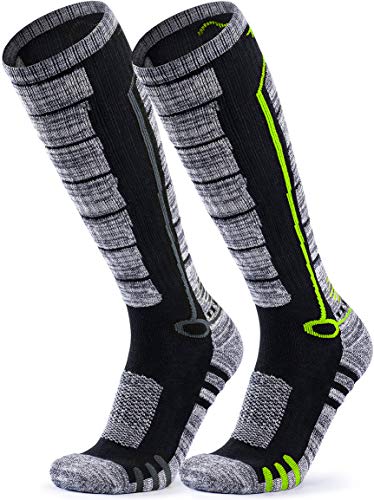
Frozen toes can ruin a mountain day faster than lousy snow conditions. Boots start feeling tighter, calves get cranky halfway through the afternoon, and suddenly every lift ride feels twice as long. That’s where 2026best compression ski socks become more than just another layer stuffed into a gear bag. The TSLA Men and Women Winter Ski Socks lean into warmth, compression support, and shock absorption without turning the fit bulky or awkward inside ski boots.
TSLA Winter Ski Socks
Cold-weather comfort stands out right away with these socks. The fabric blend of cotton, spandex, and nylon gives them a balanced feel instead of leaning too hard into one feature. Cotton helps soften the touch against the skin, while nylon and spandex tighten up the structure so the socks don’t sag after a few hours. That combination matters during long ski sessions because loose fabric inside boots gets irritating in a hurry.
Compression support feels noticeable without creating that over-squeezed sensation some ski socks have. Calves stay supported during repetitive downhill movement, especially on longer runs where leg fatigue starts creeping in quietly. The compression also helps the socks stay planted instead of sliding downward during movement. Nobody wants to stop near a freezing trail map just to yank socks back into place.
The over-the-calf height works surprisingly well for winter sports beyond skiing too. Snowboard boots, ice skates, and even insulated winter hiking boots can rub awkwardly against shorter socks. These TSLA socks create a smoother barrier between skin and stiff gear. Small comfort tweaks like that end up making cold-weather trips feel less exhausting overall.
Color options deserve a quick mention because the black, grey, and neon accents avoid looking bland without turning flashy. Winter gear already tends to lean heavily into dark colors, so a subtle contrast actually helps. The style stays sporty but practical, which honestly fits the whole vibe of these socks.
Warmth Without Heavy Bulk
Thermal insulation can get tricky with ski socks. Thick padding sounds comforting indoors, but too much fabric inside a tight ski boot can crush circulation and make feet colder over time. TSLA handles this issue fairly well by spreading knit padding strategically instead of stuffing cushion everywhere. The socks stay warm without creating that stuffed sausage feeling inside rigid ski boots.
Front and back knit padding soften pressure points in useful spots. Shin discomfort from stiff boot tongues becomes less distracting, particularly during aggressive downhill runs. Heel impact also feels more controlled while walking through icy parking lots or standing in long lift lines. Those repetitive little impacts add up over an entire ski day.
Moisture management also helps these socks stay comfortable longer than standard winter socks. Damp feet tend to trigger that miserable cold sensation fast once activity slows down. The knit padding wicks sweat reasonably well while the mesh ventilation zones help release trapped heat. That balance keeps the socks from feeling swampy after hours of movement.
One thing worth mentioning is that cotton blends naturally retain more moisture than full merino wool ski socks. During extremely wet conditions or heavy sweating, these may not dry quite as quickly as premium wool-focused alternatives. Still, for casual resort skiing or snowboarding trips, the warmth-to-price balance feels pretty solid.
Breathability And Ventilation Details
Patterned mesh ventilation sounds like marketing fluff at first glance, yet it actually serves a useful purpose here. Ski boots trap heat aggressively, and without airflow, feet can overheat surprisingly fast even in freezing weather. The mesh sections allow some air circulation without exposing the foot to cold drafts. That setup helps maintain a steadier temperature throughout the day.
Long indoor lodge breaks expose weak ski socks quickly. Some pairs feel fine outdoors but become sweaty and uncomfortable once boots stay on indoors for lunch or après-ski downtime. TSLA’s ventilation zones reduce that overheated sticky feeling enough to stay manageable. It’s a subtle detail, though one people appreciate after several hours.
Breathable winter socks also matter during activities like snowshoeing or ice climbing where effort levels fluctuate constantly. Feet heat up during uphill movement, then cool rapidly during rest periods. The fabric structure here handles those temperature swings reasonably well without feeling paper-thin or drafty.
Durability around the mesh sections appears decent too. Some ventilated socks weaken near airflow panels after repeated use, especially if ski boots fit tightly. The nylon reinforcement in these TSLA socks helps maintain structure better than cheaper bargain-bin winter socks that stretch out after a season.
Shock Grip Tech On The Slopes
Shock Grip Tech sounds dramatic, but the practical benefit is simpler than the name suggests. Repeated downhill movement creates constant vibration and impact through the foot and lower leg. Extra stability and shock absorption reduce some of that fatigue, especially during rough terrain or icy runs. The support feels subtle rather than stiff.
Balance improvements become easier to notice during quick directional changes. Skiers and snowboarders depend heavily on stable foot positioning inside boots, and loose socks can create tiny shifts that feel annoying during turns. These socks hold the foot more securely against the boot liner. That locked-in feel helps movement feel cleaner overall.
Ergonomic padding also helps while walking around ski villages or carrying gear through icy parking lots. Ski boots aren’t exactly famous for comfort outside the slopes, so every bit of cushioning helps reduce foot fatigue. The socks absorb enough impact to soften those awkward penguin-like boot walks.
Still, the grip-focused structure may feel slightly firm for people who prefer ultra-soft lounge-style winter socks. These lean more athletic than cozy-casual. That’s not really a flaw, just a reminder that performance ski socks prioritize stability and support over fluffy softness.
Real Winter Use Beyond Skiing
Multi-sport versatility gives these socks broader appeal than ski-only gear. Ice skating sessions, winter biking, snowmobiling, and cold-weather hiking all benefit from over-the-calf warmth and compression support. The socks adapt well because they avoid overly specialized race-style construction. Practicality ends up being one of their strongest points.
Long winter travel days also expose weak socks pretty quickly. Airports, road trips, and crowded ski lodges often mean wearing winter gear far longer than expected. These TSLA socks stay fairly comfortable during extended wear because the compression remains supportive without turning painfully tight. Some compression socks feel fine for two hours, then become irritating afterward. This pair holds up better than that.
Dry winter air tends to create other annoying comfort issues too. In some cases, a related reference can be found in best lip balm for accutane. Cold wind, heated indoor air, and long mountain weekends usually punish skin almost as aggressively as they punish feet.
Everyday winter reliability probably sums these socks up best. They aren’t flashy luxury ski socks with complicated marketing buzzwords attached to every feature. Instead, they focus on practical warmth, stable fit, decent breathability, and support that actually helps during long cold-weather outings. Frankly, that straightforward approach makes them easier to appreciate after a full day on the mountain.
Compression Merino Ski Socks
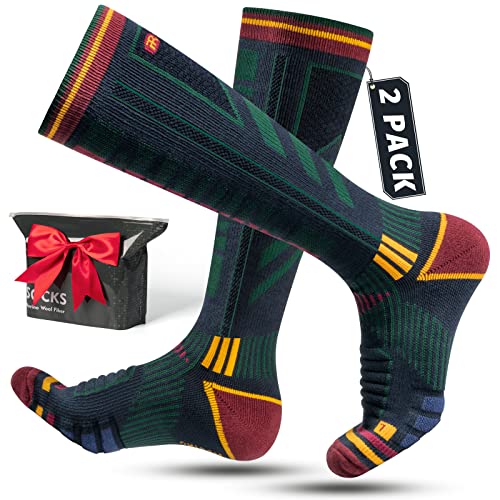
A ski boot can feel fine in the living room and still turn fussy once the mountain day starts. Calves tighten, toes sweat, then the cold creeps in during a slow lift ride. That’s the exact mess 2026best compression ski socks are supposed to handle, and the Compression Merino Ski Socks take a practical route with compression support, merino warmth, moisture control, and a snug over-the-calf fit. They’re built for skiing and snowboarding days where comfort has to stay steady, not just feel soft for the first hour.
Compression Merino Ski Socks
Compression technology is the main story here, and it gives these socks a more athletic feel than basic winter socks. The fit hugs the feet and lower legs so the fabric doesn’t drift, bunch, or twist inside a stiff boot. That steady hold can make long runs feel less sloppy because the foot stays better positioned against the liner. Still, anyone who dislikes snug socks may need a short break-in period before the feel becomes second nature.
Leg support matters more on ski days than people usually admit. Repeated turns, chairlift pauses, icy walkways, and gear hauling can leave calves feeling heavy before the afternoon even gets interesting. These socks aim to energize the legs through controlled compression rather than thick padding alone. It’s not a medical fix, of course, but the supportive wrap can make a cold-weather session feel more organized and less draining.
The over-the-calf coverage also solves a common boot problem. Shorter socks can slide below the boot cuff, which creates rubbing right where the shin already takes pressure. With this taller shape, the leg gets a smoother layer from foot to calf. Second-skin fit is a fair description here because the sock is meant to stay close and stable instead of loose and fluffy.
That close fit comes with one real tradeoff. Pulling compression socks on can take more effort than sliding into ordinary thermal socks. Morning gear changes in a cold cabin aren’t exactly graceful, and snug fabric doesn’t make them faster. Once in place, though, the secure feel is the whole point.
Merino Warmth Without Boot Bulk
Merino wool blend gives these socks their cold-weather backbone. Wool helps hold warmth without needing oversized cushion, which is a big deal inside ski boots. A bulky sock can make a boot feel tighter, reduce circulation, and ironically leave toes colder. This pair keeps warmth more controlled by staying warm without acting thick.
Boot space is precious, especially for anyone wearing fitted ski or snowboard boots. Extra fabric around the forefoot can dull edge control and create pressure near the toe box. These socks avoid that stuffed feeling by leaning on material performance rather than cushion overload. The result feels more sensible for mountain use than a heavy cabin sock pretending to be ski gear.
Anti-odor properties from the wool blend add another useful layer for multi-day trips. Ski socks often sit inside warm boots for hours, then get tossed into a gear bag with gloves and base layers. Wool’s natural odor resistance helps keep things less funky between wears. That doesn’t replace washing, obviously, but it helps when travel days get messy.
Warmth expectations should stay realistic. These socks are made to work inside boots, not replace insulated footwear or fix poor circulation in extreme cold. During frigid lift rides, toes can still get chilly if boots are too tight or dampness builds elsewhere. Warm without being too thick is the strength, not arctic expedition padding.
Moisture Control On Long Runs
Moisture wicking may sound less exciting than warmth, yet it can decide whether feet stay comfortable or start feeling clammy. Skiing creates a strange rhythm: hard movement, cold pauses, then another burst of effort. Sweat buildup during that cycle can turn warm socks into cold socks fast. These Compression Merino Ski Socks are designed to reduce perspiration buildup so the inside of the boot feels drier.
Dryer socks help with more than comfort. Damp fabric can rub harder against the skin, especially around the heel, toes, and ankle crease. That rubbing becomes more noticeable when the boot shell locks everything in place. By moving moisture away from the foot, the sock helps reduce that raw, irritated feeling that shows up after repeated runs.
Merino and compression work together nicely here. The wool blend helps manage temperature, while the snug fit keeps the fabric close enough to avoid loose folds. Loose socks often trap sweat in little pockets and wrinkle under pressure. A close fit cuts down on that, which makes a difference once the day stretches beyond a few casual runs.
There’s a limit, though. Heavy sweating, wet liners, or warm spring conditions can still overwhelm any ski sock. These aren’t magic fabric tubes. They’re better viewed as a moisture-control upgrade for normal skiing and snowboarding conditions, especially when paired with boots that fit correctly and have time to dry between uses.
Fit, Feel, And Mountain Practicality
Snug comfort is the defining feel of these socks. They wrap the foot and leg closely, which helps them stay in place during active movement. That matters during snowboarding too, where ankle flex and boot pressure can cause ordinary socks to creep downward. A sock that stays put saves a surprising amount of irritation.
The comfort profile leans supportive rather than plush. That’s good news for anyone who wants cleaner boot contact, but less appealing for those who prefer soft, lounge-style winter socks. Ski and snowboard boots already have structure, so a thinner warm sock often performs better than a puffy one. These socks follow that logic instead of chasing sofa-soft comfort.
All-day wear depends heavily on calf preference. The compression can feel reassuring during long runs, yet it may feel firm for wider calves or people sensitive to tight cuffs. Sizing matters here, and forcing a too-small pair would undercut the whole design. The best fit should feel secure, not pinchy.
Separately, winter outfits sometimes bring small styling problems outside the boot room. A neutral reference for scarf styling sits in how to tie a short neck scarf, especially during cold days where warmth and neat layering both matter. Mountain comfort tends to come from several little choices working together, not one heroic piece of gear.
Strengths, Limits, And Best Uses
Main strengths include compression support, merino warmth, moisture-wicking performance, and a close over-the-calf fit. Those features line up well with skiing and snowboarding because both sports punish loose, sweaty, or overly bulky socks. The design feels practical for long boot wear, especially when the goal is steady comfort. It’s the kind of sock that quietly removes problems rather than shouting about fancy extras.
The 100% satisfaction guarantee is also worth noting because the product description specifically mentions a refund if expectations aren’t met. That matters with compression socks since fit preferences can be personal. Some people love the close wrap immediately, while others prefer a softer, less structured feel. Having that promise attached lowers the sting if the fit doesn’t match the foot or calf shape.
Weaknesses mostly come from the same traits that make the socks useful. Compression can feel too snug for casual lounging, and the thinner warm profile won’t satisfy anyone expecting thick padded socks. The wool blend helps with odor and warmth, but it still needs proper drying after wet days. Poor boot fit can also overpower any sock, no matter how well designed.
These socks make the most sense for skiing and snowboarding days where boot fit, warmth, and leg support all matter at once. They also suit cold-weather trips where socks need to stay stable through walking, riding, standing, and repeated gear changes. The realistic expectation is simple: better support, less bunching, drier comfort, and warm performance without heavy bulk. That’s a useful mix for winter sports, especially when thick socks have already caused more trouble than comfort.
Rahhint Merino Wool Ski Socks
Cold feet don’t politely wait until the last run. They start nagging during lift lines, tighten up inside boots, and make every icy step from the parking lot feel longer than it should. The 2026best compression ski socks category exists for exactly that kind of winter headache, and the Rahhint Merino Wool Ski Socks bring a 2-pack setup with thermal wool, 15-20 mmHg compression, full cushion zones, and a non-slip over-the-calf fit. They feel built for long snow days where warmth, pressure relief, and sock stability all have to work together.
Rahhint Merino Wool Ski Socks
Merino wool gives these socks a strong cold-weather foundation. The material is meant to help keep feet warm while also pulling moisture away during skiing, snowboarding, hunting, hiking, or other winter sports. That matters because damp feet can turn cold quickly once movement slows down. A sock that handles sweat better can make the whole day feel less fussy.
The 2-pack format adds practical value without making the socks feel like throwaway gear. Winter trips often mean wearing one pair while the other dries, especially after a long day in ski boots. Having a spare pair ready saves that awkward next-morning moment where yesterday’s damp socks are still sitting in the bag. Not glamorous, sure, but real gear habits are rarely glamorous.
Compression support sits at the center of the design. Rahhint lists 15-20 mmHg gradient compression, which gives the socks a firmer, more purposeful feel than ordinary thermal socks. The goal is to help reduce swelling and pain around the calves and ankles during active winter use. That kind of support can be especially useful during long sessions where standing, flexing, walking, and riding all pile up.
The overall feel leans more structured than soft-and-loose. That’s a good fit for ski boots, where extra fabric can bunch and rub. Still, anyone who prefers fluffy lounge socks may need to reset expectations. These are built more like thermal compression snow socks than cozy cabin socks.
Warmth And Moisture Control
Thermal wool construction helps these socks handle the usual cold-weather balancing act. Feet need warmth, but too much heavy fabric can choke boot space and create pressure. Rahhint’s merino wool approach aims to keep warmth close without relying only on bulk. That’s the difference between comfort that supports movement and comfort that feels nice for five minutes indoors.
Moisture wicking also deserves attention because skiing and snowboarding create a weird sweat pattern. Feet heat up during runs, then cool down while waiting or riding lifts. If sweat stays trapped, the sock starts feeling clammy, and cold follows right behind. The moisture-wicking properties help reduce that damp cycle so feet can stay warmer and drier through changing activity levels.
Winter hiking and hunting create similar problems. Movement may be slow, but the feet still sweat inside insulated footwear. Then, once the pace drops, moisture becomes the enemy. These socks fit that stop-and-go rhythm better than basic cotton-heavy winter socks.
The limitation is worth saying plainly. No sock can fully save wet boots, poor circulation, or footwear that’s too tight. Warmth depends on the whole setup, not just the sock. Rahhint gives a solid base layer for cold weather, but boot fit and drying habits still matter a lot.
Compression For Calves And Ankles
15-20 mmHg compression gives these socks a defined support profile. That pressure range is firm enough to feel intentional, especially around the calf and ankle. During skiing or snowboarding, that can help reduce that heavy-leg feeling that creeps in after repeated runs. It’s not a miracle cure, but it does make the sock feel more athletic than a plain thermal pair.
Calf fatigue can sneak up during winter sports. The body is constantly adjusting, bracing, pushing, and absorbing small impacts. Rahhint’s gradient compression is designed to reduce stress on muscles and help prevent injury from happening, according to the provided product details. Realistically, the benefit feels most useful as added support rather than a replacement for proper conditioning or warmups.
The product note says wearing the compression socks earlier will help more, and that makes practical sense. Compression works best when it’s already in place before swelling or fatigue gets ahead of you. Pulling them on after legs feel cooked won’t feel the same as starting the day supported. A little planning goes a long way here.
Fit sensitivity is the tradeoff. Firm compression can feel reassuring for some legs and too snug for others. Calf size, boot tightness, and personal preference all shape the experience. The sock should feel held, not squeezed to the point of distraction.
Cushioning Inside Winter Boots
Thick loops on the toes, heel, and shin give these socks their comfort padding. Those areas take plenty of abuse during ski and snowboard sessions. Toes press against the front of the boot, heels deal with friction, and shins push into stiff boot tongues. Cushion placed in those zones makes more sense than padding the entire sock evenly.
The shin cushioning may be especially helpful during downhill runs. Boot tongues can create that bruised, nagging pressure after hours of forward flex. Rahhint’s padding adds a softer buffer without turning the sock into a bulky blanket. That balance matters because too much cushion can make a boot feel tight and sloppy.
Friction reduction is another clear strength. The provided details say the socks are designed to minimize friction between the feet and boots. That’s exactly the kind of small feature that becomes big after a few hours outdoors. Hot spots don’t need much time to turn a decent day into an annoying one.
Still, thicker loop zones may not suit every boot fit. Skiers with very tight shells or narrow toe boxes may feel the padding more than expected. In that case, a thinner sock might provide better precision. Rahhint seems better suited for boots with enough room to accept targeted cushion comfortably.
Non-Slip Cuff And Daily Wear
Over-the-calf design is a major plus for winter sports. Short socks can slide, fold, or leave skin exposed near the boot cuff. Rahhint uses an OTC shape with a non-slip cuff so the socks stay pulled up during movement. That means fewer mid-day adjustments and less fuss inside layered winter gear.
The non-slip cuff helps during snowboarding too, where ankle and calf movement can be constant. Socks that creep downward inside snowboard boots create rubbing fast. A secure cuff keeps the fabric where it belongs and protects the lower leg from boot contact. Simple, yes, but simple features often matter most outdoors.
Size range also gives the socks broader usability. The product details mention sizes from 3.5 to 16, which makes the 2-pack easier to match across different foot sizes. Six color choices add a bit of personality without turning the socks into costume gear. Practical winter socks don’t have to look dull.
Gift appeal is present, especially because socks are useful winter gear and the design covers skiing, snowboarding, hiking, hunting, and cold-weather activities. Still, fit is personal with compression socks. A thoughtful gift can land well, but sizing and calf comfort matter more than color alone.
Pros And Cons In Real Use
Pros start with the combination of merino warmth, compression, and targeted cushioning. That trio covers the biggest complaints inside winter boots: cold feet, tired calves, and rubbing. The moisture-wicking wool blend helps reduce dampness, while the non-slip cuff keeps the sock from sliding down. For long snow days, that’s a useful mix.
The 2-pack value also works in Rahhint’s favor. Ski trips, hunting weekends, and cold-weather travel all benefit from having a backup pair. One pair can dry while the other is worn, which keeps the routine cleaner and less annoying. Gear that supports real habits usually earns its place faster.
Cons come mostly from compression and cushion thickness. The 15-20 mmHg pressure may feel too firm for people who dislike tight socks. Thick loops at the toes, heel, and shin can also feel cramped in boots that already fit snugly. These socks may not be the right match for ultra-tight race-style ski boots.
Another tradeoff sits in expectations. These socks help with warmth, comfort, and support, but they won’t fix wet boots, incorrect sizing, or poor boot fit. They’re best viewed as a practical winter layer with real support features, not a magic answer for every cold-foot problem. In some cases, a related winter-care reference sits naturally in best lip balm for winter, since cold air tends to punish skin and feet during the same outdoor days.
Best Fit For Snow Days
Rahhint Merino Wool Ski Socks make the most sense for winter sports where warmth and calf support both matter. Skiing, snowboarding, hiking, hunting, ice-side activities, and cold-weather travel all fit the design. The sock feels especially useful for long days where ordinary thermal socks slide down or leave legs feeling unsupported. That over-the-calf compression structure gives the whole fit more control.
Comfort depends on matching the sock to the boot. A roomy snowboard boot or regular ski boot setup should handle the cushioned zones well. A narrow shell may make the toe and shin loops feel more noticeable. Boot compatibility is the quiet detail that decides whether the padding feels helpful or crowded.
The style side is a nice bonus, not the main event. Six colors give the socks more personality, while the functional design still does the heavy lifting. They don’t need loud claims to feel useful. Warmth, compression, cushioning, and stay-up coverage are enough to make the case.
Realistic expectations keep this review grounded. Rahhint offers a supportive, warm, moisture-wicking compression sock with thoughtful padding and a secure cuff. It may feel too snug for loose-sock fans, and the cushion may not suit extremely tight boots. For winter days that involve snow, stiff footwear, and tired lower legs, the design makes practical sense.
Merino Wool Thermal Ski Socks
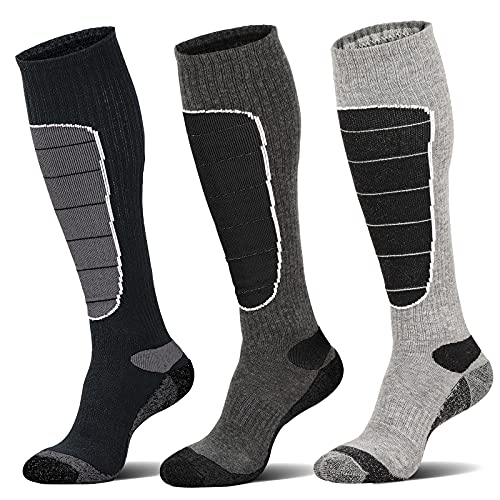
Cold toes have a nasty habit of stealing attention from everything else. One minute the snow feels crisp and fun, then the boot starts rubbing, the heel gets damp, and the shin pressure keeps tapping on your patience. The 2026best compression ski socks category exists for exactly that messy winter equation, and the Merino Wool Thermal Ski Socks take a roomy, practical approach with three pairs, Thermolite technology, Merino wool, moderate compression, terry cushioning, and knee-high coverage. They’re not trying to be thin race socks; they’re built more like steady cold-weather workhorses for skiing, snowboarding, hunting, hiking, camping, ice fishing, and long outdoor days.
Merino Wool Thermal Ski Socks
Thermal Merino wool gives these socks their main cold-weather personality. The blend combines natural wool with Thermolite technology, so the goal is warmth without trapping feet in that clammy, overheated feeling. Merino wool brings moisture-wicking and odor-resistant properties, which matters after hours inside insulated boots. Nobody wants socks that feel damp by lunch and suspicious by dinner.
The three-pair pack makes the setup more useful for travel and repeated winter wear. One pair can dry while another goes into the boot, which is a small detail until a multi-day trip makes it feel essential. Ski socks take abuse from sweat, friction, and tight footwear, so having backups keeps the routine cleaner. It also helps when cold-weather activities stack up across a weekend.
Moderate compression gives these socks structure without turning them into stiff medical-style hosiery. The compression is meant to help the socks stay in place during movement, especially inside boots that flex, press, and shift through the day. That stable fit reduces the annoying fabric creep that causes bunching around the ankle. A sock that stays put feels less exciting on paper, but outdoors, it’s a quiet win.
The feel leans thick and cushioned, so boot fit matters. A roomy ski or snowboard boot should pair more naturally with the terry loop padding. A tight shell may make the sock feel crowded, especially near the forefoot and toe. Warmth and cushion are strengths here, but they need enough boot space to shine.
Warmth And Breathable Comfort
Thermolite technology is included to support warmth during cold-weather movement. The product description frames these as socks that help feet stay at a natural body temperature instead of feeling too hot or too cold. That balance matters because winter feet don’t just need heat; they need heat that doesn’t turn into sweat. Too much trapped moisture can make cold feel sharper once the pace slows.
Merino wool helps move sweat away from the skin more naturally than basic cotton-heavy socks. That’s useful during skiing and snowboarding, where effort comes in bursts and pauses. Runs warm the foot, lift rides cool it, and wet fabric makes the swing feel worse. Moisture-wicking fabric gives these socks a better shot at staying comfortable through that rhythm.
The odor-resistant side is practical too. Cold-weather socks often live inside boots for long stretches, then get tossed into bags with gloves, base layers, and damp gear. Freshness isn’t just a nice extra; it keeps multi-day use from becoming unpleasant. These socks should still be washed properly, but the wool blend helps reduce that stale boot-sock problem.
Warmth expectations should stay grounded. These socks can help manage cold, but they won’t fix soaked boots, poor circulation, or footwear that squeezes toes too tightly. Boot fit and drying habits still play a big role. The sock is part of the system, not the whole mountain survival plan.
Cushioning Where Boots Bite
Thick terry loops in the forefoot, heel, and toe give these socks a plush, protective feel. Those zones face most of the pressure during winter sports. Toes press forward, heels rub during walking, and the forefoot absorbs constant boot contact. The cushioning helps soften that rough inside-the-boot environment.
Shin padding also matters, especially for skiing and snowboarding. A stiff boot tongue can create a sore, bruised feeling after hours of forward flex. These socks add targeted front shin cushion, which should help reduce that pressure without needing an extra sleeve. Small buffer, big relief, especially during long downhill sessions.
Shock absorption is another useful part of the terry loop design. Winter sports involve more impact than people expect, even before counting the icy parking lot shuffle. Walking in stiff boots, standing in lift lines, and riding uneven terrain all send pressure through the foot. Extra padding helps smooth out some of that repeated stress.
The tradeoff is precision. Thicker socks can feel less exact inside performance-focused boots. Riders and skiers who prefer a very close boot feel may notice the extra cushion more than they want. Comfort-focused padding suits longer casual days better than ultra-tight, race-style setups.
Arch Support And Stay-Put Fit
Compressive arch support gives these socks a more secure midfoot feel. The elastic arch band is designed to hold the warm socks in place and prevent sliding during outdoor activities. That matters because a sock that shifts under the arch can create wrinkles and hot spots. Once the boot is buckled, fixing that problem becomes a hassle.
The knee-high shape adds coverage for taller boots and cold-weather layering. Shorter socks can leave gaps near the calf or fold under boot cuffs. These rise higher to create a smoother barrier between skin and gear. Knee-high coverage also helps during hunting, hiking, or snow activities where pants and boots don’t always seal perfectly.
Moderate compression works best when it feels supportive rather than restrictive. These socks aim to stay in place, not squeeze the leg into submission. That makes them easier to wear for varied winter activities beyond skiing. Still, calf comfort depends on sizing and personal preference.
The provided sizing range keeps the choice fairly clear: Medium for Men 4-6.5, Women 5.5-7.5, Youth 3-6; Large for Men 7-9.5, Women 8-11; X-Large for Men 10-13, Women 11.5-14.5. Correct sizing matters more with compression and thick cushioning than with ordinary socks. A too-small pair can feel tight, while a too-large pair may bunch inside boots.
Pros And Cons In Snow Use
Pros start with the winter-ready material blend. Thermolite technology, Merino wool, moisture wicking, and odor resistance all serve real cold-weather problems. The socks are built for skiing, snowboarding, hiking, trekking, camping, hunting, working outdoors, and ice fishing. That multi-use design makes the three-pair pack feel more practical.
Cushioning is another clear strength. Thick terry loops in the forefoot, heel, and toe help minimize friction and absorb shock. The added shin padding is especially relevant for skiers and riders who deal with boot tongue pressure. That combination feels more comfort-driven than minimalist performance-driven.
Cons mostly come from the same traits that create warmth and comfort. Thick cushioning can take up boot space, especially in narrow ski boots. Moderate compression may still feel snug for people who prefer loose socks. These may not be the best match for highly fitted boots where every millimeter already feels tight.
Another limitation is activity intensity. For high-output spring skiing or fast uphill travel, thicker thermal socks can feel warm. The moisture-wicking blend helps, but warmth can still build during harder movement. Cold-weather comfort is the main lane here, not featherlight breathability.
Everyday Winter Practicality
Multifunction use gives these socks a broader role than ski-only gear. The product description positions them for sleeping in cold conditions, hiking, hunting, mountain climbing, snowboarding, and general winter wear. That flexibility matters for trips where packing space is limited. One sock style that handles several cold-weather jobs can simplify the bag.
Outdoor workers may also appreciate the extra warmth and cushion. Standing on cold ground, walking through wet snow, or wearing heavy boots all day can wear down feet quickly. These socks provide a soft barrier with added arch support and thermal structure. They feel more suited to rough winter routines than lightweight indoor comfort.
Winter clothing choices often overlap in small ways. From a practical angle, a related reference sits in best mens gore tex walking shoes, since dry footwear and warm socks usually work together during cold, wet outdoor days. That connection feels more about weather readiness than matching product categories.
Realistic expectations keep the review honest. These socks offer warmth, cushion, moisture control, odor resistance, arch support, and moderate compression in a three-pair set. They may feel too thick for tight ski boots or too warm for high-sweat conditions. For cold winter activities where comfort, coverage, and boot protection matter, the design makes steady, practical sense.


Best Heated Socks With Remote 2026 For Cozy Toes Everywhere

Best Padded Ski Socks 2026: Cushioned Top Picks

Top 12 Best Socks for Standing on Concrete All Day in 2026

Best Custom Pet Socks: Show off Your Furry Friend in Style

Best Socks for Wide Calves: Top Rated Picks for 2026

The Ultimate Guide to the Best Grip Socks for Soccer in 2026

Best Foot Alignment Socks of 2026: Top Reviews and Choices

9 Best Socks for Tennis Players: Comfort and Performance