
10 Best Diesel Heater For Van Life of 2026 To Beat Freezing Mountain Nights

A common assumption is that grabbing an 8 kW heater guarantees the warmest nights on the road. In reality, shoving excessive heat into a compact living space forces the burner to run on low, triggering heavy soot buildup and rapid short-cycling that chokes the system right when temperatures plummet. When blizzards roll across high mountain passes, an uncalibrated burner or a cheap clicking pump leaves travelers shivering in the dark with drained house batteries. Worse, flimsy fuel caps and poorly routed lines spill raw diesel over rough washboard roads, replacing fresh air with noxious fumes instead of clean heat.
Life on the road feels effortless when gentle, dry warmth fills the cabin at the touch of a bedside controller without moisture weeping down window panes. Achieving that peace of mind means matching heat output to your actual cabin layout, choosing automatic altitude adjustment to protect combustion in thin air, and securing a quiet fuel pump that sips modest 12V power overnight. Here is how the most dependable models compare to help keep your van cozy, safe, and whisper-quiet through winter.

- BWP Score9.7
BWP Score is a ranking system developed by Bestwinterproducts.com. BWP score has no relationship or impact from any manufacturers or sales agent websites. Learn more
- BrandYZO
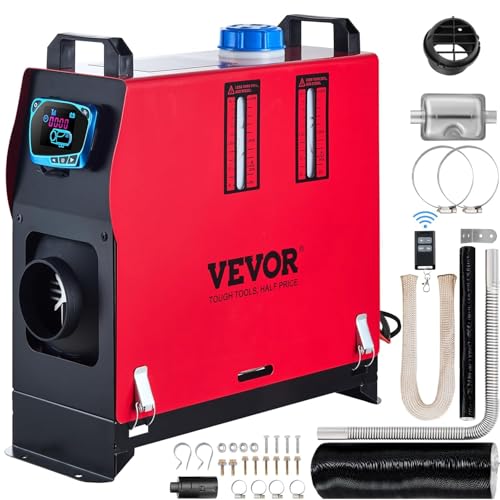
- BWP Score9.4
BWP Score is a ranking system developed by Bestwinterproducts.com. BWP score has no relationship or impact from any manufacturers or sales agent websites. Learn more
- BrandVEVOR

- BWP Score8.9
BWP Score is a ranking system developed by Bestwinterproducts.com. BWP score has no relationship or impact from any manufacturers or sales agent websites. Learn more
- BrandLF Bros
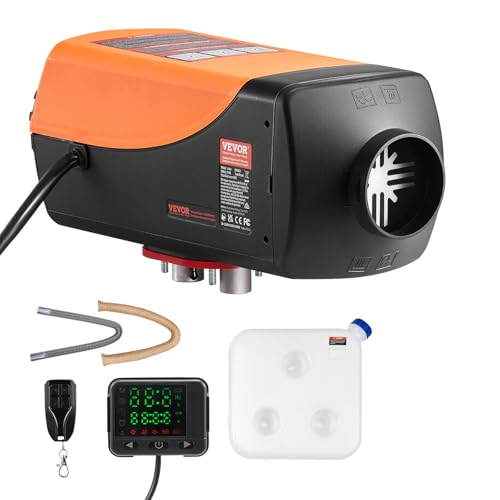
- BWP Score8.8
BWP Score is a ranking system developed by Bestwinterproducts.com. BWP score has no relationship or impact from any manufacturers or sales agent websites. Learn more
- BrandVEVOR

- BWP Score8.7
BWP Score is a ranking system developed by Bestwinterproducts.com. BWP score has no relationship or impact from any manufacturers or sales agent websites. Learn more
- BrandVEVOR

- BWP Score8.6
BWP Score is a ranking system developed by Bestwinterproducts.com. BWP score has no relationship or impact from any manufacturers or sales agent websites. Learn more
- BrandVEVOR

- BWP Score8.1
BWP Score is a ranking system developed by Bestwinterproducts.com. BWP score has no relationship or impact from any manufacturers or sales agent websites. Learn more
- BrandVEVOR

- BWP Score7.8
BWP Score is a ranking system developed by Bestwinterproducts.com. BWP score has no relationship or impact from any manufacturers or sales agent websites. Learn more
- BrandBreAro

- BWP Score7.7
BWP Score is a ranking system developed by Bestwinterproducts.com. BWP score has no relationship or impact from any manufacturers or sales agent websites. Learn more
- BrandVEVOR
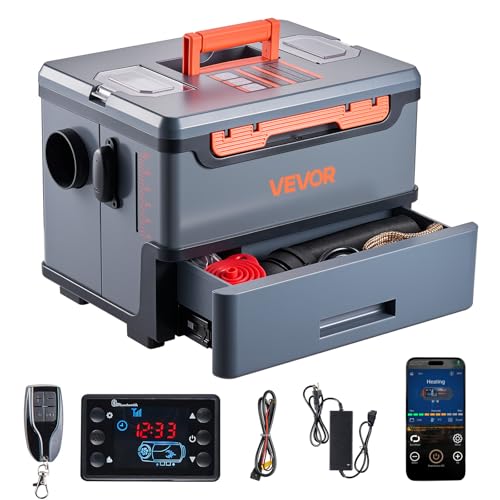
- BWP Score7.1
BWP Score is a ranking system developed by Bestwinterproducts.com. BWP score has no relationship or impact from any manufacturers or sales agent websites. Learn more
- BrandVEVOR
Last update on 2026-10-21 / Affiliate links / Images, Product Titles, and Product Highlights from Amazon Product Advertising API
Is an 8 kW diesel heater too powerful for a compact camper van?
It depends on your van floor plan and living space dimensions. A 2 kW heater is rated for spaces between 108 and 161 square feet (10 to 15 square meters), making it a practical fit for compact camper vans. Meanwhile, 8 kW heaters generally cover 161 to 215 square feet, or 215 to 269 square feet (20 to 25 square meters) on high-output models. However, certain 8 kW all-in-one heaters are also specified for 108 to 161 square feet, raising interior temperatures up to 210 degrees Fahrenheit in 5 minutes. Measure your clear interior living area and verify the manufacturer coverage rating to avoid rapid cycling in tight cabins.
Will a diesel parking heater soot up when camping at high elevations?
Burners can accumulate soot in mountain passes if the fuel-to-air combustion mixture is not calibrated for thinner air. To prevent carbon buildup and unexpected shutdowns, select heaters feature automatic altitude adjustment rated for elevations up to 18045 feet. These systems adjust the internal combustion parameters automatically as you climb. If a heater lacks automatic altitude compensation, check the product manual to verify elevation limits or manual adjustment settings before camping at high altitudes.
How much fuel does a diesel heater burn during cold nights?
Fuel consumption depends on the heating power setting and fuel pump rate. An 8 kW diesel air heater with a low-noise pump burns between 0.16 and 0.62 liters per hour, using about 1 gallon per night from a 9-liter fuel tank. Energy-saving 8 kW models list fuel consumption of 0.04 to 0.1 gallons per hour with over 90 percent efficiency, supported by 1.2-gallon or 1.3-gallon tanks. A 5 kW model delivering 4700 to 17000 BTU lists consumption between 0.18 and 0.53 liters per hour with a 5-liter tank.
Does the fuel tank cap leak diesel when driving over rough washboard roads?
Models equipped with an upgraded leak-proof fuel cap are designed specifically to minimize spill risks on rough roads. Unsealed caps or loose fuel necks can release noxious diesel odors and spill fuel under intense vehicle vibration. If you plan to travel on backcountry trails, confirm that the heater includes a leak-proof fuel cap, and inspect all fuel line fittings during your build to ensure they stay tight under road shock.
Can you run a diesel heater on both 12V van batteries and 110V shore power?
Yes, provided you choose a unit with multi-voltage support. Standard parking heaters run on vehicle DC 12V or DC 12V to 24V electrical circuits. Several all-in-one models also include a 110V to 240V transformer, allowing you to plug directly into a standard 110-volt wall socket when connected to shore power or garage outlets without purchasing extra converters. Verify the electrical input specifications on the product page to match your auxiliary power system.
What safety features prevent exhaust scorching and cabin heat damage?
Safe camper van installations rely on physical heat barriers and stable combustion components. Certain heaters include a heat-insulated exhaust pipe shield to avoid burns or scorching around the floor pass-through hole. Inside the heater, ceramic igniters ensure prompt cold-weather starting, while a sandblasting aluminum heat exchanger transfers warmth into the living quarters without exposing your interior to combustion gases. If you are comparing auxiliary off-grid heat sources that require isolated combustion runs, exploring options with safe indoor venting can help clarify proper clearance and flue safety.


Best Warm Winter Scarves 2026 For Cozy Comfort

Best Green Ski Goggles 2026 For Clear Vision On Slopes

12 Best Corner Electric Fireplace 2026: My Ultimate Guide To Pick One

Best Battery Powered Snow Blower 2026 For Effortless Snow Clearing

Best Ski Goggles Under 30 Inches For Crisp Vision And Comfort

Best Cooling Scarf 2026 For Instant Relief And Comfort

Fake Snow for Grass: Create a Realistic Winter Lawn Display

Dimplex Prism Wall Mount Fireplace: Sleek Heat With Modern Flame Style





