Best Electric Fireplace For Screened Porch 2026 Picks

Best electric fireplace for screened porch setups need more thought than a living room insert. A screened porch feels open and breezy, which is lovely until the evening chill creeps under the chairs. Heat can slip away fast, so the right unit needs steady warmth, simple controls, and a design that won’t look awkward beside wicker seating, potted ferns, or a weathered coffee table.
Infrared electric fireplaces often make sense because they warm nearby surfaces and bodies instead of trying to heat every bit of moving air. That matters on a porch where screens don’t hold warmth like walls do. Still, expectations need to stay grounded. A fireplace can take the edge off a cool night, but it won’t turn a drafty porch into a sealed family room.
Porch-safe placement matters just as much as heat output. The fireplace should sit away from rain splash, damp flooring, and loose curtains that move with the breeze. A covered screened porch gives better protection, but moisture is still part of the deal. So, a sturdy cabinet, stable base, and clear manufacturer guidance for sheltered use can save headaches later.
Flame realism sounds like a small detail until the porch becomes the favorite coffee spot. A cheap-looking flame can make the whole corner feel temporary, like a prop dragged outside for one season. Better flame effects, adjustable brightness, and ember settings help the space feel settled. Yep, the vibe counts, especially after sunset.
Electric fireplace heaters also win points for low mess. No ash. No smoke drifting into cushions. No stacking wood beside the door and hoping bugs don’t come with it. The tradeoff is outlet access, cord management, and remembering that most units need a standard, safe power setup rather than a tangled extension cord running across the floor.
Size and style should match the porch instead of overpowering it. A compact stove-style unit can feel charming in a small corner, while a wider mantel design suits a larger seating area. Also, darker finishes tend to hide outdoor dust better than glossy light surfaces. Small detail, big relief, especially during pollen season.
Adjustable heat settings make daily use easier because porch temperatures swing around. Some nights need only the flame effect. Other nights need a real burst of warmth while the wind rattles through the screens. A remote control, timer, and thermostat aren’t fancy extras here. They keep the fireplace from becoming one more thing to fuss with.
- BWP Score9.0
BWP Score is a ranking system developed by Bestwinterproducts.com. BWP score has no relationship or impact from any manufacturers or sales agent websites. Learn more
- BrandReal Flame

- BWP Score9.4
BWP Score is a ranking system developed by Bestwinterproducts.com. BWP score has no relationship or impact from any manufacturers or sales agent websites. Learn more
- BrandFurniture HotSpot
- BWP Score8.2
BWP Score is a ranking system developed by Bestwinterproducts.com. BWP score has no relationship or impact from any manufacturers or sales agent websites. Learn more
- Brande-Flame USA

- BWP Score9.4
BWP Score is a ranking system developed by Bestwinterproducts.com. BWP score has no relationship or impact from any manufacturers or sales agent websites. Learn more
- BrandPuraFlame

- BWP Score9.4
BWP Score is a ranking system developed by Bestwinterproducts.com. BWP score has no relationship or impact from any manufacturers or sales agent websites. Learn more
- BrandTouchstone
- BWP Score9.0
BWP Score is a ranking system developed by Bestwinterproducts.com. BWP score has no relationship or impact from any manufacturers or sales agent websites. Learn more
- BrandTURBRO

- BWP Score8.8
BWP Score is a ranking system developed by Bestwinterproducts.com. BWP score has no relationship or impact from any manufacturers or sales agent websites. Learn more
- BrandTouchstone

- BWP Score8.6
BWP Score is a ranking system developed by Bestwinterproducts.com. BWP score has no relationship or impact from any manufacturers or sales agent websites. Learn more
- BrandReal Flame
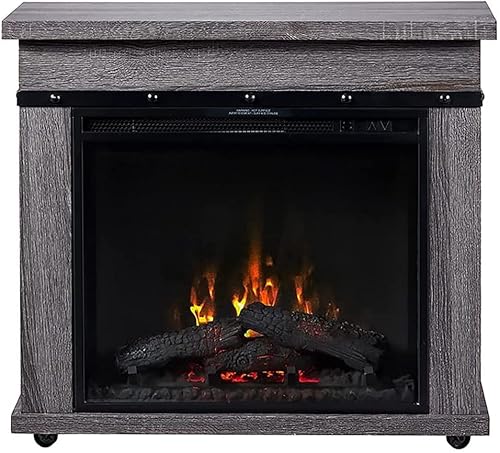
- BWP Score9.0
BWP Score is a ranking system developed by Bestwinterproducts.com. BWP score has no relationship or impact from any manufacturers or sales agent websites. Learn more
- BrandDIMPLEX
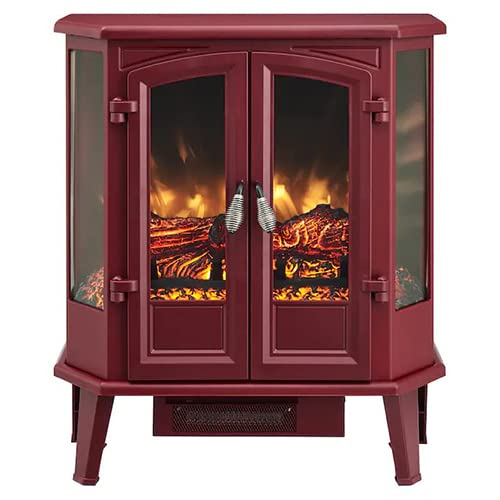
- BWP Score8.4
BWP Score is a ranking system developed by Bestwinterproducts.com. BWP score has no relationship or impact from any manufacturers or sales agent websites. Learn more
- BrandHEARTHPRO
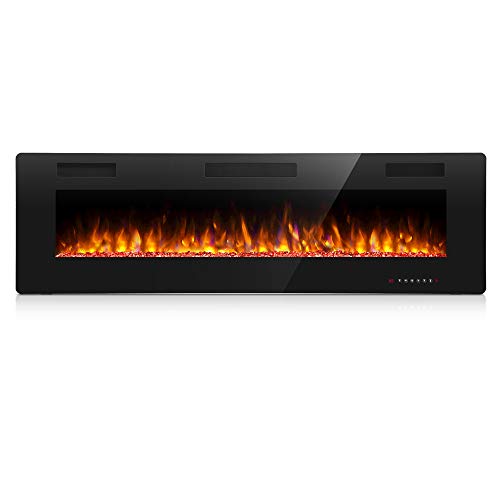
- BWP Score9.0
BWP Score is a ranking system developed by Bestwinterproducts.com. BWP score has no relationship or impact from any manufacturers or sales agent websites. Learn more
- BrandAntarctic Star
Last update on 2023-05-05 / Affiliate links / Images, Product Titles, and Product Highlights from Amazon Product Advertising API
Best Electric Fireplace For Screened Porch
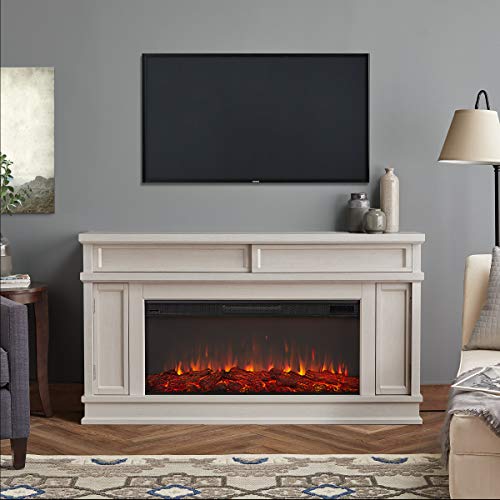
Cold air sneaks into screened porches faster than most people expect, especially once the sun drops and the floor starts holding that damp evening chill. Cozy seating helps for a while, sure, but eventually the whole space feels unfinished without a reliable heat source nearby. That’s where the Real Flame Torrey Electric Fireplace starts making a lot more sense for a porch setup that needs warmth without smoke, soot, or constant cleanup. The cabinet-style design also changes the mood of the room instead of looking like a bulky heater shoved into a corner.
Torrey Electric Fireplace
Real Flame Torrey Electric Fireplace, Bone leans more toward furniture than appliance, and honestly, that changes how people use a screened porch. The bone-colored mantel softens spaces that already have wicker, natural wood, or lighter patio fabrics. Some electric fireplaces look stiff and overly modern, but this one feels calmer and easier to blend into a relaxed porch setup.
Heat coverage reaches up to 1,000 square feet according to the listed specs, though screened porches naturally lose warmth quicker than enclosed rooms. Real-world performance depends heavily on wind flow, ceiling height, and how exposed the porch feels during colder evenings. A fully covered porch with outdoor curtains tends to hold heat noticeably better than wide-open screened spaces.
The 5,000 BTU heater handles chilly nights reasonably well without turning the space stuffy. Some compact electric fireplaces barely take the edge off cool air, but this unit pushes enough warmth to make sitting outside longer feel realistic. The adjustable temperature settings also help because porch temperatures swing around fast after sunset.
The remote control deserves more credit than people usually give these things. Nobody wants to get up repeatedly while wrapped in a blanket or halfway through dinner outside. Small convenience details matter more on porches because movement tends to interrupt the whole relaxed atmosphere.
Storage Space Feels Surprisingly Useful
Hidden side storage changes the functionality of this fireplace in a subtle but smart way. Outdoor spaces always collect random clutter like citronella candles, throw blankets, bug spray, card games, and rechargeable lanterns. Leaving those things exposed makes a porch feel messy fast, especially during humid weather.
The adjustable shelving gives flexibility without making the cabinet feel oversized. Taller decorative pieces fit on one side while smaller accessories tuck neatly into the center storage compartment. That hidden storage divider also prevents the interior from turning into one giant junk pile after a few weeks.
Porch furniture often struggles with balancing comfort and storage, so having both in one piece helps tighter layouts tremendously. Smaller screened porches benefit the most because floor space disappears quickly once seating and planters move in. The Torrey setup avoids that crowded feeling better than separate fireplace stands and storage cabinets.
From a practical angle, seasonal gear storage becomes less annoying too. Lightweight throws, battery packs, and outdoor table accessories stay nearby instead of getting hauled in and out of the house every evening. Little things like that quietly improve how often a porch actually gets used.
Daily Use Feels More Relaxed Than Expected
The flame effect works year-round even without activating the heater, which matters more than it sounds. Summer storms, rainy mornings, and humid evenings still benefit from softer lighting without adding heat. That flexibility helps the fireplace avoid becoming a seasonal object that sits ignored half the year.
The lay-flat plug also deserves a quick nod because screened porch outlets can create awkward furniture placement issues. Thick plugs sometimes force furniture several inches away from walls, which looks sloppy on narrower porches. This flatter design keeps placement cleaner and less frustrating.
The 137-pound build gives the fireplace stability that cheaper lightweight units usually lack. Porch floors vibrate a little more than interior flooring from foot traffic and outdoor movement, so a sturdier cabinet reduces rattling and wobbling. At the same time, moving it later becomes a serious project, especially if stairs are involved.
Assembly takes patience. Two shipping boxes sound manageable until all the pieces spread across the floor during setup. Most people can handle assembly without professional help, though setting aside a quiet afternoon makes the process far less irritating.
Strengths That Stand Out Over Time
The mantel styling avoids looking overly fake or glossy, which happens with a surprising number of electric fireplaces. Porch lighting changes constantly throughout the day, so overly reflective finishes can look cheap under natural sunlight. The softer bone finish handles outdoor brightness better than darker lacquered surfaces.
Heat adjustment options feel genuinely useful instead of gimmicky. Settings ranging from 71 to 99 degrees help adapt to different weather conditions without overheating the area. Mild spring evenings might need only a touch of warmth, while late fall nights need more steady output.
Noise levels stay fairly reasonable during operation. Some electric fireplaces develop an annoying fan hum that dominates quiet outdoor evenings, especially during conversations or late-night reading sessions. This model still makes noise, obviously, but it doesn’t constantly pull attention away from the space itself.
One example worth noting is how well the fireplace supports layered porch lighting. String lights, floor lanterns, and the flame visuals work together naturally instead of competing for attention. That softer atmosphere matters more than raw heating power for many porch setups.
Drawbacks Worth Knowing Early
The depth measures 13 inches, which sounds compact until it’s sitting on a narrow screened porch walkway. Tight layouts may feel more crowded than expected after installation. Measuring walking clearance beforehand saves a lot of regret later.
The fireplace top supports up to 100 pounds, but placing a television on it isn’t recommended. That limitation matters because some people naturally assume mantel-style fireplaces double as entertainment stands. Porch TVs already face humidity risks anyway, so separating the two honestly makes more sense.
Open-air heat loss remains unavoidable on heavily exposed porches. Windy winter evenings can overpower nearly any electric fireplace once cold air moves freely through large screened sections. This model helps extend porch season comfortably, though it won’t fully recreate indoor heating performance.
The lighter finish also shows dust and pollen faster than darker cabinets. Screened porches collect outdoor debris constantly, especially during spring and early fall. Regular wipe-downs become part of ownership whether people plan for it or not.
Porch Atmosphere Changes Quickly
Electric fireplaces sometimes feel sterile compared to wood-burning alternatives, but the Torrey setup avoids that problem better than many competitors. The larger mantel design adds visual weight to the room, making the porch feel intentional instead of temporary. That furniture-like appearance helps tie seating areas together naturally.
Rainy evenings become especially enjoyable with this type of setup. Soft flame visuals paired with low heater settings create enough comfort to keep the porch usable during cooler weather swings. Spaces that usually sit empty after October suddenly stay active much longer into the year.
Maintenance stays simple, which matters after the novelty wears off. No ash buckets, chimney concerns, or lingering smoke smell drifting onto cushions. A quick dusting and occasional glass cleaning handle most of the upkeep.
In real-world usage, a nearby reference like best snow blower under 400 highlights how seasonal equipment choices often revolve around reducing outdoor frustration instead of adding complexity. The same idea applies here. A screened porch should feel easier to enjoy, not harder to manage.
Best Electric Fireplace For Screened Porch
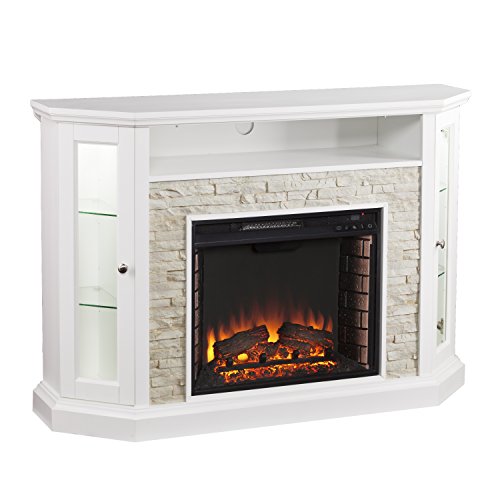
Cool air has a sneaky way of ruining a perfectly good evening on a screened porch. One minute the coffee tastes great, the string lights glow softly, and then bam, damp air settles into the furniture cushions and suddenly everyone heads inside. That awkward middle ground between indoor comfort and outdoor exposure is exactly why the Gallatin Faux Stone Electric Fireplace w/ Bookcases catches attention for porch setups that need warmth without smoke, propane tanks, or hauling wood around.
Gallatin Faux Stone Fireplace
The rustic faux stone finish gives this fireplace a heavier visual presence than many slim electric units floating around online. Some electric fireplaces look too polished or modern for screened porches filled with woven chairs, reclaimed wood tables, or weathered planters. This one leans into a lodge-style appearance instead, and honestly, that works surprisingly well in semi-outdoor spaces.
The built-in bookcases change the whole personality of the unit. Porches usually end up collecting random clutter like lanterns, citronella candles, folded throws, seed catalogs, or half-read paperbacks. Having side shelving keeps those things organized while making the fireplace feel more like permanent furniture rather than a seasonal heater dragged outside.
The flame presentation holds up nicely during evening use. Lifelike flames with ember effects create a softer atmosphere than standard space heaters ever could. Rain tapping on screens while the ember glow flickers nearby feels cozy without trying too hard, which is honestly the sweet spot for porch décor.
LED flame technology also helps reduce maintenance headaches. Traditional outdoor fire features often mean soot buildup, smoky smells trapped in cushions, or messy cleanup after windy nights. Electric flames skip all that drama while still adding enough ambiance to make a porch feel intentional instead of unfinished.
Heat Output Fits Smaller Porch Spaces Better
The 400 square foot heating range tells an important story right away. This fireplace isn’t pretending to heat a giant open-air patio during freezing weather, and frankly, that honesty makes the setup more practical. Screened porches naturally leak warmth through screens and flooring gaps, so realistic heating expectations matter.
Supplemental heat works best in moderately enclosed porches with decent overhead coverage. Smaller screened areas or porches with outdoor curtains tend to trap warmth noticeably better. Wide-open porches exposed to constant wind may still feel chilly once temperatures really dip.
The steady warmth feels more comfortable than blast-style heaters that cycle aggressively on and off. Some electric units create dry, uneven heat that leaves one side of the room warm while the rest still feels damp. This setup leans toward softer background warmth instead of overpowering output.
Placement flexibility matters too because the overall footprint stretches nearly 72 inches wide. That longer profile works beautifully against larger porch walls, especially beneath mounted lanterns or beside sectional seating. Tight apartment balconies or narrow walkways, though, may feel cramped once this fireplace settles in.
Storage And Styling Blend Together Naturally
The side bookcases quietly become one of the most useful parts of the design after a few weeks of ownership. Decorative baskets, folded blankets, small potted plants, and outdoor board games all end up finding a home there. Porch furniture rarely offers enough practical storage, so integrated shelving earns its keep quickly.
The rustic detailing softens the bulk of the unit better than flat cabinet-style fireplaces. Faux stone textures break up the surface visually, helping the fireplace feel warmer and less boxy. On screened porches filled with natural textures like jute rugs or wicker seating, that earthy appearance fits in naturally.
The low-profile height also works well beneath windows or screened wall sections. Taller entertainment-center fireplaces sometimes block outdoor sightlines, making porches feel closed off. This setup keeps the room grounded without overwhelming the entire wall visually.
Interestingly enough, porch lighting changes how this fireplace looks throughout the day. Morning sunlight pulls out the lighter stone textures, while nighttime lighting gives the flames and shelving a much cozier feel. That shift keeps the piece from feeling static or overly decorative.
Daily Use Feels More Relaxed Than Complicated
Electric fireplaces sometimes get criticized for lacking personality compared to wood-burning alternatives, but screened porches tell a different story. Smoke drifting through screens can become irritating fast, especially around outdoor dining spaces or fabric cushions. This fireplace avoids that issue while still creating a visual centerpiece people naturally gather around.
The anti-tip hardware requirement deserves serious attention, especially on porches where uneven flooring or seasonal shifting can happen. Securing the unit properly matters for stability, particularly in homes with pets or active kids running around. Some buyers overlook this step completely, which honestly feels risky with a furniture-sized fireplace.
The broader cabinet structure also creates a quieter visual balance than small freestanding heaters. Tiny portable heaters tend to look temporary and disconnected from the room. This design blends into the porch layout more naturally, almost like built-in furniture instead of a seasonal add-on.
Noise levels stay fairly manageable during operation. Porch environments already carry ambient outdoor sounds like insects, distant traffic, or rain, so overly loud heater fans become distracting quickly. The Gallatin setup doesn’t disappear acoustically, but it avoids becoming the loudest thing in the space.
Tradeoffs Show Up In Real Porch Conditions
The large width creates styling opportunities, but it also limits placement options. Narrow screened porches or layouts with multiple doors may struggle to fit this fireplace comfortably. Measuring carefully beforehand matters because oversized furniture can make outdoor spaces feel boxed in surprisingly fast.
Faux stone surfaces look appealing from normal viewing distance, though close inspection still reminds you this isn’t actual masonry. That’s fairly standard in this category, but expectations should stay realistic. The overall atmosphere matters more here than hyper-detailed texture realism.
Humidity exposure remains another consideration for screened porch use. Covered porches handle furniture-style electric fireplaces much better than exposed outdoor areas. Moisture buildup from rain and seasonal humidity can shorten the lifespan of electronics if the porch lacks proper protection.
The heating range may leave colder-climate buyers wanting more during deep winter evenings. This fireplace performs best as a comfort extender rather than a full cold-weather solution. Layered blankets, outdoor curtains, and enclosed porch designs help maximize what the heater can realistically do.
Atmosphere Matters More Than Raw Heat
The Gallatin fireplace shines brightest during relaxed evenings where ambiance matters just as much as temperature. Soft flames reflecting off porch windows, warm lighting across shelving, and the subtle heat output create a calmer environment than harsh standalone heaters. That mood shift changes how often a porch actually gets used after sunset.
The furniture-style construction helps anchor outdoor seating arrangements visually. Porch layouts sometimes feel scattered with separate storage cabinets, portable heaters, and accent shelving fighting for space. This combined setup simplifies the room without stripping away personality.
Year-round flame use also adds flexibility. Summer storms, cool rainy mornings, and crisp fall afternoons still benefit from flame visuals even without activating heat. That feature keeps the fireplace relevant outside traditional cold-weather months.
In some situations, a related reference appears in best electric fireplace heater, especially for people balancing supplemental warmth with furniture-focused design choices in semi-outdoor spaces.
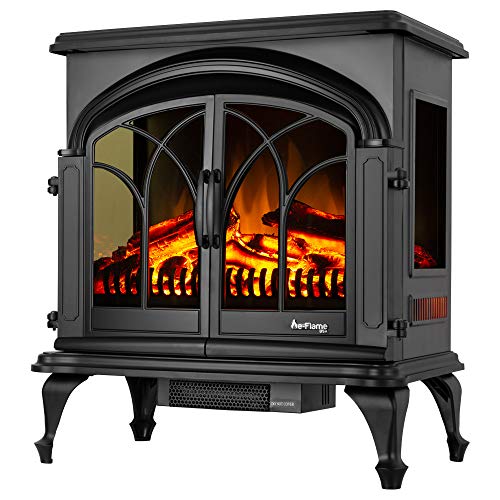
e-Flame USA XL Denali Electric Fireplace Stove
A screened porch can feel almost perfect until the temperature drops and that little breeze starts cutting through the screens. Chairs still look inviting, plants still look happy, but the space suddenly needs steady supplemental heat without smoke, fuel storage, or a bulky cabinet taking over the floor. The e-Flame USA 28" XL Denali Portable Freestanding Electric Fireplace Stove fits the best electric fireplace for screened porch conversation because it brings a classic stove look, portable sizing, and practical heat control into a semi-outdoor living area that needs comfort without fuss.
e-Flame USA XL Denali Stove
The Denali’s classic stove design gives it a different personality from wide mantel fireplaces. Instead of trying to act like built-in furniture, it leans into that old hearth feeling with a realistic wood-burning effect and dancing flames. On a screened porch with rocking chairs, woven rugs, or clay planters, that smaller stove profile can feel more relaxed and less formal. It doesn’t demand a whole wall, which helps in porches where every inch already has a job.
The 28.3-inch height makes the unit noticeable without turning it into the boss of the room. Its listed dimensions of 28.3" x 25.8" x 15.6" keep it manageable for corners, beside seating groups, or near a covered wall outlet. That matters because screened porches often have doors, steps, plant stands, and narrow walking paths fighting for space. A giant fireplace can look fancy online, then feel like a traffic cone once it lands on the porch.
The black finish also plays nicely with practical porch life. Dust, pollen, and outdoor grime still show up, sure, but darker stove styling usually hides everyday mess better than pale glossy cabinets. The double glass doors add a charming touch, especially at night when the flame effect becomes part of the porch lighting. It’s a small detail, but small details carry the whole mood outside.
Portability is one of the biggest reasons this model makes sense for flexible spaces. The product description highlights that it’s lightweight and easy to transport from room to room. That means it can shift from porch to guest room, basement, garage, apartment, office, or even motorhome and RV use without feeling locked into one spot forever. For homes where seasonal routines change, that kind of movement is worth more than it first sounds.
Heat Performance For Porch Comfort
The 1500-watt heater provides supplemental heat for up to 400 square feet, according to the supplied details. On an enclosed room, that coverage can feel straightforward. On a screened porch, though, airflow changes the whole picture because screens don’t trap warmth the way drywall and windows do. So, the Denali works best as a comfort booster rather than a full cold-weather heating system.
The 5115 BTU output gives the stove enough muscle for cool mornings, damp evenings, and shoulder-season porch sitting. A screened porch with overhead coverage and less wind exposure will feel the benefit faster. A wide-open porch on a blustery night may still need blankets, outdoor curtains, or closer seating around the heater. That’s not a flaw so much as physics doing what physics does.
The quiet fan-forced heater helps distribute warmth more evenly than flame-only decorative units. Fan heat matters in porch settings because air tends to drift and mix constantly. A gentle fan can reduce that chilly pocket around ankles and chair legs, which is usually where porch comfort falls apart first. Nobody wants warm hands and frozen feet.
Two heat setting options keep operation simple. Some electric fireplaces pile on complicated menus that nobody wants to mess with after dinner. This one feels more old-school and straightforward: adjust the heat, enjoy the glow, and let the space settle down. That simplicity suits a porch, where relaxation usually beats gadget fiddling.
Flame Effect And Everyday Atmosphere
The 3-D log and fire effect is a big part of the Denali’s appeal. Heat matters, obviously, but screened porches are emotional spaces too. They’re for slow coffee, rainy afternoons, late chats, seed trays, and watching the yard wake up or wind down. A plain heater can warm the room, but a flame effect changes how the room feels.
No-heat flame mode makes the unit useful outside cold weather. That’s a sneaky good feature because screened porches aren’t only used in winter. A summer thunderstorm, a damp spring morning, or a breezy fall lunch can all benefit from a little visual warmth without actual heat. The fireplace stays relevant instead of becoming seasonal clutter.
Replaceable 40-watt bulbs are also listed in the specs, which gives the flame system a practical maintenance angle. Built-in effects are nice until replacement parts become a headache. Knowing the bulb detail upfront helps set expectations for long-term ownership. It’s not glamorous, but neither is having a dead flame display during porch season.
Odorless and smokeless operation makes the Denali especially porch-friendly. Wood smoke can cling to cushions, curtains, and throw blankets, and that smell isn’t charming once it mixes with humidity. Gas units bring their own fuel and ventilation concerns. Electric heat keeps things cleaner, which matters when porch fabrics already work hard against pollen, dampness, and outdoor dust.
Safety Details That Matter Outside
Cool-to-the-touch exterior faces make the Denali easier to live with around busy households. The product description notes that the exterior stays cool, and that helps when the fireplace sits near pets, kids, or a narrow porch walkway. Accidental brushes happen. Nobody wants a cozy evening turning into a yelp-and-panic moment.
Automatic shut-off protection adds another layer of practical reassurance. Electric heaters should never be treated casually, but overheating protection helps reduce worry during normal use. Screened porch routines can be distracting with guests, food, plants, and changing weather pulling attention in different directions. Built-in safety features matter most when real life gets messy.
Safe placement on all flooring types is another helpful note from the supplied product details. Porches can have tile, wood-look planks, painted concrete, composite decking, or indoor-outdoor rugs. A freestanding stove that doesn’t demand a special hearth pad keeps setup easier. Still, common sense matters: stable flooring, dry placement, and proper clearance should stay non-negotiable.
The 6-foot cord plugs into a standard household outlet, which keeps installation simple but also limits placement. Screened porches don’t always have outlets exactly where furniture wants them. Extension cords can create tripping problems and weather concerns, so the best layout will keep the unit close to a protected outlet. Not glamorous advice, but it saves headaches.
Decoration And Porch Styling
The opening double glass doors give the Denali more character than basic cube-style heaters. They make the unit feel like a small stove instead of a black appliance box. On a porch, that little bit of charm helps it blend with baskets, planters, lanterns, and seasonal décor. It’s practical, but it doesn’t look like it wandered in from a utility closet.
The cool exterior also allows decorative styling around the firebox area, based on the supplied description. Seasonal accents, small accessories, and porch-friendly décor can sit nearby without the same stress you’d have with real flame heat. That gives the fireplace more personality throughout the year. Pumpkins in fall, greenery in winter, simple pottery in spring, easy as pie.
The freestanding form gives renters and small-space households more flexibility than built-in mantel designs. No wall mounting. No masonry-style commitment. No rearranging an entire porch just to make one appliance fit. That’s a major plus for apartments, compact homes, and RV-style living where furniture has to earn its space.
The tradeoff is that freestanding units can feel less anchored than a full mantel fireplace. A cabinet-style model may look more permanent, especially on a large screened porch with a broad wall. The Denali feels better suited to cozy corners, movable seating layouts, and spaces where flexibility beats formality. That’s its lane, and it stays in it pretty well.
Energy Use And Practical Limits
The product description says this unit can use over 90% less energy than gas. That claim is useful as a general comparison point, though actual savings depend on local utility rates, room conditions, and how often the heater runs. Electric supplemental heat can help avoid warming the whole house just to enjoy one porch area. Still, long daily sessions will show up on the electric bill.
Zone heating is the real advantage here. Instead of cranking up central heat for a short porch session, the Denali warms the immediate area where people are sitting. That makes sense for reading, morning coffee, light work, or winding down after watering plants. Heat the moment, not the entire house.
The 110/120 VAC and 12.5 amp specs mean the unit uses a standard household setup, but shared circuits can still matter. A porch outlet running lights, chargers, or other appliances may not love extra load. Safe electrical planning isn’t exciting, yet it’s part of owning any heater responsibly. A dedicated, properly rated outlet area is the cleaner approach.
A separate seasonal reference sits naturally beside outdoor comfort planning, and best ski goggles that fit over glasses shows how cold-weather gear choices often come down to comfort, visibility, and small fit details rather than flashy claims.
Where The Denali Makes The Most Sense
Small to medium screened porches suit this stove better than huge open layouts. The 400-square-foot supplemental heat rating gives it enough reach for modest enclosed spaces, but porch wind and screen exposure reduce real-world warmth. Sitting near the unit will feel much better than expecting it to warm every corner evenly. That’s especially true during chilly, damp evenings.
Plant-filled porches may also benefit from the no-smoke, no-odor design. Smoke and soot can make fabrics dirty, and open flames don’t always play nicely around dried leaves, baskets, or lightweight curtains. Electric flame effects keep the mood without adding ash to the weekly cleanup list. As any plant person knows, the porch already creates enough chores on its own.
Households with pets or kids will appreciate the cool-touch exterior and automatic shut-off protection. Those features don’t replace supervision, of course, but they make the stove feel less stressful in a lived-in space. A porch should be casual. It shouldn’t feel like guarding a campfire every five minutes.
The main weakness is exposure sensitivity. This is still an electric appliance, not a rugged outdoor fire pit. A screened porch with strong roof coverage, dry flooring, and protected outlet access is the sensible environment. Heavy moisture, wind-driven rain, or poor storage habits could make ownership frustrating fast.
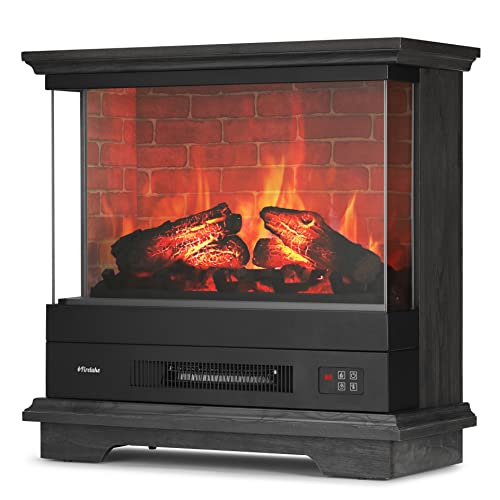
PuraFlame Western Fireplace Insert
Drafty porch evenings can make a nice sitting area feel half-finished, especially when the air cools down faster than the cushions can hold warmth. A screened porch needs supplemental heat, a clean flame look, and easy controls without dragging in smoke, ash, or a pile of firewood. The PuraFlame Western Electric Fireplace Insert fits the best electric fireplace for screened porch conversation for spaces where a built-in-style firebox makes more sense than a freestanding stove or wide mantel cabinet. It’s not trying to heat the whole house, and that honesty matters.
PuraFlame Western Insert
The PuraFlame Western Insert has a sleeker personality than the rustic furniture-style fireplaces often used on porches. Its clean glass front trim and three-sided interior brick wall give it a more finished fireplace look. That matters if the porch already has a framed opening, a custom surround, or a wall section that feels empty. Instead of looking like a portable heater, it behaves more like a proper hearth piece.
The overall dimensions are listed at roughly 35 inches wide, 27 inches high, and under 9 inches deep. That shallow depth is handy for screened porch layouts where floor space gets tight fast. Chairs, plant stands, side tables, and walking paths already compete for room. A deeper unit can stick out awkwardly, but this insert keeps a flatter profile.
The black finish feels straightforward and easy to place. It won’t fight with stone, brick, painted wood, or darker porch furniture. On a plant-filled screened porch, black trim can also frame the flame effect nicely without demanding attention all day long. At night, though, the firebox becomes the focal point.
The flat-bottom design adds useful flexibility because the unit can sit directly on the floor. That’s a relief for porch projects where permanent remodeling isn’t the plan. Plug-in operation under 120 volts also keeps setup simpler than hardwired inserts. Still, protected outlet placement needs real thought since screened porches deal with moisture, humidity, and shifting weather.
Flame Effects Feel More Like A Real Hearth
The life-like resin log is one of the stronger visual details in this insert. At over 11 inches high, it sits on the grate above the ember bed in a way that mimics a traditional wood-burning fireplace. That layered look helps the flame area feel less flat. Cheap inserts can look like a glowing poster, and this one avoids that impression better than many basic units.
Three flame settings give the porch more personality across different times of day. Brighter flames may suit evening gatherings, while a softer glow feels better during quiet mornings. Variable intensity and brightness also help when porch lighting changes from daylight to dusk. That flexibility keeps the fire effect from feeling one-note.
Year-round flame use is a practical benefit, not just a decorative trick. The flames can run with or without heat, so the insert still earns its place during warm months. Rainy summer nights, early fall breakfasts, and spring planting breaks all benefit from visual warmth without turning the porch stuffy. That’s especially nice near houseplants that don’t love unnecessary heat blasts.
The three-sided brick interior gives the firebox a more grounded look. It adds depth behind the logs and softens the modern glass trim. A screened porch can easily feel like a collection of mismatched outdoor pieces, so a fireplace insert with a defined interior helps pull the space together. Small detail, big mood shift.
Heating Power Has Sensible Limits
The 750/1500W heat settings make this insert more adaptable than a single-output unit. Lower heat can take the edge off a mildly cool porch, while the stronger setting helps during colder evenings. That kind of control matters because screened porches don’t behave like sealed rooms. A light breeze can change the comfort level in minutes.
Supplemental heat for up to 400 square feet is the listed coverage, and the product description clearly says it cannot be used as a main heat source. That’s a helpful reality check. On a screened porch, the actual warmth will depend on roof coverage, wind direction, flooring, and how enclosed the space feels. Expect comfort support, not central heating.
The adjustable thermostat makes daily use easier than constantly flipping heat on and off. Porch temperatures can jump around, especially during shoulder seasons. A thermostat helps smooth out those changes without turning the firebox into another thing to babysit. Simple controls win on real evenings, especially when hands are full with coffee, blankets, or watering cans.
The remote control adds another practical layer. Nobody wants to leave a cozy chair just to tweak flame brightness or heat. Remote operation feels especially useful on a porch where seating may sit several feet from the fireplace opening. It’s a small convenience until the first cold night, then it feels essential.
Pros That Matter In Screened Porch Use
The clean operation is a major advantage over wood-burning setups. No ashes, no soot, no smoky smell clinging to outdoor cushions. Screened porches already deal with pollen, damp air, and plant debris, so skipping fireplace mess feels like a win. Less cleanup means the space stays inviting longer.
The LED technology helps with efficiency and long-term use. The supplied details mention 100% energy saving LED technology for the flame effect, which is useful for people who enjoy the glow without always needing heat. Porch evenings often call for atmosphere more than warmth. Running flame visuals without heat keeps the room feeling cozy without wasting extra output.
The easy install and uninstall design suits seasonal spaces nicely. Some porch setups change with weather, furniture rotation, or storage needs. A removable insert gives more freedom than a fixed installation. That said, the surrounding area still needs to be planned well so the unit looks intentional rather than temporarily parked.
The no-ash design pairs well with gardening-heavy porches too. Potting soil, dried leaves, and watering routines already create enough mess. Adding ash cleanup would be a pain in the neck. This insert keeps the fireplace experience cleaner, which matters in spaces shared by chairs, plants, rugs, and everyday outdoor clutter.
Cons And Realistic Tradeoffs
The main limitation is that this insert is not a primary heater. Cold, windy screened porches will still feel cold if the space leaks air from every direction. Outdoor curtains, rugs, and closer seating can help hold warmth better. Without those layers, the heat may feel pleasant near the unit but weaker across the room.
The insert format also requires more planning than a freestanding stove. It looks best inside a suitable opening, surround, or stable setup. Sitting directly on the floor is possible because of the flat bottom, but the visual result depends heavily on the porch layout. A bare insert in an empty corner may not have the finished look people expect.
The plug-in-only design keeps installation simple, but it also means cord placement matters. The unit cannot be hard wired, based on the supplied description. A visible cord running across porch flooring can look messy and create a trip hazard. A nearby protected outlet makes ownership much smoother.
Weather exposure is still a concern because this is an electric appliance. A screened porch should provide solid roof protection and dry placement. Wind-driven rain, standing moisture, or humid storage conditions can create trouble over time. Common sense placement matters as much as the fireplace specs.
Porch Styling And Everyday Feel
The Western Insert works best for porch designs that lean tidy, built-in, or semi-traditional. It doesn’t have side shelves or a mantel, so it won’t solve storage problems. Instead, it focuses on creating a cleaner firebox look. That narrower purpose can be a strength if the porch already has cabinets, benches, or wall framing.
The crackling sound feature adds a sensory layer that many electric fireplaces skip. Real flames aren’t just visual, after all. A little fire crackle can make a quiet porch feel warmer even before the heater output catches up. Of course, people who prefer total silence may use that feature less often.
The glass front trim gives the unit a polished face without turning it flashy. That works well near neutral cushions, black metal furniture, brick walls, or painted wood surrounds. Porches with lots of rustic texture may need softer décor around it to keep the insert from feeling too sleek. A woven basket or ceramic planter nearby can balance the look nicely.
A related cold-weather comfort reference appears in best ski socks for wide calves, where warmth also depends on fit, pressure points, and realistic comfort rather than bold product claims.
Best Fit And Use Cases
Covered screened porches are the most sensible match for this insert. A protected wall, dry floor, and nearby standard outlet help the fireplace perform without unnecessary risk. Smaller and medium porch spaces will benefit most from the 400-square-foot supplemental heat rating. Large breezy porches may need extra warmth sources during colder months.
Decor-focused porch setups may appreciate this insert more than purely utility-driven spaces. The flame settings, ember bed, brick interior, and resin log all aim to create a believable hearth mood. It’s not just a black box with a fan. It gives the porch a little soul, especially after dark.
Low-maintenance living is another strong point. The insert avoids dust and ash cleanup tied to real fires, and the flame effect can run without heat. For a porch that already needs sweeping, wiping, watering, trimming, and seasonal rearranging, that matters. Nobody needs one more messy chore hanging over a quiet evening.
The biggest difference between this insert and wider fireplace furniture is purpose. This one doesn’t offer shelves, hidden storage, or a mantel surface. Instead, it gives a more traditional built-in fireplace appearance with adjustable heat and remote control. For a porch with an existing design plan, that cleaner approach can feel just right.
Best Electric Fireplace For Screened Porch
A screened porch can look polished during the day and still feel a little unfinished once the evening air starts sliding through the mesh. Built-in seating, potted herbs, and a good outdoor rug help, but steady supplemental warmth is what keeps the space from becoming a look-but-don’t-sit room. The Touchstone Sideline 50 Electric Fireplace brings the best electric fireplace for screened porch idea into a more architectural direction, especially for a porch wall that needs a cleaner, recessed fireplace look instead of a freestanding stove.
Touchstone Sideline 50 Fireplace
The Touchstone Sideline 50 feels more like a planned design feature than a portable heater. Its 50-inch width gives the wall a strong visual anchor, which helps a screened porch feel less like leftover space and more like a real outdoor room. That matters when the porch already has layered seating, hanging plants, and seasonal décor competing for attention. A fireplace this wide doesn’t hide in the corner, and frankly, it shouldn’t.
The recessed in-wall design is the big personality shift here. Instead of sitting on the floor or acting like a cabinet, it tucks into the wall for a sleeker finish. That setup can make a porch feel tidier, especially where floor space is already tight from planters, benches, and side tables. The tradeoff, of course, is that installation takes more planning than plugging in a small stove.
The black frame keeps the look simple and modern without yelling for attention. On a screened porch with darker metal furniture or black window trim, the fireplace can blend in nicely. Around rustic wood or stone, it creates a sharper contrast that feels intentional. That kind of visual discipline helps when outdoor spaces already carry a lot of natural texture.
The included log and crystal options give the Sideline more flexibility than a one-look firebox. Logs lean warmer and more traditional, while crystals feel cleaner and slightly more modern. Mixing both is listed as safe, which opens the door to a more personal flame bed without overcomplicating the setup. Small styling choices can make the porch feel less cookie-cutter.
Flame Settings And Porch Ambiance
The 5 flame settings are where this fireplace starts to separate itself from basic electric heaters. A soft ember glow suits slow mornings, while the stronger blaze setting fits chilly evenings when the porch needs a little drama. Screened porches change mood quickly as daylight fades. Adjustable flames help the fireplace keep pace with that shift.
The realistic flame effect matters because porch lighting can be unforgiving. Cheap flame visuals often look flat in twilight, especially behind large glass panels. The Sideline is described as having a real fire look, and the design supports that illusion with flame color and intensity control. It gives the eye something warm to settle on without bringing in smoke or ash.
No-heat flame operation makes this unit useful beyond cold weather. That’s a practical win for screened porches, where spring rain, summer evenings, and early fall coffee sessions may need atmosphere more than heat. Running flames without warmth keeps the room inviting when the air is already comfortable. Nobody wants to roast the porch just to enjoy the glow.
The remote control adds the kind of convenience that feels small until the first time the weather changes mid-conversation. Flame color, intensity, heater control, and shut-off timer can be adjusted without leaving the chair. That’s especially handy on porches where seating may be spread across a larger wall. Comfort should feel easy, not like managing a control panel.
Heating Performance And Limits
The 1500/750 watt heater gives the Sideline two practical output levels. Lower heat can soften a slightly cool porch, while the higher setting helps take the edge off colder air. The product details are clear that this heater can warm a cool room but won’t replace a primary heat source. That honesty matters for screened porch expectations.
Front-facing heater vents are a smart design choice for recessed installation. Heat needs a clear path into the room, and front ventilation helps avoid trapping warmth inside the wall cavity. It also supports placement below a TV with the recommended spacing. On a porch, that front heat delivery keeps comfort focused where people actually sit.
The max 12-amp draw deserves attention during planning. The unit can be used on a 15-amp circuit, based on the supplied details, though a 20-amp circuit may be necessary if other electronics share the same line. Porch outlets often run lights, fans, chargers, or speakers too. A clean electrical plan prevents nuisance trips and sketchy cord decisions later.
Screened porch heat loss still changes the experience. Screens don’t hold warmth like sealed windows, and a breezy evening can steal heat quickly. The Sideline can improve comfort near the seating zone, but it shouldn’t be expected to heat a wide-open porch like an insulated living room. Blankets, rugs, and wind protection make its warmth feel more effective.
Installation Details Worth Respecting
The recessed setup looks clean, but it asks for more commitment than a freestanding model. Framing, wall depth, outlet placement, and clearances all need careful thought before the first cut. The unit can safely attach to framing studs, according to the supplied description. That helps, but sloppy planning can still make a polished fireplace look awkward.
The cool-to-the-touch sides and back make installation more forgiving than many real-fire alternatives. That feature matters in wall cavities and existing fireplace openings where heat buildup would otherwise be a concern. The Sideline is also ventless, so it avoids chimney work and fuel ventilation issues. Still, screened porch moisture protection should never be treated casually.
The 6-foot power cord offers plug-in convenience for a 110-120V outlet. The fireplace is also hard-wire ready for in-wall installation, which gives more flexibility depending on the porch build. Plug-in use is easier upfront, while hardwiring can look cleaner in a finished wall. Either route should keep the cord or wiring protected and sensible.
The recommended 8 inches of space between the fireplace and a TV, mantel, picture, or ceiling should be taken seriously. Porches often have lower ceilings, decorative ledges, or mounted screens that crowd wall space. That clearance guidance helps prevent heat concerns and visual clutter. A beautiful install still needs breathing room.
Pros For A Screened Porch Setup
The main strength is the Sideline’s ability to make a porch look designed rather than patched together. A recessed fireplace brings order to a wall, especially in spaces that already include plants, outdoor chairs, and layered lighting. It creates a focal point without adding another piece of floor furniture. That’s a big deal on narrower porches.
The flame customization gives the unit real everyday range. Five flame settings, three color flame effects, and log or crystal hearth options allow the mood to shift without moving décor around. Some nights call for a quiet ember glow. Other nights, especially during cool weather, the stronger flame effect feels more satisfying.
The ventless design eliminates the mess that makes wood-burning porch features annoying. No ash bucket. No smoke trapped in cushions. No damp firewood stacked near the door and inviting bugs to the party. For plant-heavy porches, that cleaner operation keeps the space easier to maintain.
The timer and remote features support relaxed use instead of constant fussing. A shut-off timer is especially helpful because porch evenings have a way of stretching longer than planned. The remote keeps small adjustments from breaking the rhythm of reading, chatting, or sipping something warm. Little conveniences add up fast outside.
Cons And Real-World Tradeoffs
The biggest weakness is installation complexity. A recessed fireplace looks refined, but it may require framing work or professional guidance depending on the porch wall. Existing fireplace openings can be used safely, but unused gas lines and vents should be secured properly by a licensed professional. That step is not the place to wing it.
The heater is supplemental, not a replacement for full-room heating. On a chilly screened porch with wind pushing through the screens, the warmth may feel strongest close to the fireplace. Large or very exposed porches may need seating arranged near the heat zone. Expect comfort support, not indoor-level climate control.
The wide 50-inch profile needs the right wall. Small porches may not have enough uninterrupted space, especially with windows, doors, outlets, and plants already in the mix. A fireplace this size can look sleek in the right spot and overwhelming in the wrong one. Measuring twice is not just old-shop wisdom here.
Moisture exposure is another concern for screened porch use. The supplied details describe indoor-style installation and operation, so a protected covered porch is the sensible environment. Wind-driven rain, damp floors, or heavy humidity can complicate any electric appliance. A dry wall location and smart seasonal care matter just as much as flame settings.
Style Fit And Seasonal Use
The Sideline suits modern porch designs better than farmhouse-heavy or cabin-style spaces. Its flat glass face, black frame, and recessed profile feel clean and architectural. A rustic porch can still make it work, but softer accents like baskets, wood side tables, or leafy plants may help balance the sharper look. Without those layers, it can feel a bit too slick.
The flame-only mode becomes especially useful during warmer seasons. A screened porch often gets used for morning coffee, garden planning, rainy afternoons, and late-night conversations. Heat isn’t always needed, but visual warmth still adds comfort. That feature keeps the fireplace from becoming a cold-weather-only wall ornament.
Furniture placement should be planned around sightlines and heat reach. The fireplace works best where chairs naturally face it instead of where it merely fills an empty wall. Front-facing vents help, but warmth still feels better when seating isn’t pushed too far away. A porch layout should serve the room’s habits, not just the wall design.
A practical cold-weather reference can sit alongside seasonal comfort planning, and best womens winter boots for ice reflects the same idea that comfort depends on stable footing, warmth, and realistic conditions rather than flashy claims.
Everyday Ownership Notes
Cleaning stays simple compared with wood fireplaces. The glass front may need occasional wiping, especially on porches where pollen and dust float in freely. Still, that’s easier than ash, soot, and smoke residue. For anyone already sweeping soil from plant pots, less fireplace mess feels like a mercy.
The wall-mounted bracket adds a useful backup option if recessing the unit isn’t the right move. That flexibility helps in spaces where framing work would be too invasive or where the wall structure won’t cooperate. A surface-mounted look won’t feel as seamless, but it can still create a strong focal point. Practicality sometimes wins, and that’s fine.
The TV clearance guidance also matters because many porches double as casual viewing spaces. The product recommends 8 inches of space between the fireplace and TV. That spacing keeps the setup cleaner and helps avoid heat-related concerns. Crowding everything onto one wall may look efficient, but it can make the whole area feel cramped.
The best fit is a covered, dry screened porch with a planned wall opening, reliable electrical access, and seating arranged around the fireplace. The Sideline rewards thoughtful setup more than quick placement. Done casually, it may feel like too much work. Done carefully, it gives the porch a built-in warmth and polish that smaller plug-in heaters rarely provide.

12 Best Corner Electric Fireplace 2026: My Ultimate Guide To Pick One
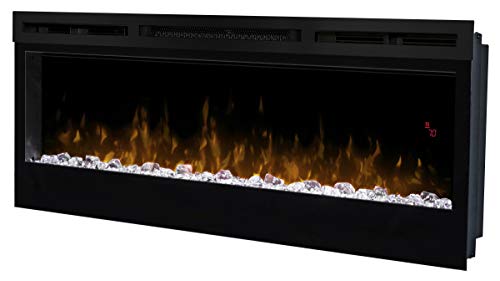
Dimplex Prism Wall Mount Fireplace: Sleek Heat With Modern Flame Style
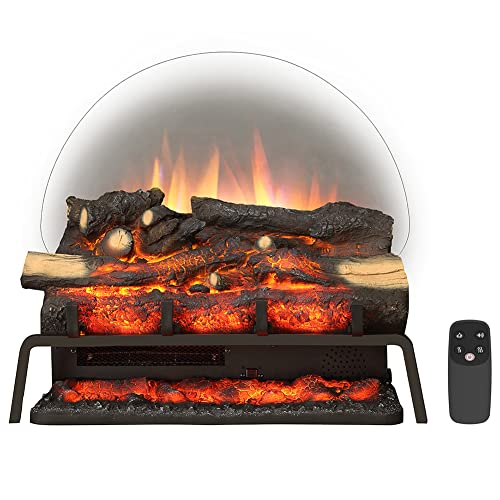
Best Electric Fireplace Insert for Large Room Heating and Style

Best 40 Inch Electric Fireplace Insert 2026 - Cozy Ambiance with Modern Power
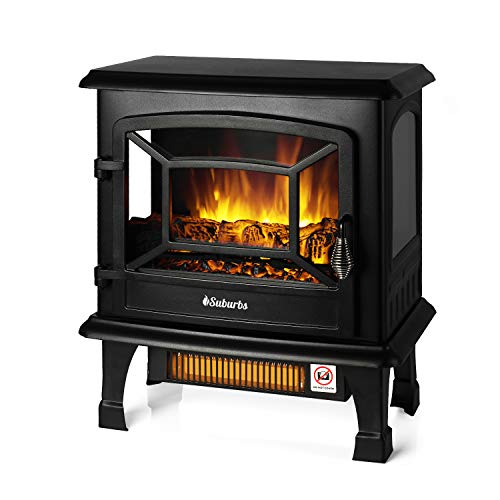
Top 12 Best Quality Electric Fireplace 2026 - Buying Guides

Best Wall Mount Electric Fireplace 2026 for Ultimate Comfort and Style

How to Start Monessen Fireplace: A Step-by-Step Guide

How to Whitewash Rock Fireplace: Simple Steps to Refresh Your Space