Best Fireplace For Asthma 2026 Clean Heat Picks

Best fireplace for asthma choices usually start with one blunt truth: Real flames can feel cozy, but smoke, soot, scent, ash, and combustion gases don’t play nice with sensitive breathing. A traditional wood fireplace may look charming, yet the fine particles can linger in rooms long after the fire dies down. That’s why an electric fireplace often makes the most practical sense for cleaner warmth without burning logs, pellets, or gas indoors.
Electric fireplaces create heat through coils or infrared elements, then use a fan to move warmth into the room. No chimney draft. No ash bucket. No smoky smell hiding in curtains. Still, not every model deserves a spot in a breathing-conscious home, because noisy fans, dust buildup, cheap plastic odors, and hard-to-clean vents can turn a simple heater into a daily annoyance.
A better pick keeps things boring in the right way. Look for adjustable heat settings, a flame-only mode, overheat protection, and a smooth exterior that wipes clean without trapping dust in decorative grooves. Infrared units can feel gentler in small rooms because they warm objects and people instead of blasting hot air like a mini wind tunnel. But, fair warning, larger open spaces may still need steady airflow to feel evenly warm.
Ventless gas fireplaces deserve extra caution. They may skip the chimney, but combustion still happens inside the home, which can add moisture and irritating gases to indoor air. A sealed direct-vent gas fireplace is usually a safer combustion-based route because it draws air from outside and sends exhaust outside. Even then, regular maintenance, carbon monoxide alarms, and careful ventilation aren’t optional details tucked in the fine print.
The quiet winner for many homes is a flameless electric fireplace insert or wall-mounted electric unit with simple controls and no fragrance features. It scratches the cozy itch without turning the living room into a smoke box. Sure, it won’t give that crackling wood-fire ritual, and some flame effects look more movie-set than mountain lodge. Still, cleaner heat beats romantic smoke every time breathing comfort is on the line.

- BWP Score9.4
BWP Score is a ranking system developed by Bestwinterproducts.com. BWP score has no relationship or impact from any manufacturers or sales agent websites. Learn more
- BrandReal Flame
- BWP Score9.2
BWP Score is a ranking system developed by Bestwinterproducts.com. BWP score has no relationship or impact from any manufacturers or sales agent websites. Learn more
- BrandHome4me
- BWP Score9.2
BWP Score is a ranking system developed by Bestwinterproducts.com. BWP score has no relationship or impact from any manufacturers or sales agent websites. Learn more
- BrandTouchstone

- BWP Score9.2
BWP Score is a ranking system developed by Bestwinterproducts.com. BWP score has no relationship or impact from any manufacturers or sales agent websites. Learn more
- BrandTURBRO

- BWP Score8.8
BWP Score is a ranking system developed by Bestwinterproducts.com. BWP score has no relationship or impact from any manufacturers or sales agent websites. Learn more
- BrandBELLEZE

- BWP Score8.8
BWP Score is a ranking system developed by Bestwinterproducts.com. BWP score has no relationship or impact from any manufacturers or sales agent websites. Learn more
- Brandoneinmil

- BWP Score8.6
BWP Score is a ranking system developed by Bestwinterproducts.com. BWP score has no relationship or impact from any manufacturers or sales agent websites. Learn more
- BrandZAFRO

- BWP Score8.0
BWP Score is a ranking system developed by Bestwinterproducts.com. BWP score has no relationship or impact from any manufacturers or sales agent websites. Learn more
- BrandTURBRO
Last update on 2023-05-05 / Affiliate links / Images, Product Titles, and Product Highlights from Amazon Product Advertising API
Best Fireplace For Asthma
Cold evenings can turn frustrating fast when stale indoor air, dry heat, and smoky smells start hanging around longer than the comfort does. Plenty of fireplaces look cozy in product photos, yet some leave rooms feeling stuffy after an hour or two, especially in smaller spaces with limited airflow. The Real Flame Malie 68" Landscape Electric Fireplace takes a different route by avoiding wood smoke, gas fumes, and floating ash altogether. That alone makes it stand out in the best fireplace for asthma conversation, particularly for homes trying to balance warmth with cleaner indoor air.
Real Flame Malie Fireplace
Electric fireplace setups usually rise to the top for breathing-sensitive homes because they skip combustion entirely. No chimney cleaning. No soot collecting around vents. No lingering smoke trapped in curtains after a long evening indoors. The Malie leans heavily into that cleaner approach while still giving off a surprisingly warm visual feel through its realistic flame effects and glowing log display.
Six flame color options may sound gimmicky at first, honestly, but they help soften the artificial look that cheaper electric fireplaces often struggle with. Some electric units look oddly blue or too sharp, almost like a screensaver from 2008. This one lands closer to a mellow ambient glow, especially at medium brightness settings. The adjustable flame intensity also helps reduce eye fatigue in darker bedrooms or home offices.
Supplemental heat up to 1,000 square feet puts this fireplace in a practical middle ground. Smaller apartments may barely need the thermostat turned up, while larger open living rooms could still rely on central heating during colder weeks. That tradeoff feels realistic instead of overpromised, which is refreshing.
The fan noise stays noticeable but not obnoxious. It’s there, sure, especially when the heater first kicks on, though it avoids the harsh rattling sound cheaper inserts sometimes develop after a few months. Better still, the flames can run independently from the heater, so the room still gets the visual warmth without pushing extra dry heat into the air.
What Actually Helps Sensitive Indoor Air
Wood-burning fireplaces carry a nostalgic charm, but nostalgia doesn’t clear particles out of the room. Fine smoke residue can settle into rugs, furniture, and HVAC systems without much effort. Electric fireplaces sidestep that whole mess entirely, and the Malie benefits from not requiring vents, chimneys, or gas hookups.
Dry indoor heat still matters, though. Electric units can lower room humidity over time, especially during winter when indoor air already feels tight and uncomfortable. Pairing this fireplace with a humidifier often creates a much better balance, particularly overnight in bedrooms where heated air tends to linger. That small adjustment changes the experience more than most people expect.
The adjustable thermostat also prevents the constant overheating cycle that turns some rooms into saunas. Instead of blasting nonstop heat, the fireplace maintains a steadier temperature once dialed in properly. That consistency matters because temperature swings can make indoor air feel harsher than it actually is.
Dust control plays a surprisingly big role too. Traditional mantels with carved grooves and deep trim collect debris like magnets. The Malie keeps a cleaner, flatter profile overall, making weekly wipe-downs less annoying. Less dust buildup around the unit means fewer airborne irritants floating around every time the heater fan activates.
Living Room Placement And Daily Use
The 68-inch mantel design immediately becomes the focal point of a room, so placement matters more than people think. Pushing it into a cramped corner makes the fireplace feel oversized and awkward. Giving it breathing room along a main wall creates a calmer, cleaner layout that matches the wide landscape flame presentation.
The lay-flat power plug helps more than expected. Sounds minor, right? Still, bulky fireplace plugs can force furniture several inches away from the wall, creating an annoying gap that collects cords and dust. This flatter setup keeps the installation looking more intentional.
Remote control access becomes one of those features people stop noticing until they use a fireplace without it. Adjusting flame brightness or timers from the couch makes the whole setup feel smoother during nightly routines. Nobody wants to crouch beside a heater every evening fiddling with controls like it’s a microwave from the 90s.
Assembly takes some patience, though. The instructions aren’t impossible, but this isn’t a ten-minute snap-together project either. Two people make the process far easier, especially while aligning larger mantel sections. Once built, the anti-topple safety device adds welcome peace of mind in busier households where stability actually matters.
Pros And Cons That Matter In Real Homes
Pros start with cleaner indoor operation. No smoke, ash, embers, or gas fumes means less maintenance and fewer airborne irritants drifting through the room. The flame-only mode also deserves credit because it keeps the cozy atmosphere alive even during warmer months without adding heat.
The wide flame display looks more modern than traditional box-style electric fireplaces. Instead of mimicking an old brick hearth, it leans toward a cleaner contemporary aesthetic that works nicely in bedrooms, offices, or minimalist living rooms. The adjustable flame colors add flexibility without feeling cartoonish.
Safety features remain practical instead of decorative marketing filler. Automatic shut-off protection, anti-topple hardware, and certified electrical standards matter more for long-term peace of mind than flashy terminology. The mantel also supports light decorative items without feeling flimsy or unstable.
Now for the downsides. The heater fan still produces noticeable airflow noise during operation, especially in silent rooms late at night. People expecting total silence may find that mildly irritating after extended use. Also, while the unit heats effectively for supplemental warmth, relying on it as the sole heat source in very cold climates probably won’t cut it.
The mantel top has a 30-pound weight limit, which rules out heavier decor setups some people may expect from a large entertainment-style fireplace. A TV can hang above the unit, but placing one directly on the mantel isn’t recommended. That limitation may affect room layout plans in tighter spaces.
Style Details And Everyday Atmosphere
Landscape fireplaces create a broader visual effect than taller traditional inserts, and that wider flame movement makes rooms feel calmer somehow. The horizontal design naturally stretches the eye across the wall, helping smaller living rooms appear less boxed in.
Color temperature changes throughout the day affect how the flames look too. During bright afternoons, the effect feels subtle and decorative. At night with dim lighting, though, the ember glow and log details become much more convincing. Lower brightness settings usually look the most realistic instead of max intensity.
One example worth noting is how the fireplace handles year-round use. Plenty of electric fireplaces sit unused once temperatures rise because their fake flames feel tied too closely to winter heating. The separate flame mode here makes the ambiance usable even during warmer seasons without turning the room into a sweatbox.
From a practical angle, the fireplace pairs surprisingly well with softer textiles and quieter room layouts. Thick curtains, oversized rugs, and upholstered seating help absorb the minor fan noise while reinforcing the cozy visual effect. In some cases, a softer accessory setup like infinity scarf styles follows the same comfort-first idea indoors during colder months, focusing more on warmth without bulky layers or heavy materials.
Best Fireplace For Asthma
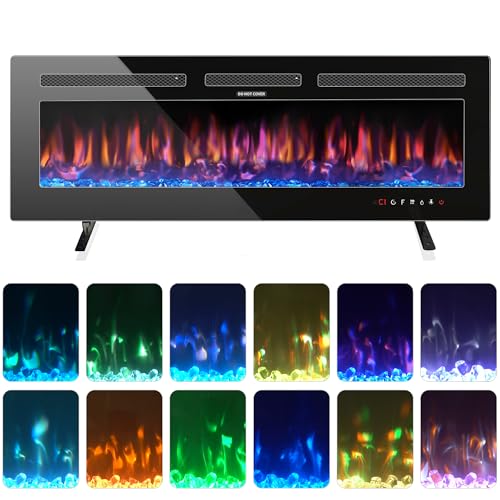
Dry indoor air, stale heat, and dusty corners can turn a relaxing evening into an annoying cycle of coughing, throat clearing, and cracked-skin discomfort. Plenty of traditional fireplaces look charming for about twenty minutes, then the smoke smell creeps into blankets and curtains like it pays rent there. The Home4me 36" Electric Fireplace takes a cleaner route by skipping wood, gas, and combustion altogether, which instantly makes it more practical in the best fireplace for asthma category. That cleaner operation changes the whole vibe of a room, especially during colder months when windows stay shut for days.
Home4me Electric Fireplace
Electric fireplaces already carry an advantage for breathing-sensitive spaces because they avoid soot, ash, and smoke particles. The Home4me model leans further into that cleaner setup with a slim wall-mounted profile and low-noise heating system that feels less intrusive than bulky portable heaters. Instead of creating harsh dry blasts of heat, it spreads warmth more steadily across smaller living spaces. That softer approach feels easier to tolerate during long evenings indoors.
The first thing that stands out visually is the 12-color LED flame system. Honestly, some electric fireplaces overdo flame colors until the whole thing looks like an arcade machine. This one lands somewhere more balanced. The flame brightness settings let the fireplace shift from subtle amber warmth to stronger blue or mixed-color effects depending on the mood of the room.
Its compact dimensions also help in apartments or tighter rooms where oversized mantels would dominate the entire wall. At just over four inches deep, the fireplace sits flatter against the wall than many older electric inserts. That slimmer design makes the room feel less crowded, particularly in bedrooms or smaller offices where floor space disappears quickly.
The touchscreen controls respond surprisingly well too. Some budget electric fireplaces force you to jab the panel repeatedly like a stubborn vending machine. Here, the controls feel more responsive and easier to navigate during daily use, especially late at night when fumbling through menus becomes irritating fast.
Cleaner Heat Without Smoke Problems
Wood-burning fireplaces create warmth with visible charm, sure, but they also release fine particles that linger in indoor air long after the flames disappear. Gas fireplaces reduce some mess yet still involve combustion and airflow concerns. Electric fireplaces avoid those problems entirely because no fuel burns inside the room. That difference matters more than decorative aesthetics once indoor comfort becomes the priority.
The Home4me unit uses 750W and 1500W heat settings, which gives better flexibility for smaller areas. Running full power nonstop in a compact bedroom can make the air feel stuffy after a while, so the lower setting ends up more useful than people expect. The adjustable thermostat between 62℉ and 82℉ also prevents the room from swinging wildly between chilly and overheated.
Humidity retention deserves attention too. Traditional forced-air heaters often leave rooms feeling bone dry overnight, especially during winter. This fireplace still warms the air, obviously, but the heating style feels less aggressive than many portable ceramic heaters that constantly blast hot air directly into the room.
The low-noise operation genuinely helps during sleep or quiet evenings. The fan isn’t silent, because no electric heater truly is, but it avoids the buzzing mechanical whine some cheaper fireplaces develop after regular use. That softer sound profile makes the ambiance feel calmer instead of distracting.
Installation Flexibility And Room Placement
Three installation modes give this fireplace more flexibility than a lot of similarly priced units. Wall mounting creates the cleanest modern look, while the recessed option blends more naturally into remodeled spaces. The freestanding legs work surprisingly well too for renters or anyone avoiding permanent wall changes.
Wall-mounted fireplaces can sometimes feel cold or overly modern, almost like office décor pretending to be cozy. The crystal ember bed and included log set soften that issue here. Mixing both decorative styles helps the fireplace avoid looking too sterile, especially once the flames reflect against darker walls during nighttime use.
Assembly stays fairly manageable. The included hardware covers most setups without forcing a separate trip to the hardware store halfway through installation. Still, recessed mounting requires careful measurements because the fireplace depth leaves little room for sloppy wall prep.
Remote control access becomes more valuable after a few days of ownership. Adjusting brightness, heat, or timers from bed or the couch feels small at first, then oddly essential later on. Nobody enjoys getting comfortable under a blanket only to stand back up thirty seconds later because the flame brightness feels too intense.
Pros That Improve Everyday Comfort
Pros start with the obvious benefit: no smoke, ash, or combustion fumes entering the room. That cleaner heating style helps reduce the stale smell traditional fireplaces often leave behind after extended use. Curtains, rugs, and upholstery stay fresher longer without absorbing smoke residue.
The flame customization adds more personality than expected. Some evenings call for soft orange ember tones, while colder rainy nights somehow feel better with deeper blue flames and higher brightness. That flexibility keeps the fireplace from feeling visually repetitive after a few weeks.
The slim design works especially well in condos, apartments, and bedrooms where bulky furniture already competes for space. Traditional mantels can overwhelm smaller layouts, but this fireplace blends more naturally into tighter walls without eating up valuable walking room.
Energy use feels more practical too. Running the lower heat setting during mild evenings avoids overheating the entire room while still creating warmth nearby. That smaller heating footprint makes more sense than cranking central heating for one occupied room.
Safety features deserve credit as well. The overheat shut-off protection provides peace of mind during longer operation, particularly overnight or while multitasking around the house. Electric fireplaces still require common sense, of course, though the added protection layers help reduce everyday stress.
Tradeoffs Worth Knowing Before Buying
Cons start with heating range expectations. The fireplace handles rooms up to 400 square feet reasonably well, but larger open-concept spaces may feel underheated once temperatures really drop. Supplemental heat means supplemental heat, not whole-home furnace replacement.
The crystal ember bed looks attractive under dim lighting, though brighter daytime conditions expose the artificial effect more clearly. Real wood fireplaces create natural movement and texture that electric flames still struggle to fully replicate. Some people won’t care. Others definitely will.
Touchscreen surfaces also collect fingerprints quickly, especially in homes with frequent daily adjustments. A quick wipe fixes it, but glossy black panels tend to show smudges faster than matte finishes. That tiny maintenance annoyance pops up more often than expected.
The remote control battery not being included feels oddly cheap considering everything else arrives ready for installation. Not a huge problem, obviously, yet still mildly irritating during setup. Small oversights like that tend to stand out more during first impressions.
From a practical angle, decorative styling around the fireplace changes the atmosphere dramatically. Minimal wall décor can leave the unit feeling slightly floating or unfinished in larger rooms. In real-world usage, softer accents like fake snow for mantle décor sometimes help balance the modern frame during winter setups without making the wall feel overcrowded.
Touchstone Sideline 84 Electric Fireplace
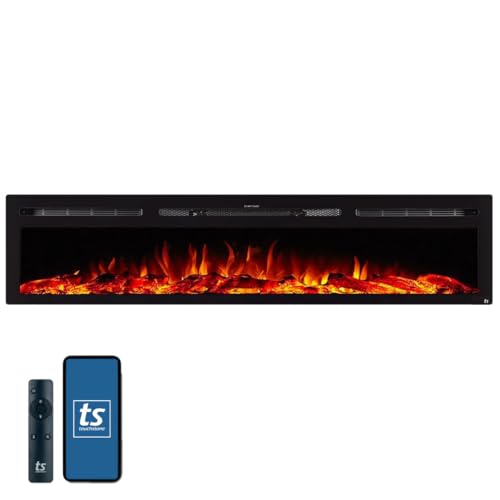
A wide wall fireplace can either make a room feel calm and finished, or it can turn into a fussy installation project that never quite looks right. Big recessed units especially need careful planning because the wall opening, nearby electronics, and circuit load all matter before the first screw goes in. The Touchstone Sideline 84 Electric Fireplace sits in the best fireplace for asthma conversation because it gives the visual comfort of flames without burning wood, gas, or pellets indoors. That cleaner electric setup is the main appeal here, though the size and installation demands deserve a clear-eyed look.
Touchstone Sideline 84
The Sideline 84 is built for people who want a long, built-in fireplace look rather than a small plug-in heater sitting on the floor. Its 84-inch width gives the room a strong architectural anchor, especially under a mounted TV or along a basement feature wall. Because it is designed for recessed in-wall mounting, it feels more permanent than a freestanding electric fireplace. That’s a strength, but also a commitment.
Flame realism is one of the better parts of this model. The five flame settings move from a soft ember glow to a stronger blaze effect, so the room doesn’t have to look the same every night. The included faux logs and crystals also give a choice between a more classic firebox look and a cleaner modern style. Mixing both safely is a nice touch, especially for rooms that need texture without actual smoke.
The fireplace can run with flames only, which matters more than it sounds. Some evenings call for atmosphere, not heat, especially in mild weather or rooms that already run warm from electronics. With the heater off, the unit becomes more of a visual comfort feature instead of another source of dry air. That flexibility helps it feel useful beyond cold snaps.
Heat output is best viewed as supplemental warmth, not a furnace replacement. The provided details clearly say the heater can take the edge off a cool room or basement, but it won’t replace a primary heat source. That honest limitation actually makes the fireplace easier to judge. It belongs in spaces where comfort needs a boost, not where full-room winter heating carries the whole load.
Cleaner Operation For Sensitive Rooms
Electric heating gives this fireplace its biggest breathing-friendly advantage. No combustion means no wood smoke, no ash cleanup, no gas flame residue, and no chimney draft pulling unpredictable air through the room. For anyone tired of that stale fireplace smell clinging to rugs and upholstery, this difference is huge. The room gets the look of a fire without the usual mess that follows a real burn.
The ventless design also simplifies placement because it doesn’t require a chimney or exterior venting. Still, ventless electric is very different from ventless gas. Electric heat does not burn fuel inside the room, while gas units still involve combustion. That distinction matters in a home where indoor air comfort is already a daily concern.
Front-facing heater vents help the Sideline work under a TV setup, as long as the recommended 8 inches of space is respected. That spacing is not just a tiny footnote. Heat needs room to move safely, and electronics don’t enjoy being baked from below. A rushed install can make even a good fireplace feel like a headache.
The sides and back staying cool to the touch during heating is another practical detail. Recessed installs can make people nervous because the appliance sits inside the wall. Cool-side construction helps reduce that concern, though framing, wiring, and clearances still need careful handling. A licensed professional makes sense if an existing gas fireplace opening is involved.
Installation Details That Matter
The Sideline 84 can be attached safely to framing studs, recessed into a wall, placed in an existing fireplace opening, or mounted with the included wall bracket. That flexibility sounds simple on paper, but the 84-inch size means measurements need to be dead-on. A small mistake in height, depth, or stud position can create a crooked-looking install. Measure twice, then measure again after coffee.
The unit includes a 6-foot power cord for a standard 110-120V outlet, and it is also hard-wire ready. That gives homeowners two routes depending on how finished they want the final wall to look. Plug-in use is easier for many rooms, while hardwiring creates a cleaner built-in appearance. Either way, electrical planning should happen before the wall is closed up.
The fireplace draws a maximum of 12 amps, so it can run on a 15-amp circuit under the right conditions. The catch is simple: other electronics sharing that same circuit can change the picture quickly. A TV, soundbar, gaming console, lamps, and this fireplace all pulling power from one area may push things too close for comfort. A 20-amp circuit may be necessary depending on the room setup.
Existing fireplace openings need extra caution. The product details mention securing unused gas lines and vents properly, and that is not casual advice. Old fireplace cavities can hide odd gaps, old fittings, or airflow paths that should be handled correctly. Safe installation matters as much as the pretty flame once the unit becomes part of the wall.
Smart Controls And Daily Use
Alexa, Google Home, WiFi, app control, and remote operation give the Sideline a modern control setup without making the fireplace feel overly complicated. Adjusting flame color, intensity, heat, or timer settings from a chair feels natural after a few uses. The included remote handles the basics, while smart home control adds convenience for rooms where the fireplace sits across a large space. AAA batteries are not included for the remote, which is a small but mildly annoying detail.
The smart features help most during routines. A basement movie room, for example, benefits from flame-only mode before people arrive, then light heat once the room starts feeling chilly. A living room with a mounted TV gets the same visual warmth without forcing anyone to walk over and tap controls on the glass. Small convenience, big difference during real use.
The timer function also fits the way people actually use electric fireplaces. Late-night heat feels good until everyone forgets it’s still running. A shut-off timer helps avoid unnecessary operation and keeps the room from getting warmer than intended. That matters for comfort, energy use, and peace of mind.
Flame options give this fireplace more personality than a plain heater. With 30 ember color and flame combinations, the Sideline can shift from understated to dramatic without changing the room décor. Some people will settle on one favorite look and leave it there. Others will tweak it constantly, because honestly, that’s half the fun with a fireplace this wide.
Comfort Strengths And Real Tradeoffs
The biggest strength is the clean fireplace experience. The Sideline creates warmth and atmosphere without smoke, soot, ash, or open flame. That makes it far easier to live with than a traditional fireplace in homes where indoor air quality matters. Less cleanup also means fewer dusty chores around the hearth.
The large format is another clear advantage. An 84-inch fireplace can visually balance wide walls that would swallow a smaller unit. Under a flat screen TV, it creates a polished media-wall effect without needing a bulky mantel. The result feels built-in and intentional, assuming the installation is done carefully.
The main weakness is that the Sideline is not a casual plug-and-play piece for every room. Its size, circuit needs, spacing rules, and recessed mounting options require planning. Renters or anyone avoiding wall work may find the wall bracket useful, but the fireplace still feels best suited to a more permanent setup. A smaller freestanding model would be easier for quick room changes.
Heating limitations also need realistic expectations. The unit can warm a cool room or basement, but it is not meant to replace central heat. In a large, drafty space, it may make the seating area feel better while the far corners remain cool. That is normal for an electric supplemental heater, not a flaw unique to this model.
Style Fit And Small Practical Notes
The Sideline’s appearance leans modern, clean, and wide rather than rustic or traditional. That makes it a strong fit for media walls, renovated basements, open living rooms, and spaces where a big mantel would feel too heavy. The log set softens the look, while the crystals push it toward a sleeker style. Having both options keeps the design from feeling locked into one mood.
The glass-front flame effect creates a polished look, but it also means smudges can show. Fingerprints, dust, and glare may appear more often in bright rooms. A quick wipe keeps it looking sharp, though very sunny spaces may reduce flame visibility during the day. Evening use is where this fireplace will look its best.
TV placement needs careful attention. The recommended 8-inch gap above the fireplace is useful, but room layout and viewing height still matter. Mounting a TV too high can make the wall look dramatic while making necks complain after one movie. Comfort and proportions need to work together here.
In some cases, related dry-air care ideas sit outside fireplace design, and a neutral reference appears in best lip balm for Accutane because heated indoor rooms can make skin and lips feel rougher during colder months. That link is not part of the fireplace system, but it fits the broader winter-comfort picture without pretending the products are connected. The Sideline handles room atmosphere, while personal comfort often needs its own small fixes nearby.
Best Use Cases And Limits
Best-fit rooms are spaces where visual warmth matters as much as heat. Basements, media rooms, bedrooms with large walls, and open living areas can all benefit from the Sideline’s wide flame display. It helps create a cozy mood without introducing smoke into the room. That makes it especially appealing for homes that want fireplace ambiance without the chores of real fire.
The fireplace makes less sense in tiny rooms. An 84-inch unit can overwhelm a narrow bedroom or small office, both visually and physically. The wall needs enough width around it so the fireplace looks framed rather than squeezed in. Bigger isn’t always better if the room can’t carry the scale.
Professional help becomes more valuable with recessed installation, hardwiring, or existing fireplace conversions. A simple wall-mount setup may be manageable for handy homeowners, but cutting into walls and dealing with old gas components is a different animal. Paying attention here saves trouble later. Pretty flames won’t make up for a poor fit or sloppy wiring.
The Sideline 84 works best as a clean-air-friendly visual centerpiece with supplemental heat on demand. It gives the room a finished look, avoids combustion mess, and offers enough control options for daily routines. Its downsides are mostly tied to size, setup, and realistic heating limits. For the best fireplace for asthma category, that balance makes it a strong electric option for people who care more about cleaner comfort than crackling logs.
TURBRO Eternal Flame 26 Electric Log Heater
A chilly room can feel worse than cold when the heat source dries everything out, rattles loudly, or kicks up that dusty heater smell after sitting unused for months. Real wood fires bring charm, sure, but they also bring smoke, ash, and tiny particles that don’t exactly make breathing feel relaxed. The TURBRO Eternal Flame 26 Electric Log Heater takes the quieter, cleaner path for the best fireplace for asthma category by using electric infrared quartz heat instead of burning fuel. It’s built more like a plug-in fireplace insert than a full mantel, which makes it especially interesting for rooms that need warmth without a construction project.
TURBRO Eternal Flame 26
The TURBRO Eternal Flame 26 feels like a practical answer to one very common problem: wanting fireplace atmosphere without the mess that tags along with real flames. It uses a realistic pinewood log design, flame effects, and optional crackling sound to mimic the cozy part of a wood fireplace. The bigger difference is what it leaves out. No smoke, no ash pan, no chimney draft, and no stack of logs shedding bark across the floor.
Infrared quartz heating is the feature that gives this model its sharper identity. Instead of relying only on fan-forced hot air, the added quartz tube helps create a warmer, less harsh feeling in the room. That can matter during long winter evenings when dry air already makes skin, lips, and throats feel cranky. The brand also frames it as heat that helps avoid over-drying the room, which fits the comfort-first angle of this fireplace.
The 1500W zone heating setup is meant for adding warmth where people actually sit, not replacing the whole-house heating system. That distinction matters because expectations can make or break a product like this. In a den, bedroom, office, or living room corner, it can take the edge off the cold without forcing the main thermostat higher. In a large drafty room, though, it may feel more like a comfort boost than a full heating answer.
The biggest surprise is how much personality comes from the flame controls. With 5 flame options and 5 brightness levels, the effect can look calm and low at night or brighter during daytime use. The breathing mode is especially useful because it gently lights the ember bed without constant flicker. That softer setting feels better for winding down before bed, especially for anyone who finds sharp light movement distracting.
Cleaner Comfort Without Wood Smoke
Electric fireplace inserts make sense in breathing-sensitive homes because they remove combustion from the equation. Wood fires can release smoke and fine particles, while gas flames still involve burning fuel indoors or near the living space. This TURBRO model avoids that entire routine by running from electricity. The result is a fireplace-style experience without soot on the hearth or stale smoke woven into blankets.
The best fireplace for asthma conversation should stay realistic, not magical. No electric heater can control every indoor trigger, and dust around any heater still needs attention. Still, choosing a unit that doesn’t create ash, smoke, or open flame is a sensible first step. That’s where this log heater earns its place as a cleaner alternative to traditional fireboxes.
The infrared heat also feels less aggressive than many small ceramic heaters. Some portable heaters blast hot air straight at your face, turning the room warm but weirdly uncomfortable. This model aims for a cozier zone-heat feel, which can be easier to live with during long sessions at a desk or on the couch. The warmth feels more like background comfort than a hair dryer pointed across the room.
Flame-only mode adds year-round usefulness. During fall, spring, or oddly warm winter afternoons, the flame effect can run without adding heat. That means the room still gets the visual comfort of a fireplace while avoiding unnecessary warmth. It’s a small detail, but it keeps the product from becoming a seasonal box that sits ignored most of the year.
Sound, Flame Effects, And Night Use
Crackling sound gives the TURBRO unit a more convincing fireplace personality than a silent glowing log set. The three sound levels help because not every room needs the same volume. Low crackle can feel relaxing in a bedroom, while a stronger setting may suit a living room with background chatter. It’s not real wood, obviously, but it adds a layer of atmosphere that simple light-only inserts can lack.
The sound feature also has a tradeoff. Some people will love the cozy illusion, while others may turn it off after the novelty wears thin. Artificial crackle can become noticeable in a very quiet room if the loop feels repetitive. Thankfully, the feature is optional, so the fireplace doesn’t force the sound effect into every use.
The breathing mode may be the most underrated feature for nighttime comfort. Bright flickering flames can look fun during a movie, but they can feel too busy once the room gets quiet. A gentle ember glow gives the room a calmer rhythm without turning the wall into a light show. That softer option helps the fireplace feel less like décor and more like part of the evening routine.
The flame controls also help with different room moods. A brighter setting can make the logs stand out during daytime, while a lower brightness feels more natural after dark. The pinewood log styling gives the unit a familiar hearth look, which works well in existing fireplace openings or on a sturdy surface. It doesn’t try to look ultra-modern, and honestly, that’s part of its charm.
Smart Control And Everyday Handling
WiFi control makes this fireplace feel more current without burying the basics. The included remote handles everyday adjustments, while smartphone control adds convenience from across the room. Temperature and flame settings can be adjusted without getting up, which sounds lazy until the blanket, couch, and cold floor all enter the picture. Then it feels perfectly reasonable.
The simplified control panel is useful because smart features should never become the only way to operate a heater. Apps can be handy, but buttons still matter when WiFi acts moody or a phone is charging in another room. TURBRO’s mix of remote, app, and panel controls gives the product a friendlier daily-use feel. Nobody wants a fireplace that needs troubleshooting before it warms the room.
No installation is one of the cleanest advantages here. A recessed fireplace can look beautiful, but it usually demands measuring, framing, wiring, and sometimes professional help. This log heater avoids that whole rabbit hole. Place it, plug it in, and the room gets a fireplace effect without sawdust or drywall dust joining the party.
That plug-in simplicity also makes the unit easier to move between spaces. A home office might need it during work hours, while a bedroom might benefit more at night. The size is still something to consider, since 26 inches needs enough visual space to look intentional. In a tiny room, it may feel more like a prop unless it sits inside an existing fireplace opening or against a balanced wall setup.
Pros That Feel Useful Day To Day
The strongest pro is the clean electric fireplace experience. No smoke or ash means less cleanup and fewer obvious airborne irritants compared with a wood-burning fire. That matters in rooms where fabrics, rugs, and curtains already hold dust easily. Cleaner operation keeps the cozy look from creating a chore list afterward.
Infrared quartz heat gives the TURBRO a comfort edge over basic fan heaters. The warmth feels more settled and less sharp, especially during extended use. It’s still electric heat, so the room can dry out over time, but the design aims to avoid that harsh, static-heavy feeling common with some forced-air units. That makes it easier to run during ordinary evenings without feeling roasted.
The flame customization is another real strength. Five flame options, five brightness levels, and a breathing mode create enough variety for different spaces and moods. The flame-only option also keeps the insert useful outside deep winter. That gives the unit better value than a heater that only earns its keep on the coldest nights.
Safety protection adds practical reassurance. The automatic overheat shut-off and built-in safety fuse help reduce risk during regular operation. CSA certification for North American use is also included in the provided details, which gives the product a more credible safety profile. Common sense still matters, but safety features are not just decorative bullet points here.
Cons And Realistic Limits
The main weakness is that this fireplace is still a supplemental heater. It can make a chilly room more comfortable, but it should not be treated like a full heating system for an entire home. Large open spaces, poor insulation, or drafty basements may limit the warmth people feel. Zone heat works best when expectations stay grounded.
The crackling sound can be a plus or a mild annoyance depending on taste. Some people want that old-school fire feel, while others prefer silence after a long day. Since it has three levels, there’s room to adjust, but the effect still won’t fool everyone. Real wood crackles randomly, and electronic sound can feel patterned if the room is very quiet.
Smart WiFi control also depends on home setup. The remote and control panel keep the fireplace usable without the app, but anyone buying mainly for smart features should expect the usual app-connected-product quirks. Network strength, device pairing, and phone settings can all affect the experience. That’s not unusual, but it’s worth keeping in mind.
The design is more log insert than furniture piece. It doesn’t provide a mantel, storage surface, or built-in wall finish like larger electric fireplace systems. That can be a benefit for simple placement, but it may feel less polished in rooms that need a full focal-point feature. From a practical angle, heat-focused materials in unrelated categories sometimes share the same insulation logic, and turbo heat shield blanket design is one neutral example of managing heat around sensitive surroundings without making the comparison feel forced.
Best Fit Around The Home
The TURBRO Eternal Flame 26 fits best in rooms that need atmosphere and targeted warmth without permanent installation. A bedroom, small living room, enclosed porch, or home office can benefit from the quick plug-in setup. Existing fireplace openings are especially good candidates because the log style looks more natural there. The unit can revive an unused hearth without bringing back smoke or ash.
Cold mornings are where this heater makes a lot of sense. Instead of heating the entire home before one room is occupied, a zone heater can warm the space being used. That approach feels practical for reading corners, desk setups, or TV rooms. The 1500W output gives enough punch for comfort while still staying within the typical electric fireplace category.
Room size and placement still matter. Tucking the unit behind furniture or inside a cramped corner will weaken both the heat feel and the flame effect. Giving it open space helps the warm air move and lets the log display actually do its job. Like a houseplant placed in the wrong window, even a good fireplace insert can feel off if the room setup fights it.
The final stopping point is simple: this model favors clean ambiance, easy setup, infrared warmth, and flexible controls over built-in grandeur. It won’t replace a central heater, and it won’t deliver the smell or randomness of a real wood fire. For the best fireplace for asthma angle, though, skipping smoke while keeping the cozy illusion is exactly the point. That tradeoff feels sensible, comfortable, and refreshingly low-drama.
BELLEZE 23 Electric Fireplace
Small rooms can turn awkward in winter because the usual choices are either bulky heaters, smoky fireplaces, or central heat that warms the whole home when only one corner feels chilly. Add dry air, dust, and lingering fireplace odors into the mix, and comfort starts feeling like a negotiation. The BELLEZE 23 Electric Fireplace brings a cleaner electric setup into the best fireplace for asthma conversation by creating flame ambiance without burning wood or gas. It is compact, freestanding, and focused on cozy atmosphere rather than permanent installation drama.
BELLEZE 23 Electric Fireplace
The BELLEZE 23 Electric Fireplace has a different personality from wide wall units and recessed inserts. It feels more like a small stove-style room accent, the kind of piece that can sit in a bedroom, apartment living room, or office without taking over the wall. The 3-side glass display helps it feel more open than a flat-front heater. From the side, the flames still show, which makes the fireplace look less boxed-in.
The provided details highlight 6-color flame effects with a synchronized ember bed. That matters because many smaller electric fireplaces look flat once the room lights go down. Matching the ember bed color to the selected flame gives the effect more cohesion. Amber feels traditional, blue leans moodier, and red can look festive without needing extra decorations around it.
Five brightness levels and five flame speed settings give more control than a simple on-off flame display. A gentle flicker works better for bedtime, while a stronger flame effect suits a living room where the fireplace is meant to be noticed. The flexibility is useful because lighting needs change throughout the day. Bright morning light can wash out subtle flames, while evening darkness makes high brightness feel too loud.
The design choice feels practical for anyone who wants fireplace charm without measuring wall studs, cutting drywall, or hiring an installer. Freestanding placement is the whole appeal here. Set the fireplace where it visually belongs, keep the surrounding area clear, and let it do its thing. That simplicity is a real strength for renters and smaller homes.
Smoke-Free Warmth For Sensitive Spaces
Electric fireplaces make more sense than wood-burning units in rooms where smoke and ash are deal-breakers. A real fire may smell nostalgic, but that smell can cling to curtains, blankets, and rugs long after the flames are gone. The BELLEZE avoids that mess by using electric heat and LED flames. No logs, no soot, no ash bucket waiting by the hearth.
The best fireplace for asthma angle needs a realistic lens. This fireplace does not clean the air, and it does not remove triggers already floating around the room. Still, avoiding combustion is a meaningful advantage. A heater that does not create smoke or dirty residue starts from a cleaner place than traditional fire setups.
The 1500W ceramic heating element is rated in the provided details for spaces up to 400 square feet. That makes it better suited for bedrooms, small living rooms, apartments, and offices than large open-plan spaces. In a drafty room or big basement, it may help the seating area feel warmer without fully changing the whole space. That is normal for this style of supplemental heater.
Dryness can still happen with electric heat, especially during cold months when indoor humidity already drops. The fireplace avoids smoke, but it does not magically fix dry winter air. Running it with reasonable timer settings and keeping dust away from the unit will make the experience feel more comfortable. Small habits matter more than people like to admit.
Sound And Flame Mood
Crackling sound effects are a fun feature, but they are also a matter of taste. Some rooms feel warmer just because the sound adds that old fireplace illusion. Others may feel calmer with the sound turned off. BELLEZE makes that choice easy through the remote, which is exactly how it should be.
The crackle feature works best in short evening sessions. During reading, relaxing, or settling into bed, the extra sound can make the fireplace feel less like an appliance and more like a mood piece. Still, artificial crackle can become noticeable in a very quiet room. Real wood has random snaps and pops, while electronic sound can feel patterned after a while.
Adjustable flame speed helps keep the display from feeling too busy. A fast flicker may look dramatic, but it can also feel distracting when the room is supposed to be restful. Slower movement fits bedrooms better, especially paired with lower brightness. That calmer setup gives the fireplace a softer presence instead of turning it into a glowing distraction.
The 3-side glass also changes how the flame effect reads in the room. From a couch angle, side visibility can make the unit feel more like a small stove than a flat screen. That helps in corners or beside furniture where a standard front-facing fireplace would lose visual impact. Placement becomes more forgiving, though the cord still needs a tidy path.
Daily Use And Timer Control
The 1 to 9 hour programmable timer is one of the most useful practical features. A fireplace used before bed needs a shut-off plan, not just a cozy glow. The timer lets the room warm up without requiring constant attention. That is especially helpful during late evenings when comfort makes people forget the heater is still running.
The remote control also keeps the experience easy. Adjusting flames, sound, brightness, timer, and heat from across the room makes the fireplace feel less fussy. Small heaters without remotes often become annoying because every change means bending down or walking across cold flooring. BELLEZE avoids that little daily irritation.
Heat with or without flame would have been nice, but the provided details focus mainly on flame use with or without heat. The year-round flame-only option is useful because it keeps the fireplace relevant outside winter. A rainy spring night or cool fall morning can still get the visual warmth without extra heat. That keeps the unit from becoming seasonal clutter.
Freestanding fireplaces need thoughtful placement. The unit should not be jammed against fabrics, curtains, or crowded furniture. Clear space around the heater keeps airflow more predictable and reduces dust buildup near warm surfaces. Like a plant shoved into the wrong corner, even a good room accent struggles when the location fights it.
Pros That Stand Out
The biggest pro is the cleaner fireplace feel. BELLEZE gives the look, light, and sound of a fire without wood smoke, ash cleanup, or combustion residue. For indoor spaces that already feel stuffy in winter, that cleaner operation is a big deal. The room gets atmosphere without the usual fireplace chore pile.
The 6-color flame system gives the fireplace more range than a basic orange-only display. Warm amber can keep things classic, while cooler colors fit modern rooms or holiday setups. Matching ember color makes the visual effect feel more intentional. It does not look exactly like real fire, but it avoids the cheap, one-note glow some small electric fireplaces have.
Remote control and timer settings make the unit easier to live with. These features may sound ordinary, yet they affect daily comfort more than flashy wording ever could. Setting the timer before sleep or lowering flame brightness from the couch feels genuinely useful. Less fiddling means the fireplace becomes part of the routine instead of another thing to manage.
The compact freestanding shape is another plus. It can fit where a large mantel or recessed unit would be overkill. Bedrooms, home offices, and apartments often need this kind of smaller footprint. The 3-side display also helps the unit hold its own visually despite the modest size.
Cons And Tradeoffs
The main limitation is heating coverage. The provided details mention use for spaces up to 400 square feet, which is reasonable for a compact 1500W unit. Larger rooms may still feel uneven, especially if ceilings are high or insulation is weak. This fireplace is better as a zone heater than a whole-room rescue plan for harsh cold.
The sound effect may not appeal to everyone. Some will love the crackling layer, while others will prefer the peaceful quiet of flame-only mode. Since the sound can be turned off, this is not a deal-breaking weakness. Still, buyers expecting real wood randomness should keep expectations grounded.
Freestanding design brings flexibility, but it also means the fireplace does not look as built-in as a recessed wall unit. It can feel charming in the right spot and slightly temporary in the wrong one. Room styling matters here. A clean corner, nearby chair, or small rug can help it feel intentional rather than randomly parked.
The gift-friendly framing in the product details is pleasant, though comfort products are personal. Flame color, sound preference, and heater noise tolerance vary from room to room. A practical reference is found in how to remove attached fireplace grate because older fireplace setups often need careful cleanup or removal decisions before an electric unit makes sense. That topic sits beside this product naturally without pretending both items do the same job.
Best Room Fit And Real Use
The BELLEZE 23 Electric Fireplace fits best in spaces that need charm, mild heat, and easy setup. A bedroom corner, reading area, apartment living room, or small office can benefit from the combination of flame color, timer control, and compact footprint. The 3-side glass makes it especially useful where the fireplace can be viewed from an angle. That matters more than people expect once furniture is actually in place.
Morning use feels practical too. A 1500W heater can take the bite out of a chilly bedroom or workspace before the rest of the home needs heat. That zone-heating style helps avoid over-warming empty rooms. Used sensibly, it becomes a comfort tool rather than just a decorative object.
Maintenance expectations stay pretty light, but not zero. Dust still collects around vents, glass, and nearby flooring. Regular wiping helps keep the heater from pushing dusty smells into the room after sitting unused. Cleaner electric operation works best with basic cleaning habits behind it.
The final impression is that this fireplace favors small-space ambiance, flexible flame control, timer convenience, and smoke-free warmth. It is not the strongest pick for large rooms or built-in media walls. It is better for cozy corners where easy placement matters more than architectural drama. For the best fireplace for asthma topic, its no-combustion design and adjustable comfort features make it a sensible electric option with a few honest limits.

12 Best Corner Electric Fireplace 2026: My Ultimate Guide To Pick One
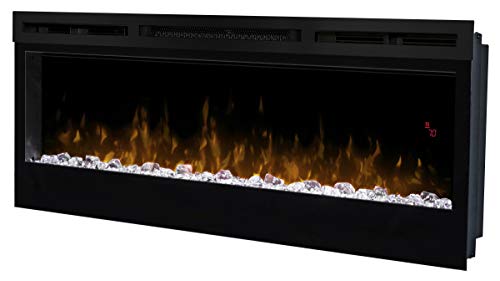
Dimplex Prism Wall Mount Fireplace: Sleek Heat With Modern Flame Style
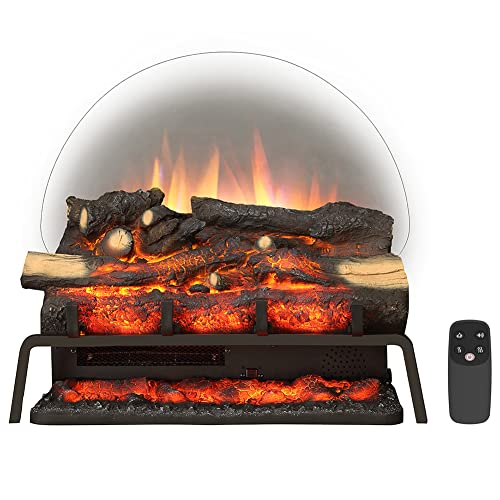
Best Electric Fireplace Insert for Large Room Heating and Style

Best 40 Inch Electric Fireplace Insert 2026 - Cozy Ambiance with Modern Power
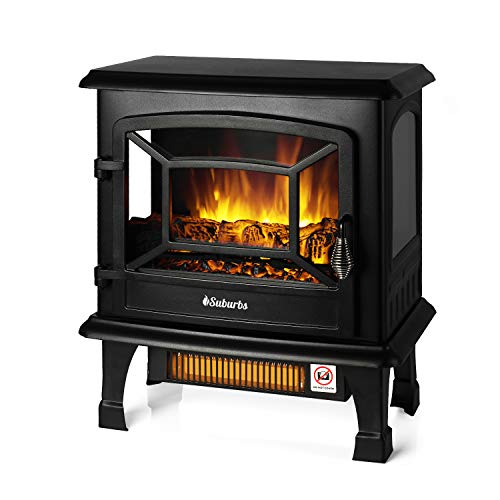
Top 12 Best Quality Electric Fireplace 2026 - Buying Guides

Best Wall Mount Electric Fireplace 2026 for Ultimate Comfort and Style

How to Start Monessen Fireplace: A Step-by-Step Guide

How to Whitewash Rock Fireplace: Simple Steps to Refresh Your Space