
10 Best Gas Wall Heater of 2026 For Cabins and Additions

Frost coats the inside corners of a new room addition while a brand-new heater sits idle on the floor, halted because its flue design violates local sleeping-space codes or its factory orifice rejects the propane tank outside. A hasty purchase often leads to mismatched venting and fuel lines, creating frustrating moisture buildup on walls, chronic short-cycling, or worse, an expensive piece of hardware that cannot legally be installed. When winter drafts cut through an unserved space, struggling with the wrong intake style or inadequate heat output quickly turns an ambitious renovation into a freezing headache.
Reliable warmth should be steady, quiet, and completely decoupled from fragile power grids. Achieving that security starts with selecting a sealed direct-vent system for enclosed sleeping areas, or a certified vent-free unit with an oxygen depletion sensor for open living spaces. Just as crucially, confirming dedicated natural gas or propane compatibility and choosing self-powered millivolt valves ensures safe, continuous warmth even when severe storms knock down neighborhood electrical lines. The options below show how the leading units stack up across venting types, heating capacities, and blackout resilience so you can warm your space with complete peace of mind.

- BWP Score9.7
BWP Score is a ranking system developed by Bestwinterproducts.com. BWP score has no relationship or impact from any manufacturers or sales agent websites. Learn more
- BrandComfort Glow

- BWP Score9.7
BWP Score is a ranking system developed by Bestwinterproducts.com. BWP score has no relationship or impact from any manufacturers or sales agent websites. Learn more
- BrandDyna-Glo

- BWP Score9.6
BWP Score is a ranking system developed by Bestwinterproducts.com. BWP score has no relationship or impact from any manufacturers or sales agent websites. Learn more
- BrandRinnai
- BWP Score9.0
BWP Score is a ranking system developed by Bestwinterproducts.com. BWP score has no relationship or impact from any manufacturers or sales agent websites. Learn more
- BrandComfort Glow
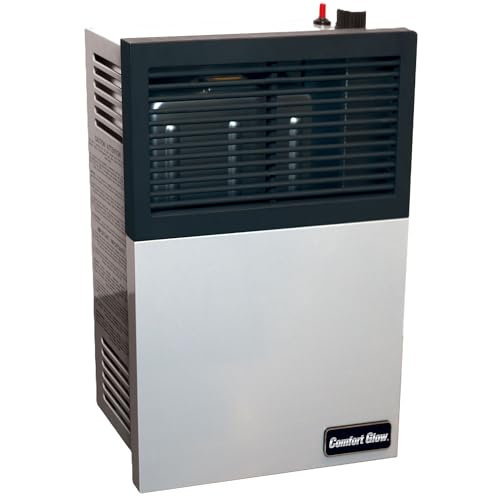
- BWP Score8.8
BWP Score is a ranking system developed by Bestwinterproducts.com. BWP score has no relationship or impact from any manufacturers or sales agent websites. Learn more
- BrandComfort Glow

- BWP Score8.6
BWP Score is a ranking system developed by Bestwinterproducts.com. BWP score has no relationship or impact from any manufacturers or sales agent websites. Learn more
- BrandComfort Glow

- BWP Score8.3
BWP Score is a ranking system developed by Bestwinterproducts.com. BWP score has no relationship or impact from any manufacturers or sales agent websites. Learn more
- BrandRinnai

- BWP Score8.0
BWP Score is a ranking system developed by Bestwinterproducts.com. BWP score has no relationship or impact from any manufacturers or sales agent websites. Learn more
- BrandWorld Marketing

- BWP Score7.5
BWP Score is a ranking system developed by Bestwinterproducts.com. BWP score has no relationship or impact from any manufacturers or sales agent websites. Learn more
- BrandComfort Glow
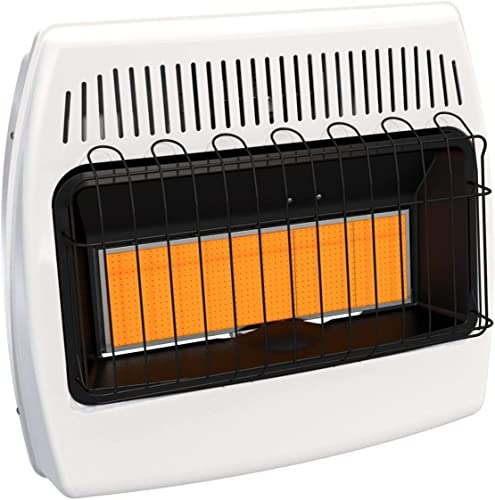
- BWP Score7.3
BWP Score is a ranking system developed by Bestwinterproducts.com. BWP score has no relationship or impact from any manufacturers or sales agent websites. Learn more
- BrandJEWUNO
Last update on 2026-10-04 / Affiliate links / Images, Product Titles, and Product Highlights from Amazon Product Advertising API
Do I need an exterior vent cut, or can a gas wall heater run vent-free?
It depends on whether you install a direct vent or a vent-free unit. Direct vent models use a sealed burn system that pulls outside air and vents exhaust through an exterior wall opening. Vent-free heaters require no exterior cutting or flue pipes because they discharge heat straight into the room. If you choose a vent-free model, check your local building codes first to ensure unvented fuel-burning heaters are permitted in that specific living zone.
Are gas wall heaters approved for use in bedrooms?
Approval depends on the venting style and local municipal heating codes. Some ventless appliances, such as the Comfort Glow 30,000 BTU natural gas infrared heater, explicitly list placement flexibility for bedrooms, study rooms, and home offices. Direct vent models with a sealed burn system keep indoor air isolated from combustion gases, making them a common choice for enclosed rooms. Always check the installation manual and local safety regulations for your area before mounting any gas heater where people sleep.
Will a gas wall heater operate during an electrical power outage?
Many gas wall units provide emergency heat during blackouts, but it depends on the control setup. Heaters designed with manual controls or matchless piezo ignition, like the 12,000 BTU vent-free unit from World Marketing of America, run with no electricity required. Direct vent options featuring a mechanical safety pilot and built-in pressure regulator also function without wall power. In contrast, units that rely on self-diagnostic electronics or electric blowers will shut down when household electricity drops out.
Can I run a gas wall heater on either propane or natural gas?
Only if the heater is explicitly built with dual-fuel capability. For instance, a 30,000 BTU dual-fuel vent-free heater can burn either liquid propane or natural gas to warm spaces up to 1,000 square feet. Many other units are strictly single-fuel appliances; the Dyna-Glo 20,000 BTU blue flame heater is natural gas ready and states that fuel conversion is not permitted. Connecting the wrong fuel type creates severe safety hazards, so verify the data plate on the cabinet before attaching a supply line.
How do I match BTU output to my room size?
Check the square footage of your space against the manufacturer coverage rating on the specific model. An 8,000 BTU direct vent natural gas heater heats up to 250 square feet, an 11,000 BTU propane unit covers up to 350 square feet, and a 17,000 BTU unit warms up to 500 square feet. For larger additions, a 25,000 BTU direct vent heater handles up to 750 square feet, while a 30,000 BTU dual-fuel heater heats up to 1,000 square feet. If you are comparing wall units against portable supplemental options for cold spots, review the best heater for home guide to evaluate different room setups.
What safety mechanisms stop gas flow if the pilot light goes out?
Most gas wall heaters use an integrated safety pilot valve paired with an internal pressure regulator. On Comfort Glow direct vent models, this mechanical valve automatically stops the flow of gas if the pilot flame is extinguished. Higher-output wall furnaces also incorporate self-diagnostic electronics and cool-to-the-touch cabinets to prevent overheating. If you want supplemental warmth for an isolated room without installing gas piping or exterior wall vents, consider the best space heater for indoor use as an alternative plug-in solution.


Best Warm Winter Scarves 2026 For Cozy Comfort

Best Green Ski Goggles 2026 For Clear Vision On Slopes

12 Best Corner Electric Fireplace 2026: My Ultimate Guide To Pick One

Best Battery Powered Snow Blower 2026 For Effortless Snow Clearing

Best Ski Goggles Under 30 Inches For Crisp Vision And Comfort

Best Cooling Scarf 2026 For Instant Relief And Comfort

Fake Snow for Grass: Create a Realistic Winter Lawn Display

Dimplex Prism Wall Mount Fireplace: Sleek Heat With Modern Flame Style





