
7 Best Heater For Shop of 2026 To Warm Freezing Workspaces

Can a standard wall outlet actually keep an uninsulated workspace warm when winter sets in? Most compact plug-in units simply cannot push enough BTUs to beat high rafters, cold concrete slabs, and drafty garage doors. The usual result is freezing metal hand tools, tripped breakers, and wasted electricity while the room stays bitterly cold. Bulky portable heaters also steal valuable floor room, while aggressive fan blowers frequently kick up fine sawdust right into fresh project finishes.
Reclaiming your workspace means stepping into reliable warmth where glue cures properly and winter projects stay on schedule. Getting there depends on matching your heat source directly to your building. Spot-heating a single worktable works best with overhead radiant panels that warm your body instantly, whereas heating the entire floor plan demands forced air supported by a dedicated 240-volt circuit or a gas line. Verifying your ceiling clearances and utility hookups ahead of time guarantees dependable, safe heating all winter without blowing through your electrical capacity. Here is how the top models compare to help you choose the best heater for shop work this season.

- BWP Score9.1
BWP Score is a ranking system developed by Bestwinterproducts.com. BWP score has no relationship or impact from any manufacturers or sales agent websites. Learn more
- BrandDura Heat

- BWP Score8.9
BWP Score is a ranking system developed by Bestwinterproducts.com. BWP score has no relationship or impact from any manufacturers or sales agent websites. Learn more
- Brandshinic
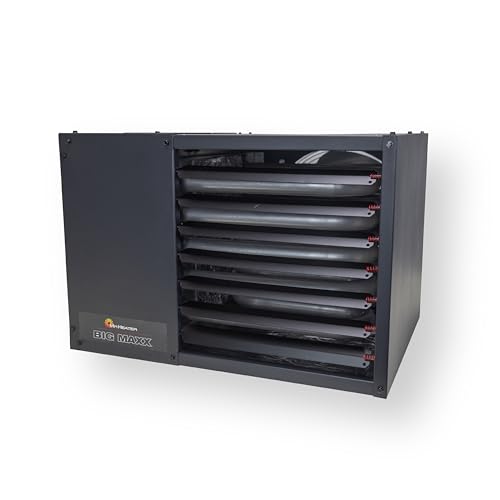
- BWP Score8.5
BWP Score is a ranking system developed by Bestwinterproducts.com. BWP score has no relationship or impact from any manufacturers or sales agent websites. Learn more
- BrandMr. Heater

- BWP Score8.3
BWP Score is a ranking system developed by Bestwinterproducts.com. BWP score has no relationship or impact from any manufacturers or sales agent websites. Learn more
- BrandDura Heat

- BWP Score8.0
BWP Score is a ranking system developed by Bestwinterproducts.com. BWP score has no relationship or impact from any manufacturers or sales agent websites. Learn more
- BrandMr. Heater
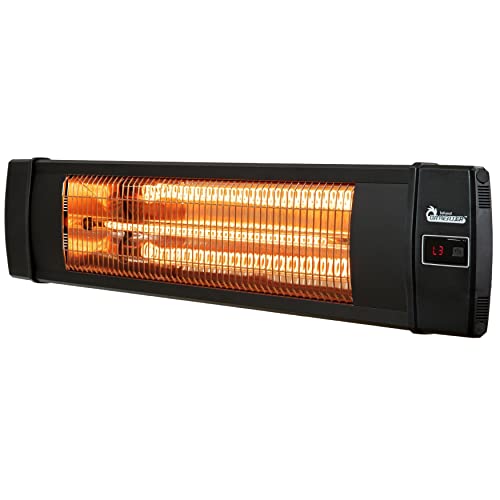
- BWP Score8.0
BWP Score is a ranking system developed by Bestwinterproducts.com. BWP score has no relationship or impact from any manufacturers or sales agent websites. Learn more
- BrandDR. INFRARED HEATER

- BWP Score7.5
BWP Score is a ranking system developed by Bestwinterproducts.com. BWP score has no relationship or impact from any manufacturers or sales agent websites. Learn more
- BrandCOMFORT ZONE
Last update on 2026-09-26 / Affiliate links / Images, Product Titles, and Product Highlights from Amazon Product Advertising API
Can a standard 120-volt plug warm my shop or do I need 240 volts or gas?
A standard 120-volt outlet can supply spot warmth for small bench tasks, but heating an entire uninsulated workspace usually requires a dedicated 240-volt circuit or a gas supply. Compact 120-volt heaters operate at settings like 900, 1,200, or 1,500 watts, producing around 5,120 BTU of heat output. If your service panel has room for a 240-volt, 20-amp circuit, an electric model can generate 3,750 watts and 12,800 BTU, with larger hard-wired units reaching 5,000 watts. For uninsulated shops or detached outbuildings without upgraded electrical panels, natural gas heaters producing 50,000 to 80,000 BTUs deliver the output needed to overcome extreme winter drafts.
Should I choose overhead radiant heat or fan-forced air for my workspace?
Choose radiant heat if you want immediate warmth focused directly on your body and tools without circulating air. Fixtures using dual quartz tubes or carbon infrared elements warm objects directly in front of them rather than heating the surrounding drafty air, and some models include a built-in halogen light to brighten workbenches. If you want to raise the temperature across the entire room, choose a fan-forced heater that pushes heated air throughout the building. For shops with enclosed project zones, comparing these units against the best space heater for large room with thermostat models helps illustrate how circulating airflow manages wide, open spaces.
How do I confirm ceiling height and clearance requirements for an overhead shop heater?
Check the product manual for exact mounting heights, floor drop distances, and wall clearances before drilling into ceiling joists. Ceiling-mounted models keep valuable floor and bench space clear, but sizes range from compact 11-inch-high quartz fixtures up to 27-inch-deep gas units that weigh over 78 pounds. Heavy steel electric and gas heaters require sturdy structural anchoring to overhead framing. Make sure your ceiling provides enough clearance so the heater does not interfere with opening garage doors, project storage racks, or tall workpieces on your bench.
Can a shop heater keep tools warm without blowing dust across wet project finishes?
Yes, radiant quartz and carbon infrared heaters provide warmth without moving air, which keeps woodworking dust, dirt, and overspray from landing on wet finishes. Because infrared elements emit heat that warms surfaces directly, your hand tools, cast-iron machine tops, and workpieces warm up without a noisy fan stirring up floor debris. Carbon infrared designs also offer odorless operation and IP55 weather ratings for semi-open bays. Those working in partitioned bays can also explore the best infrared wall panel heater styles to see how static, non-forced heating elements preserve clean assembly areas.
What square footage can a gas shop heater cover compared to electric models?
Natural gas heaters cover significantly larger floor plans than standard electric garage heaters. A ceiling-mounted 50,000 BTU gas heater can warm up to 1,667 square feet, which roughly matches a three-car garage. An 80,000 BTU forced-air gas unit increases coverage up to 2,667 square feet for barns and commercial-scale workspaces. By comparison, electric units produce between 5,120 BTU on 120-volt lines and 12,800 BTU on 240-volt setups, making them better suited for single workstations or smaller enclosed garages.
What safety shut-off features should I verify before buying a shop heater?
Verify that the unit includes an automatic overheat shut-off sensor and a thermal cut-out switch that cuts electrical power if the unit exceeds safe operating temperatures. Heavy-gauge steel housings help ceiling-hung commercial heaters withstand routine temperature swings without degrading. If you choose a portable floor model, select one with an adjustable stand and an integrated thermostat so you can angle heat away from sawdust collectors, solvent storage, and cords.


Best Warm Winter Scarves 2026 For Cozy Comfort

Best Green Ski Goggles 2026 For Clear Vision On Slopes

12 Best Corner Electric Fireplace 2026: My Ultimate Guide To Pick One

Best Battery Powered Snow Blower 2026 For Effortless Snow Clearing

Best Ski Goggles Under 30 Inches For Crisp Vision And Comfort

Best Cooling Scarf 2026 For Instant Relief And Comfort

Fake Snow for Grass: Create a Realistic Winter Lawn Display

Dimplex Prism Wall Mount Fireplace: Sleek Heat With Modern Flame Style





