
6 Best Heaters For Campers of 2026 To Stay Warm Overnight

The biggest oversight in winter camping is treating an enclosed vehicle cabin like a standard home bedroom, where power is limitless and ventilation takes care of itself. In tight camper quarters, unvented fuel sources quickly create soaked walls and damp bedding from trapped condensation, while standard electric coils pull far more current than an auxiliary battery bank can supply off-grid. A narrow floor plan leaves almost zero room for error, meaning an oversized unit or exposed heating element presents an immediate fire hazard in the aisle. Waking up shivering at three in the morning to dead house batteries or foul fumes can turn a dream trip into a genuine hazard.
Staying comfortable on freezing nights comes down to choosing equipment engineered specifically for vehicle confines. A reliable setup balances your actual power source, whether that means steady 120V shore power at an RV site or efficient 12V diesel and low-oxygen propane units for boondocking off the beaten path. Adding essential safeguards like automatic tip-over switches, cool-touch housings, and proper exhaust routing lets you sleep soundly without second-guessing cabin air quality. The following options balance steady heat output with strict interior safety, giving your camper dependable warmth all night long.

- BWP Score9.7
BWP Score is a ranking system developed by Bestwinterproducts.com. BWP score has no relationship or impact from any manufacturers or sales agent websites. Learn more
- BrandXtreme Heaters
- BWP Score9.4
BWP Score is a ranking system developed by Bestwinterproducts.com. BWP score has no relationship or impact from any manufacturers or sales agent websites. Learn more
- BrandVEVOR
- BWP Score8.3
BWP Score is a ranking system developed by Bestwinterproducts.com. BWP score has no relationship or impact from any manufacturers or sales agent websites. Learn more
- BrandXtreme Heaters
- BWP Score9.3
BWP Score is a ranking system developed by Bestwinterproducts.com. BWP score has no relationship or impact from any manufacturers or sales agent websites. Learn more
- BrandMr. Heater

- BWP Score8.7
BWP Score is a ranking system developed by Bestwinterproducts.com. BWP score has no relationship or impact from any manufacturers or sales agent websites. Learn more
- BrandVEVOR

- BWP Score8.6
BWP Score is a ranking system developed by Bestwinterproducts.com. BWP score has no relationship or impact from any manufacturers or sales agent websites. Learn more
- BrandVEVOR
Last update on 2026-10-24 / Affiliate links / Images, Product Titles, and Product Highlights from Amazon Product Advertising API
Will these heaters run on camper battery power or do they require shore power?
It depends on the fuel source and electrical configuration of the specific unit. Diesel air heaters are engineered for off-grid DC 12V or DC 12V-24V electrical systems, drawing direct-current power to run their internal fuel pumps, ceramic igniters, and digital controllers from auxiliary batteries. Portable propane radiant units generate 4,000 or 9,000 BTU/hr using liquid fuel cylinders and do not draw any electrical current, preserving your camper batteries entirely. In contrast, portable electric space heaters draw 750W or 1500W, requiring standard 120V shore power connections or a generator. When staying at developed campsites with electrical pedestals, pairing dedicated electric heaters for campers with your AC hookup keeps the cabin warm without draining battery banks.
Can you safely run a camper heater overnight in an enclosed living space?
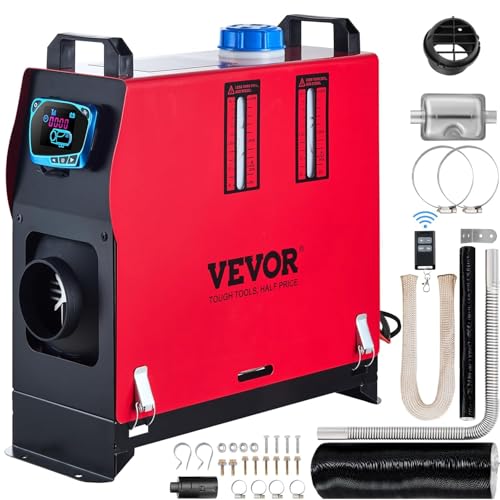
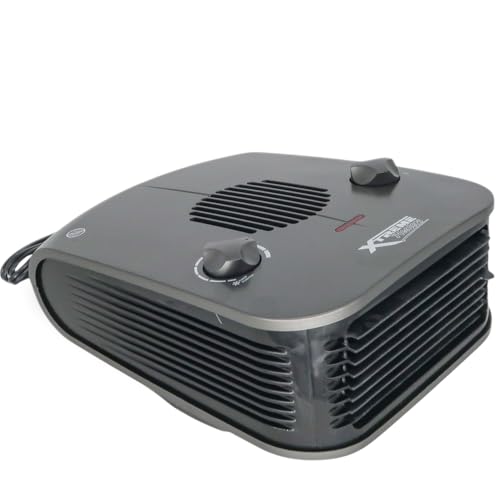
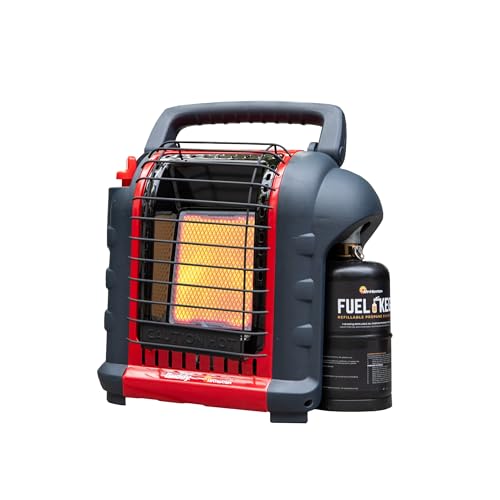
Yes, provided the heater is specifically rated for indoor vehicle environments and includes the necessary shutoff mechanisms. Diesel parking heaters mount their combustion chambers internally while venting all exhaust fumes directly outside the vehicle through sealed piping, protected by a heat-insulated exhaust pipe shield to avoid burns or scorching. Portable radiant heaters approved for indoor and outdoor use provide steady warmth at 4,000 or 9,000 BTU/hr, but safe overnight operation still requires cracking a window or ceiling hatch for continuous fresh air circulation. Electric space heaters built for RVs incorporate tip-over shutoff switches that immediately cut power if movement tilts the unit, preventing fire hazards in close quarters.
How do different camper heaters handle exhaust and manage interior condensation?
Exhaust venting and interior moisture depend on whether the unit uses closed combustion, open radiant heat, or electric elements. Diesel heaters utilize external intake and exhaust pipes, drawing combustion air from outside and discharging moist combustion gases beneath the camper while blowing dry, warmed air across an internal heat exchanger. Portable radiant heaters burn propane inside the cabin, which naturally produces water vapor as a byproduct of combustion and requires manual ventilation to stop moisture from soaking walls and windows. Electric heaters use 750W or 1500W heating coils that generate dry warmth without burning fuel, producing zero exhaust fumes. Exploring dedicated heaters for van life helps travelers match venting requirements to their camper layout and insulation.
What clearance and layout requirements apply to heaters inside tight camper aisles?
Placement depends on where the heater pulls air and how much heat radiates from the exterior casing. Certain compact electric space heaters measure 12 x 10 x 6 inches and draw cool air directly from the top, allowing you to position them against walls or on carpeted surfaces without blocking lower vents. Portable radiant models measure 7.7 x 13.4 x 15 inches and project heat outward, which means you must leave unobstructed forward space in walking aisles to avoid overheating gear or furniture. All-in-one diesel boxes measure approximately 16.34 x 7.09 x 16.14 inches and require a clear section of the floor where exhaust lines and fuel plumbing can safely route out of the vehicle living area.
How much living area can these camper heaters effectively warm?
Heating coverage corresponds directly to the stated output rating of the heater. Diesel parking heaters rated at 8 kW heat interior areas ranging from 161 to 215 square feet, while select models with sandblasting aluminum heat exchangers heat spaces from 215 to 269 square feet (20 to 25 square meters). Portable radiant heaters provide settings for 4,000 or 9,000 BTU/hr, matching small camper shells, truck bed toppers, and teardrop trailers. For compact electric units operating at 750W and 1500W levels, check the product specifications directly to verify square footage coverage recommendations for your specific camper insulation level.
How do high elevations and mountain passes affect heater performance?
High elevations reduce atmospheric oxygen, which can disrupt standard combustion ratios in fuel-burning units. Certain 8 kW diesel air heaters include automatic altitude adjustment engineered to function at elevations up to 18,045 feet, maintaining proper combustion and smooth operation via onboard LCD screens or Bluetooth app controls. Standard diesel or propane heaters without automated altitude compensation can experience fuel mixture imbalances or carbon buildup in thin mountain air, so verify the manufacturer altitude rating before camping at high-elevation trailheads. Electric resistance heaters are unaffected by elevation changes because their 750W or 1500W elements generate heat without consuming oxygen.


Best Warm Winter Scarves 2026 For Cozy Comfort

Best Green Ski Goggles 2026 For Clear Vision On Slopes

12 Best Corner Electric Fireplace 2026: My Ultimate Guide To Pick One

Best Battery Powered Snow Blower 2026 For Effortless Snow Clearing

Best Ski Goggles Under 30 Inches For Crisp Vision And Comfort

Best Cooling Scarf 2026 For Instant Relief And Comfort

Fake Snow for Grass: Create a Realistic Winter Lawn Display

Dimplex Prism Wall Mount Fireplace: Sleek Heat With Modern Flame Style





