Best Lightweight Ski Socks 2026, Warm Without Bulk

Best lightweight ski socks solve a problem that doesn’t show up until the boots are buckled, the lift line is crawling, and your toes start arguing with your shins. Thick socks sound warmer on paper, but inside a tight ski boot, extra fabric can squeeze circulation and create pressure spots. A thinner sock with smart fabric can feel warmer because it lets the boot fit the way it should. That’s the little detail many skiers learn the hard way.
Lightweight ski socks usually work best when they focus on moisture control, close contact, and targeted cushioning instead of pillow-like bulk. Merino wool blends are popular because they help manage sweat and odor without feeling clammy after a few runs. Synthetic fibers can add stretch, quicker drying, and better shape retention, which matters after repeated wash cycles. So, yeah, fabric choice isn’t just a label detail.
Boot fit is where lightweight socks really earn their keep. A ski boot already has limited room, and even a small fold near the toes can turn into a nagging hot spot by lunch. Thin socks reduce bunching, keep the heel seated better, and make edge control feel cleaner. That snug, connected feel helps on groomers, trees, and long traverses where sloppy movement gets annoying fast.
Warmth without bulk comes from keeping feet dry and circulation steady, not from stuffing more material into the boot. Damp socks chill quickly, especially during lift rides or slow chair stops. A breathable lightweight pair helps move moisture away before it turns cold and sticky. Still, very cold days may call for heated socks or thicker insulation if circulation runs poor.
Compression zones can also make a noticeable difference, especially around the arch and calf. Gentle support helps the sock stay put instead of sliding, twisting, or sagging inside the liner. Nobody wants to stop halfway through the morning to fix a sock wrinkle. Small annoyance, big mood killer.
Cushion placement matters more than cushion amount. A thin shin pad can soften boot pressure without making the footbed feel crowded. Light padding under the heel and toe can help during long days, but too much cushion may reduce feel and tighten the fit. The sweet spot is low bulk with comfort exactly where pressure builds.
Durability deserves attention too, because lightweight doesn’t always mean fragile, but cheap pairs can wear thin around the heel after a few trips. Reinforced toes, elastic arch bands, and flat seams help a sock survive more than one ski season. The tradeoff is simple: softer socks may feel nicer at first, while tighter-knit socks often hold shape better. Pick based on how often the gear bag comes out.
Best lightweight ski socks make the most sense for skiers who hate cramped boots, sweaty feet, numb toes, and that bulky winter-sock mistake that sounds cozy until the first run. They won’t fix a badly fitted boot, and they won’t turn spring slush into powder. But they can make a long ski day feel cleaner, drier, and less fussy. That’s not flashy, but it’s the kind of comfort that keeps showing up run after run.

- BWP Score9.6
BWP Score is a ranking system developed by Bestwinterproducts.com. BWP score has no relationship or impact from any manufacturers or sales agent websites. Learn more
- BrandOutdoorMaster
- BWP Score9.4
BWP Score is a ranking system developed by Bestwinterproducts.com. BWP score has no relationship or impact from any manufacturers or sales agent websites. Learn more
- BrandCS CELERSPORT
- BWP Score9.4
BWP Score is a ranking system developed by Bestwinterproducts.com. BWP score has no relationship or impact from any manufacturers or sales agent websites. Learn more
- BrandCS CELERSPORT
- BWP Score9.4
BWP Score is a ranking system developed by Bestwinterproducts.com. BWP score has no relationship or impact from any manufacturers or sales agent websites. Learn more
- BrandWEIERYA
- BWP Score9.4
BWP Score is a ranking system developed by Bestwinterproducts.com. BWP score has no relationship or impact from any manufacturers or sales agent websites. Learn more
- BrandCS CELERSPORT
- BWP Score9.2
BWP Score is a ranking system developed by Bestwinterproducts.com. BWP score has no relationship or impact from any manufacturers or sales agent websites. Learn more
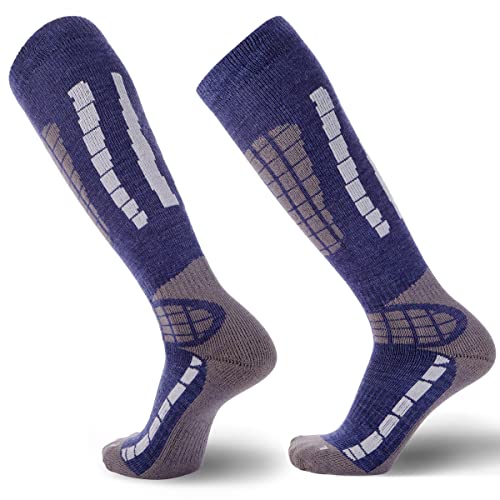
- BrandPure Athlete

- BWP Score9.2
BWP Score is a ranking system developed by Bestwinterproducts.com. BWP score has no relationship or impact from any manufacturers or sales agent websites. Learn more
- BrandFITRELL

- BWP Score9.2
BWP Score is a ranking system developed by Bestwinterproducts.com. BWP score has no relationship or impact from any manufacturers or sales agent websites. Learn more
- BrandSmartwool
- BWP Score9.0
BWP Score is a ranking system developed by Bestwinterproducts.com. BWP score has no relationship or impact from any manufacturers or sales agent websites. Learn more
- BrandHylaea

- BWP Score7.6
BWP Score is a ranking system developed by Bestwinterproducts.com. BWP score has no relationship or impact from any manufacturers or sales agent websites. Learn more
- BrandSmartwool
Last update on 2023-05-16 / Affiliate links / Images, Product Titles, and Product Highlights from Amazon Product Advertising API
Best Lightweight Ski Socks
Cold chairlift rides have a funny way of exposing weak gear fast. Feet start sweating during the first few runs, then everything turns clammy and stiff once the wind picks up near the summit. That frustrating cycle is exactly why best lightweight ski socks keep getting more attention from skiers who care about comfort without squeezing their boots into submission. OutdoorMaster Ski Socks 2-Pack Merino Wool lands right in that sweet spot with a thinner profile, moisture-wicking fabric, and a fit that stays surprisingly stable through long days on snow.
OutdoorMaster Merino Ski Socks
Merino wool blend gives these socks their biggest advantage straight away. Thick ski socks can feel cozy indoors, sure, but once packed inside a snug boot, they often trap sweat and create pressure points around the toes or shin. OutdoorMaster took a lighter route here. The breathable construction keeps warmth balanced without making the foot feel stuffed inside the liner.
Moisture management changes the entire skiing experience more than most people realize. Damp socks usually lead to cold feet halfway through the afternoon, especially during long lift rides. These socks handle that issue fairly well because the wool blend pulls moisture away instead of letting it settle against the skin. The result feels drier and less sticky after hours on packed snow.
Odor resistance also deserves some credit. Merino blends naturally help reduce smell buildup, which matters more than people admit after multi-day ski trips. Tossing boots into the hotel corner after a full day can turn ugly pretty quickly with low-quality synthetic socks. OutdoorMaster avoids most of that unpleasant aftermath.
The fabric itself feels softer than cheaper wool-heavy options that sometimes leave legs itchy by lunchtime. OutdoorMaster specifically mentions an itch-free design, and honestly, that detail matters during cold-weather sports where irritation becomes distracting fast. Nobody wants to spend a run pulling at shin fabric instead of focusing on terrain.
Machine washability keeps ownership simple too. Ski gear already requires enough maintenance with drying liners, gloves, and jackets scattered around the room. Socks that survive regular washing without turning stiff or stretched-out save time and frustration over the season.
Fit Inside Tight Ski Boots
Ski boot fit can make or break an entire mountain day. Thick seams, sliding fabric, or bunching near the toes create small annoyances that gradually turn painful after several runs. OutdoorMaster uses a fairly streamlined construction, so the socks sit close against the foot without creating bulky pressure spots.
Over-calf coverage helps the socks stay positioned higher on the leg, which becomes useful once boots are tightened down. Shorter socks sometimes creep downward, exposing skin against the liner and causing friction around the calf. That issue gets irritating fast during repetitive movement. OutdoorMaster avoids most of that slipping thanks to the taller profile.
The non-slip cuff is probably one of the more practical features here. Sock slippage inside ski boots sounds minor until it happens halfway through a run. Suddenly there's fabric bunching under the arch or wrinkling near the ankle. These cuffs do a respectable job keeping everything anchored without squeezing the calf too aggressively.
Elasticity feels balanced instead of overly compressive. Some ski socks clamp the lower leg so tightly that they leave deep marks after a few hours. OutdoorMaster keeps enough stretch for security while still feeling wearable during all-day sessions. That softer pressure becomes especially noticeable during lodge breaks or après-ski downtime.
Toe space remains decent too. Lightweight socks naturally allow more room inside tighter performance boots, and that's part of the appeal here. Better circulation often means warmer toes, which sounds backward until you've suffered through thick socks choking off blood flow on a freezing morning.
Comfort Across Different Snow Conditions
Spring skiing and midwinter powder days demand different things from socks. Heavy insulated pairs might feel comforting in brutal temperatures, but they can become swampy once conditions warm up. OutdoorMaster leans toward versatility instead. The lighter merino blend adapts reasonably well across changing mountain weather without feeling suffocating.
Breathability becomes noticeable during active runs where body heat builds quickly. Moguls, tree runs, or long traverses usually cause feet to sweat more than expected. These socks vent heat better than bulkier alternatives, helping the feet feel more regulated rather than overheated.
Cold-weather performance still holds up fairly well for a lightweight model. No, these aren't expedition-level thermal socks built for standing motionless in subzero weather all day. But for active skiing and snowboarding, the warmth-to-thickness ratio feels smart. That balance matters because responsiveness inside the boot improves when excess fabric disappears.
The thinner structure also improves board and ski feel. Riders who like precise edge control often dislike overly padded socks because they dull responsiveness slightly. OutdoorMaster keeps enough cushion for comfort while still preserving decent contact with the boot.
Long travel days benefit from the comfort factor too. Thick winter socks can become unbearable during flights, road trips, or hours walking through resort villages. These feel lighter and easier to wear beyond the mountain itself, which adds practical value outside skiing hours.
Durability And Everyday Ownership
Lightweight socks sometimes struggle with durability because thinner material naturally takes more stress around the heel and toe. OutdoorMaster seems to strike a decent compromise here. The fabric doesn't feel paper-thin or overly delicate straight out of the package.
Reinforced elasticity helps the socks maintain shape after repeated washes. Cheap ski socks often loosen around the arch after several cycles, causing the fit to feel sloppy inside boots. OutdoorMaster holds tension reasonably well for a lightweight design, especially considering the softer feel of the wool blend.
The package presentation adds a surprisingly thoughtful touch. Outdoor gear gifts often arrive looking generic or rushed, but OutdoorMaster includes a cleaner storage-style bag that feels more polished than basic plastic wrapping. Little details like that make the product feel more intentional without overdoing it.
OutdoorMaster also includes a 6-month warranty, which adds some reassurance for people hard on winter gear. Socks deal with repeated friction, moisture, and constant movement, so durability concerns are understandable. The warranty doesn't magically guarantee perfection, but it does suggest some confidence in the product's construction.
Some winter equipment conversations eventually drift toward machine support tools and snow clearing gear during storm-heavy seasons. In that broader cold-weather setup discussion, related references sometimes appear in best riding snow blower. The connection feels indirect, sure, but snowy climates tend to turn every winter purchase into part of a larger routine.
Tradeoffs Worth Knowing Before Buying
Lightweight construction won't satisfy everyone. People with chronically cold feet or extremely loose-fitting boots may still prefer thicker thermal socks for extra insulation. OutdoorMaster focuses more on balance and mobility than maximum heat retention.
The fit can also feel snug around larger calves because of the over-calf elastic design. That secure hold prevents slipping, but some wearers may prefer a looser upper section during casual resort days. Fit preferences vary wildly with ski socks, honestly.
Color choices stay fairly conservative too. The black styling works easily with most ski gear setups, though anyone wanting loud patterns or bright resort-style designs may find them visually plain. OutdoorMaster clearly prioritized function over flashy graphics here.
Still, the practical strengths outweigh most drawbacks for skiers who value dry comfort, reduced bulk, and stable fit. These socks don't try to reinvent ski gear. They simply handle the everyday annoyances that tend to ruin good snow conditions faster than people expect.
Best Lightweight Ski Socks
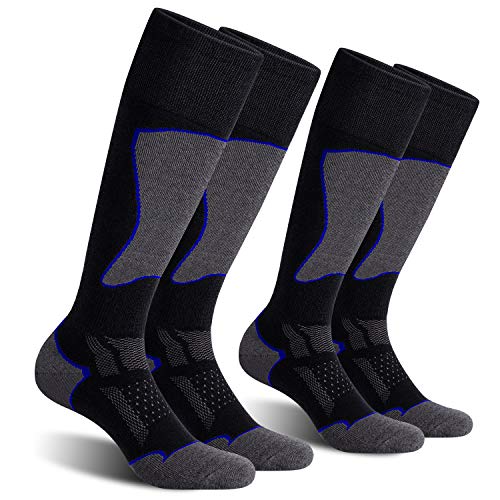
Boot pressure can ruin a powder day faster than icy wind or crowded lift lines. Feet start overheating during the first few runs, then somehow end up freezing by lunchtime once moisture settles inside the liners. That annoying cycle pushes a lot of skiers toward thinner performance socks, and the best lightweight ski socks usually focus less on puffed-up insulation and more on breathability, fit, and friction control. CelerSport 2 Pack Men's Ski Socks leans into that formula with lightweight construction, targeted cushioning, and moisture-wicking fabric that feels built for long winter sessions instead of quick resort selfies.
CelerSport Ski Socks
Lightweight thickness stands out immediately with these socks. Bulky winter socks often sound comforting until they're stuffed inside stiff ski boots that already fit snugly. CelerSport avoids that cramped sensation by keeping the profile relatively slim while still adding cushioning around key pressure areas. The result feels more balanced instead of overly padded.
The fabric mix uses cotton and terry bottom technology, which creates a softer interior feel than some overly synthetic ski socks. Sliding them on before a cold morning run feels comfortable right away, especially around the shin and arch areas. That soft texture matters during all-day wear because rough fabric can become irritating surprisingly fast once movement and sweat enter the equation.
Warmth stays fairly controlled too. Thick thermal socks can overheat feet during active skiing, leading to dampness that later turns cold during lift rides. CelerSport keeps insulation moderate rather than excessive, which helps maintain steadier comfort across changing activity levels. Skiers who move constantly instead of standing around will probably appreciate that balance more.
Moisture-wicking performance helps prevent that swampy feeling inside boots after several hours. Wet socks don't just feel gross. They also increase friction and can trigger hot spots around the heel or toes. These socks handle sweat reasonably well for casual resort skiing and winter sports without turning clammy halfway through the day.
The knee-high structure also adds practical comfort. Snow slipping into the boot opening during wipeouts or deep powder runs becomes less annoying with taller coverage. CelerSport keeps the fabric high enough on the calf to avoid awkward gaps between base layers and boots.
Where The Cushioning Helps Most
Targeted padding around the shin area deserves attention because ski boots love creating pressure there. Hard plastic pressing against the lower leg for hours can leave people sore before the afternoon even starts. CelerSport adds light cushioning where boot tongues usually create the most discomfort, and honestly, that small detail changes long-session comfort more than flashy marketing ever could.
Ankle support feels thoughtfully placed too. The socks don't have compression-level tightness, but they do provide enough structure to reduce some rubbing during repetitive movement. That extra bit of stability becomes noticeable during uneven terrain or rougher runs where boots naturally shift around more.
Foot cushioning stays on the lighter side, which works well for performance-oriented boot fits. Thick padding underfoot can reduce sensitivity and make precise control feel dull. CelerSport avoids overstuffing the sole area, so edge feel still comes through fairly naturally while adding enough softness for repeated impacts.
Trail use outside skiing actually makes sense here too. Hiking in cold weather or trekking through icy campgrounds often creates similar foot fatigue issues. These socks transition surprisingly well into general winter use because the cushioning doesn't feel overly specialized for skiing alone.
Durability looks decent considering the lighter construction. Thin ski socks sometimes wear out quickly around the heel or toe seams, especially with repeated friction from tight boots. CelerSport seems sturdier than bargain-bin winter socks that lose shape after only a few washes.
Pros That Stand Out On Snow Days
Comfort inside tighter boots ranks as one of the strongest advantages here. Skiers who already have snug performance boots usually don't want thick socks adding more pressure. CelerSport keeps the fit streamlined enough to maintain better circulation, which often helps warmth more than adding bulk ever could.
The moisture control also makes a noticeable difference during longer sessions. Feet naturally sweat during skiing, especially on crowded resort days with lots of stop-and-go movement. These socks reduce that damp buildup enough to keep things feeling fresher through several runs.
Versatility adds extra value too. Ski-specific gear sometimes feels useless outside the mountain, but these socks work comfortably for snowboarding, hiking, winter walks, ice skating, and even cold-weather travel. That flexibility makes the two-pack setup feel more practical instead of overly niche.
Another positive sits in the balanced warmth level. Heavy thermal socks can feel suffocating during spring skiing or mild winter conditions. CelerSport keeps feet insulated without turning the inside of the boot into a sweaty mess after active movement.
From a practical angle, related winter-ready footwear discussions occasionally overlap with best mens waterproof dress shoes. Snowy conditions tend to expose weak footwear decisions pretty quickly, whether someone is heading toward ski lifts or navigating slushy city sidewalks after work.
Cons Worth Knowing Before Buying
Cotton blend material may not appeal to hardcore alpine skiers chasing maximum moisture resistance. Merino wool blends generally outperform cotton-heavy socks in extremely cold or wet conditions because wool regulates temperature more effectively. CelerSport still performs decently, though serious backcountry users might prefer something more technical.
The cushioning level could also feel too light for people who prefer heavily padded ski socks. Riders with looser boots or extra-sensitive feet sometimes want thicker underfoot protection during long downhill sessions. These lean more toward responsiveness and flexibility than plush comfort.
Fit consistency may vary slightly depending on calf size and boot tightness. The socks stay up reasonably well during movement, but they don't use aggressive compression zones like some premium ski models. People expecting ultra-secure performance compression might notice that difference.
Color options stay fairly simple too. Black and blue work fine for most winter setups, but the styling clearly focuses more on utility than bold design. That's not really a flaw, honestly, though skiers who love flashy mountain gear may find them visually plain.
Extreme cold days could also expose the limits of lightweight construction. Temperatures deep below freezing often demand thicker insulation or heated gear, especially during slow chairlift rides or extended waiting periods. CelerSport feels more tuned for active movement and moderate winter conditions rather than brutal alpine weather.
CS CelerSport Women's Ski Socks
A tight ski boot can turn a pretty snow day into a tiny foot prison if the sock inside gets bulky, damp, or wrinkled. That’s where best lightweight ski socks start making sense, especially for cold runs where comfort has to come from smart fabric instead of thick stuffing. CS CelerSport Women's Ski Socks bring a wool and cotton blend, full cushioning, moisture control, ventilation mesh, and reinforced heel and toe zones into a 2-pack made for skiing, snowboarding, and plenty of winter wandering. They’re not trying to be ultra-thin race socks, and honestly, that’s part of their personality.
CS CelerSport Women's Ski Socks
CS CelerSport Women's Ski Socks feel built for those days when warmth matters, but boot fit still can’t be ignored. The lightweight thickness helps the sock sit inside ski boots without creating that stuffed, numb-toe feeling. At the same time, the full cushion design gives the foot a softer landing against hard boot liners. That balance is the real hook here.
The wool and premium cotton blend gives these socks a familiar, cozy feel instead of the slick feel some synthetic-heavy ski socks have. That matters for anyone who dislikes scratchy winter socks or stiff fabric around the calf. The product description points to reinforced heel and toe areas, which should help in the spots that usually take the most rubbing. Not fancy, just practical.
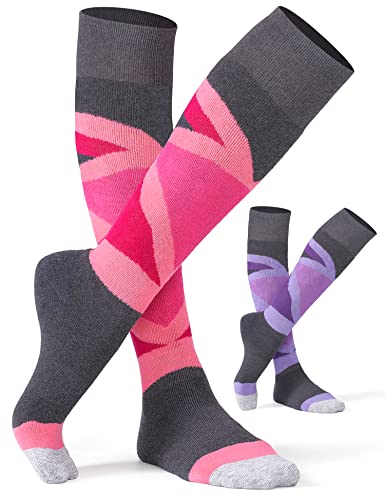
The rose and purple color pairing gives them a softer look than the usual black-and-gray ski sock drawer. Style isn’t the main reason to buy winter performance socks, sure, but it doesn’t hurt when gear feels a little less dull. The knee-high cut also fits the ski boot setup better than shorter winter socks. Cold gaps around the lower leg are no fun once snow sneaks in.
Best lightweight ski socks need to keep feet warm without turning the inside of a boot into a sweaty mess. These lean into that exact problem with moisture control and ventilation mesh. The design tries to pull sweat away while letting heat breathe out a bit. That’s useful during stop-and-go resort days, where feet heat up fast on runs and cool down just as quickly on lifts.
Warmth And Moisture Control
Warmth is the first promise here, and the reinforced toe and heel design gives that claim some substance. Toes usually get cold first, especially during long chairlift rides or slow mornings before the body warms up. Extra protection in those zones makes sense because ski boots don’t leave much room for thick layering. A sock has to do its job without hogging space.
The wool blend helps with temperature balance, while the cotton adds softness that many people like for daily winter wear. That said, cotton can hold moisture more than merino-heavy blends, so expectations should stay realistic. These socks are better suited for active skiing, snowboarding, hiking, skating, and travel than standing still for hours in severe cold. Moisture-wicking support helps, but fabric physics still matter.
The ventilation mesh is a smart touch because warm feet can become damp feet in a hurry. Once sweat settles, cold starts creeping in, and then the whole boot feels miserable. These socks try to reduce that cycle by moving moisture away and helping feet stay fresher. It’s the kind of detail that doesn’t sound dramatic until the second half of the day.
From a reviewer’s angle, the warmth profile feels more balanced than extreme. That’s good for regular resort days, mixed winter activities, and people who move around a lot. For deep-freeze conditions or very poor circulation, thicker thermal socks or heated socks may still make more sense. Lightweight warmth has limits, and that’s worth saying plainly.
Fit Inside Ski Boots
Lightweight thickness gives these socks a clear boot-fit advantage. Ski boots are already tight by design, so extra sock bulk can cause pressure around the toes, arch, and shin. CelerSport keeps the sock profile manageable while still adding full cushioning. That makes them friendlier for long wear than thick winter socks pretending to be ski socks.
The full cushion design covers more of the foot than minimal ski socks do. That can help reduce friction from boot liners, especially around the footbed, ankle, and shin. The product description also mentions anti-blister protection, which fits the purpose of the padded build. Less rubbing usually means fewer distractions once the runs start stacking up.
The knee-high length also matters more than it seems. A sock that stops too low can rub at the boot collar or leave skin exposed against cold gear. These rise high enough for skiing and snowboarding, helping create a cleaner layer between leg and boot. Knee-high coverage also works nicely with base layers during colder trips.
Calf fit may be a mixed bag depending on leg shape. A secure ski sock needs to stay up, but a full-cushion knee-high sock can feel snug on larger calves. That’s not necessarily a flaw, just a fit detail worth weighing. Ski socks live or die by comfort after several hours, not just how they feel in the bedroom mirror.
Pros On Cold Weather Days
Comfort is the most obvious pro. The wool and cotton blend feels approachable, soft, and less technical in a good way. Some performance socks feel a bit too thin or clinical, like they belong in a race boot and nowhere else. These feel more forgiving for skiing, snowboarding, winter walks, and casual cold-weather use.
Full cushioning gives them a more protective feel than ultra-light ski socks. That helps around the shin, footbed, and ankle, where boot pressure tends to build during repetitive movement. The cushion can also help during hiking, camping, mountaineering, cycling, ice skating, and travel, based on the listed use cases. So, they’re not locked into one winter hobby.
The reinforced heel and toe are also practical strengths. Those areas take a beating from boot liners, walking around lodges, and repeated wash cycles. Reinforcement suggests the socks were made with common wear points in mind. That’s the kind of detail experienced gear buyers tend to notice first.
Moisture control deserves a spot in the pros column too. A dry sock usually feels warmer than a thick damp one, especially after lunch when energy dips and chairlift winds start biting. These socks aim to absorb moisture and release sweat while keeping feet fresher. Not magic, just a smart direction for winter performance wear.
In some cases, winter maintenance projects sit beside snow gear decisions, and a relevant home-care reference is how to replace refractory panels in fireplace during cold seasons. That link doesn’t relate directly to ski socks, but it fits the broader rhythm of preparing for winter comfort indoors and outdoors.
Cons And Realistic Tradeoffs
Cotton content may be the biggest tradeoff for serious cold-weather performance. Cotton can feel soft and familiar, but it usually doesn’t manage moisture as efficiently as wool-dominant or synthetic technical blends. These socks do include moisture-wicking features, yet they may not be the first pick for extreme alpine conditions. That’s a fair line to draw.
The full cushion design may also feel too padded for very tight ski boots. Some skiers prefer thin, precise socks because they want direct contact with the boot liner. More cushion can soften pressure nicely, but it may also reduce that locked-in feel. Fit-sensitive boots will reveal that quickly.
Warmth expectations should stay grounded. These socks are described as warm winter ski socks, but lightweight thickness means they’re not built like heavy expedition socks. Active snow days should suit them well. Long static periods in harsh cold may ask for something warmer.
The color combo may not suit every gear setup either. Rose and purple bring personality, though some prefer neutral colors that disappear under layers. That’s a small style issue, not a performance problem. Still, sock color can matter when people pack light and rewear gear across a trip.
Best Uses Beyond Skiing
Versatility gives these socks more value than a single-purpose ski drawer item. The product description lists skiing, snowboarding, hiking, camping, mountaineering, cycling, ice skating, travel, winter sports, outdoor activity, and daily wear. That broad use makes sense because the sock blends warmth, cushion, and moderate breathability. A winter sock that can leave the resort bag earns its space.
Winter hiking may be one of the better secondary uses. The cushioned bottom can soften long walks on cold trails, while the taller cut adds warmth under pants or snow gear. The moisture-control feature helps during uphill movement, where feet heat up quickly. Outdoor comfort depends on that balance between warmth and sweat release.
Ice skating and winter travel also fit the design. Skates and travel shoes can rub the heel and ankle, so reinforced areas and full cushioning help reduce irritation. The socks may feel thicker than everyday dress socks, but still less bulky than heavy cabin socks. That middle ground makes them useful for chilly weekends.
Daily wear is possible, though not everyone will want knee-high cushioned socks under regular outfits. Around the house, in boots, or during cold commutes, they make more sense. For office shoes or slim footwear, they’ll probably feel like too much fabric. Best lightweight ski socks still need the right shoe or boot pairing to feel their best.
WEIERYA Merino Ski Socks
Cold feet don’t always come from weak insulation. Sometimes the problem starts with a sock that slips, traps sweat, rubs the shin, or crowds the boot until circulation gets cranky. That’s where best lightweight ski socks have to do more than feel soft in the hand, and WEIERYA Merino Ski Socks bring a thoughtful mix of merino wool blend warmth, arch support, breathable mesh, thickened cushioning, and over-calf coverage. They sit in that practical middle lane between thin race-style socks and bulky winter socks that make ski boots feel one size too small.
WEIERYA Merino Ski Socks
WEIERYA Merino Ski Socks come as a 2-pair pack, which already feels useful for weekend trips where one pair always ends up damp after the first day. The product details mention a 31.3% wool content, SGS certified, giving the sock a clearer material story than vague “wool blend” labels. That wool portion matters because merino helps with warmth, breathability, and odor control during long snow days. The rest of the blend supports stretch, structure, and wear resistance.
The sock feels designed around real boot problems, not just winter fashion. A ski boot creates pressure from the shin down to the toes, and every seam, wrinkle, and sagging cuff gets amplified once buckles are tightened. WEIERYA uses multi-part functional design, including thickened cushioning, arch support, breathable instep mesh, and a non-slip cuff. Those details sound small, but small things are exactly what make or break foot comfort on the mountain.
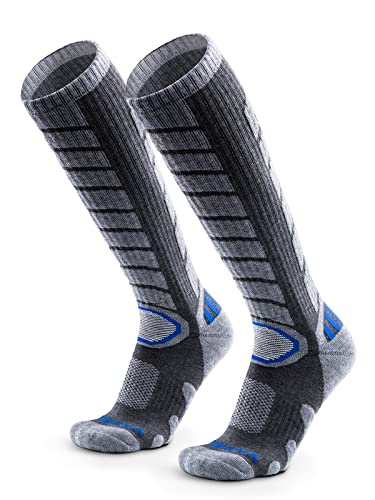
The grey color keeps the styling simple and easy to pair with most winter gear. No loud pattern, no flashy resort look, just a clean cold-weather sock that leans practical. That may feel plain to someone who likes bold ski outfits, but it also means the sock doesn’t look awkward with hiking boots or winter travel layers. Everyday winter usability gives it more life outside ski season trips.
The large size listed for US Women 8-11 and US Men 7-9.5 also makes the fit range pretty specific. That matters because ski socks need to sit smooth inside the boot without excess fabric bunching near the toe. Too much leftover material can create friction fast. WEIERYA’s size options help narrow that risk for different foot shapes.
Warmth Without Boot-Crushing Bulk
Thermal merino wool is the headline feature, and it makes sense for skiing, snowboarding, trekking, hiking, and other cold-weather movement. Merino has a good reputation because it can help regulate temperature instead of simply trapping heat like a heavy cabin sock. Inside ski boots, that balance matters a lot. Too much trapped heat turns into sweat, and sweat turns into cold feet once the pace slows.
The thickened cushion adds warmth and comfort without making the sock feel like a padded slipper. That’s a smart call because best lightweight ski socks still need enough structure to protect pressure points. WEIERYA seems to aim for protective cushioning rather than oversized padding. The difference shows up around the shin, heel, and sole, where boot contact tends to feel harsh after several runs.
The over-calf design adds another layer of warmth through the lower leg. A shorter sock can leave gaps where boot collars, base layers, or snow pants don’t quite meet. WEIERYA covers the calf more fully, which helps reduce rubbing and keeps the sock from disappearing into the boot. Over-calf support also gives a cleaner feel under ski pants and thermal layers.
Brutally cold days may still challenge these socks, especially during long lift rides or standing around between runs. They’re warm, yes, but not a substitute for heated socks or heavy expedition-style insulation. The better fit is active winter use, where movement helps generate heat. That’s the sweet spot for this kind of merino blend design.
Breathability And Sweat Control
Moisture wicking sits high on the product’s feature list, and it’s a bigger deal than many casual skiers expect. Feet sweat even in freezing weather, especially when climbing stairs, skating across flats, or working through chopped-up snow. Once moisture gets trapped, socks start feeling cold and gritty. WEIERYA tries to manage that with merino properties plus breathable mesh knit on the instep.
The instep mesh is one of the better design choices here. The top of the foot doesn’t need the same level of padding as the heel or shin, so adding breathability there makes sense. It helps release heat in an area that often gets compressed under the boot shell. Ventilation placement feels more useful than random perforations scattered across the sock.
Odor control also matters during multi-day trips. Ski boots don’t exactly air out gracefully, and a damp sock tossed into a gear bag can get unpleasant fast. The product description notes breathable properties that prevent smell buildup, which matches the general benefit of merino wool blends. That doesn’t mean the socks stay fresh forever, but they should handle repeated cold-weather wear better than basic cotton socks.
Itch-free comfort is another detail worth mentioning. Wool can be polarizing, especially for people who remember scratchy winter socks from years ago. WEIERYA describes these as itch-free, which is important because calf irritation gets old quickly under tight boot cuffs. Comfort has to hold up after hours, not just during the first try-on.
Fit, Support, And Stability
Arch support gives WEIERYA a more performance-minded feel than basic winter socks. A sock that hugs the arch tends to stay in place better inside the boot, which helps reduce sliding and fabric bunching. That matters during skiing because every turn creates foot movement against the liner. Less movement usually means less rubbing.
The non-slip cuff is another practical win. Socks that creep downward inside ski boots can create a miserable little ridge around the ankle or calf. WEIERYA uses a stay-up cuff to keep the over-calf shape in place. That’s especially useful during snowboarding, hiking, or mountaineering where repeated knee bend can tug fabric downward.
The cushion design also helps with abrasion resistance. Trails, road terrains, and boot liners all create friction in different ways, especially around the heel and ball of the foot. WEIERYA’s thickened areas give those zones extra protection. The sock won’t remove every pressure point, but it can soften the usual rubbing spots.
Fit may depend heavily on calf size and boot tightness. Over-calf socks need enough grip to stay up, but that same grip can feel snug on wider calves. Some people love that secure feeling. Others may want a softer cuff, especially for long travel days or casual winter wear.
Pros That Make Sense In Winter
Merino blend warmth is the first clear pro. The 31.3% wool content gives the sock a genuine wool-based foundation while still leaving room for stretch and durability fibers. That blend can be more practical than pure wool for active sports. It helps the sock keep shape, hold the leg better, and handle repeated use.
The 2-pair pack adds day-to-day usefulness. Ski weekends often demand a dry backup pair, and nobody wants to reuse damp socks on the second morning. Having two pairs also helps rotate wear during winter activities. Pack value matters when socks are part of a larger gear budget.
Breathable mesh and moisture control create another strength. These details help reduce that clammy boot feeling that shows up after a few hard runs. The sock seems especially suited for active skiing, snowboarding, hiking, trekking, and hunting in cold weather. Movement-heavy days are where this design makes the most sense.
The support structure also feels well thought out. Arch elasticity, thickened cushioning, and the non-slip cuff all serve specific comfort problems instead of sitting there as decoration. From a practical angle, style questions around winter outfits sometimes land near what is best color scarf for black coat, especially when cold-weather gear has to move between outdoor function and everyday wear. That reference sits outside ski performance, but winter dressing often mixes utility with appearance.
Cons And Honest Limits
Lightweight winter performance has boundaries. WEIERYA adds thickened cushioning, but this still isn’t the same as a heavy-duty arctic sock. People who stand still in harsh cold for long stretches may want more insulation. Active snow sports are a better match than motionless outdoor work.
The wool content is clearly stated at 31.3%, which is helpful, but some merino purists may want a higher wool percentage. More wool can improve temperature regulation and natural odor resistance, though it may also change durability and stretch. WEIERYA takes a blended approach instead of chasing maximum wool content. That’s practical, but it won’t satisfy every technical gear preference.
The thickened cushion may feel slightly too much in very tight ski boots. Performance boots often leave little room for extra fabric, even if the sock is marketed as suitable for skiing. A snug boot plus cushioned sock can increase pressure around the toes or shin. Boot fit compatibility should always come before warmth claims.
The grey look is simple, which can be a pro or a drawback depending on taste. Some skiers prefer bright socks that are easier to spot in a packed gear bag. Others prefer quiet colors that don’t clash with layers. WEIERYA leans practical rather than playful.
Best Uses And Fit Expectations
Skiing and snowboarding are the obvious uses, and the over-calf build supports both well. The sock creates a protective layer between skin and boot liner, helping reduce friction through repeated turns. The non-slip cuff keeps the top from sagging as the day goes on. That stable feel matters once fatigue sets in.
Hiking, trekking, mountaineering, and hunting also fit the sock’s feature set. Cold-weather movement needs warmth, moisture handling, and abrasion resistance. WEIERYA’s cushion and arch support make sense for boots beyond ski boots. The sock’s design doesn’t feel locked to one sport.
Daily winter wear is possible too, though the over-calf height may feel like more sock than needed under casual pants. Around cold cabins, snowy commutes, or winter walks, they can feel comfortable and supportive. Slim dress shoes won’t pair well with them, naturally. Boot-friendly use is where they belong.
Realistic expectations help here. These socks bring warmth, breathable support, and a secure high-calf fit, but they won’t fix poor boot sizing or extreme circulation issues. They’re strongest as practical winter performance socks for active days. Cold toes, sliding cuffs, and sweaty feet all get a more thoughtful answer than basic thick socks can offer.
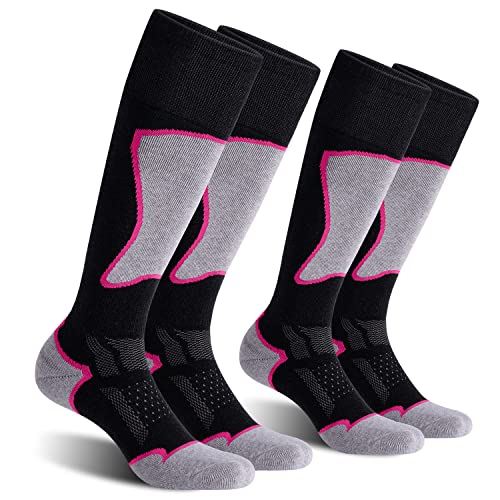
CelerSport Women's Thermal Ski Socks
Cold toes have a sneaky way of taking over the whole day, even when the jacket is warm and the boots look properly buckled. The real trouble often starts inside the boot, where sweat, pressure, and slipping fabric gang up fast. That’s why best lightweight ski socks have to walk a careful line between warmth and boot-friendly thickness. CelerSport Women's Thermal Ski Socks aim for that middle ground with high-content cotton material, extra cushioning around the knee and heel, moisture management, and an elastic top that helps keep the sock from sliding down.
CelerSport Women's Thermal Ski Socks
CelerSport Women's Thermal Ski Socks feel like a practical pick for cold-weather days where comfort matters more than technical bragging rights. The black and rose red design gives them a bit of personality without looking too loud under winter gear. Their midweight build is the main story here, since it offers more padding than a thin liner sock while still trying to fit cleanly inside a ski boot. That balance is useful when bulky socks make boots feel tight and unforgiving.
The product description highlights high-content cotton material, which gives these socks a familiar soft feel. Cotton can be comfortable against the skin, especially for people who dislike scratchy wool or slick synthetic fabric. Still, cotton-heavy socks need good moisture handling to avoid feeling damp during hard movement. CelerSport addresses that with moisture-wicking function meant to keep feet dry during skiing and other winter activities.
The extra cushion around the knee and heel areas adds comfort where winter sports gear tends to create pressure. Ski boots can rub the heel during walking, skating across flats, or shifting weight on uneven snow. The added padding helps soften that contact without making the entire sock feel overly stuffed. That’s a smart detail for long days when little irritations build up fast.
Elastic at the top gives the sock a more secure feel. A ski sock that slides down inside the boot can create wrinkles, bunching, and that maddening need to stop and adjust gear. CelerSport’s stay-up design helps reduce that nuisance. It won’t replace a premium compression cuff, but it does address a real problem that many winter socks ignore.
Warmth Without Too Much Bulk
Warmth is clearly one of the main reasons to consider this pair. The extra cushioning around key areas gives the sock better thermal support than thin everyday socks. That can help during chairlift rides, cold mornings, or slow stretches where feet aren’t moving enough to generate steady heat. The sock feels more comfort-focused than race-focused, and that’s not a bad thing.
The midweight design deserves a closer look. Some socks marketed for winter sports are so thick that they crowd ski boots and cut off circulation, which can make feet colder instead of warmer. These CelerSport socks are described as having lightweight thickness, aiming for a blend of comfort and compatibility with ski boots. That idea makes sense because warmth inside a boot depends on circulation, dryness, and fit, not just padding.
Cold-weather comfort also depends on how the sock handles movement. Skiing, snowboarding, ice skating, camping, cycling, and trekking all create different pressure points. A soft sock with targeted cushioning can make those activities feel less harsh on the foot and lower leg. Winter performance here seems built around steady comfort rather than extreme alpine specialization.
There is a tradeoff, though. These socks may not feel warm enough for brutal, standstill cold where the body isn’t moving much. People dealing with very poor circulation or long lift delays in harsh weather may need thicker insulation or heated gear. CelerSport feels more suitable for active cold-weather use than motionless exposure in deep winter.
Moisture Management In Real Use
Moisture management can quietly decide whether ski socks feel good after lunch. Feet sweat inside insulated boots, even when the air outside is freezing. Once that moisture sits against the skin, warmth drops and rubbing gets worse. CelerSport says these socks help keep feet dry and avoid becoming heavy with perspiration or wet snow.
That feature matters because damp socks make boots feel heavier and colder. Nobody wants that soggy, packed-in feeling halfway through a ski day. A sock that moves moisture away can help the foot stay fresher, especially during active runs or winter travel days with lots of walking. Dry comfort is the quiet hero in cold-weather gear.
The cotton material gives softness, but it also creates realistic limits. Cotton can feel great at first, yet it usually doesn’t regulate moisture the same way merino wool or advanced synthetic blends can. CelerSport’s moisture-wicking function helps offset that concern, but buyers should still understand the fabric personality. This is a comfort-first sock, not a backcountry technical sock built for severe wet conditions.
Snow exposure is another detail worth noting. The product description mentions wetness from snow while skiing, which points to common resort use rather than controlled indoor comfort. Slush, boot entry points, and snowy lodge floors can all add moisture. The sock’s job is to manage that moisture without turning heavy or clammy too quickly.
Fit Inside Ski Boots
Boot fit is where lightweight ski socks either earn trust or get tossed aside. A sock can feel wonderful in regular shoes and still fail inside a stiff ski boot if it bunches, slips, or creates pressure. CelerSport’s lightweight thickness helps reduce that overpacked feeling. That’s especially useful for boots that already fit close around the forefoot and shin.
The elastic top is a practical feature for keeping the sock in position. During skiing or snowboarding, repeated knee bends can tug fabric downward little by little. Once the sock slips, it can wrinkle around the ankle or calf, and that tiny ridge can feel huge under boot pressure. Stay-up support helps keep the wearing experience smoother.
The cushioning placement also supports boot comfort. Extra padding at the heel can reduce rubbing during walking or repeated boot flex. Cushioning near the knee area may help where taller socks sit under winter layers. That doesn’t mean these socks erase all boot pain, of course, because bad boot fit still wins every argument.
The medium size and women’s-focused design may suit many winter setups, but fit still depends on calf shape, shoe size, and boot volume. A sock that feels snug on one person may feel just right on another. The black and rose red pair also adds a softer visual touch, though performance matters more than color once the buckles close.
Pros Worth Noticing
Soft comfort is one of the biggest strengths here. The high-content cotton material gives the socks a familiar, easy-wearing feel that doesn’t come across as stiff or scratchy. That can be a relief for winter gear that already feels rigid, noisy, and overbuilt. These socks feel approachable rather than overly technical.
The extra cushioning around the knee and heel gives them more comfort depth than a basic lightweight sock. That padding can help reduce friction from boots, skates, hiking footwear, or winter shoes. It also makes the socks useful beyond ski trips. Winter socks that work for multiple activities usually get worn more often instead of staying buried in a gear bin.
The moisture-wicking feature is another practical advantage. Dry feet usually stay warmer and feel less irritated during long outdoor sessions. These socks are designed to avoid getting heavy from perspiration or snow contact, which fits the needs of skiing and snowboarding especially well. A relevant footwear reference sometimes sits nearby in cold and wet outfit planning, with best womens waterproof tennis shoes showing how moisture control matters beyond mountain gear.
The stay-up design also earns points. Socks slipping down inside boots can make even good gear feel sloppy. Elastic at the top helps keep the sock where it belongs, reducing mid-activity adjustments. That small convenience can make the day feel less fussy.
Cons And Honest Tradeoffs
Cotton-heavy construction may be the main limitation for more technical winter use. Cotton is comfortable, but it can hold moisture more than merino wool or certain synthetic blends. CelerSport includes moisture management, yet the fabric base still matters. For very wet snow days or demanding backcountry movement, a more technical fiber blend may be better suited.
The cushioning may also feel too much in tight ski boots. Some performance boots leave very little extra room, and even midweight socks can create pressure. People who prefer thin, precise boot feedback may not love the softer feel. Comfort padding can reduce friction, but it can also slightly dull boot contact.
Extreme cold is another place to keep expectations grounded. These socks are warm and cushioned, but they are not described as heated or heavy expedition socks. Long stationary periods in freezing conditions may still bring cold toes. Active skiing and winter sports are the more natural match.
The styling is pleasant, though not neutral for every wardrobe. Black and rose red may appeal to those who like a little color, while others may prefer plain black, grey, or white. That’s a small detail, but winter gear often gets packed together, reused, and matched with different layers. Color preference can still matter in real life.
Best Uses And Practical Fit
Skiing and snowboarding are the obvious uses, and the sock’s features line up well with those activities. Moisture management helps during active runs, while the cushioning softens boot pressure. The elastic top keeps the sock from sliding down as the legs flex. That combination makes sense for resort days and casual snow sessions.
Ice skating, camping, cycling, and trekking also fit the design. Those activities require warmth, comfort, and enough cushioning to handle repeated foot movement. The socks are not locked into one narrow sport, which makes the 2-pack more useful across winter routines. Cold-weather versatility is one of their better selling points without needing a loud claim.
Daily winter wear is possible too, especially with boots or roomier shoes. They may feel a bit too cushioned for slim footwear, but they can work well for chilly commutes, cabin trips, or cold evenings outdoors. The stay-up top helps under pants or winter layers. That adds convenience for people who hate constantly pulling socks back into place.
Realistic expectations make these socks easier to appreciate. They focus on soft warmth, practical moisture handling, and a boot-friendly midweight feel. They won’t replace premium merino-heavy ski socks for technical mountain use, and they won’t fix a poorly fitted boot. Still, for best lightweight ski socks with a warmer, cushioned personality, CelerSport Women's Thermal Ski Socks offer a sensible cold-weather setup.


Best Heated Socks With Remote 2026 For Cozy Toes Everywhere

Best Padded Ski Socks 2026: Cushioned Top Picks

Top 12 Best Socks for Standing on Concrete All Day in 2026

Best Custom Pet Socks: Show off Your Furry Friend in Style

Best Socks for Wide Calves: Top Rated Picks for 2026

The Ultimate Guide to the Best Grip Socks for Soccer in 2026

Best Foot Alignment Socks of 2026: Top Reviews and Choices

9 Best Socks for Tennis Players: Comfort and Performance