Ski poles help downhill skiers time turns and push across flat snow, but skis and body position control the descent. See when poles help and when they don’t.
Prevent lukewarm trickles and ignition failure by matching a 16L propane tankless heater to a 4.0 PSI pump, proper outdoor clearance, and winter drainage.
Twinkle may mean a selectable sparkle or nonstop blinking. Check for a steady mode, then choose a pre-lit tree or separate string that fits your space.
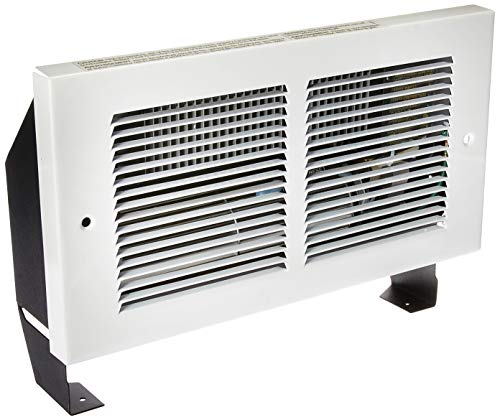
Match your room size and 240V circuit to the right fan heater or baseboard. Check thermostat wiring and rough-in can dimensions to avoid drywall repairs.
For downhill skiing, your elbow should bend close to a right angle when you hold the pole below its basket. Check the fit at home and adjust if needed.
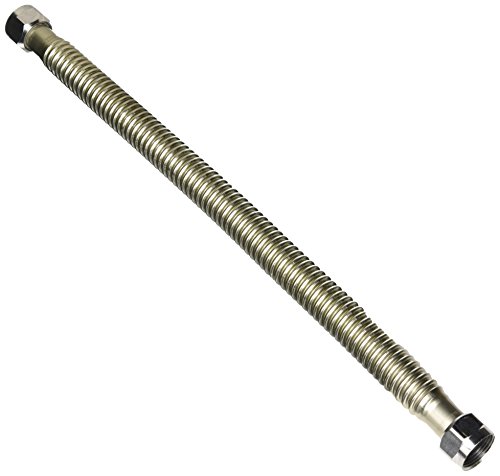
Prevent water heater leaks and galvanic corrosion with flexible stainless lines. Match 3/4-inch FIP or PEX connections and proper spans for a kink-free seal.
Turn a ski pole upside down, hold it below the basket with the handle on the floor, and check for a near-right-angle elbow. Downhill and cross-country poles differ.
Keep your boat cabin dry and warm without flattening house batteries overnight. Balance low 12V amp draw with safe through-hull venting and dependable heat.
Winter in Mexico runs from late December to late March. Beaches stay warm, but high-altitude inland cities bring chilly nights that require extra layers.
A ski pole basket may screw on or pull off, depending on the pole. Learn how to identify the fit, remove it gently, and know when to stop before causing damage.
Step into draft-free warmth after your shower. Match joist depth and circuit amps to pick a quiet heater and light combo that won't trip bathroom breakers.
A slight, smooth bend in an aluminum ski pole may ease back by hand. Learn what to check first, what not to force, and when a damaged pole needs replacing.
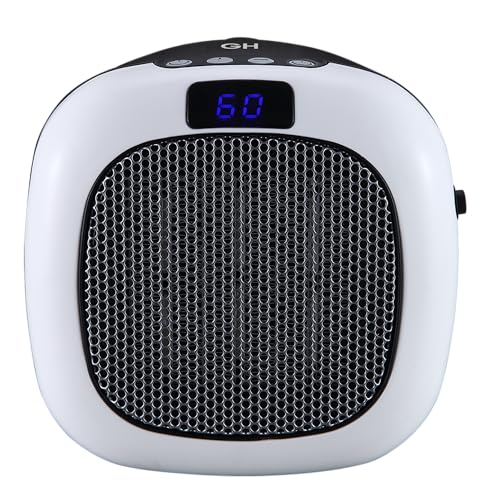
Warm chilly bathrooms or offices without cord clutter or blown breakers. Match slim wall panels and direct-plug heaters to your wall clearance and outlets.