
Best ski bag under 50 in 2026, smart slope pick

Best ski bag under 50 shopping gets tricky fast because cheap ski bags can look fine online, then feel flimsy once sharp edges, wet bindings, and awkward parking-lot carries enter the picture. A decent budget bag should do more than hide skis in fabric. It should keep edges from scraping the car, stop poles from rattling around, and make the walk from garage to lodge a little less annoying. That sounds simple, but plenty of bargain bags miss the mark.
Padding matters, especially around tips, tails, and bindings, though full travel-level protection usually costs more than this price range allows. So the smarter move is setting realistic expectations. A bag under 50 works best for local ski days, seasonal storage, short road trips, and keeping slush off seats. Air travel, rough baggage handling, and two-pair packing usually call for a sturdier, pricier setup.
Water-resistant fabric deserves attention because melted snow has a sneaky way of soaking through thin material. A coated polyester shell helps contain damp gear after a long day, but it won’t act like a hard case. Also, zippers matter more than they get credit for. A long zipper makes loading skis easier, while tiny weak pulls can turn cold fingers into a whole little drama.
Length is another detail that can make or break the purchase. A bag that’s too short forces the tips against the seams, and that’s asking for early wear. A bag that’s too long can sag, twist, and feel clumsy in tight hallways. Adjustable roll-top designs or compression straps help, but even a basic sleeve can work well if the ski length matches closely.
Carry comfort should stay near the top of the list because skis are awkward, not just heavy. A padded shoulder strap helps during longer walks, while two sturdy handles are enough for quick garage-to-car movement. Wheels rarely appear in this budget, and if they do, corners were probably cut somewhere else. For under 50, stronger stitching beats flashy extras every time.
Storage value also counts. A ski bag protects gear during the off-season from dust, scratches, and those random garage bumps that somehow always find the edges. Still, stuffing boots, helmets, gloves, and jackets into a slim bag usually turns it into a lumpy headache. Better to treat it as ski-and-pole storage unless the listing clearly shows room for extras.
Budget ski gear always involves tradeoffs, and that’s not a bad thing. Paying less can make sense when the goal is simple protection, not airline-proof armor. The sweet spot is a bag with reinforced ends, practical fabric, smooth zipper access, and no goofy promises. Skip the hype, check the measurements, and choose the design that matches how the skis actually move from home to snow.

- BWP Score8.0
BWP Score is a ranking system developed by Bestwinterproducts.com. BWP score has no relationship or impact from any manufacturers or sales agent websites. Learn more
- BrandAmazon Basics
- Prime
- BWP Score9.0
BWP Score is a ranking system developed by Bestwinterproducts.com. BWP score has no relationship or impact from any manufacturers or sales agent websites. Learn more
- BrandHigh Sierra
- Prime

- BWP Score-
BWP Score is a ranking system developed by Bestwinterproducts.com. BWP score has no relationship or impact from any manufacturers or sales agent websites. Learn more
- BrandDSLEAF
- Prime
- BWP Score9.4
BWP Score is a ranking system developed by Bestwinterproducts.com. BWP score has no relationship or impact from any manufacturers or sales agent websites. Learn more
- BrandAthletico
- Prime
- BWP Score9.2
BWP Score is a ranking system developed by Bestwinterproducts.com. BWP score has no relationship or impact from any manufacturers or sales agent websites. Learn more
- BrandAthletico
- Prime

- BWP Score8.8
BWP Score is a ranking system developed by Bestwinterproducts.com. BWP score has no relationship or impact from any manufacturers or sales agent websites. Learn more
- BrandAthletico
- Prime
- BWP Score8.6
BWP Score is a ranking system developed by Bestwinterproducts.com. BWP score has no relationship or impact from any manufacturers or sales agent websites. Learn more
- BrandPENGDA
- Prime
Last update on 2023-05-05 / Affiliate links / Images, Product Titles, and Product Highlights from Amazon Product Advertising API
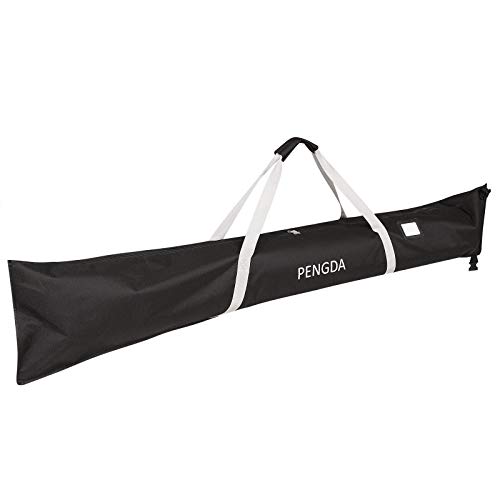
Amazon Basics Single Padded Ski Bag Review
Dragging wet skis through a parking lot after a long day on the mountain gets old fast, especially once sharp edges start scratching the trunk and melting snow soaks everything nearby. Cheap ski bags often feel like glorified fabric sleeves, but the Amazon Basics Single Padded Ski Bag tries to solve that headache without blowing the budget. Built for skiers who just want reliable storage and cleaner travel days, this bag leans into practicality instead of flashy extras. That simple approach actually works in its favor more often than not.
Amazon Basics Ski Bag
Best ski bag under 50 conversations usually circle around compromise. Either the bag feels thin and flimsy, or the price suddenly jumps into airline-grade territory. This one lands somewhere in the middle. The fully padded interior gives skis a decent layer of protection during road trips, seasonal storage, or crowded lodge loading zones where gear constantly bumps into benches, doors, and concrete walls.
1680D polyester makes a noticeable difference once the bag gets tossed into the back of an SUV beside boots, poles, and half-frozen jackets. Thinner fabrics tend to sag or wear down near the tips after repeated use, but this material feels tougher than expected at the price. The waterproof backing also helps keep melting snow from leaking through immediately, which matters more than people realize after a few long drives home.
End-to-end padding gives the bag a more structured feel compared to ultra-budget options that only protect the middle section. Ski bindings create pressure points inside any soft bag, so extra cushioning reduces that awkward clanking during transport. Cross-country skis and downhill setups both fit inside as long as the length stays under 170 cm. For shorter recreational skis, the fit feels comfortable without too much empty fabric bunching around.
Self-repairing zipper construction sounds like marketing fluff at first, yet zipper quality genuinely separates usable ski bags from frustrating ones. Cold hands and frozen gear expose weak zippers quickly. This one slides more smoothly than expected, even after repeated loading with damp gloves still on. Little details like that save patience during early morning trips.
Real Storage And Travel Experience
Storage flexibility stays pretty straightforward here. The bag is mainly designed for one pair of skis, not a full gear-hauling setup stuffed with helmets, heavy outerwear, and oversized boots. Trying to overload it creates an awkward sausage-shaped carry that becomes annoying in narrow hallways or crowded ski lodge entrances. Keeping expectations realistic helps this bag feel far more useful.
Top carry handles deserve more credit than flashy branding ever will. The padded grip reduces hand strain while carrying skis from parking lots to hotel rooms, especially during icy conditions where juggling poles and bags already feels clumsy enough. Some cheaper bags skip padding completely, leaving rough straps digging into fingers halfway through the walk. This one avoids that irritation.
Road-trip usage suits the design best. Weekend mountain drives, seasonal storage in the garage, and quick transport between apartments all fit naturally into what this ski bag does well. Airline travel introduces more risk since baggage handlers don't exactly treat soft ski bags gently. The padding helps with bumps and knocks, but it still isn't a hard-shell case pretending to survive rough airport abuse.
Compact storage becomes another quiet advantage after ski season ends. Bulky hard cases eat up closet space year-round, while this soft bag folds down fairly easily once empty. Apartment dwellers or anyone already battling crowded storage rooms will appreciate that little convenience more than expected. Gear organization feels cleaner too, especially during muddy late-season conditions.
Strengths That Actually Matter
Affordable protection stands out as the main reason this bag keeps showing up in budget ski gear discussions. Plenty of people don't need oversized travel systems or premium wheeled bags with thick armor-like construction. They just need something that prevents edge scratches, keeps moisture contained, and carries comfortably from point A to point B. This bag handles those basics surprisingly well.
Padding balance feels smart rather than excessive. Thick enough to soften impacts during normal transport, but not so bulky that the bag becomes awkwardly heavy before the skis even go inside. That middle ground matters for shorter walks through snowy parking lots or stair-heavy condo setups where every extra pound starts feeling unnecessary.
Waterproof backing helps reduce one of the most annoying ski-day problems: trapped slush soaking into vehicles and storage spaces. Snow always melts faster than expected once the heater kicks on during the drive home. The interior still gets damp eventually because skis carry moisture naturally, but the outer layer slows that mess down enough to make cleanup easier later.
Minimalist design also keeps things refreshingly uncomplicated. No strange compartments. No dangling straps everywhere. No overbuilt styling trying to look tactical. That simplicity makes loading faster and reduces random snagging issues while moving through packed ski lodges or narrow gear rooms.
Drawbacks Worth Knowing
Single-pair capacity limits versatility for families or skiers carrying multiple setups. People hoping to squeeze in boots, helmets, and layers alongside skis may end up disappointed once the bag starts bulging awkwardly. The narrow dimensions keep it manageable, but they also keep storage fairly strict.
No shoulder strap feels like the biggest missed opportunity here. Carrying skis entirely by hand works for short distances, though longer walks through airports or large resort parking areas become tiring quickly. A removable shoulder strap would've added flexibility without drastically increasing the cost.
Soft-shell structure means sharp impacts can still transfer through the padding under rough handling. Tossing the bag onto metal roof racks or stacking heavy luggage directly on top probably isn't the smartest move. The bag protects against everyday bumps and routine transport abuse, not serious crushing pressure.
Length limitations may also matter depending on ski setup. Skis longer than 170 cm won't fit comfortably, and forcing them inside strains both seams and zipper alignment over time. Measuring carefully before buying saves a lot of frustration later. Ski bags always sound universal online until the actual dimensions become a problem in real life.
Daily Practicality And Long-Term Use
Garage storage turns out to be one of this bag’s strongest real-world uses. Dust, accidental scratches, and moisture exposure slowly wear down ski equipment during the off-season. Keeping everything zipped inside one padded sleeve helps maintain cleaner gear without taking over valuable shelf space. That matters during humid spring months where random dampness tends to linger.
Cross-country compatibility gives the bag broader usefulness than downhill-only designs. Lightweight Nordic setups fit comfortably, and the softer structure doesn't feel overly bulky for slimmer ski profiles. People switching between different winter activities throughout the season may appreciate that flexibility.
Budget ski gear usually forces tradeoffs somewhere, but this product avoids the most frustrating shortcuts. Stitching feels reasonably sturdy, zipper action stays smooth, and the fabric doesn't immediately scream disposable. Sure, it lacks luxury features, but that honestly fits the purpose better than fake premium styling.
One example worth noting is best lip balm for oxygen users, since dry mountain air and cold-weather exposure tend to create their own set of annoying ski-trip problems outside of gear transport alone.
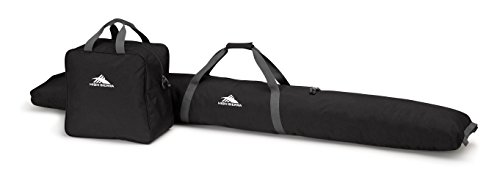
High Sierra Ski Bag & Boot Bag Combo Review
Cold parking lots, wet gloves, loose poles sliding across the trunk, somebody yelling that they forgot their boots again, yeah, ski mornings can turn messy in a hurry. The High Sierra Ski Bag & Boot Bag Combo tries to simplify at least one part of that routine without draining the lift-ticket budget. Instead of selling flashy extras nobody really uses, this combo focuses on basic winter hauling that actually matters during weekend trips. That practical angle gives it a stronger identity than a lot of cheap ski bags floating around online.
High Sierra Ski Bag Combo
Best ski bag under 50 options usually force people into annoying compromises. Either the ski bag feels decent but the boot storage is useless, or the whole thing looks like thin camping fabric stitched together in a hurry. This combo lands in a more balanced spot. Having both a ski bag and a dedicated boot bag immediately makes gear organization less chaotic during early morning loading.
200 cm ski capacity gives this bag more flexibility than many compact budget sleeves. Longer skis fit without stressing the zipper line or bending awkwardly near the tips. Shorter skis work too because one end folds inward to tighten the fit. That fold-over setup sounds simple, though honestly, it solves one of the most irritating problems with oversized ski bags flopping around during transport.
Water-resistant fabric helps during slushy conditions where melting snow sneaks into every corner of the car. The material won’t perform like a waterproof expedition duffel, but it handles normal winter moisture reasonably well. Damp skis and snowy boots create enough mess already. Anything that keeps moisture contained deserves a little credit.
Self-repairing nylon zippers also improve the overall experience more than expected. Cheap winter gear often fails at the zipper first, especially in freezing temperatures when stiff fabric fights every movement. This one stays smoother than many bargain ski bags, even after repeated stuffing, dragging, and rushed packing sessions.
How The Combo Works On Real Trips
Separate boot storage changes the feel of travel immediately. Tossing wet boots into random tote bags or grocery sacks gets old fast, especially after snow starts melting everywhere. The included boot bag keeps that mess isolated while making the rest of the equipment easier to organize. Small detail, big difference.
Boot capacity handles ski boots up to size 13, which covers most setups comfortably. Bulky alpine boots fit better than expected without the zipper looking ready to burst apart. Heavier boots still add weight quickly, though, so carrying the bag over longer distances can feel tiring after a while. The combo focuses more on convenience than ergonomic carrying comfort.
Weekend ski travel feels like the sweet spot here. Road trips to nearby resorts, shared condo stays, and quick overnight mountain runs all match this combo naturally. Airline travel introduces a different level of abuse, and that’s where limitations start showing. Soft-sided bags can only absorb so much punishment before bindings and sharp ski edges become a concern.
Storage simplicity deserves attention too. Keeping skis and boots together in matching bags sounds minor until gear starts disappearing around garages, hallways, or cluttered mudrooms. Winter equipment has a weird talent for scattering itself across the house during ski season. This combo cuts down on that nonsense.
Strengths That Stand Out Fast
Value for money sits right at the center of why this combo keeps popping up in discussions around affordable ski gear. Buying separate ski and boot bags often pushes the price well beyond entry-level budgets. Getting both together creates practical value for people who mainly need dependable transport rather than fancy travel systems.
Flexible ski sizing makes the ski bag surprisingly adaptable. Longer downhill skis fit comfortably, while shorter setups avoid that annoying loose empty space thanks to the fold-over end. Some cheap ski bags feel oversized no matter what goes inside them. This one handles size variation more intelligently.
Durable fabric construction holds up reasonably well against the rough handling winter gear naturally deals with. Parking lot asphalt, wet concrete floors, roof racks, and sharp binding edges all test fabric strength over time. The material here feels sturdy enough for repeated seasonal use without feeling overly stiff or bulky.
Budget-conscious skiers will probably appreciate the no-nonsense design philosophy. No flashy compartments pretending to be tactical gear organizers. No oversized branding screaming across every panel. Just straightforward bags designed to carry winter equipment without adding unnecessary complexity.
Tradeoffs And Frustrations
Padding limitations become noticeable once heavier transport enters the picture. The ski bag protects against ordinary bumps, sliding gear, and mild knocks, but it doesn’t provide thick armor-level cushioning. Rough baggage handling at airports could still put pressure on bindings and edges. Expectations matter here.
No wheels means carrying everything stays fully manual. Short walks from the car to the lodge feel manageable, though larger resorts with distant parking areas can turn gear hauling into a shoulder workout pretty quickly. Ski boots alone add enough awkward weight without extra support systems.
Boot bag ventilation could honestly be better. Wet boots naturally trap moisture after long ski days, especially during warmer spring conditions. Without strong airflow, that damp smell tends to linger longer than anyone wants. Airing the boots out separately after trips helps avoid that stale locker-room situation.
Minimal internal organization keeps the design simple but also limits storage flexibility. Goggles, gloves, tuning gear, and smaller accessories still need another bag or backpack nearby. Trying to cram every winter item into these bags creates clutter fast. The combo works best when focused mainly on skis and boots.
Daily Use And Long-Term Practicality
Garage storage becomes easier with a combo setup like this because winter gear stays grouped together instead of scattered across shelves and corners. Dust buildup, accidental scratches, and moisture exposure all become easier to manage once skis and boots have dedicated storage spaces. That organization matters more after ski season ends and everything gets shoved into cramped closets.
Casual ski routines fit this setup far better than hardcore travel schedules. People chasing dozens of flights every winter may eventually want thicker padding, rolling systems, or reinforced travel bags. This combo feels more at home with road trips, cabin weekends, local mountains, and occasional snow vacations where gear handling stays relatively controlled.
Everyday convenience quietly becomes the strongest selling point over time. The ability to grab one ski bag and one matching boot bag without hunting around for missing gear reduces a surprising amount of stress before trips. Winter mornings already start early enough. Simplifying the loading process helps more than flashy premium features ever could.
In real-world usage, best waterproof shoes for car wash discussions overlap with winter gear routines too, especially during wet parking lot conditions where slush, melted snow, and freezing puddles turn ordinary footwear into a miserable choice pretty quickly.
DSLEAF Ski And Snowboard Bag Review
Airport floors, icy driveways, crowded condo hallways, and gear that never seems to stay where it belongs can make winter travel feel like a small logistics job. The DSLEAF Ski And Snowboard Bag steps into that mess with a larger, more organized design than the usual thin sleeve people grab at the last minute. For the best ski bag under 50 category, it brings a slightly different personality because it can handle either one snowboard or a pair of skis while still leaving room for poles and smaller snow-day essentials. That mix of storage and portability makes it feel less like a basic cover and more like a practical gear hauler for short trips, car travel, and careful air travel.
DSLEAF Ski And Snowboard Bag
DSLEAF Ski And Snowboard Bag has a broader layout than many budget ski bags, and that matters right away. The main compartment holds one snowboard up to 165 cm or a pair of skis up to 175 cm, which gives it room for common recreational setups without turning into a huge rolling case. The other side has space for two sets of poles, so gear doesn't have to rattle around loose in the trunk. Small thing, big relief.
Capacity is the biggest personality trait here. Three external zippered pockets add space for gloves, goggles, scarves, snow pants, and other cold-weather pieces that always seem to vanish right before leaving. That doesn't mean the bag should be packed like a moving box, though. Overstuffing any soft-sided ski bag can strain zippers and make the carry feel clumsy, especially with damp gear inside.
Water-resistant main space gives the bag a more useful travel feel during snowy days. Wet skis and boards can turn a car interior into a slushy little swamp if they aren't contained properly. This design helps keep moisture from spreading as quickly, though it shouldn't be confused with a sealed waterproof dry bag. Melted snow still needs to be dealt with after the trip, not ignored until next weekend.
Adjustable buckles inside and outside the bag are a smart touch because gear movement is one of the quiet problems with soft travel bags. A board or ski pair sliding around inside the fabric can rub against seams, press into zippers, or make the bag feel lopsided while carrying. The double-buckle setup helps hold equipment snugly instead of letting it shift every time the bag gets lifted. That extra control feels useful during both car loading and airport handling.
Storage Layout And Packing Feel
External zippered pockets make this bag more convenient than a plain ski sleeve. Gloves, goggles, and small layers can stay in one place instead of being buried under jackets or shoved into random backpack corners. The pockets also help separate softer gear from sharp ski edges and bindings. That separation matters more than it sounds once everything is wet, cold, and slightly annoying.
Goggle storage still needs common sense. A zippered pocket adds convenience, but goggles can scratch or bend if they’re packed beside hard items or crushed under boots. Soft cases or careful placement still matter. The DSLEAF bag gives the space, but smart packing does the real protecting.
Snow pants and scarves fit better than bulkier items like boots or helmets. The product description points toward snow essentials, not full locker-room storage. That distinction keeps expectations realistic. A bag this shape is better at organizing flat and flexible items than swallowing bulky gear with hard shells and awkward shapes.
One-place packing is the real appeal. Instead of carrying skis in one hand, poles in another, and accessories in a half-zipped tote, this bag creates a cleaner system. That matters before sunrise, when cold fingers and rushed loading make every extra loose item feel like a personal insult. Less scattered gear means fewer small frustrations before the first run.
Material Strength And Travel Protection
Heavy-duty materials and double stitching give the DSLEAF bag a more confident feel than thin bargain sleeves. Ski and snowboard edges can be rough on fabric, especially near tips, tails, and binding zones. Double stitching helps reinforce the areas most likely to deal with pulling and pressure. Still, soft bags depend heavily on careful handling, especially during flights.
Tear-resistant construction sounds useful because winter gear doesn't live a gentle life. Bags get dragged across garage floors, leaned against icy walls, squeezed into vehicles, and nudged around lodge entrances. The stronger fabric helps with routine abuse, but it isn't a hard case. Heavy luggage stacked on top could still create pressure points against bindings or board edges.
Air travel suitability needs a grounded reading. The product is described as suitable for air travel, and the shape, buckles, pockets, and ID window all support that purpose. Even so, airlines can be rough with soft-sided sports bags. For flights, extra padding around bindings and edges would be a wise habit, even if the bag itself already provides structure and containment.
Car trips feel like the more natural environment for this bag. The lightweight design, large main compartment, and accessory pockets match the rhythm of loading gear into an SUV, hatchback, or roof box setup. It keeps snow equipment contained without forcing a bulky travel case into limited cargo space. For weekend mountain runs, that balance makes sense.
Zippers, Handles, And Small Details
Oversized dual zippers are a very welcome feature because tiny zippers and winter gloves are a terrible pairing. Larger zipper pulls make opening and closing easier when hands are cold or damp. The dual-zipper setup also helps when loading longer gear because the opening can be adjusted more easily. Nobody wants to wrestle a board into a narrow mouth while standing in slush.
Padded handle comfort helps during short carries from the car to the room, garage, or lodge entrance. Long walks will still feel like work because skis and boards are awkward by nature. The handle softens the grip pressure but doesn't remove the weight or length problem. That’s just the honest tradeoff with a lightweight soft bag.
ID card window adds a practical travel detail that budget bags often skip. Shared shuttles, airport baggage areas, and resort storage rooms all create moments where similar black gear bags blend together. A visible ID spot helps reduce confusion without needing extra tags swinging from the zipper. Simple, tidy, and useful.
Lightweight portability keeps the bag from feeling overbuilt. That matters because snow gear already carries enough bulk before the bag adds anything. The tradeoff is that lightweight soft construction can’t offer the same crush resistance as rigid cases. For careful travel and organized storage, though, the lighter build feels easier to live with.
Best-Fit Situations And Limits
Best ski bag under 50 expectations should stay practical with this DSLEAF model. The bag offers more organization than many low-cost options, especially because of the three external pockets and pole storage. It suits ski days where gear needs to stay grouped and protected from normal bumps. It does not magically turn soft-sided luggage into hard-shell armor.
Snowboard compatibility gives the bag broader use than ski-only sleeves. A single snowboard up to 165 cm fits in the main compartment, making it handy for mixed winter households where one person skis and another rides. That flexibility can prevent the need for two totally separate bags. Still, switching between skis and a board means checking dimensions carefully every time.
Skis up to 175 cm fit, but longer skis are outside the listed range. Forcing longer equipment into the bag would stress seams, corners, and zippers. Ski length sounds like a boring detail until the bag arrives and the tips won't settle properly. Measuring first saves a lot of muttering later.
Boot storage is not the main strength here. The pockets are better suited for gloves, goggles, scarves, and snow pants than stiff alpine boots. Trying to cram boots into the bag could create bulges and uneven weight. A separate boot bag would still make more sense for full winter travel setups.
Pros And Cons In Real Use
Pros start with storage efficiency. The main compartment, pole area, and three outer pockets create a tidy setup for trips where scattered gear causes headaches. The adjustable internal and external buckles also help keep skis or a snowboard from sliding around inside. That controlled fit gives the bag a more thoughtful feel than a simple fabric sleeve.
Water resistance is another practical strength. Snowy boards, wet skis, and damp layers are part of the sport, not rare accidents. The water-resistant main space helps contain the mess during normal transport. It’s especially handy after spring skiing, when everything seems to melt the second it touches the car.
Cons show up around protection expectations. The bag uses heavy-duty materials and double stitching, but it remains a soft travel bag. Rough airline handling, sharp impacts, or heavy stacking can still create risk for expensive gear. Extra padding around bindings and edges would be sensible for flights.
Carry comfort has limits too. The padded handle helps, but long walks with a loaded ski or snowboard bag can still feel awkward. No wheel system is mentioned, so all movement depends on carrying. From a practical angle, a related home project reference appears in how to remove stone fireplace, which sits separately from winter travel gear but shares the same hands-on, planning-first mindset.
Practical Packing Notes
Balanced loading makes this bag easier to manage. Skis or the snowboard should sit snugly in the main area, with poles secured on the opposite side rather than left loose. Softer items can fill the external pockets without creating hard lumps. Packed carefully, the bag feels organized instead of overworked.
Gloves and scarves belong in the pockets before heavier clothing does. Small accessories disappear easily during ski trips, and dedicated pockets reduce that last-minute scramble. Goggles need a little more caution because lenses scratch easily. A soft pouch inside the zippered pocket would be a smart extra layer.
After-trip care matters because water-resistant fabric still benefits from drying. Leaving wet gear sealed inside can trap moisture and odors. Opening the zippers at home and letting everything breathe helps the bag last longer. It’s not glamorous, but winter gear rewards boring maintenance.
Realistic expectations make the DSLEAF bag easier to appreciate. It offers strong organization, useful pockets, adjustable security, and broader ski-or-board compatibility at a budget-friendly level. It’s best treated as a capable travel cover for planned trips, not a bombproof case for careless baggage handling. Used that way, the design feels practical, roomy, and refreshingly sensible.
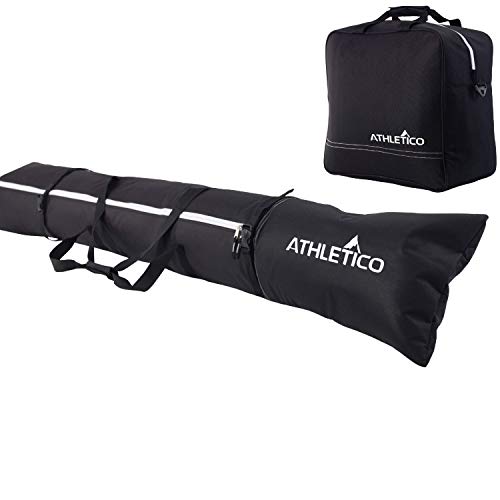
Athletico Padded Ski Bag Combo Review
Wet boots in one hand, skis knocking against the car door, gloves stuffed somewhere they absolutely shouldn't be, ski travel has a funny way of turning simple packing into a circus. The Athletico Padded Ski Bag Combo aims to calm that mess down with two separate padded bags instead of one overstuffed sleeve pretending to handle everything. For the best ski bag under 50 category, this setup stands out because it covers both skis and boots while still keeping the design fairly simple. It feels built for people who care less about fancy travel branding and more about getting gear from home to snow without scratches, slush, and loose equipment chaos.
Athletico Padded Ski Bag Combo
Athletico Padded Ski Bag Combo keeps the idea refreshingly direct. The package includes a padded ski sleeve and a separate padded boot bag, which immediately solves a common winter packing headache. Boots are bulky, damp, and awkward, so separating them from skis makes the whole setup feel cleaner. That’s especially useful after a long day when everything is wet and nobody feels like playing gear Tetris in the trunk.
5 millimeter foam padding appears throughout both bags, according to the provided product details. That matters because some budget ski bags only pad certain sections or rely on thin fabric around high-pressure areas. Skis can still take bumps during travel, but padding across the bag gives edges, bindings, and poles a better buffer against everyday knocks. For local trips and careful car travel, that level of protection feels sensible.
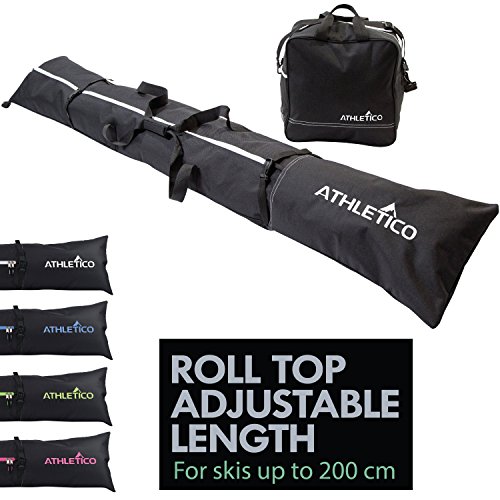
Skis up to 200 cm fit inside the padded ski sleeve, which gives this combo more range than shorter budget bags. Longer skis can be annoying to pack because many affordable sleeves cap out too early. This one gives extra breathing room for standard adult ski lengths, while the roll-top design helps shorten the bag for smaller skis. That adjustment keeps excess material from flopping around like a loose tail.
Boots up to size 13 fit in the separate boot bag, and that’s a practical win. Ski boots are stiff, heavy, and weirdly shaped, so trying to cram them into a general duffel rarely feels clean. A dedicated boot bag keeps them contained and easier to carry. It also helps prevent wet boot shells from soaking gloves, hats, or layers packed nearby.
Protection That Feels Practical
Padded protection is the main feature that gives this combo its identity. The 5 millimeter foam won’t turn the bags into hard cases, but it adds a useful cushion for normal handling. Ski edges, bindings, boot buckles, and poles all create pressure points during transport. A soft padded layer reduces the rubbing and clanking that happen when gear shifts around in a car or storage room.
Travel protection should be judged with realistic expectations. This combo can help protect gear during road trips, hotel stays, condo storage, and routine seasonal hauling. Rough airline handling is a different story, because soft bags still flex and compress under heavy luggage. Extra padding around bindings or ski tips would still be smart for flights, even with foam already built into the bag.
Boot bag padding deserves its own mention because boots often get treated like indestructible chunks of plastic. Sure, they’re tough, but buckles can scratch nearby items, liners can hold moisture, and shells can bang into car interiors. A padded boot bag keeps that bulk under control. It also makes storage feel less like a pile of winter gear thrown into a corner.
Gear separation improves the whole packing rhythm. Skis stay in their own sleeve, boots stay in their own bag, and smaller items can fit where space allows. That keeps dirty boot soles away from ski bases and stops sharp edges from fighting with soft gear. Simple separation, honestly, solves a lot of the small annoyances that build up during ski season.
Fit, Size, And Packing Space
200 cm ski capacity gives the ski bag room for most standard setups. Long recreational skis, many adult downhill skis, and plenty of common resort gear should fit within that stated limit. The bag also has enough room for smaller accessories like a cap, pants, gloves, or goggles, based on the provided description. Still, stuffing too much inside can make any sleeve harder to close and less comfortable to carry.
Roll-top adjustment is one of the smarter design choices here. A long ski bag can become annoying if shorter skis leave too much empty fabric at the end. The roll-top design helps reduce length, which keeps the bag neater and less floppy. That’s the kind of low-drama feature that feels minor until it saves frustration in a packed car.
Roomy storage sounds appealing, but restraint matters. Gloves and goggles can fit inside, but fragile lenses need careful placement so they don’t get pressed against bindings or poles. Snow pants can add useful padding if packed thoughtfully. Boots, however, belong in the boot bag, not forced into the ski sleeve like a bad idea with a zipper.
Boot capacity up to size 13 covers a wide range of ski boot sizes. Larger boots may still feel snug depending on shell shape, buckles, and how the bag is packed. Ski boots are never graceful luggage. The separate bag at least gives them a dedicated place instead of letting them stomp all over the rest of the gear.
Carrying Comfort And Handling
Carrying handle and detachable shoulder straps make this combo easier to manage than plain hand-carry sleeves. Skis are long and awkward, so having more than one carry option matters. A shoulder strap can help during longer walks from parking lots, while the handle works better for quick lifts into a car. That flexibility is useful during real ski mornings, not just in product photos.
Detachable straps also reduce clutter when they aren’t needed. Loose straps can catch on roof racks, car doors, benches, or other luggage. Being able to remove them keeps the bag cleaner during storage or short transport. It’s a small convenience, but winter gear is full of little snags, literally and figuratively.
Weight distribution still depends on how the bags are packed. A ski sleeve loaded with skis, poles, pants, gloves, and goggles can become awkward if everything shifts to one side. The boot bag can also feel heavy fast because ski boots carry dense weight. Packing soft items around harder gear helps the bags feel less lopsided.
Parking lot practicality is where this combo feels most natural. Walking from the car to the lodge with skis in one padded bag and boots in another feels more organized than juggling loose gear. Snow, ice, and narrow walkways already make movement annoying enough. A cleaner carry setup takes some of that sting away.
Everyday Strengths And Tradeoffs
Best ski bag under 50 shoppers usually care about value, but value doesn’t mean pretending every budget product is flawless. The Athletico combo’s biggest strength is that it gives both ski and boot storage in one package. The padding throughout both bags adds reassurance for normal use. The roll-top ski sleeve also makes it more adaptable than fixed-length bags.
Separate boot storage feels like the feature people will appreciate after a few trips. Boots collect snow, grit, and moisture, then somehow spread that mess everywhere. Keeping them in their own padded bag makes car cleanup easier and helps protect softer items from buckles and damp liners. It’s not glamorous, but it’s practical in the best way.
Soft-bag limitations still deserve honesty. Foam padding helps against bumps, but it won’t protect skis the way a hard travel case would. Heavy impacts, careless baggage handling, or rough stacking can still put pressure on gear. Anyone flying often with expensive skis may want extra layers or a tougher travel system.
Accessory packing can be helpful, but it has limits. The ski sleeve can hold smaller soft items, yet it’s not a full gear locker. Helmets, bulky jackets, and hard accessories may be better packed separately. Overloading the ski sleeve could stress the zipper area and make carrying more annoying than it needs to be.
Best Uses And Practical Notes
Road trips are the strongest match for this combo. The ski bag protects edges from scratching the vehicle, while the boot bag keeps wet footwear from rolling around loose. Condo weekends, lodge stays, and local resort days all fit the product’s design well. The whole setup feels made for organized transport rather than rough expedition travel.
Seasonal storage is another underrated use. Skis and boots left exposed in garages can collect dust, get bumped by tools, or sit against damp floors. Padded bags help keep the gear grouped together and easier to move when winter returns. That kind of organization matters once a garage starts filling with bikes, holiday bins, and everything else nobody wants inside the house.
Athletico’s satisfaction guarantee is included in the provided details, and it adds a little peace of mind around the purchase. The promise says the brand will make it right if the purchase doesn’t satisfy for any reason. That shouldn’t be stretched into a claim about long-term durability, but it does show the product is backed by more than just a spec sheet. Practical buyers tend to notice that.
Cold-weather care still matters after each trip. Wet skis and damp boots shouldn’t stay sealed inside the bags for days. Opening both bags at home and letting gear dry helps reduce odors, trapped moisture, and fabric wear. In some cases, winter dryness brings its own small annoyances, and a related seasonal reference appears in best lip balm for winter without tying it directly to ski bag performance.
Pros And Cons In Plain Terms
Pros begin with the two-bag setup. A padded ski sleeve plus a padded boot bag creates better organization than a single basic sleeve. The 5 millimeter foam throughout both bags gives reasonable protection for routine transport. The ski sleeve’s 200 cm capacity also makes it useful for a wide range of standard ski lengths.
More positives show up in the carry design. Handles and detachable shoulder straps give different ways to move the gear depending on distance and load. The roll-top system helps shorter skis fit more neatly, which is a nice touch for shared households with different ski lengths. Room for gloves, goggles, pants, or a cap adds useful flexibility when packing light.
Cons mostly come from the realities of soft padded bags. They can reduce bumps and scratches, but they can’t prevent crushing under heavy pressure. Airline use may require extra padding, especially around bindings and tips. The combo also doesn’t replace a large winter gear duffel for helmets, jackets, base layers, and bulkier accessories.
Realistic expectations make this Athletico set easier to appreciate. It’s not trying to be a luxury rolling ski case, and that’s fine. It gives padded ski storage, separate boot storage, adjustable length, carry options, and enough accessory room for simple trips. For careful transport under a budget, those details line up nicely with what the product claims to offer.
Athletico Unpadded Ski Bag Combo Review
A ski trip can fall apart in small, irritating ways before anyone even touches snow: boots tipping over in the trunk, poles sliding under luggage, helmets buried under jackets, and skis scraping against whatever happens to be nearby. The Athletico Unpadded Ski Bag Combo takes a leaner route than padded travel sets, giving the best ski bag under 50 crowd a roomy, organized option built around storage, carry convenience, and basic protection rather than thick foam. It’s not trying to act like a hard case, and honestly, that matters. This combo makes the most sense for careful packing, road trips, lighter travel routines, and anyone who wants ski gear grouped together without paying for premium padding.
Athletico Unpadded Ski Bag Combo
Athletico Unpadded Ski Bag Combo includes two separate pieces: a ski travel bag and a boot bag. That split layout immediately gives it more practical value than a plain ski sleeve because boots are always the awkward troublemakers in winter packing. The ski bag fits skis up to 200 cm, while the boot bag handles ski boots up to US size 13. For a budget combo, that coverage feels useful across a wide range of common ski setups.
Unpadded construction is the detail that defines this product. Some buyers may see that as a drawback, while others may like the lighter, less bulky feel. Without foam padding, the bag folds and stores more easily, but it also asks for smarter packing around bindings, edges, and tips. Soft clothing can help add a little buffer, but the bag itself isn’t built to absorb heavy impact.
600D polyester material gives the combo a tougher outer shell than flimsy fabric sleeves. The material is described as strong and rugged, which suits regular ski trips where bags get dragged across floors, shoved into car trunks, or leaned against lodge walls. Still, fabric strength and impact protection are different things. Durable cloth can resist wear while still allowing pressure to reach the gear inside.
Black with white trim keeps the look simple and easy to spot without turning the bag into a loud travel accessory. The design feels straightforward rather than flashy. That suits the whole product pretty well. It’s a gear carrier, not a status piece.
Fit And Roll-Top Design
Roll-top technology is one of the smarter parts of this ski bag. The length adjusts from about 170 cm when rolled up to 200 cm unrolled, which helps the bag match different ski lengths more neatly. A fixed long sleeve can feel sloppy with shorter skis, flapping around during transport and taking extra room in the car. This design reins that in without needing complicated hardware.
Nordic and downhill skis both fit the stated purpose of this long sleeve. The bag can hold a single pair of skis and poles, giving it enough flexibility for different winter routines. Poles staying in the same bag as skis helps reduce that annoying loose-gear shuffle in the trunk. Even better, it keeps pole tips from poking into soft jackets or car upholstery.
External compression straps help secure the ski equipment so it doesn’t slide around inside the sleeve. That matters more with an unpadded bag because movement creates rubbing, pressure, and awkward weight shifts. Tightening gear down helps the bag feel less floppy during carrying. It also reduces the chance of skis knocking into each other while being moved.
Long-ski capacity is a clear strength, especially for taller skiers or cross-country setups that don’t fit shorter budget bags. Skis up to 200 cm give the bag room to handle more than just compact recreational lengths. The tradeoff is simple: longer capacity can become annoying if shorter skis aren’t rolled down properly. The roll-top feature helps, but it still needs a little attention during packing.
Boot Bag Storage And Carry Feel
Boot storage is where the combo starts to feel more complete. The separate boot bag fits most boots up to US size 13, and the provided details also mention room for a helmet, jacket, or goggles. That extra space can make a ski morning feel less scattered. Boots, helmet, and smaller gear living together in one bag is a lot cleaner than spreading everything across the back seat.
Side mesh tote pockets add helpful storage for smaller items that don’t need to disappear inside the main compartment. Gloves, socks, snacks, or small accessories can sit where they’re easier to grab. Mesh pockets also make sense for damp items because airflow is better than sealing everything into one closed pocket. Still, wet gear should be dried after the trip, not left sitting overnight.
Adjustable padded shoulder strap improves the boot bag’s real-world comfort. Ski boots are dense and awkward, so carrying them by a basic handle can get old fast. A shoulder strap spreads the load better during walks from the car to the lodge or hotel room. The reinforced handles add another carry option for quick lifts and loading.
Helmet and jacket space sounds convenient, but packing order matters. Boots should sit securely so their buckles and hard shells don’t crush goggles or softer accessories. A helmet can fit, yet it may reduce room for bulkier clothing. This bag offers flexibility, not unlimited capacity, and that difference matters once winter layers get involved.
Travel Use Without The Padding
Air travel is mentioned in the product positioning, but the unpadded build deserves a careful look. The bag can organize skis for flying, and the compression straps help hold equipment steady. Still, airports are rough places for soft sports gear. Extra clothing wrapped around bindings, tips, and tails would be a smart move for flights.
Road trips feel like the more natural home for this combo. In a car, the bags mainly need to contain gear, prevent scratches, and keep wet equipment from spreading everywhere. The unpadded ski sleeve is lighter and less bulky than foam-filled options, which helps in tight trunks or roof boxes. For careful handling, that lighter profile can be a plus.
Storage between trips also works well with this setup. The ski bag folds down more easily because there’s no padding adding stiffness. That’s useful in apartments, crowded garages, or seasonal closets where winter gear already eats too much space. The boot bag keeps boots, helmet, and smaller extras grouped together until the next trip.
Protection limits should stay front and center. The 600D polyester helps with abrasion and general wear, but it won’t cushion sharp impacts like foam. Skis can still feel pressure if the bag is dropped or stacked under heavier luggage. For expensive gear, adding your own padding is just plain sensible.
Strengths That Make Sense
Best ski bag under 50 value often comes down to what problem the product solves first. This combo solves organization better than impact protection. The ski bag handles long skis and poles, while the boot bag handles boots and extra gear. That two-bag layout makes packing cleaner and reduces the “where did I put that?” scramble.
Adjustable length gives the ski bag a clear advantage over fixed-size budget sleeves. Shorter skis don’t have to swim inside an oversized tube, and longer skis still have room when the roll-top is opened. That flexibility matters in households where gear sizes differ. A single bag can cover more setups without feeling totally mismatched.
Carry options are another practical strength. The boot bag includes a padded shoulder strap, side mesh pocket, and reinforced handles, while the ski bag uses compression straps to keep gear more controlled. Carrying ski equipment will never feel graceful, but better strap placement makes it less of a circus. That’s worth something on icy sidewalks.
Warranty support adds a little confidence without needing inflated claims. The product details mention a one-year manufacturer’s warranty and Athletico’s satisfaction guarantee. That doesn’t prove long-term durability, of course. It simply gives the product a clearer support promise than many anonymous budget gear bags.
Weak Spots And Honest Tradeoffs
No built-in padding is the obvious weakness. Anyone expecting cushioned ski protection may feel underwhelmed once they realize the bag is more of a rugged sleeve than a padded case. It can help keep gear together and reduce surface scratches, but it won’t soften hard knocks much. That’s the main tradeoff for the lighter build and lower bulk.
Goggle protection also needs caution. The boot bag may have room for goggles, but goggles shouldn’t be thrown loosely beside boots or a helmet. Lenses scratch easily, and frames can bend under pressure. A soft case or careful placement makes a big difference.
Overpacking risk shows up because the boot bag has extra room for gear. That sounds good until jacket, helmet, goggles, and accessories all compete for space around rigid boots. Packed too tightly, the bag becomes harder to carry and less friendly to delicate items. Better organization beats cramming every time.
Flight expectations need to stay realistic. The bag may be suitable for ski travel, but unpadded fabric alone is not enough protection for careless baggage handling. Wrapping skis in clothing or adding foam around bindings can help. Without that extra step, expensive gear has less protection than some travelers may assume.
Practical Packing Notes
Skis and poles should be secured with the external compression straps so they don’t shift inside the ski sleeve. That matters during both car rides and airport movement. Sliding equipment can rub against fabric and create uneven pressure. A snug fit makes the bag easier to carry too.
Soft layers can add useful padding inside the ski bag. Snow pants, base layers, or a spare jacket can sit around bindings and tips if there’s room. That little trick helps compensate for the unpadded design. Just avoid packing wet clothing against metal edges for long periods.
Boot bag organization works best with boots placed first, then helmet or clothing added around them. Smaller items can go in the side mesh pockets for quicker access. Goggles need their own case or soft wrap. From a neutral gear-planning angle, outdoor footwear durability also connects loosely with best mens gore tex walking shoes as a separate reference for wet-weather walking needs.
Drying routine matters after every ski day. Unzip the bags, pull out damp gear, and let airflow do its quiet job. Leaving wet boots and snow-covered skis sealed inside any fabric bag invites odor and moisture problems. Boring habit, good payoff.
Pros And Cons In Plain Terms
Pros start with the combo format. A ski bag plus a boot bag gives cleaner organization than a single sleeve, especially for winter trips where boots, poles, and accessories tend to scatter everywhere. The 200 cm ski capacity handles long setups, and the roll-top design shortens the bag for smaller skis. The 600D polyester fabric adds better abrasion resistance than thin, flimsy cloth.
More strengths show up in carry details. The boot bag includes an adjustable padded shoulder strap, reinforced handles, and side mesh pockets. External compression straps on the ski bag help lock equipment down. Those details don’t make the combo fancy, but they do make it easier to live with during ordinary ski travel.
Cons mostly center on the unpadded build. Skis won’t get the same cushioning they would inside a foam-padded sleeve or hard case. Airline travel may require extra protection around bindings, tips, and tails. The bag is better for organization and controlled transport than rough handling.
Best-fit use sits somewhere between casual ski storage and budget travel organization. It’s sensible for road trips, shared gear closets, local resorts, and occasional flights with added padding. It’s less suited for expensive skis traveling frequently through rough baggage systems. Used with that honest boundary, the Athletico combo feels practical, roomy, and easy to understand.

Best Warm Winter Scarves 2026 For Cozy Comfort

Best Green Ski Goggles 2026 For Clear Vision On Slopes
12 Best Corner Electric Fireplace 2026: My Ultimate Guide To Pick One

Best Battery Powered Snow Blower 2026 For Effortless Snow Clearing
Best Ski Goggles Under 30 Inches For Crisp Vision And Comfort

Best Cooling Scarf 2026 For Instant Relief And Comfort

Fake Snow for Grass: Create a Realistic Winter Lawn Display
Dimplex Prism Wall Mount Fireplace: Sleek Heat With Modern Flame Style





