
best ski goggle lens for night clarity

best ski goggle lens for night comes down to one plain truth: Dark lenses can make evening laps feel sketchy fast. A lens that looks sharp in bright sun may turn bumps, ruts, and icy patches into guesswork once the lights come on. Clear, yellow, rose, or light amber lenses usually make more sense because they let in more available light while adding just enough contrast to read the snow surface.
Night skiing visibility isn’t only about brightness, though. Resort lights can bounce off packed snow, fog can roll in without warning, and flat patches can hide little trenches that catch an edge. A good night lens should keep the view open without adding a heavy tint that makes shadows look deeper than they are. That’s the sweet spot, and yeah, it’s easy to miss if the lens was bought mainly for how it looks in daylight.
Clear lenses are the safe bet for darker hills, especially on runs with uneven lighting or tree-lined sections. They don’t add much color pop, but they preserve light better than tinted options. Yellow lenses can help shapes stand out a bit more, which feels handy on groomers with mixed glare and shadow. Rose lenses may feel warmer and more comfortable, though they can be a little too tinted on poorly lit trails.
VLT, or visible light transmission, matters more than flashy mirror coatings at night. A higher VLT lens allows more light through, so the slope doesn’t feel like it’s hiding under a gray blanket. Heavy mirrored lenses often look slick, but they can block too much light after dusk. So, the smarter move is choosing function over style, even if the plain lens doesn’t win beauty points in the lodge.
Fog control deserves attention too because night air often turns colder and damper. A lens with proper anti-fog coating, good venting, and a snug but not suffocating frame can keep the view cleaner during chairlift stops and slower runs. Still, no lens performs magic if it gets wiped with a rough glove or stored wet in a pocket. Treat it gently, let it dry, and it’ll return the favor when the hill gets murky.
The tradeoff is simple. Clear lenses give maximum brightness, yellow lenses add a little definition, and rose or amber lenses can feel easier on the eyes under harsh resort lights. The right pick depends on how bright the mountain lighting is and how much contrast the snow needs. For most night sessions, low-light ski goggle lenses with high VLT beat dark, mirrored, or polarized lenses by a mile. That choice keeps the ride calmer, cleaner, and less like playing hide-and-seek with the terrain.

- BWP Score9.8
BWP Score is a ranking system developed by Bestwinterproducts.com. BWP score has no relationship or impact from any manufacturers or sales agent websites. Learn more
- BrandSpy

- BWP Score9.4
BWP Score is a ranking system developed by Bestwinterproducts.com. BWP score has no relationship or impact from any manufacturers or sales agent websites. Learn more
- BrandAKASO
- BWP Score9.4
BWP Score is a ranking system developed by Bestwinterproducts.com. BWP score has no relationship or impact from any manufacturers or sales agent websites. Learn more
- BrandJULI Eyewear

- BWP Score9.2
BWP Score is a ranking system developed by Bestwinterproducts.com. BWP score has no relationship or impact from any manufacturers or sales agent websites. Learn more
- BrandOutdoorMaster

- BWP Score9.0
BWP Score is a ranking system developed by Bestwinterproducts.com. BWP score has no relationship or impact from any manufacturers or sales agent websites. Learn more
- BrandZeal Optics

- BWP Score9.0
BWP Score is a ranking system developed by Bestwinterproducts.com. BWP score has no relationship or impact from any manufacturers or sales agent websites. Learn more
- BrandCOPOZZ

- BWP Score9.0
BWP Score is a ranking system developed by Bestwinterproducts.com. BWP score has no relationship or impact from any manufacturers or sales agent websites. Learn more
- BrandOdoland
- BWP Score8.8
BWP Score is a ranking system developed by Bestwinterproducts.com. BWP score has no relationship or impact from any manufacturers or sales agent websites. Learn more
- BrandZeal Optics
- BWP Score8.8
BWP Score is a ranking system developed by Bestwinterproducts.com. BWP score has no relationship or impact from any manufacturers or sales agent websites. Learn more
- BrandExtremus

- BWP Score8.6
BWP Score is a ranking system developed by Bestwinterproducts.com. BWP score has no relationship or impact from any manufacturers or sales agent websites. Learn more
- BrandZeal Optics

- BWP Score7.6
BWP Score is a ranking system developed by Bestwinterproducts.com. BWP score has no relationship or impact from any manufacturers or sales agent websites. Learn more
- BrandZeal Optics
Last update on 2023-06-05 / Affiliate links / Images, Product Titles, and Product Highlights from Amazon Product Advertising API
best ski goggle lens for night
Flat light can ruin a night run faster than icy patches or crowded chairlifts. Shadows blur together, little bumps disappear, and suddenly every turn feels more cautious than fun. The SPY Optic Marauder Snow Goggle steps into that messy low-light situation with a setup that feels more practical than flashy, especially for riders dealing with dim resort lighting and changing snow texture. Its Happy Bronze with Silver Spectra Mirror Clear lenses balance visibility and contrast in a way that keeps the slope readable instead of washed out.
SPY Marauder
Night skiing visibility usually depends on contrast more than raw brightness, and that’s where these lenses quietly earn respect. Snow texture stays easier to pick apart under artificial lights, especially during late evening sessions when the terrain starts blending into one pale sheet. SPY’s HD+ lens technology adds a subtle color boost without making everything look overly tinted or weirdly warm. Some lenses push contrast so aggressively that snow starts looking fake, but this setup feels more natural.
The lens combination also handles mixed conditions better than expected. Bright lodge lights, reflective icy patches, and darker tree-lined runs create tricky transitions during night riding, yet the visual shift never feels jarring. That smoother transition matters because eye strain creeps up after a couple of hours under harsh resort lighting. A lot of riders overlook that detail until headaches or tired eyes show up halfway through the night.
Optical clarity stays consistent thanks to the injected dual-lens construction. Distortion near the edges stays surprisingly controlled, which helps during faster downhill sections where peripheral vision matters more than people think. Tight corners, snowboarders cutting across trails, or uneven snow piles become easier to react to because the view remains stable. Little details like that tend to separate decent goggles from pairs that end up forgotten in a gear bag.
One practical touch stands out right away. The included bonus clear lens makes the Marauder more flexible for changing weather instead of locking it into one lighting condition. Resorts can go from bright afternoon sun to foggy evening haze pretty quickly, so having that backup lens already included removes some hassle. It also helps stretch the value of the goggle without forcing extra accessory purchases immediately.
Fog Control During Cold Runs
Fogging drives people nuts because it rarely happens at convenient moments. It hits during lift rides, slow traverses, or crowded merge zones where airflow disappears. The RISE ventilation system tackles that problem with a vent layout that pulls warm air away from the lens rather than trapping it behind the frame. The airflow feels more balanced instead of blasting cold air straight into the eyes.
Cold weather and sweaty face foam usually create the perfect recipe for lens haze, especially after repeated runs. SPY uses triple-layer Isotron face foam with moisture-wicking fleece that actually helps manage that dampness before it becomes a visibility issue. The fleece feels soft without getting swampy halfway through the evening. That comfort becomes noticeable after several hours outside because stiff foam can start irritating pressure points around the nose and cheeks.
Anti-fog coatings often sound impressive on paper but struggle once conditions turn sloppy. This setup performs better in real resort situations where snow spray, temperature swings, and humid breath all collide at once. The dual-lens design creates enough insulation to reduce sudden condensation buildup, especially during stop-and-go riding. Still, wiping the inside lens with rough gloves will shorten the coating’s lifespan, so some care is still necessary.
Helmet compatibility also feels fairly dialed in. The frame sits close without awkward forehead gaps, which helps maintain airflow while keeping cold wind from sneaking inside. That tighter fit matters more during windy chairlift rides than many people realize. A small gap may seem harmless indoors, but freezing air slipping through all evening gets irritating fast.
Comfort That Lasts Beyond One Session
Heavy goggles become annoying quicker than expected. Neck fatigue creeps in, pressure points build around the temples, and constant adjustments interrupt the flow of a run. The Marauder frame keeps things relatively lightweight while still feeling solid enough for rough winter conditions. That balance helps longer night sessions feel less draining.
Face foam softness deserves credit too because stiff foam can create hot spots after an hour or two. The moisture-wicking fleece lining adds a softer touch without trapping sweat against the skin. Cold air mixed with damp foam usually becomes miserable fast, but the Marauder handles moisture better than many budget-oriented alternatives. That difference becomes obvious during repeated lift rides in freezing temperatures.
The goggle strap provides enough grip to stay steady on most helmets without constant repositioning. Tiny adjustments still happen occasionally, especially with bulkier helmet shells, but nothing feels loose or unstable. A bouncing goggle setup can become distracting during faster descents, particularly at night where concentration matters more. Stable fit equals fewer distractions.
Peripheral vision stays fairly open thanks to the frame shape. Riders scanning crowded slopes or weaving through uneven terrain benefit from that broader side visibility because sudden movement becomes easier to spot. Night conditions already reduce depth perception slightly, so maintaining wider awareness helps offset some of that limitation.
Lens Protection And Real Use Tradeoffs
Anti-scratch coating helps preserve visibility longer, though no ski lens stays flawless forever. Tossing goggles loose into a backpack alongside tools, keys, or frozen gloves still risks damage over time. The coating handles regular use well enough, but careful storage remains part of the equation. Snow gear takes a beating, and lenses usually show wear first.
UV protection might sound less important for night riding, yet daytime crossover use still matters for people carrying one setup through varying conditions. The Marauder includes 100% UV protection, which helps during brighter alpine sessions where reflected sunlight becomes intense surprisingly fast. Snow reflection can be brutal on clear days, especially at higher elevations.
Lens swapping feels manageable once familiar, though not lightning fast with cold fingers. Riders who constantly change lenses mid-session may want a magnetic system instead, but occasional swaps remain straightforward enough. The included bonus lens softens that limitation because at least the second option already comes packaged. Some brands charge extra for that convenience.
One interesting side note often pops up during winter gear discussions. Long chairlift rides and damp boots usually bring sock comfort into the conversation too, and a related reference appears in best socks with reinforced heels. Small comfort details tend to shape cold-weather sessions more than flashy accessories.
Low-Light Performance On Real Slopes
Night Rider Matte Black styling keeps the overall look understated without screaming for attention. The design leans cleaner and more practical than oversized futuristic frames that dominate some resort parking lots. That subtle approach works well because the focus stays on visibility instead of flashy cosmetics. Some riders prefer exactly that.
Low-light performance feels strongest under resort LEDs and partially cloudy evening conditions. Snow texture remains easier to read compared to darker mirrored lenses that choke out available light. Flat terrain still looks flat because no lens performs miracles, but the Marauder improves definition enough to reduce hesitation during turns. Confidence matters a lot after sunset.
Bright daytime riders expecting ultra-dark glare reduction may want a second dedicated sunny-day lens setup eventually. The included lenses prioritize adaptability over maximum sun blocking, which creates a reasonable compromise for mixed conditions. One lens rarely dominates every weather scenario, and this goggle doesn’t pretend otherwise. That honesty actually makes the package feel smarter.
SPY HD+ lenses, dependable airflow, soft face foam, and practical visibility tuning all work together in a way that feels grounded in actual mountain use. Nothing here feels overloaded with gimmicks or fake tech jargon. The Marauder simply handles difficult light better than many average ski goggles, especially during long evening laps where comfort and visibility start carrying more weight than style alone.
best ski goggle lens for night
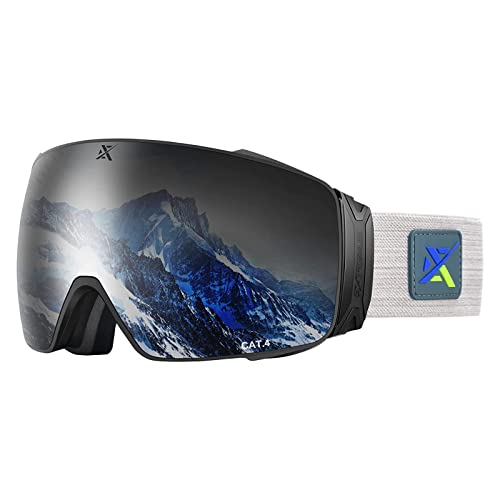
Dim resort lighting has a funny way of exposing weak goggles fast. Tiny snow ridges disappear, icy sections blend into flat patches, and fog creeping across the lens can wreck confidence halfway down a run. The AKASO OTG Ski Goggles lean heavily into practical low-light visibility instead of flashy styling, and honestly, that approach makes sense for night riding. Their oversized spherical lens and magnetic swap system focus more on usable vision than cosmetic hype.
AKASO OTG Mag-Pro
Peripheral visibility stands out immediately with this goggle. The larger spherical lens opens the field of view enough that crowded slopes feel easier to read, especially during evening sessions where depth perception already takes a hit. Side visibility matters more than people admit because snowboarders, skiers, and random kids cutting across trails appear fast under resort lights. The distortion-free lens shape helps avoid that fishbowl feeling some oversized goggles create.
The 12-point magnetic lens system sounds gimmicky at first glance, but it actually solves a common headache for riders dealing with changing weather. Swapping lenses with frozen fingers usually turns into an annoying wrestling match, yet this setup keeps things surprisingly manageable. Eight magnets combined with physical anchors create a more secure fit than older magnetic-only systems. The lens stays planted during regular downhill riding instead of rattling loose over rough terrain.
Still, there’s a tradeoff attached to magnetic systems. Riders constantly tossing goggles into overstuffed gear bags may need to handle them more carefully than fully locked frame designs. A rough impact probably won’t pop the lens free during normal riding, but careless storage can stress the alignment over time. That doesn’t make the design weak, though it does reward people who treat gear halfway decently.
OTG compatibility deserves some credit too. Wearing glasses under ski goggles usually turns into a foggy mess with cramped pressure points around the temples. The AKASO frame leaves enough room for many medium-sized prescription glasses without feeling painfully tight. Bigger frames may still push the limits a little, but the extra interior space helps reduce that suffocated feeling common with cheaper OTG goggles.
Night Visibility And Lens Performance
Night skiing depends heavily on contrast, not just brightness. The AKASO lens handles artificial lighting fairly well by keeping snow texture visible instead of flattening everything into one pale blur. Small grooves, uneven packed snow, and icy patches remain easier to identify during evening runs. That clarity becomes especially useful late at night when resort lighting feels patchier and shadows stretch across the trail.
Anti-fog performance feels more dependable than expected for a mid-range option. The dual-layer lens construction combined with the hydrophilic coating does a respectable job preventing moisture buildup during active riding. Heat from breathing and sweat usually sneaks into goggles eventually, especially during slower lift rides, yet this setup clears reasonably quickly once airflow returns.
Ventilation placement also helps more than flashy marketing terms suggest. Top and bottom vents encourage enough air circulation to reduce that trapped humidity feeling behind the lens. Riders hiking short terrain park sections or stopping frequently may still notice occasional edge fogging, particularly during wetter snow conditions. Cold dry nights, though, tend to play nicely with this ventilation setup.
Lens clarity remains consistent near the edges without major visual warping. Some budget goggles distort peripheral vision badly enough to feel distracting during sharper turns. AKASO avoids most of that issue here, which helps maintain smoother line choices in lower visibility conditions. The cleaner optics create less eye fatigue during longer evening sessions too.
Comfort During Long Resort Sessions
Cold wind finds every weak spot in winter gear eventually. The triple-layer foam on these goggles seals reasonably well around the face without pressing too aggressively against the cheeks. Softer foam matters more during night riding because longer chairlift exposure can turn stiff padding into a constant irritation. AKASO balances softness and structure pretty nicely for extended wear.
The strap design feels more practical than fancy. Silicone backing keeps the goggles steady against helmets without forcing constant readjustments after every run. Fast carving or rough terrain doesn’t send the frame sliding around much, which helps maintain focus in lower light conditions. Loose-fitting goggles can become surprisingly distracting once visibility drops.
Helmet compatibility works well with most standard ski and snowboard helmets thanks to the curved frame shape. That close fit reduces awkward forehead gaps where freezing wind usually sneaks through. Small fit differences still happen depending on helmet brand and shell shape, but overall integration feels cleaner than expected at this price range.
One drawback pops up during warmer spring conditions. Triple-layer foam handles cold weather comfortably, but heavy sweat during milder temperatures can eventually make the interior feel damp after several hours. The moisture management stays acceptable overall, though riders constantly switching between indoor lodges and wet snow conditions may notice that limitation sooner.
Pros And Real-World Strengths
Pros start with the magnetic lens system because quick swaps genuinely improve convenience during changing mountain weather. Riding conditions can flip from cloudy afternoon visibility to darker evening lighting surprisingly fast. The ability to switch lenses without struggling with stiff frame tabs saves time and frustration. That flexibility adds practical value instead of just sounding cool in product descriptions.
Wide field of vision also improves overall slope awareness. Crowded resorts, especially night sessions near main lifts, create unpredictable traffic patterns that require strong peripheral visibility. The oversized lens shape helps riders spot movement earlier without exaggerated head turning. Better awareness usually translates into calmer riding and fewer close calls.
The anti-fog setup performs consistently enough for regular resort use. Plenty of budget goggles advertise fog resistance but fall apart during real cold-weather riding. AKASO’s venting and dual-lens combination manage moisture reasonably well across varying conditions. That steady visibility becomes more valuable than flashy mirrored coatings during nighttime runs.
From a practical angle, another winter equipment reference appears in best-hydrostatic-snowblower. Snow management and winter riding gear often overlap more than expected once heavy storms start piling up around driveways and resorts alike.
Cons And Smaller Tradeoffs
Cons deserve attention too because no goggle handles every condition perfectly. The magnetic lens system, while convenient, may not feel as confidence-inspiring to aggressive backcountry riders who crash hard or carry gear roughly. Resort riders probably won’t care much, but rough handling can eventually test the long-term alignment of the lens anchors.
Extra replacement lenses also cost additional money since only the standard setup comes included. Riders wanting dedicated storm lenses and bright-sun lenses may end up spending more over time. That’s fairly common in the ski goggle world, though it slightly reduces the initial value advantage.
Medium-to-large sizing creates another small limitation. Narrower faces may notice slight gaps around the edges depending on helmet fit and facial structure. The foam compresses reasonably well, but smaller riders sometimes prefer lower-profile frames for tighter sealing during windy lift rides.
Lens durability stays decent overall, though careful storage still matters. Anti-scratch coatings help reduce damage from normal use, yet tossing goggles unprotected into a crowded backpack will eventually leave marks behind. Snow gear lives a rough life, and even solid coatings can only absorb so much abuse before visibility starts showing wear.
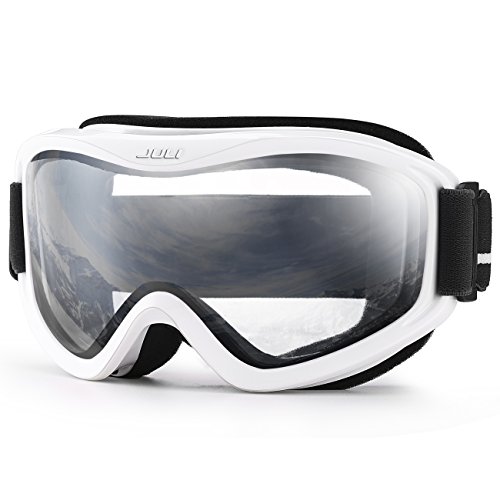
JULI Clear Lens Ski Goggle
Night laps can turn a familiar slope into a guessing game. The snow looks flatter, shadows stretch in strange places, and a lens that blocks too much light can make every little rut feel like a surprise. The JULI Clear Lens Ski Goggle fits the best ski goggle lens for night conversation because its 83% VLT clear lens keeps the view brighter instead of tinting the hill into a dim blur. It’s not trying to look like a mirrored race goggle, and frankly, that restraint is part of its appeal.
JULI Clear Lens Ski Goggle
Clear lens visibility is the main reason this goggle makes sense for night skiing. An 83% VLT lens lets in a generous amount of light, which helps on runs lit by resort lamps, snowmaking glow, or those awkward half-dark sections near tree lines. Darker lenses may look sharper in photos, but they can steal detail when the mountain already feels underlit. This JULI setup keeps the view simple, bright, and less fussy.
The white frame gives the goggle a clean look without making the design feel overdone. More importantly, the lens choice matches the job. A clear lens won’t add dramatic color contrast like yellow or rose options, yet it preserves the available light better for night riding. That matters when bumps, icy shine, and scraped-off patches need to be seen early, not guessed at under your skis.
Dual-lens construction adds a practical layer for cold-weather use. A single lens can fog quickly once warm breath, sweat, and freezing air start mixing around the face. The JULI dual lens helps reduce sudden condensation by creating a bit of insulation between the inner and outer surfaces. It’s a basic idea, sure, but on the hill, basic can be exactly what keeps the view from going cloudy.
The goggle also suits mixed winter use beyond regular skiing and snowboarding. The provided details mention activities like ATV snow riding, snowmobile use, snocross, gliding, and skating, which makes sense because clear visibility and wind coverage matter across cold outdoor movement. That said, the same clear lens that helps at night may feel too bright in strong midday sun. Lens purpose matters, and this one leans clearly toward low-light usefulness.
Pros For Low-Light Riding
Pros start with the lens because the 83% VLT clear lens is the headline feature here. Night slopes need light transmission more than flashy mirror coatings, and this setup gives the eyes more to work with. It helps reduce that tunnel-vision feeling that happens when a dark lens turns the trail into one gray sheet. Simple? Yes. Useful? Very much so.
The professional ventilation design also works in the goggle’s favor. JULI describes the airflow system as built to move fresh air across the inside of the lens while exhausting moisture quickly. That matters during stop-and-go riding, especially after sitting on a chairlift with warm breath rising into the frame. Fog doesn’t need much time to ruin a run, so steady airflow is a real benefit.
Helmet compatibility is another practical strength. The extra-long elastic strap gives more room to fit around different helmet shapes without feeling stretched to its limit. A goggle that fights the helmet creates gaps, pressure points, or sliding, and none of that helps during cold night sessions. The adjustable strap also makes the fit easier across different head sizes.
100% UVA and UVB protection adds value for daytime use too. Night skiing may be the focus, but many winter days start in sunlight and end under resort lights. UV blocking matters on snow because reflection can be harsh even when the air feels cold. JULI’s full eye protection gives the goggle more all-day flexibility than a night-only accessory.
Comfort And Fit Notes
The padded frame makes the JULI goggle feel approachable rather than overly technical. Face comfort counts more than people think because even a clear lens becomes annoying if the frame digs into the nose or cheeks. The padding helps soften the seal around the face, especially during longer sessions where small pressure points grow louder by the minute. Cold air already does enough damage without uncomfortable foam joining the party.
The adjustable strap also gives the goggle wider fit flexibility. Men, women, and younger riders can usually work with a longer strap more easily than with a short, stiff one. Still, fit isn’t one-size-magic. Smaller faces may need careful strap adjustment to avoid small edge gaps, while larger helmets may require a little patience to get the frame seated cleanly.
Helmet pairing deserves a realistic note. The extra-long strap helps, but frame shape and helmet brim design still decide how seamless the fit feels. Some helmets create a tiny forehead gap with certain goggles, and that gap can invite cold wind during faster runs. A snug pairing matters most at night because discomfort feels sharper once temperatures drop.
For glasses wearers, this model description doesn’t specifically claim over-the-glasses compatibility. That doesn’t mean small eyewear can’t fit in some cases, but it’s not a feature to assume. Prescription inserts or low-profile glasses may work better than bulky frames, depending on face shape and helmet setup. Realistic fit expectations prevent a lot of gear frustration.
Fog Control And Clear Vision
Anti-fog performance comes from the combination of dual lenses and ventilation. JULI’s airflow design is meant to reduce fogging by moving moisture out quickly, which helps during changing pace on the mountain. Chairlift pauses, slow beginner runs, and cold lift lines can all invite lens haze. A goggle that clears faster keeps the ride calmer.
The clear lens also makes fog easier to spot early. With dark lenses, light haze can hide until visibility suddenly feels awful. A clear night lens shows moisture buildup sooner, so it’s easier to manage before things get fully clouded. That’s not glamorous, but it’s practical in the way winter gear needs to be.
Maintenance still matters. Anti-fog design can’t survive rough treatment forever, especially if the inside lens gets wiped aggressively with wet gloves. Letting the goggles dry between sessions and using the pouch or a soft cloth helps preserve clarity. Lens care sounds boring until one scratch catches every resort light like a tiny spotlight.
One weakness is that clear lenses don’t boost contrast as much as yellow or rose low-light lenses. Snow texture stays bright, but subtle shapes may not pop as strongly under certain lighting. Riders who struggle with flat light may prefer a light yellow option for extra definition. Still, for pure night brightness, the 83% VLT clear lens has a strong case.
Cons And Practical Limits
Cons start with daytime glare. A clear lens can feel too bright during sunny afternoon runs, especially on open slopes with reflective snow. JULI offers different colors and styles, but this specific white-frame clear-lens version is best treated as a low-light or night-focused setup. Using it as an all-condition lens would be asking too much from one piece of gear.
The styling is also fairly simple. Some riders want mirrored lenses, bold tints, or a more aggressive frame shape. This JULI model keeps things straightforward, which supports night use but may not satisfy anyone chasing a louder look. Plain design is a strength for function and a drawback for style-driven buyers.
The lifetime guarantee mentioned in the provided details adds reassurance, though warranty experience can vary by situation and seller process. It’s fair to view it as a safety net rather than a reason to treat the goggles carelessly. Strong winter gear still needs thoughtful storage and normal cleaning habits. Warranty support doesn’t replace basic lens protection.
From a practical angle, winter gear talk sometimes drifts toward heating and home prep after long cold days, and a related reference appears in is hackberry good for firewood. That connection sits outside goggle performance, but it fits the broader rhythm of cold-weather routines around snow, gear drying, and staying warm after the hill.
Best Use Cases On Snow
The JULI Clear Lens Ski Goggle makes the most sense for night skiing, evening snowboarding, skating, and low-light winter activity. Brightness is its biggest advantage, especially under artificial resort lights where dark lenses can make terrain feel vague. The lens doesn’t try to overprocess the view, which keeps things straightforward and easy on the eyes. That stripped-down clarity is the point.
Beginner and casual resort riders may appreciate the forgiving visibility. Night sessions already add enough nerves with colder air, firmer snow, and faster shadows. A clear lens removes one layer of guesswork by keeping the view open. Confidence often comes from seeing the next turn clearly, not from wearing the most dramatic-looking lens.
More aggressive riders may still want extra lens options for different conditions. A clear lens handles night well, but storm days, bright sun, and mixed clouds may call for different VLT levels. The JULI color range helps in theory, though this specific model’s strongest lane remains low-light riding. Expecting one lens to handle everything is where disappointment starts.
The overall package feels practical for anyone tired of squinting through overly dark goggles after sunset. 83% VLT clarity, ventilation, UV protection, helmet-friendly strap length, and a padded fit give it a grounded feature set. It won’t replace a full lens kit for every mountain condition, but for night runs and dim winter movement, it keeps the job refreshingly simple.
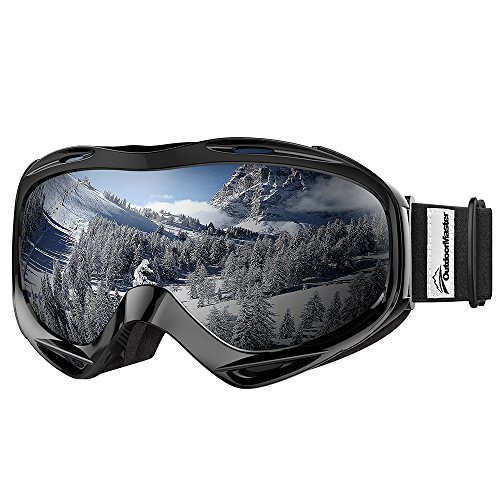
OutdoorMaster Ski Goggles PRO
A dark grey lens can feel bold on a bluebird afternoon, then turn stubborn once the lights come on. Resort lamps don’t always cover every dip, scraped patch, or side trail evenly, so visibility starts depending on the right lens choice instead of the loudest mirror finish. The OutdoorMaster Ski Goggles PRO belongs in the best ski goggle lens for night discussion because it offers an interchangeable lens system, though the included VLT 10% grey lens is better suited for bright conditions than true night riding. That detail matters, because the goggle itself has strong low-light potential only when paired with a more suitable night lens from its extra lens range.
OutdoorMaster Ski Goggles PRO
OutdoorMaster Ski Goggles PRO feels built around flexibility rather than one fixed lighting setup. The frameless design gives the front of the goggle a clean, open look, but the real benefit is the wide view across the slope. A larger spherical lens helps reduce that boxed-in feeling that can make night riding feel tense. Peripheral awareness matters a lot when trails get crowded near the last few lift runs.
The included VLT 10% grey lens deserves a realistic note right away. That low VLT blocks a large amount of light, which can help on sunny snow but isn’t the friendly choice for dark resort sessions. Night skiing usually favors clear, yellow, rose, or other high-VLT lenses because they let more available light reach the eyes. So, the goggle frame is useful for night setups, but the included lens is not the star for that job.
The interchangeable lens system saves this model from being boxed into daytime use. OutdoorMaster notes that more than 20 lens choices are available, with extra lenses sold separately. That gives riders room to build a lens kit around shifting weather, including darker sun lenses and brighter low-light options. It’s a practical setup for anyone tired of owning separate goggles for every kind of mountain day.
Frameless visibility also gives the goggle a smoother feel during carving, side scanning, and lift-line navigation. Thick frames can sometimes interrupt the view at awkward moments, especially on steeper terrain where eyes move constantly. This design keeps the visual field more open and less cluttered. For night riding, that openness can help compensate for reduced depth perception.
Pros For Changing Light Conditions
Pros begin with lens flexibility because mountain light rarely stays predictable. A morning can start with harsh glare, shift into cloud cover, then finish under resort lights. The OutdoorMaster system lets the goggle adapt if the right replacement lenses are on hand. That’s the key phrase, though: the right replacement lenses.
The large spherical lens gives a broad look at the run without making the goggle feel overly complicated. Wide views help spot crossing riders, edge ruts, and uneven groomer lines sooner. Night sessions reward early reactions because terrain details can appear later than expected. A narrower goggle can make that delay feel even worse.
Anti-fog coating adds another meaningful strength. Cold air outside and warm breath inside create fog problems fast, especially during slow lift rides or crowded pauses near trail merges. The anti-fog lens treatment helps reduce that haze so the view doesn’t collapse halfway down the hill. It won’t erase every fog issue, but it gives the goggle a better fighting chance.
The protective case is a small but welcome part of the package. Ski lenses scratch easily when tossed beside gloves, buckles, or snacks in a gear bag. The included protective case and carrying pouch help preserve the lens surface between sessions. That matters more with interchangeable systems because extra lenses need careful storage too.
Cons And Honest Tradeoffs
Cons start with the included grey lens. A 10% VLT lens is simply too dark for most night skiing situations, especially on hills with patchy lighting. It can make shadowed snow feel vague and force more squinting than necessary. Riders buying this specifically for night use should expect to add a brighter lens.
Extra lenses being sold separately creates a cost tradeoff. The base package gives the frame, case, pouch, and grey lens, but a night-friendly setup may require another purchase. That’s not unusual for interchangeable goggles, yet it changes the value picture. The system is flexible, but flexibility costs more once lens needs pile up.
Lens swapping can also be a little fiddly in cold conditions depending on glove thickness and hand feel. Interchangeable systems are helpful, but they’re rarely as quick as marketing language makes them sound. Swapping indoors or near the car is usually easier than doing it on a windy chairlift bench. Planning the lens choice before heading out keeps the process less annoying.
The frameless look has one practical downside too. Lenses sit more exposed than deeply framed designs, so careless handling can lead to scratches along the outer surface. The included case helps, but the goggle still rewards careful gear habits. Durability depends partly on how it’s packed, cleaned, and dried after each ride.
Fit, Helmet Feel, And OTG Use
OTG compatibility makes this goggle more forgiving for riders who wear prescription glasses. The frame is designed to fit eyewear underneath, which can reduce the usual temple pressure and cramped feeling. Glasses under goggles still depend on frame size, though. Slimmer glasses will likely behave better than bulky fashion frames.
The extra-long elastic strap helps with helmet pairing. A short strap can pull the frame awkwardly against the face, creating pressure near the nose or small gaps at the forehead. OutdoorMaster’s longer strap gives more room for adult and teen helmets. That helps the goggle sit more naturally instead of fighting the helmet shell.
Comfort leans practical rather than plush. The frame shape, strap length, and open lens view create an easygoing setup for regular resort riding. Longer night sessions still require a good helmet match because tiny fit issues get louder in cold air. A small forehead gap can feel like a freezer vent after a few fast runs.
Universal helmet compatibility sounds broad, but no goggle fits every helmet perfectly. Brim shape, helmet size, and face shape still affect seal quality. Most standard ski and snowboard helmets should pair well enough, but riders with very small faces may need extra attention during adjustment. A secure seal matters because wind leaks can dry the eyes and encourage tearing under lights.
Night Lens Strategy And Real Use
Night skiing needs a lens that prioritizes light transmission, and that’s the main lesson with this model. The OutdoorMaster frame can support that role, but the included grey lens does not match the low-light task well. A clear or lightly tinted high-VLT lens would make far more sense after sunset. Without that swap, the goggle may feel darker than the slope demands.
For daytime riding, the included grey lens has a clearer purpose. Bright snow, open bowls, and sunny groomers can create glare that makes eyes work harder. A darker lens can help cut that brightness during those conditions. The problem only appears when the same lens is expected to perform after dark.
From a practical angle, winter outfit details sometimes overlap with slope comfort, and a related style reference appears in how to tie a scarf as a shirt within broader cold-weather layering discussions. It sits outside goggle performance, but clothing comfort often becomes part of the same packing routine before a trip. Small gear choices tend to travel together.
best ski goggle lens for night is really about matching lens brightness to the hill, not chasing the boldest tint. OutdoorMaster’s value comes from the frame, lens range, OTG room, helmet strap, and anti-fog treatment. The weak point is the stock lens for night use, which should be treated as a sun lens rather than a low-light solution. With the right extra lens, the goggle becomes much more useful after sunset.
Practical Buying Notes
Best-fit use leans toward resort riders who want one frame that can shift across different weather setups. The interchangeable lens system makes sense for people who ride enough to notice light changes from morning to evening. Occasional riders may not want to buy extra lenses, and that’s fair. A single clear-lens goggle might be simpler for night-only use.
The protective case adds real convenience for travel. Goggles often get crushed in car trunks, overhead bags, or crowded boot bags, and a case helps prevent avoidable lens damage. That’s especially useful with a frameless design. A clean lens lasts longer when it isn’t rubbing against zippers or frozen glove cuffs.
UV400 protection gives the goggle daytime credibility even though this review focuses on night lens needs. Snow reflection can be harsh, and UV coverage protects the eyes during brighter sessions. That feature doesn’t replace proper low-light lens selection, but it does make the goggle more rounded across the season. Mixed-use riders will appreciate that split personality.
The OutdoorMaster Ski Goggles PRO feels strongest as a customizable platform. Its wide view, anti-fog coating, OTG frame, and helmet-friendly strap all support comfortable mountain use. The main caution is simple: don’t mistake the included 10% VLT grey lens for a true night lens. Pair the frame with a brighter option, and the product makes far more sense for low-light runs.
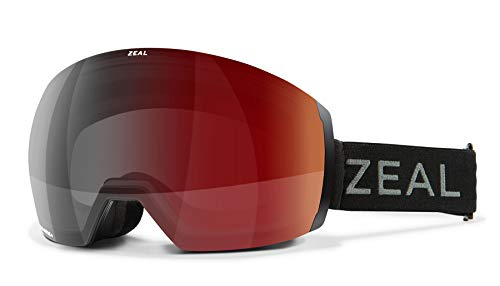
Zeal Portal Asian Fit Goggle
A goggle can have sharp optics and still feel wrong the second cold air sneaks through the nose bridge. That tiny gap becomes a big problem on night runs, where watery eyes, flat snow, and dim trail edges already make the mountain feel less forgiving. The Zeal Portal Asian Fit Goggle fits the best ski goggle lens for night discussion from a different angle: it’s not just about the lens tint, but also how well the frame seals, vents, and keeps vision steady. With a 30% VLT Optimum Alchemy Mirror Lens, rimless visibility, and a bonus lens included, this setup leans toward mixed low-light use rather than the darkest night-only conditions.
Zeal Portal Asian Fit
Fit is the first thing that separates this goggle from a generic snow frame. Zeal’s Asian Fit design adds contoured foam around the nose bridge, which helps create a closer seal for flatter bridges. That matters because even a small airflow leak can make eyes tear during cold chairlift rides. Better sealing also helps reduce that annoying feeling of goggles floating above the face instead of sitting securely.
The rimless frame gives the Portal a clean, wide-open feel on snow. Peripheral vision gets a real boost from the frameless shape, especially when scanning across busy trails or checking side traffic under resort lights. Night riding makes reaction time feel shorter, so a broader view can help keep the ride calmer. No chunky frame edge stealing attention, no boxed-in tunnel feeling.
The Optimum Alchemy Mirror Lens comes with 30% VLT, which puts it in a middle-light zone rather than a true clear-lens night category. That means it can work nicely for late afternoon, cloudy days, and brighter night resorts, but it may feel too dark on poorly lit runs. A pure night lens usually needs higher light transmission. So, the Portal is strongest where low light still has some brightness to work with.
The included bonus Optimum Persimmon Sky Blue Mirror lens adds useful flexibility. Mountain conditions rarely stay polite all day, and a second lens can help cover more weather shifts without making the goggle feel locked into one mood. Still, riders should match lens choice to actual lighting instead of assuming every mirror lens belongs after sunset. Lens discipline matters more than lens flash.
Lens Clarity And Low-Light Behavior
Color filtration is one of the more interesting parts of the Portal setup. The Optimum Alchemy lens is designed to improve clarity, color, and definition, which can help snow texture feel less washed out. On a dusky run, that extra definition can make small ridges and scraped spots easier to read. It’s a subtle benefit, not a magic fix for blacked-out trails.
The 30% VLT lens creates a noticeable tradeoff. It blocks more light than clear or yellow night lenses, but it also manages brightness better where resort lamps reflect harshly off firm snow. That can feel helpful on icy sections where glare bounces straight back at the eyes. In darker corners, though, the same tint can make terrain details less obvious.
Optical steadiness also helps with confidence. The Portal’s rimless layout and lens design avoid the cramped feel that can make turns feel jumpy at speed. Visual clarity stays important during night sessions because the eyes are already working harder to judge depth. A lens that keeps the view clean, crisp, and relatively undistorted reduces mental fatigue over a longer evening.
UV protection is part of the lens package too, which keeps the goggle useful beyond night riding. Snow reflects sunlight hard during daytime sessions, especially in open terrain and higher elevations. That protection doesn’t solve low-light visibility, but it makes the goggle more practical across mixed winter days. A lens system should cover more than one narrow scenario whenever possible.
Rail Lock System In Real Use
The Rail Lock System gives this goggle a more secure lens-changing setup than simple pop-out designs. A dual sliding rail guides the lens into place and locks it down, which feels reassuring for riders who dislike loose magnetic-only systems. Lens swaps are meant to be done anywhere on the mountain, though cold fingers can still make any change slower than expected. Gear always behaves better indoors than in blowing snow.
The rail design also supports the rimless frame without making the lens feel flimsy. That balance matters because frameless goggles can sometimes feel delicate if the lens attachment seems too exposed. Zeal’s sliding structure gives the frame a more controlled feel during swaps. It’s a smart middle ground between clean looks and mechanical security.
Lens flexibility becomes more useful during long resort days that stretch into evening. A brighter lens can suit softer light, while the Alchemy Mirror lens may handle glare and mixed cloud better. The included bonus lens helps, but the exact best option still depends on actual mountain lighting. Guess wrong, and even an expensive goggle can feel frustrating.
One small limitation sits in the learning curve. The rail system may feel less instant than a magnetic snap setup for people who like ultra-fast changes. That’s not a dealbreaker, because secure lens seating matters too. But riders who constantly swap lenses between runs may need a few practice tries before it feels smooth.
Anti-Fog Strength And Weather Control
Everclear Anti-Fog is a major strength here because the anti-fog molecules are described as permanently infused into the lens material. That means the treatment isn’t simply sitting on the surface where rough cleaning can remove it quickly. Fog control matters at night because visibility is already limited. A hazy lens under resort lights can turn every reflection into a smear.
The Permashield Hardcoat adds another layer of real-world usefulness. Snow goggles get shoved into bags, brushed by gloves, and wiped in bad conditions more often than they should. A hard coating helps defend against everyday lens wear, though it doesn’t make the lens scratch-proof. Careless storage can still leave marks, especially with mirror coatings.
The Hydro/Oleo coating also helps manage moisture, smudges, and oily fingerprints. That’s useful during lift rides when gloves, sleeves, and damp snow all seem to touch the lens at the worst possible moment. Cleaner lens surfaces make low-light detail easier to see. Night riding punishes dirty optics more than daytime riding because every smudge catches artificial light.
Helmet compatibility ties directly into fog control as well. The Portal is designed to fit with nearly every helmet while reducing wind gaps, which helps manage airflow around the frame. A poor helmet match can trap heat or create icy leaks, and both can make the ride unpleasant. Gaper gaps may sound like a style joke, but they’re also a comfort and weather problem.
Comfort For Flatter Nose Bridges
The Asian Fit foam design is not just a small spec tucked into the product name. For flatter nose bridges, standard goggles can sit too high, pinch unevenly, or leave airflow channels around the nose. Zeal’s added foam helps fill that space so the goggle feels more stable. A better seal can make cold-weather riding feel less like fighting the gear.
Comfort also comes from pressure distribution. The Portal’s added contouring helps reduce the need to overtighten the strap just to stop leaks. Overtightening usually creates forehead pressure, cheek irritation, or nose pinching after a few runs. Balanced fit keeps the goggle planted without turning it into a clamp.
The neutral curves help the goggle sit naturally with helmets and face shapes that match its design. That smooth seating matters on long days because little fit issues grow more annoying as temperatures drop. Night sessions can feel sharper, colder, and less forgiving, so comfort becomes part of performance. A goggle that stays quiet on the face lets the rider focus on the line.
From a practical angle, seasonal gear conversations sometimes drift beyond the mountain, and a related reference sits in best waterproof shoes for summer as part of broader weather-ready footwear thinking. It’s separate from goggle optics, but the same idea applies: comfort depends on matching gear to real conditions, not just grabbing the sharpest-looking option.
Strengths And Practical Limits
Strengths start with fit precision, lens engineering, and field of view. The Portal feels especially thoughtful for faces that struggle with standard nose bridge gaps. Add the Rail Lock System, anti-fog lens material, and rimless visibility, and the package starts to feel more refined than a basic resort goggle. It’s built for riders who notice small comfort details.
The biggest limitation is the 30% VLT Alchemy Mirror Lens for true night skiing. It can handle brighter low-light conditions, but dark resort runs may call for a higher-VLT lens. Clear, yellow, or light rose lenses usually make more sense for very dim trails. This lens is more of a dusk, storm, or mixed-light option than a pure night specialist.
The mirror lens also requires careful handling. Hardcoat protection helps, but mirrored finishes can still show scratches, smears, and careless cleaning marks. A microfiber bag is included, and that should be used instead of a jacket sleeve. Low-light riding makes lens damage more noticeable because every scratch can catch glare from slope lights.
The Zeal Portal Asian Fit Goggle works best as a refined fit-and-vision platform rather than a simple budget night lens. Its Asian Fit foam, rimless field of view, infused anti-fog technology, and secure lens rail all solve real winter frustrations. The Alchemy lens brings clarity and definition in moderate light, but the darkest night sessions may need a brighter lens choice to fully match the best ski goggle lens for night goal.


Best Green Ski Goggles 2026 For Clear Vision On Slopes
Best Ski Goggles Under 30 Inches For Crisp Vision And Comfort

Best Backcountry Ski Goggles 2026 For Crystal Clear Vision

Best Frameless Ski Goggles Men for Clear Vision and All-Day Comfort
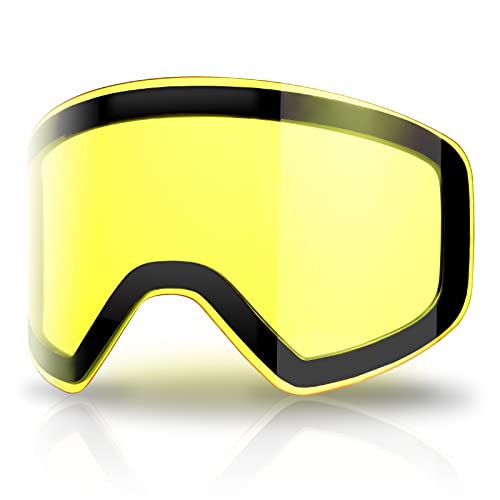
best yellow ski goggles Snow Clarity

Best EXP Vision Ski Goggles 2026 Ultimate Clarity Picks

Discover the Best Mens Ski Goggles of 2026
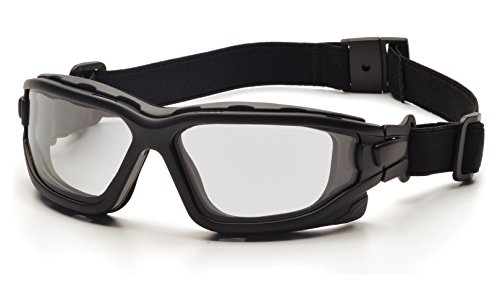
Best Slim Ski Goggles for Clear Vision, Lightweight Comfort, and a Low-Profile Fit





