
Best solar air heater design 2026 that actually works

Best solar air heater design starts with one stubborn problem: sunlight is free, but warm air isn’t useful unless it moves well. A clever setup doesn’t just sit on a wall looking eco-friendly; it pulls cool indoor air in, heats it fast, and sends it back with enough force to matter. That’s where airflow path, collector angle, insulation, absorber material, and sealing all earn their keep. Miss one detail, and the whole thing can feel like a shiny box with big promises and lukewarm results.
Black metal absorber plates, aluminum cans, downspout channels, screen mesh, and corrugated panels all show up in popular builds, and each one has its own personality. Metal heats quickly, screens create more surface area, and can-based designs can be cheap as chips if there’s patience for cutting, sealing, and stacking. But here’s the rub: heat gain means little if air leaks around the frame or stalls inside the collector. So, a tidy build with boring details done right often beats a flashy design that wastes pressure and bleeds warmth.
Passive solar air heaters sound tempting because there’s no fan, no wiring, and no fuss. Still, passive airflow can be a bit of a fair-weather friend, especially on mild days when the temperature difference isn’t strong enough to push air consistently. A small fan powered by a solar panel can wake the system up, keeping warm air moving before the collector gets too hot and inefficient. Better yet, a thermostat switch keeps things from running backward after the sun dips.
Insulation rarely gets applause, but it’s the unsung hero here. A collector with a dark absorber and a clear glazing panel can still lose heat through the back and sides like a leaky bucket. Rigid foam, sealed corners, weather-resistant framing, and a tight glazing surface help trap every useful degree. Not glamorous, sure, but that’s the stuff that separates a weekend experiment from a heater that earns its spot through the cold months.
Solar air heater efficiency also depends on placement, and honestly, placement can make or break the design. South-facing exposure, a steep winter-friendly tilt, and shade-free hours do more than any fancy material upgrade. A small unit in full winter sun can outperform a larger collector hiding under tree shadows by midafternoon. So, before buying supplies or cutting panels, sunlight mapping saves headaches, wasted money, and that sinking feeling after the first chilly test run.
Best solar air heater design balances heat, airflow, durability, and maintenance without turning the project into a science fair monster. A practical design should be easy to clean, simple to drain if condensation appears, and sturdy enough to handle wind, moisture, and daily temperature swings. Clear polycarbonate, tempered glass, or twin-wall panels can all work, though the right pick depends on budget and local weather. Get the basics right, and the system quietly chips away at heating bills without asking for much in return.

- BWP Score10.0
BWP Score is a ranking system developed by Bestwinterproducts.com. BWP score has no relationship or impact from any manufacturers or sales agent websites. Learn more
- BrandGeneric
- BWP Score-
BWP Score is a ranking system developed by Bestwinterproducts.com. BWP score has no relationship or impact from any manufacturers or sales agent websites. Learn more
- BrandGeneric

- BWP Score-
BWP Score is a ranking system developed by Bestwinterproducts.com. BWP score has no relationship or impact from any manufacturers or sales agent websites. Learn more
- BrandGeneric

- BWP Score6.6
BWP Score is a ranking system developed by Bestwinterproducts.com. BWP score has no relationship or impact from any manufacturers or sales agent websites. Learn more
- BrandYeesam

- BWP Score-
BWP Score is a ranking system developed by Bestwinterproducts.com. BWP score has no relationship or impact from any manufacturers or sales agent websites. Learn more
- BrandNRGQAXM
- BWP Score-
BWP Score is a ranking system developed by Bestwinterproducts.com. BWP score has no relationship or impact from any manufacturers or sales agent websites. Learn more
- BrandJcasbdn
Last update on 2026-07-09 / Affiliate links / Images, Product Titles, and Product Highlights from Amazon Product Advertising API
Best Solar Air Heater Design for Small Winter Spaces
Frozen water bowls, damp bedding, and sluggish mornings can turn a simple winter routine into a nonstop battle against the cold. Tiny shelters lose heat quickly, especially during windy nights when every draft sneaks through gaps like it owns the place. That struggle is exactly why best solar air heater design keeps gaining attention among people trying to create safer and more stable warmth without relying entirely on traditional electricity. A focused heating setup often works better than oversized systems that waste energy and overheat confined spaces.
Chicken Coop Solar Heater
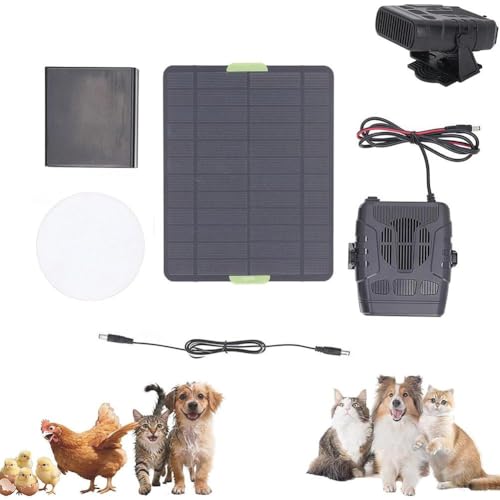
Chicken Coop Heater for Winter, Solar Powered Heater takes a straightforward approach that actually feels refreshing. The kit includes a solar panel, connecting cable, heater, and a battery compartment with dual USB outputs, keeping the setup relatively compact without unnecessary clutter. Smaller coops, dog houses, cat shelters, and greenhouse corners fit the heater’s strengths much better than oversized open structures. That realistic positioning makes the product easier to trust because it doesn’t pretend to solve every winter heating problem under the sun.
Localized heating becomes the star feature almost immediately. Small animals don’t need tropical conditions across every square inch of a shelter; they need a reliable warm area where they can settle comfortably during bitter cold snaps. The heater creates concentrated warmth instead of aggressively heating an entire structure, which helps avoid stuffy conditions and uneven overheating. Quietly doing its job without turning the coop into an oven feels like the right move here.
Monocrystalline silicon PET material adds another layer of practicality. Outdoor winter equipment takes a beating from moisture, frost, mud, and sudden temperature swings, so durability matters more than fancy styling. The solar panel is designed to maintain stability under harsh weather conditions, making it suitable for long-term outdoor placement. That rugged construction helps the system feel dependable rather than delicate.
Solar-powered operation also reduces dependence on extension cords and nearby outlets, which can become frustrating in barns or backyard shelters. Cleaner layouts tend to make maintenance easier, especially around curious chickens or restless puppies that love investigating dangling cables. Winter setups already involve enough chaos without extra wiring tangles getting in the way. Simpler systems usually age better too.
Performance During Cold Weather
Heat output feels intentionally modest rather than exaggerated, and honestly, that honesty works in the product’s favor. The manufacturer clearly explains that the heater is designed for localized warmth and may not perform well inside large coop areas. That transparency prevents unrealistic expectations before installation even begins. Compact shelters, nesting corners, and enclosed resting zones line up much better with the heater’s actual strengths.
Winter comfort improves noticeably when small animals have access to stable warmth overnight. Chicks, puppies, kittens, and chickens all react poorly to harsh cold for extended periods, especially during shorter winter days. Warm resting spots can help reduce stress while creating a more stable environment during rough weather swings. Those subtle improvements often matter more than flashy temperature claims.
Egg production support stands out as another practical advantage. Extreme cold commonly affects laying patterns because chickens burn more energy trying to stay warm instead of maintaining regular production. A focused heating zone can help stabilize conditions during colder stretches. That doesn’t mean instant miracles, but reducing cold-related stress absolutely supports healthier daily routines inside the coop.
Quick de-icing potential adds flexibility beyond animal care alone. Outdoor enthusiasts and commuters dealing with frosted surfaces may appreciate having a compact solar heating tool nearby during icy mornings. Some heating setups aim more toward decorative comfort, and related inspiration occasionally appears in modern 3D electric fireplace ideas where controlled warmth and visual atmosphere overlap in interesting ways. This heater, though, stays firmly rooted in practical winter utility.
Overheating protection deserves attention too because enclosed shelters can trap warmth quickly. Cheap heaters without safety protection sometimes create more anxiety than reassurance during overnight use. Built-in overheating protection helps regulate that concern, allowing the heater to maintain safer operation in compact spaces. Peace of mind becomes a pretty big deal once temperatures crash after sunset.
USB Features And Flexible Usage
Dual USB outputs quietly increase the product’s usefulness beyond heating alone. Small 5V electronics can connect through the battery compartment, making it easier to support portable lights or emergency charging situations without carrying additional gear. That extra flexibility feels surprisingly handy during unpredictable winter conditions. Little conveniences like this often become the features people appreciate most after a few weeks of use.
Battery support also softens one common frustration tied to solar-powered products: inconsistent sunlight. Winter weather doesn’t always cooperate, and several cloudy days in a row can limit direct charging performance. Backup battery compatibility helps maintain functionality during weaker sunlight periods. That added reliability makes the system feel more practical for everyday winter use.
Portable placement helps the heater adapt to changing needs around the property. A setup warming chicks today may shift into a greenhouse corner next month once the seasons change slightly. Multi-purpose winter equipment tends to earn its keep much faster because it doesn’t sit unused half the year. That versatility adds real value without forcing complicated adjustments.
Noise-free operation rounds things out nicely. Loud heating systems can agitate animals in confined spaces where sound bounces around constantly. This setup remains comparatively quiet, which helps maintain a calmer environment overnight. Sometimes the best winter equipment is the kind that quietly works in the background without demanding attention every few minutes.
Limitations Worth Understanding
Large-space heating limitations remain the biggest factor buyers should keep in mind. Wide barns or oversized coops usually require stronger heating systems capable of distributing warmth across broader areas. This heater performs best in focused zones where concentrated warmth matters more than total room coverage. Trying to force it into oversized applications would only create frustration.
Sunlight dependency naturally affects overall efficiency as well. Bright winter days help maximize charging and heating potential, while prolonged cloudy stretches reduce performance. Solar-powered products always depend heavily on placement and available daylight. Strong direct exposure becomes essential for maintaining consistent results.
Localized warmth patterns can create uneven temperatures inside larger shelters too. Animals may naturally gather near the heated section while colder corners stay noticeably chilly. Better insulation and smart shelter design help reduce that imbalance, though the heater itself still focuses on smaller warming zones rather than broad environmental control.
Simple installation, however, helps offset several of those tradeoffs. The included components keep setup relatively manageable without overwhelming first-time users with excessive wiring or complicated hardware. Straightforward winter gear usually gets used more consistently because nobody wants a frustrating installation process during freezing weather. That practical simplicity gives the heater a more approachable feel overall.
Best Solar Air Heater Design for Compact Winter Shelters
Morning chores hit differently once freezing air starts creeping into every corner of a coop or greenhouse. Water freezes faster than expected, damp bedding lingers too long, and restless animals usually become the first sign that the temperature dropped harder overnight. That constant balancing act makes best solar air heater design more than just another trendy winter gadget discussion. Reliable warmth, low power demands, and safe operation suddenly matter a whole lot more when tiny shelters need steady heat without turning into electrical nightmares.
Solar Coop Heater 2026
Solar Heater for Greenhouse, 2026 New Chicken Coop Heater Solar Powered for Winter leans into practicality instead of overcomplicated tech jargon. The setup combines a solar panel, heating unit, waterproof DC outputs, and dual USB ports in one lightweight package designed for small spaces. Greenhouses, chicken coops, pet shelters, and compact outdoor areas match its strengths much better than oversized structures needing aggressive climate control. That realistic approach gives the heater a grounded, no-nonsense personality right from the start.
Solar-powered warmth becomes especially valuable during winter months where electrical access can feel inconvenient or downright messy. Long extension cords stretched across damp ground rarely inspire confidence around animals or outdoor structures. This heater skips that headache by relying on direct solar energy instead of demanding constant wall power. Cleaner layouts and simpler setups usually end up causing fewer problems once the weather turns ugly.
Portable construction also makes the unit surprisingly flexible. One day it may sit inside a small greenhouse protecting delicate plants from overnight frost, then shift into a dog shelter or travel setup during a weekend trip. Lightweight gear tends to earn its keep faster because moving it around doesn’t feel like dragging a toolbox through the mud. That convenience quietly becomes one of the product’s strongest everyday benefits.
Compact heating systems often struggle with durability outdoors, but the waterproof DC outputs and weather-focused design help this unit feel more dependable than flimsy seasonal gadgets. Rain, moisture, and freezing conditions can ruin poorly protected electrical components fast. The added protection layers create a little more peace of mind during rough winter stretches. Nobody enjoys second-guessing whether outdoor heating equipment will survive the next storm.
Warmth That Fits Small Spaces Better
Localized heating performance shapes the entire personality of this product. Instead of pretending to warm giant barns or oversized sheds, the heater focuses on concentrated comfort zones for smaller environments. That makes a noticeable difference for chickens nesting overnight or puppies curling up during freezing evenings. Smaller heated pockets usually stay more stable than trying to force weak heat across a huge open structure.
Overheat protection deserves real attention because compact shelters can trap warmth quickly. Cheap heaters without built-in safeguards sometimes create more anxiety than comfort once left running overnight. This heater includes advanced safety mechanisms designed to regulate excess heat and maintain more stable operation during extended use. Quiet confidence matters a lot during winter, especially in enclosed spaces housing animals or delicate plants.
Steady warmth also helps reduce environmental stress during colder months. Chickens tend to become less productive and more uncomfortable once temperatures drop aggressively, while young animals often struggle with cold drafts around floor level. A focused heating area creates a calmer and more manageable resting environment without aggressively drying out the entire shelter. Sometimes the smallest comfort improvements end up having the biggest impact over time.
Greenhouse support feels particularly useful during sudden nighttime temperature swings. Tender seedlings and smaller potted plants don’t always need industrial heating systems; they simply need enough warmth to avoid frost damage and temperature shock. That narrower heating purpose fits the product naturally. Some heating discussions also drift toward indoor comfort setups, and related ideas occasionally appear in infrared heaters for small bathrooms where compact warmth and controlled heat distribution become equally important topics.
Noise-free operation quietly improves the experience too. Loud heating systems can agitate animals, disrupt calmer environments, or simply become annoying during nighttime use. This solar heater avoids that issue by operating without the constant hum associated with many traditional electric heaters. Silence ends up feeling surprisingly valuable after a few long winter nights.
USB Charging And Off-Grid Convenience
Dual USB output ports give the heater a little extra versatility beyond simple heating. Small 5V devices like rechargeable fans, LED lights, headphones, or smartphones can connect directly through the system, which helps during off-grid situations or outdoor tasks. That added utility stretches the product’s usefulness far beyond one single-purpose role. Small conveniences tend to stand out most once winter routines become hectic.
Off-grid functionality makes the heater appealing for remote shelters or outdoor setups lacking nearby electrical outlets. Some outdoor areas simply aren’t designed around permanent power access, especially temporary greenhouses or animal enclosures. Solar-powered support keeps the setup cleaner and more flexible without forcing additional wiring projects. Less clutter around compact shelters usually means fewer long-term frustrations.
Simple installation keeps the learning curve refreshingly low. Positioning the solar panel under direct sunlight and connecting the heating unit doesn’t require complicated assembly or endless instruction manuals. Busy mornings already come packed with enough responsibilities, so straightforward equipment tends to win by default. A heater that works without demanding half a day of setup immediately feels more practical.
Portable heating support also creates opportunities beyond backyard use. Camping trips, roadside winter stops, and small travel shelters can all benefit from lightweight solar warmth that doesn’t rely on fuel or noisy generators. That versatility helps justify the product’s place beyond one narrow seasonal purpose. Flexible winter gear almost always sees more consistent use throughout the year.
Tradeoffs And Realistic Expectations
Large-area limitations remain important to understand before installation. Wide coops, oversized garages, or sprawling barns need stronger heating systems capable of circulating heat across much broader spaces. This heater performs best inside smaller environments where concentrated warmth matters more than total area coverage. Expecting whole-building heating from a compact solar setup would only create disappointment.
Sunlight dependency naturally shapes overall performance too. Bright winter days support stronger heating output and more stable charging conditions, while long stretches of cloudy weather reduce efficiency. Solar-powered products always rely heavily on proper panel placement and available daylight exposure. Positioning the panel carefully becomes a major factor in getting reliable results.
Temperature consistency can fluctuate slightly during changing weather patterns as sunlight conditions shift throughout the day. Smaller shelters usually maintain warmth better because concentrated heat remains trapped more effectively in compact spaces. Better insulation helps balance out those fluctuations considerably. Drafty structures, meanwhile, will always struggle regardless of the heating source.
Lightweight portability, however, helps soften many of those compromises. Moving the heater between locations takes very little effort, and that flexibility keeps it useful during changing seasonal routines. Equipment that adapts quickly tends to stay relevant longer instead of gathering dust after one winter season. Practicality often beats flashy promises once real cold weather rolls in.
Best Solar Air Heater Design for Frosty Winter Drives
Scraping ice off a windshield before sunrise can sour the mood in seconds. Fingers freeze, visibility stays patchy, and the engine barely has time to warm before the next layer of frost creeps across the glass again. That daily winter annoyance is exactly where best solar air heater design starts sounding less like a gimmick and more like a practical little lifesaver. A compact heater that tackles frost while relying on sunlight instead of constant plug-in power feels surprisingly clever for cold-weather routines.
Solar Car Heater Defroster
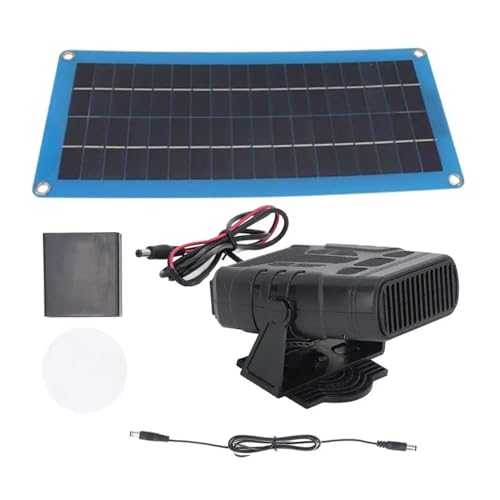
Solar Car Heater Defroster takes a focused approach instead of trying to reinvent winter driving entirely. The unit is designed to melt snow and ice from windshields while reducing the hassle of manual scraping during freezing mornings. Solar-powered functionality keeps the setup simple, avoiding bulky cords and complicated installation steps that usually turn small accessories into annoying clutter. That no-fuss design gives the heater a more approachable feel right away.
Portable construction makes the device easy to move between vehicles or outdoor setups without feeling like extra baggage. Small winter accessories tend to work best when they stay lightweight enough to grab quickly during hectic mornings. This heater fits that role comfortably. Tossing it into a back seat or storing it beside winter emergency gear feels natural instead of awkward.
Solar-powered heating also changes the convenience factor considerably. Instead of relying entirely on external power, the heater uses solar panels to convert sunlight into usable energy for warming and deicing. That setup keeps operation cleaner and more flexible, especially during road trips, camping stops, or outdoor parking situations where plug access isn’t realistic. Winter gear that works independently usually ends up feeling far less restrictive over time.
Windshield deicing support remains the main attraction, though. Frosted glass creates visibility problems fast, and manually scraping thick ice layers can feel endless during severe weather. Warm airflow directed at the windshield helps reduce buildup before it becomes stubborn and difficult to remove. Sometimes the biggest winter relief comes from shaving a few frustrating minutes off the start of the day.
Heating Performance In Everyday Use
Fast heating capability gives the heater its practical edge. Nobody expects tropical warmth from a compact solar-powered device, but reducing frost accumulation and helping soften ice buildup already makes a noticeable difference. The warm airflow focuses directly on windshield surfaces instead of trying to heat an entire cabin space. That targeted approach suits the heater much better than exaggerated all-purpose claims.
Stored electricity support quietly strengthens the overall experience too. The built-in battery box allows the heater to continue operating even when sunlight becomes inconsistent, which matters during cloudy winter stretches or overnight use. According to the provided details, the battery can continue working for roughly two to three days after a full charge. That extra flexibility keeps the product from becoming useless every time the weather turns gloomy.
Compact warming systems often struggle with balancing portability against useful output, but this heater manages a fairly sensible middle ground. It stays lightweight enough for convenient storage while still offering enough warmth to help with frost prevention and deicing duties. Small, focused tools tend to perform better when they stick to a narrow purpose instead of trying to dominate every winter problem at once. This one understands its lane pretty well.
Cold-weather convenience becomes even more noticeable during rushed mornings. Running late while chipping ice off a windshield with numb hands can ruin patience before the commute even starts. A heater already positioned near the windshield creates a smoother start by reducing manual cleanup work. Winter driving routines always feel easier once visibility issues become less stressful.
Portable winter accessories often overlap with broader cold-weather comfort discussions, and some seasonal lifestyle references occasionally drift toward Bearpaw women’s Skye boots where warmth, insulation, and winter practicality become equally important talking points. Both categories chase the same idea in different ways: making brutal winter conditions slightly more manageable without overcomplicating everyday routines.
Solar Efficiency And Battery Support
Sunlight conversion efficiency sits at the heart of the heater’s design philosophy. The solar panel gathers available sunlight and converts it into energy for heating performance, reducing reliance on traditional external power. That cleaner energy approach feels especially useful during travel situations where charging access may not always be nearby. Simplicity tends to age well in winter gear.
Battery-assisted operation prevents the heater from becoming completely dependent on perfect weather conditions. Bright winter sunlight isn’t guaranteed every single day, especially during storms or overcast afternoons. Having stored energy available creates a more dependable experience across changing weather patterns. That backup support quietly becomes one of the heater’s more valuable strengths.
Energy-saving design also keeps the heater aligned with smaller-scale practical use rather than oversized heating ambitions. The product focuses on windshield maintenance and localized warmth instead of trying to replace a vehicle’s built-in heating system entirely. Narrow goals often create better real-world performance because the device isn’t stretched beyond its actual capabilities. Focused tools usually frustrate people less.
Minimal setup requirements help the heater stay approachable for quick everyday use. Positioning the unit inside the vehicle and allowing solar charging doesn’t involve complicated installation procedures or endless adjustment steps. Winter mornings already feel chaotic enough without wrestling with confusing equipment before work or school runs. Straightforward products almost always earn more long-term use.
Practical Tradeoffs Worth Knowing
Cabin-wide heating limitations remain the biggest thing to understand before expecting too much from the device. The heater targets windshield deicing and localized warmth rather than replacing a full automotive climate system. Large vehicle interiors still depend heavily on built-in heating for complete comfort. That focused purpose actually helps the product stay realistic instead of overpromising.
Sunlight dependency naturally affects charging speed and heating consistency too. Bright winter days support stronger performance, while prolonged cloudy stretches reduce solar efficiency. Battery storage helps soften that issue, though direct sunlight still plays a major role in long-term usability. Placement inside the vehicle becomes more important than many people initially expect.
Portable sizing creates both convenience and compromise. Small dimensions make storage easy and transportation effortless, but they also limit how much warm airflow the unit can realistically produce. The heater works best as a focused support tool rather than an all-in-one winter powerhouse. Expecting modest, practical assistance instead of dramatic cabin heating usually leads to a better experience.
Quiet operation, however, helps the heater avoid becoming another distracting gadget rattling around the dashboard. Loud portable heaters can quickly become irritating during longer drives or early mornings. This unit stays comparatively unobtrusive while handling its core task. Sometimes subtle performance ends up being the most appreciated quality after weeks of winter use.
Best Solar Air Heater Design for Outdoor Pet Shelters
Winter has a sneaky way of exposing weak heating setups fast. One freezing night can turn a cozy chicken coop into a damp, chilly mess where water bowls ice over and small animals huddle into corners trying to hold onto warmth. That harsh reality makes best solar air heater design far more practical than trendy, especially for compact outdoor shelters that need stable heat without driving energy bills through the roof. Reliable warmth, low maintenance, and safer operation suddenly become the real priorities once temperatures start nosediving.
Portable Solar Coop Heater
Solar heater for chicken coop leans heavily into portability and flexible placement, and honestly, that’s one of its biggest strengths. The compact design allows it to move easily between greenhouses, dog houses, pet shelters, and even temporary outdoor setups without turning relocation into a wrestling match. Lightweight heating gear tends to get used more often because nobody wants to drag bulky equipment through mud or snow at six in the morning. That convenience quietly makes daily winter routines less frustrating.
Efficient solar heating sits right at the center of the product’s appeal. Instead of depending entirely on traditional electricity, the system uses solar technology to generate warmth while helping reduce ongoing energy costs. Smaller heating systems often work best when they focus on targeted comfort instead of trying to warm huge spaces all at once. This heater understands that balance surprisingly well.
Rechargeable solar panel support also gives the setup a more flexible personality. Some outdoor shelters sit far away from convenient power outlets, which usually means extension cords stretched across wet ground or awkward wiring setups that never feel fully safe. Solar-powered operation removes a lot of that hassle. Cleaner layouts tend to create fewer long-term headaches once winter weather starts getting rough.
Portable warmth becomes especially useful during unpredictable cold snaps. A greenhouse may need extra overnight heat one week, while a dog house becomes the priority during the next temperature drop. That adaptability helps the system feel more practical instead of limited to one single-purpose role. Seasonal gear that multitasks usually ends up staying useful much longer.
Heating Performance In Small Spaces
Localized heating power shapes the entire experience with this product. Small shelters and enclosed corners benefit most because concentrated warmth tends to stay more stable in compact areas. Trying to heat oversized barns with a portable solar system would be asking too much, but focused warmth for chickens, puppies, or greenhouse sections fits naturally within the heater’s strengths. Realistic expectations matter a lot with compact heating systems.
Warm air circulation helps reduce that uncomfortable damp chill that settles into enclosed outdoor shelters during winter nights. Dry heat around resting areas often improves overall comfort far more effectively than simply raising air temperature alone. Chickens settling into nesting spots or pets curling up inside insulated corners benefit from steady warmth that feels controlled instead of aggressive. Quiet consistency usually wins over extreme heat bursts.
Overheat protection deserves genuine praise because enclosed spaces can trap warmth quickly once the air stops circulating properly. Cheap heaters without safety systems tend to create more anxiety than comfort after dark. This model includes built-in overheat protection to help maintain safer operation while reducing temperature spikes inside smaller shelters. That extra safeguard adds a layer of reassurance during overnight use.
Weather-resistant construction also improves confidence for outdoor placement. Winter equipment gets punished by freezing rain, moisture buildup, dust, and rapid temperature swings, so flimsy materials rarely survive long-term use. The heater is designed with durable materials intended to handle rough outdoor conditions without immediately wearing down. Rugged gear usually proves its worth after the first nasty storm rolls through.
Practical heating discussions sometimes branch into other home-warming setups as well. In real-world usage, a related reference is how to light gas log fireplace where controlled heat management and safe operation remain just as important, even though the environments are completely different. Both situations revolve around creating dependable warmth without turning the process into unnecessary hassle.
Easy Setup And Everyday Use
User-friendly installation makes this heater approachable for people who don’t want complicated assembly projects during freezing weather. Setting up the solar panel and connecting the heating unit feels straightforward instead of overwhelming. Simpler winter equipment often sees more consistent use because there’s less frustration attached to getting it running properly. Nobody enjoys decoding confusing instructions while standing outside in icy wind.
Rechargeable functionality adds another layer of convenience during weaker sunlight conditions. Winter weather rarely delivers perfect sunny skies every single day, especially during storms or cloudy stretches. Having stored power available helps maintain heating support without depending entirely on direct sunlight at all times. That backup flexibility quietly strengthens the overall usability of the system.
Compact storage also works in the product’s favor. Smaller heating systems that can tuck neatly into storage areas or move between shelters without much effort tend to stay useful across multiple seasons. Bulky winter gear often becomes abandoned in corners simply because it’s annoying to relocate. Lightweight portability keeps this heater feeling practical rather than cumbersome.
Multi-purpose operation helps stretch the heater beyond one narrow role too. Greenhouses, pet houses, small outdoor shelters, and temporary warming areas can all benefit from targeted solar-powered heat during colder months. That versatility gives the product a broader sense of usefulness instead of locking it into a single seasonal task. Flexible equipment almost always delivers better long-term value.
Pros And Cons Worth Knowing
Pros start with portability, cleaner solar-powered operation, and flexible placement around outdoor spaces. The compact size helps the heater fit naturally inside smaller shelters without taking over limited floor space. Overheat protection also adds meaningful peace of mind for overnight use around animals or enclosed environments. Weather-resistant construction rounds out the stronger points nicely.
Cons mainly revolve around heating limitations tied to compact solar systems. Larger structures needing broad heat distribution may require stronger or supplemental heating support during severe winter conditions. Sunlight availability also affects overall performance because cloudy stretches naturally reduce charging efficiency. Smaller heating zones work best here instead of expecting whole-building warmth.
Noise-free operation deserves another small nod because loud heaters can make enclosed shelters feel stressful surprisingly fast. Quiet warmth creates calmer conditions, especially around animals that react poorly to constant humming or rattling sounds. That subtle comfort improvement tends to become more noticeable after extended use. Sometimes silence becomes one of the product’s most appreciated features.
Balanced practicality ultimately defines this heater more than flashy promises or oversized marketing claims. It stays focused on delivering manageable warmth for compact outdoor spaces while keeping operation simple and portable. Winter products that stick closely to realistic goals usually end up feeling more dependable over time. That grounded approach gives the heater a surprisingly honest character.
Best Solar Air Heater Design for Cold Outdoor Spaces
Frozen mornings can turn simple outdoor chores into a miserable grind. Water lines stiffen up, greenhouse corners lose warmth overnight, and small shelters suddenly feel colder than expected once winter digs its heels in. That daily battle against icy air is exactly why best solar air heater design keeps attracting attention from people searching for practical warmth without stacking up massive electricity costs. A compact heating setup powered by sunlight sounds simple on paper, yet the convenience becomes surprisingly noticeable after a few rough winter weeks.
Solar-Powered Warm Air Heater
Solar-powered Warm Air Heater takes a stripped-down, utility-first approach instead of pretending to be a high-tech luxury gadget. The unit focuses on generating steady warmth for chicken coops, greenhouses, pet shelters, and winter outdoor work areas using monocrystalline solar panels. That narrower purpose actually works in its favor because the heater stays focused on realistic day-to-day use instead of overpromising giant-area heating. Straightforward products often age better than flashy ones packed with gimmicks.
Monocrystalline solar technology plays a major role in the heater’s appeal. Solar panels built with this material generally perform more efficiently than lower-grade alternatives, especially during colder weather conditions where sunlight can feel weak and inconsistent. Capturing available sunlight more effectively helps maintain steadier heating output during short winter days. Reliable energy conversion matters a lot once temperatures begin dropping below comfortable levels.
Outdoor adaptability also gives the heater a flexible personality. One day it may warm a greenhouse section protecting fragile plants from frost, while the next it could support a small pet shelter or chicken nesting area. That ability to shift between different cold-weather jobs makes the system feel more practical over time. Equipment that handles multiple seasonal tasks usually earns its keep much faster.
Compact structure keeps installation and placement manageable too. Bulky winter gear tends to become annoying surprisingly quickly, especially around tight greenhouse corners or crowded outdoor shelters. This heater avoids that issue by maintaining a simpler footprint that doesn’t dominate the available space. Smaller systems often blend into everyday routines more naturally.
Heating Performance During Winter
Continuous heating capability stands out immediately because cold-weather gear needs consistency more than dramatic heat spikes. According to the provided details, the heater is built with materials capable of operating through extreme weather conditions while maintaining steady warmth. That reliability matters far more than exaggerated heating claims once freezing nights become routine. Consistent low-level warmth often protects shelters better than short bursts of intense heat.
Localized warming works especially well for compact areas where heat can stay trapped more effectively. Small chicken coops, pet corners, and greenhouse zones naturally benefit from concentrated airflow instead of trying to warm oversized open spaces all at once. Focused heating also reduces unnecessary energy waste. Smaller comfort zones tend to remain stable longer once the heat settles properly.
Warm air circulation helps ease that damp, chilly feeling common in outdoor structures during winter mornings. Cold moisture hanging in the air often creates discomfort even when temperatures don’t seem brutally low on paper. Dry warmth moving steadily through a confined area changes the environment considerably. A calmer, more balanced shelter usually feels healthier overall.
Harsh-weather durability strengthens confidence in long-term outdoor use. Snow, freezing rain, dust, and sudden temperature swings destroy poorly built equipment faster than most people expect. This heater is designed with weather resistance in mind, helping it maintain performance despite rough seasonal conditions. Durable winter equipment tends to justify its cost gradually rather than immediately.
Winter maintenance conversations sometimes overlap with broader outdoor equipment discussions as well. In real-world usage, one related example appears in best value snow blower discussions where durability, cold-weather reliability, and steady performance matter just as much as raw power. Both products ultimately chase the same goal: making brutal winter routines feel less exhausting.
Installation And Daily Convenience
Five-minute installation may honestly become one of the product’s most appreciated strengths. Winter mornings already come packed with enough headaches without adding complicated assembly projects into the mix. The heater includes installation instructions designed to simplify setup, allowing faster deployment in coops, greenhouses, or small shelters. Simple gear almost always gets used more consistently because frustration never becomes part of the process.
User-friendly structure keeps the overall experience approachable for people who prefer straightforward equipment over complicated systems with endless adjustments. Some outdoor heating products demand wiring knowledge, heavy mounting work, or constant maintenance checks. This one avoids that maze by sticking to a cleaner and more manageable design. Practical simplicity often beats feature overload.
Portable heating support adds flexibility during changing seasonal needs too. A greenhouse setup early in the season may later shift toward protecting a pet shelter or helping with winter outdoor tasks around the property. Lightweight mobility makes those transitions easier without turning relocation into a chore. Multi-purpose equipment generally stays useful much longer than single-function gadgets.
Quiet operation deserves a little credit as well. Loud heaters can stress animals and make enclosed spaces feel uncomfortable surprisingly fast. This setup stays focused on warmth rather than creating constant mechanical noise in the background. Sometimes silence becomes the hidden feature people appreciate most after extended use.
Pros And Cons In Everyday Use
Pros begin with efficient solar energy use and practical portability. The monocrystalline solar panels improve energy capture, while the compact structure keeps installation manageable even in smaller spaces. Weather-resistant construction and overheat protection also strengthen the sense of safety during overnight operation. Those features work together to create a heater that feels grounded in realistic winter needs.
Cons mainly revolve around heating scale and battery limitations. The product description clearly notes that batteries are not included, so additional setup planning may be necessary before operation begins. Larger outdoor structures may also require stronger supplemental heating during severe cold snaps because compact solar heaters naturally perform best in smaller enclosed areas. Expectations need to stay aligned with the heater’s focused purpose.
Sunlight dependency remains another unavoidable tradeoff. Cloud-heavy days and reduced winter sunlight can affect heating consistency, particularly during prolonged storms or shaded placement conditions. Strong direct exposure usually improves performance considerably. Solar-powered systems always depend heavily on environmental conditions no matter how efficient the panel design becomes.
Safety-focused engineering, however, helps balance some of those concerns. Overheat protection adds reassurance for continuous operation around animals, plants, or enclosed shelters where temperature spikes could create problems. That built-in protection layer gives the heater a more dependable personality overall. Quiet reliability often matters more than flashy marketing promises during long winter seasons.


Best Warm Winter Scarves 2026 For Cozy Comfort

Best Green Ski Goggles 2026 For Clear Vision On Slopes
12 Best Corner Electric Fireplace 2026: My Ultimate Guide To Pick One

Best Battery Powered Snow Blower 2026 For Effortless Snow Clearing
Best Ski Goggles Under 30 Inches For Crisp Vision And Comfort

Best Cooling Scarf 2026 For Instant Relief And Comfort

Fake Snow for Grass: Create a Realistic Winter Lawn Display
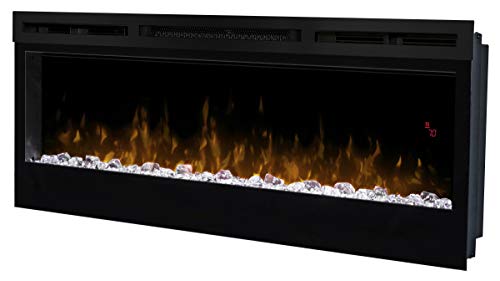
Dimplex Prism Wall Mount Fireplace: Sleek Heat With Modern Flame Style





