Best used snowblower 2026 smart buys

Best used snowblower shopping gets real fast once the first storm hits and every decent machine within driving distance starts disappearing. A secondhand blower can save serious money, sure, but only if the engine starts clean, the auger feels solid, and the chute doesn’t fight back like a rusty gate. Nobody wants to drag home a bargain that turns into a Saturday full of belts, shear pins, stale gas, and colorful language. So, yeah, the price tag matters, but condition tells the real story.
Two-stage snowblowers usually make more sense for deeper snow, long driveways, and packed berms left by the plow. Smaller single-stage models can still earn their keep on short paved paths, especially where storage space is tight and snowfall stays moderate. But the wrong fit becomes annoying fast, with wet snow clogging the chute or a lightweight machine bouncing over uneven pavement. That’s where patience pays off, because a clean older unit from a careful owner often beats a cheaper one that’s been run hard and parked wet.
Used snowblower inspection should start cold, not after the seller has already warmed it up. A healthy engine should start without drama, idle steadily, and respond when the throttle changes. Listen for grinding, rattling, or surging, because those little noises tend to get louder after money changes hands. Also, check the scraper bar, skid shoes, tires, cables, belts, and auger housing, since worn parts can quietly erase the savings.
Electric start, heated grips, power steering, and a metal chute sound nice, but basic reliability still carries the day. A clean carburetor, fresh oil, intact belts, and smooth controls matter more than a fancy feature list. Still, comfort isn’t fluff during a bitter morning storm, especially with heavy snow at the driveway apron. The sweet spot is a machine that feels maintained, not just polished for a quick sale.
Best used snowblower deals often show up before winter panic kicks in, not during the first big snowfall. Ask for maintenance history, look for stored-indoors signs, and don’t be shy about walking away from cracked plastic, rusty augers, or missing safety parts. A fair deal should leave room for small tune-up costs, because used outdoor gear almost always needs something. Done right, a secondhand snowblower clears snow, saves cash, and keeps the shovel from becoming the main plan.

- BWP Score8.4
BWP Score is a ranking system developed by Bestwinterproducts.com. BWP score has no relationship or impact from any manufacturers or sales agent websites. Learn more
- BrandAriens
- BWP Score7.8
BWP Score is a ranking system developed by Bestwinterproducts.com. BWP score has no relationship or impact from any manufacturers or sales agent websites. Learn more
- BrandPowerSmart

- BWP Score8.6
BWP Score is a ranking system developed by Bestwinterproducts.com. BWP score has no relationship or impact from any manufacturers or sales agent websites. Learn more
- BrandEGO Power+
- BWP Score8.0
BWP Score is a ranking system developed by Bestwinterproducts.com. BWP score has no relationship or impact from any manufacturers or sales agent websites. Learn more
- BrandSnow Joe
- BWP Score8.8
BWP Score is a ranking system developed by Bestwinterproducts.com. BWP score has no relationship or impact from any manufacturers or sales agent websites. Learn more
- BrandEGO Power+
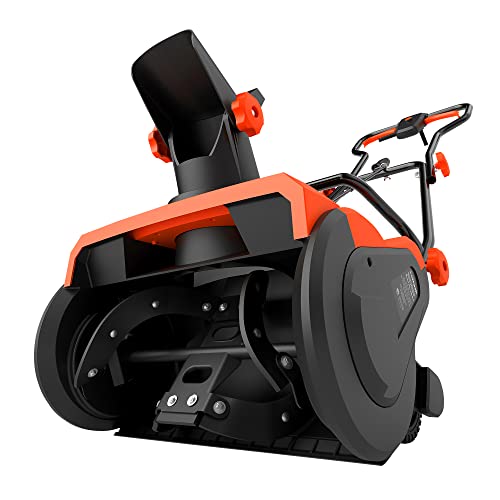
- BWP Score8.0
BWP Score is a ranking system developed by Bestwinterproducts.com. BWP score has no relationship or impact from any manufacturers or sales agent websites. Learn more
- BrandVOLTASK
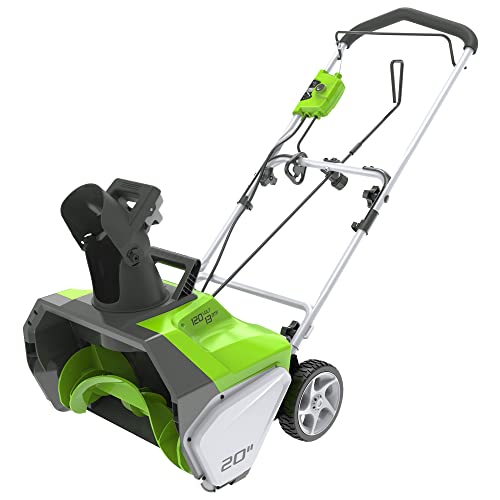
- BWP Score8.4
BWP Score is a ranking system developed by Bestwinterproducts.com. BWP score has no relationship or impact from any manufacturers or sales agent websites. Learn more
- BrandGreenworks
Last update on 2023-05-05 / Affiliate links / Images, Product Titles, and Product Highlights from Amazon Product Advertising API
Best Used Snowblower For Heavy Winter Cleanup
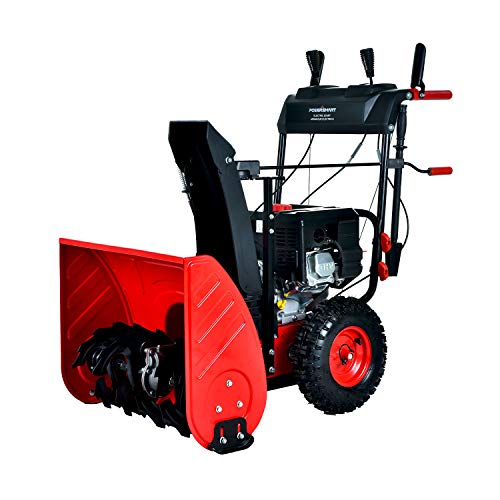
Frozen slush at the end of the driveway can turn a quiet morning into a back-breaking mess in a hurry. Cheap machines often bog down right where packed snow gets dense, wet, and stubborn. That’s where the best used snowblower category starts separating dependable equipment from frustrating impulse buys. The Ariens 921045 SNO-Thro 2-Stage Deluxe Snow Blower keeps showing up in serious winter conversations because it balances throwing power, manageable size, and less of that exhausting “fight the machine” feeling that older snowblowers sometimes bring.
Ariens Deluxe 24
Ariens Deluxe 24 feels built for long winters instead of occasional light snowfall. The 254cc AX engine has enough grunt to push through compacted snowbanks without sounding strained every few feet. Wet accumulation tends to expose weak augers fast, yet this model keeps feeding snow consistently into the impeller. That steadier intake matters more than flashy extras once snowfall starts stacking up past ankle height.
Two-stage snow clearing changes the whole experience on uneven driveways and heavy accumulation. Single-stage machines can chatter and bounce over packed ridges, especially after plows leave icy berms near the curb. The Ariens housing width hits a practical middle ground because 24 inches clears enough path without feeling oversized in tighter garage spaces. Bigger machines sometimes become annoying to maneuver around parked vehicles or narrow walkways.
Auto-Turn steering deserves attention because it genuinely affects fatigue during longer sessions. Older snowblowers with rigid steering often feel like wrestling a shopping cart with one locked wheel. This setup pivots more naturally, especially during tight turns near sidewalks or landscaping edges. That lighter handling becomes noticeable after thirty or forty minutes outside in biting wind.
Snow throwing distance around 50 feet sounds excessive until wind starts blowing discharged snow back toward cleared areas. The impeller pushes snow far enough to help prevent repeated cleanup passes after storms. Dense snow still reduces distance somewhat, naturally, but the chute output stays respectable under heavier conditions. A weaker blower usually starts spitting clumps instead of maintaining a cleaner stream.
Cold Morning Engine Behavior
Cold starts can make or break winter equipment ownership. Plenty of used snowblowers look decent in online listings yet become stubborn nightmares once temperatures drop hard overnight. The Ariens AX engine generally starts with less drama than bargain models that sit sputtering while the driveway keeps disappearing under fresh snowfall. That consistency matters during early work mornings when nobody wants a twenty-minute carburetor argument in freezing weather.
Engine response stays fairly smooth under changing snow density. Some machines sound fine in powder but suddenly choke once wet snow packs into the auger housing. The Deluxe 24 handles transitions better than many lower-priced alternatives because the motor doesn’t constantly feel overwhelmed. Snowbanks left by municipal plows still slow things down a bit, though the machine rarely feels underpowered.
Fuel usage lands somewhere reasonable for the amount of work being done. Large two-stage units naturally consume more gas than compact electrics, but the payoff shows up in clearing speed and reduced physical strain. Refueling during massive storms may still happen if clearing large driveways or multiple properties. Smaller tanks can interrupt workflow during back-to-back passes after heavy overnight accumulation.
Noise levels remind you quickly that this is still gas-powered outdoor equipment. It’s not painfully loud compared to older commercial-style blowers, but neighbors definitely won’t mistake it for a quiet electric unit at sunrise. Ear protection makes long sessions more comfortable. That said, most people dealing with deep snowfall will probably trade a little noise for dependable clearing strength.
Real Winter Handling Impressions
Driveway traction stays solid on packed snow thanks to the machine’s weight distribution and tire setup. Lightweight snowblowers sometimes ride up over dense accumulation instead of biting into it properly. The Ariens feels planted without becoming impossible to control. That balance helps reduce the stop-and-go frustration common with underpowered units.
Wet snow performance is where weaker snowblowers usually wave the white flag. Slushy accumulation tends to clog chutes, overload belts, and leave half-cleared tracks behind. The Deluxe 24 handles moisture-heavy conditions surprisingly well if the chute stays reasonably clean. A quick spray treatment inside the chute can still help prevent sticky buildup during storms hovering near freezing temperatures.
Control placement feels practical instead of overly complicated. Gloves don’t constantly snag awkward levers or tiny controls during operation. The chute adjustment stays accessible while moving, which becomes handy once wind direction shifts mid-session. Little usability details like that don’t seem exciting online, but they matter a lot during actual snowfall.
Storage size lands in manageable territory for most garages. Massive snowblowers sometimes become seasonal furniture that blocks tools, bikes, or shelving access. This unit still needs a decent footprint, obviously, but it avoids the oversized bulk of larger commercial-style equipment. Tight sheds may still feel cramped once fuel cans and winter gear start piling up nearby.
Pros And Tradeoffs
Strong clearing power stands out immediately during deeper snowfall. The combination of the 254cc engine and two-stage design handles compact snow with less hesitation than many midrange competitors. Clearing packed berms becomes less physically draining because the machine keeps pulling itself forward instead of constantly stalling. That smoother workflow saves time during repeated storms.
Auto-Turn steering reduces shoulder fatigue more than expected. Long driveways can become exhausting with rigid-handling equipment that constantly fights directional changes. This system makes turning feel more natural, especially near garage corners and curved walkways. The steering isn’t sports-car precise, despite the marketing language, though it still feels noticeably easier than many older snowblowers.
Durability generally works in this model’s favor, especially if previous owners kept up with basic maintenance. Ariens machines tend to have stronger long-term reputations than some bargain brands that start rusting aggressively after a few winters outdoors. Still, used buyers should inspect belts, skid shoes, scraper bars, and auger components carefully before committing. Neglected snowblowers can hide expensive repairs beneath fresh paint and shiny photos.
Weight becomes both a strength and weakness depending on the situation. Heavier construction improves traction and snow-cutting ability, but maneuvering inside cramped sheds or lifting during transport takes effort. Smaller users may find the machine tiring to reposition manually without engine assistance. Icy slopes can also make handling trickier despite the steering support.
Ownership Details Worth Knowing
Maintenance access feels fairly straightforward compared to some overly cramped snowblower designs. Oil checks, belt inspections, and routine servicing don’t require contortionist-level patience. Seasonal prep still matters, though, because stale fuel and neglected carburetors ruin plenty of otherwise dependable machines. A used blower with maintenance records always deserves extra attention.
Replacement parts are easier to source than obscure snowblower brands that disappear after a few winters. That matters once shear pins snap or belts start wearing down after repeated heavy use. In real-world ownership, parts availability often becomes more valuable than flashy marketing specs. Waiting weeks for uncommon components during peak winter season gets old fast.
Snowblower longevity depends heavily on storage habits and off-season care. Machines left outside uncovered tend to develop rust, frozen controls, and cable issues much faster. Garage-kept units usually age better and show fewer corrosion problems around the housing and chute assembly. Buyers looking at used equipment should pay close attention to rust underneath rather than focusing only on cosmetic scratches.
Winter footwear matters almost as much as the machine during icy cleanup sessions. Packed snow around sloped driveways can become slick enough to make maneuvering heavy equipment awkward. In real-world usage, a relevant reference is best boots for walking on ice because stable footing changes how confidently a snowblower can be handled on frozen surfaces.
Best Used Snowblower For Deep Snow Driveways
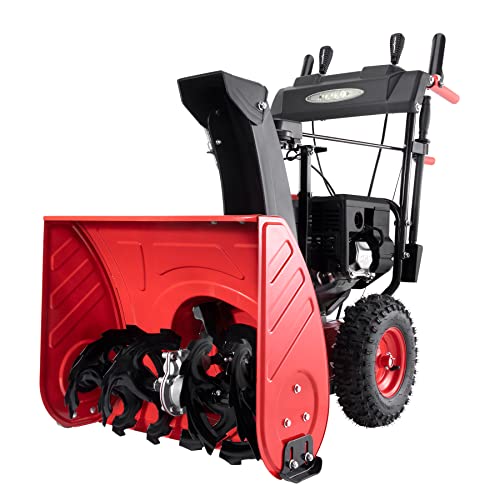
Heavy snow has a nasty habit of showing up overnight right before work, school runs, or grocery trips nobody can postpone. Weak snowblowers usually tap out once slush thickens or icy chunks start piling near the curb. That frustration pushes many people toward the best used snowblower category instead of gambling on tiny entry-level machines that struggle after one serious storm. The PowerSmart PS26 lands somewhere between practical muscle and budget-conscious winter equipment, especially for long driveways that need more than a lightweight pass.
PowerSmart PS26
PowerSmart PS26 carries a slightly more aggressive personality than smaller residential snowblowers. The 212cc 4-stroke engine gives enough torque to chew through dense snow without sounding like it’s begging for mercy halfway through the driveway. Wet accumulation still slows things down occasionally, sure, but the machine keeps moving with decent consistency. That matters once storms start stacking layers instead of dropping light powder.
26-inch clearing width changes the pace of snow removal noticeably. Narrow blowers can turn large driveways into long, repetitive chores that eat up an entire morning. This wider housing clears more ground without becoming absurdly bulky around garages and parked vehicles. Tight walkways may still require extra maneuvering, though the tradeoff usually feels worth it during heavier snowfall.
Electric start helps reduce one of winter’s most annoying rituals: endless recoil pulling in freezing temperatures. Cold engines sometimes turn basic snow removal into an arm workout nobody asked for. Plugging in the extension cord and hitting the starter button feels much more civilized during dark early mornings. The recoil backup still matters during outages or when cords become inconvenient.
Dual-stage snow handling gives this machine better bite in compacted areas compared to single-stage alternatives. The all-steel auger keeps feeding snow toward the impeller steadily, which helps reduce clogging in wetter conditions. Dense snowbanks left by road plows still challenge the system a bit, but the chute stays clearer than expected. That smoother flow cuts down on frustrating stop-and-clean moments.
Snow Clearing In Real Conditions
Driveway coverage becomes one of the strongest advantages here. Clearing paths wide enough for multiple vehicles usually demands a machine with decent width and enough traction to stay planted. The PS26 handles long straight runs comfortably, especially on concrete and asphalt surfaces. Gravel driveways take more patience since loose stones can occasionally get tossed around if skid shoes sit too low.
Snow throwing distance reaching roughly 40 feet helps keep cleared paths cleaner after repeated passes. Short throwing range sounds manageable until wind starts blowing discharged snow right back into your workspace. The chute system on this model pushes snow far enough to reduce that annoying cycle. Heavy wet snow naturally shortens distance somewhat, but overall discharge strength remains respectable.
LED lighting might sound minor until winter darkness starts arriving before dinner. Early morning cleanup or late-night storm clearing becomes easier once visibility improves around garage edges and walkways. Dim outdoor lighting often hides icy ridges or uneven patches that trip people up while maneuvering heavy equipment. The built-in lights won’t replace floodlights, though they absolutely help during darker conditions.
Adjustable skid shoes quietly improve versatility across different surfaces. Asphalt, decorative pavers, and gravel all need slightly different handling to avoid scraping damage or stone pickup. Owners rushing through setup sometimes ignore this adjustment, then wonder why the machine feels rough or uneven. Small setup details like that affect long-term usability more than flashy advertising phrases.
Handling And Maneuverability
Self-propelled drive saves serious effort once snow depth climbs past a few inches. Pushing heavy snowblowers manually across packed accumulation gets old fast, especially after multiple storms in one week. The six forward speeds help adjust pacing depending on snow conditions and surface grip. Faster settings feel useful on lighter powder, while slower speeds handle denser snow more confidently.
Reverse speeds become surprisingly important in cramped spaces. Tight garage aprons, narrow side paths, and parked cars can turn large snowblowers into awkward beasts without decent reverse control. The PS26 backs up more smoothly than some cheaper machines that practically need dragging. That convenience matters after thirty minutes outside in freezing wind.
Track-style tire tread grips slippery terrain fairly well under icy conditions. Lightweight machines often slide sideways once packed snow hardens underneath. These tires bite into snow-covered surfaces with more confidence, especially during uphill passes. Ice still requires caution, naturally, because no tire setup completely defeats slick frozen surfaces.
Dual-trigger steering takes a little adjustment at first but improves turning once familiar. Older rigid-handle snowblowers can feel exhausting during repeated direction changes. This setup allows tighter maneuvering near landscaping edges and corners without wrestling the machine constantly. It’s not flawless on extremely uneven terrain, though it still feels easier than many older two-stage models.
Pros And Drawbacks
Strong snow-clearing capability stands out immediately during heavier storms. The engine and auger combination handles moderate-to-deep accumulation with less hesitation than many bargain snowblowers in the same price range. Long driveways benefit most because wider clearing paths reduce total passes. Thick slush near road entrances still slows performance slightly, but the machine rarely feels overwhelmed.
Practical features give the PS26 a more usable everyday feel instead of chasing gimmicks. Electric start, LED lights, chute controls, and adjustable speeds all solve actual winter frustrations people deal with during storms. Those conveniences become even more valuable during repeated snow events where physical fatigue starts adding up. Fancy extras matter less than simple features that genuinely reduce hassle.
Machine weight creates a mixed experience depending on storage and terrain. Heavier construction improves traction and auger stability but also makes transport harder. Moving the unit around a cramped garage or lifting it into trailers takes some muscle. Smaller storage spaces may feel crowded once fuel containers and winter equipment start piling nearby.
Noise levels remain typical for a gas-powered two-stage blower. Quiet operation simply isn’t the main selling point here. Morning use in suburban neighborhoods may annoy light sleepers, especially during extended cleanup sessions after major storms. Ear protection helps during long clearing jobs, particularly once the engine stays under heavier load.
Ownership Details That Matter
Maintenance routines stay fairly manageable if handled consistently. Fuel stabilizer, oil changes, belt inspections, and chute cleaning go a long way toward avoiding mid-season breakdowns. Neglect tends to hit snowblowers hard because many sit untouched for months before getting thrown into brutal winter conditions. A machine that starts easily in November usually reflects decent off-season care.
Replacement support through PowerSmart’s repair network adds a bit of reassurance for long-term ownership. Snowblower downtime during peak winter weather can become incredibly frustrating once local repair shops back up with seasonal demand. Access to parts and support matters more than flashy marketing once something actually needs attention. Warranty coverage also helps soften concerns around unexpected defects.
Used snowblower buyers should inspect auger condition, skid shoe wear, belts, and chute rotation before committing to secondhand units. Cosmetic scratches aren’t usually a dealbreaker, but rust underneath the housing deserves closer attention. Cold-start behavior reveals plenty about maintenance habits too. A snowblower that only starts after repeated attempts often signals future headaches.
Winter comfort extends beyond snow-clearing equipment itself. Long sessions outside on icy surfaces can become slippery fast once packed snow hardens beneath your boots. In real-world usage, a relevant reference is fire sense wall mounted electric fireplace because warming up indoor spaces quickly after snow removal becomes part of the overall winter routine many households deal with during colder months.
EGO Power+ SNT2102 Cordless Snow Blower
Quiet winter cleanup sounds nice until the driveway is covered, the clock is ticking, and a gas engine refuses to cooperate. Cordless machines bring a different kind of promise: less noise, no pull cord drama, and fewer fumes hanging around the garage. The best used snowblower conversation gets interesting with the EGO Power+ SNT2102 because it trades gas-engine muscle for battery convenience, compact storage, and a cleaner start-up routine. Still, battery power has limits, and this model makes the most sense where snow piles up regularly but not in brutal, plow-packed walls every other morning.
EGO Power+ SNT2102
EGO Power+ SNT2102 leans into simplicity without feeling flimsy. The push-button start removes one of the most irritating parts of winter gear, especially on cold mornings when gloves are already stiff and patience is running thin. Two 56-volt batteries feed the Peak Power system, giving the machine enough energy to handle typical driveway cleanup without gas cans or carburetor fuss. That alone makes it appealing for anyone tired of seasonal engine babysitting.
Battery-powered operation changes the whole rhythm of snow removal. There’s no stale fuel problem, no oil change routine, and no choking exhaust cloud while working near a garage door. The high-efficiency brushless motor keeps the machine feeling responsive, especially in lighter snow where gas models can feel like overkill. Of course, deep wet snow asks more from the batteries, so runtime expectations need to stay grounded.
21-inch clearing width fits the sweet spot for sidewalks, single-car paths, small-to-medium driveways, and tight storage spaces. Wider two-stage gas machines clear more per pass, but they also demand more room and more effort to turn. This EGO feels easier to guide around parked cars, porch steps, and narrow side paths. That smaller footprint matters a lot once winter gear starts crowding the garage.
Quick-fold storage gives the SNT2102 a practical edge after the storm passes. Many snowblowers become bulky garage obstacles for most of the year, sitting in the way of bikes, tools, garden supplies, and trash bins. Folding the handle down helps reduce that awkward off-season footprint. It won’t disappear into a closet, but it behaves better than a big gas blower in a cramped space.
Battery Power And Snow Clearing Feel
Peak Power technology combines two EGO 56-volt batteries, and that dual-battery setup is the heart of this machine. The motor feels smooth rather than rough, with instant response when the paddles bite into fresh snow. For a driveway covered in around 8 inches of lighter snow, the design feels right in its comfort zone. Heavy slush, though, can drain energy faster and reduce throwing distance.
Snow throwing distance reaches up to 35 feet based on the provided details, which is solid for a cordless single-stage blower. Powdery snow moves farther and cleaner, while damp snow tends to land closer and heavier. That’s just physics, not a defect. The key is working at a steady pace instead of charging into wet buildup like a gas-powered tank.
Variable-speed control helps keep the machine from feeling like a one-note tool. Lighter snow can be handled quickly, while thicker patches benefit from slowing the feed rate and letting the motor keep up. That control matters on uneven snowfall, where one section of the driveway may be fluffy and another may be packed from tire tracks. A little patience keeps the chute flowing better.
Brushless motor efficiency is one of the better reasons to consider this unit used, assuming the batteries are still healthy. Fewer moving engine parts means fewer gas-related headaches, but battery condition becomes the big inspection point. A used EGO blower with tired batteries can feel like a bargain at first and a headache later. Battery age, charging behavior, and included charger condition deserve close attention before money changes hands.
Comfort Features That Matter Outside
Push-button start feels almost spoiled after dealing with old recoil-start snowblowers. Pressing a button and getting straight to work cuts out the usual cold-start guessing game. No priming ritual, no cord yanking, no wondering whether last season’s fuel clogged something. That ease is a real strength for quick cleanup before work or after dinner.
LED headlights are more useful than they sound on paper. Winter cleanup rarely happens under perfect daylight, especially after short afternoons and early evening snow. The lights help spot edges, icy patches, and leftover ridges near steps or garage doors. They’re not stadium lights, but they keep the machine from feeling blind in low-light cleanup.
Weather-resistant IPX4 design adds reassurance for normal snowy use. Snowblowers live in wet, messy conditions, so splash resistance isn’t just a nice line in the specs. The machine still deserves careful storage and drying after use, especially around battery contacts and charger areas. Treating cordless equipment carelessly in freezing moisture can shorten its useful life.
Noise control is a quiet advantage, literally. Gas blowers can rattle windows and annoy half the block during early cleanup. This EGO still makes mechanical noise, especially while throwing snow, but it avoids that sharp engine bark. For close-set homes, shared driveways, or early-morning clearing, the lower sound level feels easier to live with.
Pros, Cons, And Used Buying Notes
Main strengths include clean starting, lower maintenance, compact storage, and easier handling than larger gas units. The cordless setup removes several pain points tied to fuel, oil, exhaust, and seasonal engine care. The 21-inch width also keeps the blower nimble enough for tight paths without feeling toy-like. For routine snowfalls, it can make clearing feel less like a chore and more like a quick outdoor task.
Key weaknesses come from battery limits and single-stage expectations. Deep plow piles, frozen ridges, and wet snow can push this machine outside its happiest range. Runtime depends heavily on snow density, temperature, and battery health, so used buyers should avoid assuming fresh-out-of-the-box performance. A strong deal can sour fast if replacement batteries are needed right away.
Used inspection should focus on the batteries first, then the scraper area, paddles, chute movement, handle folding mechanism, and charger. A clean shell doesn’t prove the battery pack holds a proper charge. Ask whether both 5.0Ah batteries are included and whether they charge normally without error lights. Also, check the underside for wear from scraping rough pavement or catching uneven seams.
Realistic fit matters more than brand excitement here. This model suits paved surfaces, moderate snowfall, and people who value easy storage and low upkeep over raw storm-crushing force. Gravel surfaces may be less friendly because single-stage designs sit closer to the ground. From a practical angle, winter visibility gear has its own place in cold-weather routines, and a related reference is best snow goggles for glasses for situations where blowing snow and eyewear comfort become part of the same outdoor headache.
Day-To-Day Use And Practical Limits
Driveway routine feels smoother with this EGO because setup takes very little time. Slide in the batteries, press the start button, adjust speed, and begin clearing. That low-friction process encourages faster cleanup before snow gets walked on, driven over, or turned crusty overnight. Waiting too long after a storm makes any single-stage blower work harder.
Clearing depth around 8 inches for a 10-car driveway, based on the provided details, frames the machine’s intended workload pretty clearly. That doesn’t mean every snow event will feel identical, because dry powder and wet slop behave like different materials. The SNT2102 handles regular accumulation better than heavy frozen leftovers. It rewards timely clearing rather than brute-force storm recovery.
Build feel benefits from robust steel construction in areas where durability matters. Cordless equipment sometimes gets dismissed as lightweight, but this model doesn’t come across as a flimsy seasonal gadget. Still, it’s not a two-stage steel auger gas unit meant for chewing through icy curb walls all winter. That distinction keeps expectations fair.
Storage habits will shape long-term satisfaction. Batteries should be stored thoughtfully, away from harsh freezing conditions whenever possible, and the charger should stay dry and protected. The quick-fold handle makes the machine easier to tuck along a wall after use. Treated well, the design supports a cleaner, simpler winter routine without turning the garage into a small-engine repair corner.
Snow Joe 24V-X2-SB18 Snow Blower
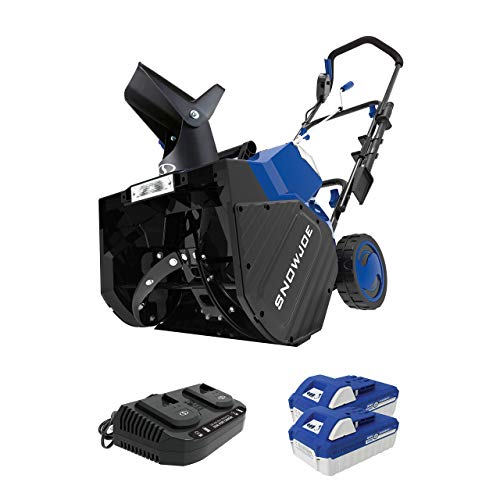
Small storms can still wreck a morning when the walkway turns slick, the car is boxed in, and the shovel feels like punishment before coffee. A full-size gas machine may be overkill for lighter cleanup, but a weak cordless unit can leave behind ridges that freeze into ankle-twisting trouble. That’s where the best used snowblower search gets interesting with the Snow Joe 24V-X2-SB18. It aims for quieter, cleaner snow removal with battery power, an 18-inch clearing path, and enough convenience to make quick winter chores less of a circus.
Snow Joe 24V-X2-SB18
Snow Joe 24V-X2-SB18 has a compact personality, and that’s not a bad thing. The 18-inch clearing width fits sidewalks, patios, narrow driveways, and porch approaches better than bulky gas machines that need half the garage to themselves. Its battery-powered design also skips fuel mixing, pull cords, and that stale-gas headache that shows up after months of storage. For routine snow cleanup, the whole setup feels more approachable than loud, heavy winter equipment.
48V power comes from two included 24V 4.0Ah batteries, giving the blower a cleaner and simpler workflow. The provided details list up to 40 minutes of rechargeable runtime, which sounds useful for lighter residential clearing. Still, battery runtime depends heavily on snow depth, snow texture, temperature, and how aggressively the machine is pushed. Wet snow will always ask more from a cordless blower than dry powder.
1200W brushless motor gives this Snow Joe its main working muscle. Brushless motors tend to feel smoother because they deliver power without the same maintenance concerns as gas engines. There’s no carburetor to baby, no oil change to remember, and no exhaust smell following you around the driveway. That simplicity is a real perk for anyone who wants snow cleared without turning winter into small-engine homework.
4-blade rubber-tipped steel auger gives the machine a practical bite for paved surfaces. The rubber tips help scoop snow while being less aggressive than all-metal augers on delicate hard surfaces. The provided specs say it clears a path 18 inches wide and 10 inches deep in a single pass, which frames this blower as a light-to-moderate storm tool. Packed plow banks and icy chunks are not its happy place.
Clearing Power And Daily Use
Snow clearing capability looks strongest in regular driveway and walkway maintenance rather than storm recovery. The listed capacity of up to 14 tons of snow per charge gives a useful sense of workload, though real-world conditions can swing that number around. Powdery snow lets the blower move faster and cleaner. Heavy, slushy snow forces a slower pace and may require smaller bites.
18-inch coverage creates a nice balance between speed and control. A narrower machine takes more passes than a big two-stage unit, no doubt, but it’s easier to steer around steps, bins, garden edges, and parked cars. That matters in real homes where snow doesn’t fall onto one wide, empty rectangle. Tight spaces often punish oversized machines more than people expect.
10-inch clearing depth gives this model enough room for common snowfalls without pretending to be a commercial beast. If snow gets deeper than that, working in layers makes more sense than ramming through the whole pile. Cordless blowers reward patience and timing, especially before snow gets driven over and compacted. Waiting until the storm has turned everything into frozen crust makes the job harder for any single-stage machine.
Nighttime visibility gets a boost from the 2W LED headlight. That small feature becomes useful during early mornings, late evenings, and those gray winter afternoons where everything looks flat and slippery. It helps mark the edge of a walkway or spot leftover ridges near steps. The light won’t replace bright outdoor fixtures, but it adds confidence during quick cleanup.
Battery Convenience And Tradeoffs
Cordless operation is the biggest reason this Snow Joe makes sense as a used buy. No cord dragging behind the machine, no gasoline stored in the shed, and no engine noise rattling through the neighborhood. Starting the blower feels simple compared with older gas machines that may need priming, choking, and repeated pulls. That low-hassle routine makes snow removal feel less like a whole event.
Battery condition becomes the major inspection point on the used market. A clean-looking blower can still be disappointing if the batteries don’t hold a charge well anymore. Both 4.0Ah batteries and the charger should be checked carefully before buying. Replacement battery costs can change the value of a used deal pretty quickly.
Cold weather performance needs realistic expectations. Batteries often feel less lively in very low temperatures, especially once snow gets wet and heavy. Storing batteries indoors before use can help preserve available power during cleanup. Leaving packs in a freezing garage for days may make the blower feel weaker right when it’s needed most.
Maintenance needs stay refreshingly light compared with gas snowblowers. The auger, scraper edge, chute, battery contacts, and housing still need basic attention after use. Snow packed into the chute or around the auger can freeze solid if ignored. A quick wipe-down and dry storage routine can save plenty of irritation before the next storm.
Pros And Cons In Plain English
Main strengths start with easy starting, compact handling, and low upkeep. The Snow Joe 24V-X2-SB18 feels better suited to quick, repeatable snow cleanup than occasional battles with huge piles. Its brushless motor and dual-battery setup give it a smoother feel than tiny underpowered cordless units. The quieter operation also makes early clearing less obnoxious for nearby homes.
Best-fit situations include paved driveways, walkways, decks, patios, and smaller areas where a gas machine feels like too much. The 18-inch width keeps the blower manageable, while the 10-inch clearing depth gives enough capacity for moderate snowfall. It’s the kind of tool that rewards staying ahead of storms. Let snow pile up too long, and the limitations become more obvious.
Weaknesses show up in dense plow piles, icy snow, and long cleanup sessions after heavy storms. Single-stage cordless machines don’t have the same chewing force as two-stage gas blowers. The rubber-tipped auger is friendlier on paved surfaces, but it won’t bully frozen chunks the way steel-heavy machines can. That tradeoff should be clear before treating it like a deep-winter workhorse.
Used buying risk mostly centers on batteries, wear parts, and storage history. Look closely at the auger edges, scraper area, chute movement, and handle hardware. A blower stored wet or tossed around can show cracks, corrosion, or sticky controls. A unit with clean battery terminals and smooth chute movement usually tells a better story than one with only polished plastic.
Handling, Storage, And Winter Practicality
Lightweight handling makes this Snow Joe less intimidating than big gas-powered machines. Pushing it across flat pavement feels more like guiding a yard tool than wrestling a metal sled. That helps during quick touch-ups after a light storm or while clearing narrow sidewalk strips. Still, traction and pacing matter once snow gets heavier.
Storage space is another quiet advantage. Smaller cordless blowers fit better in garages already crowded with lawn tools, bins, bikes, and bags of ice melt. The compact body also makes off-season storage less annoying. Big snowblowers often become immovable garage furniture, while this one is easier to tuck away.
Surface compatibility favors smooth pavement. The rubber-tipped auger should feel more comfortable on concrete or asphalt than on gravel, where loose stones can become a problem. Gravel paths need caution because single-stage machines sit low and can scoop debris along with snow. That’s not a flaw so much as a category limit.
Winter clothing comfort plays into the cleanup routine more than people admit. Cold feet and damp socks can make even a short snow-clearing job feel miserable. From a practical angle, a related reference sits in best socks to wear with Sorel boots because warmth, boot fit, and dry footing matter during the same chilly chores this blower is built around.
Where It Makes Sense And Where It Doesn’t
Small-property use is where the Snow Joe 24V-X2-SB18 feels most natural. Short driveways, patios, walkways, and porch steps don’t always justify a loud gas machine. This blower gives enough width to avoid endless passes while staying easy to control. That middle ground is its biggest charm.
Heavy-snow regions may expose its ceiling fast. A cordless single-stage blower can handle frequent lighter storms better than occasional monster dumps. Deep, wet, or compacted snow will take more time and more patience. Anyone expecting two-stage gas performance from this machine will probably end up grumbling.
Used value depends on the full kit being included. The two batteries and charger are not side details, they’re central to the purchase. A lower price without healthy batteries may not be much of a deal. Testing charge status and runtime behavior matters more than admiring a clean exterior.
Practical ownership feels simple if expectations stay fair. Clear snow before it gets packed down, keep batteries warm before use, clean the auger area after clearing, and store the unit dry. Do that, and the Snow Joe becomes a handy winter helper instead of another garage regret. Push it into deep frozen berms, though, and it’ll remind you quickly that compact cordless convenience has boundaries.
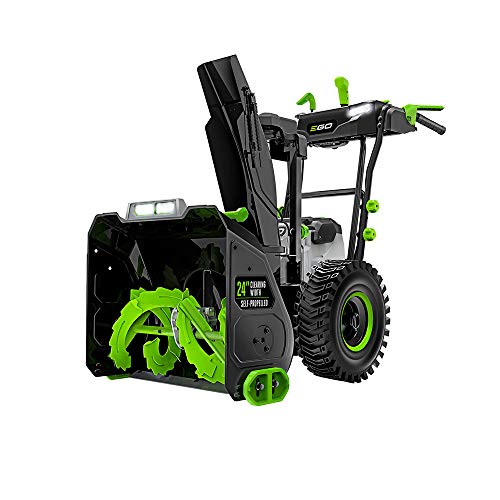
EGO SNT2400 2-Stage Snow Blower
Big storms have a way of turning a driveway into a cold, stubborn job that eats the better part of a morning. A light cordless blower can feel handy until the snow gets deep, crusty, or packed at the curb. That’s why the best used snowblower discussion gets more serious around the EGO SNT2400, because this model brings two-stage clearing, self-propelled drive, and battery-powered convenience into the same machine. It’s not a tiny porch-cleanup tool, and that’s exactly the point.
EGO SNT2400
EGO SNT2400 feels like a cordless machine built for people who don’t want to babysit gas engines but still need real snow-moving ability. The 24-inch clearing width gives it more appetite than smaller single-stage battery blowers. Its 20-inch intake height also helps with deeper accumulation, especially after snow has had time to settle. That larger opening matters when winter doesn’t play nice.
Peak Power technology combines the power of two EGO 56V ARC Lithium batteries, which is the backbone of this setup. The provided details recommend two 7.5Ah batteries for clearing an 18-car driveway with 8 inches of snow on a single charge. That recommendation matters because this model is sold here without batteries and charger included. Used buyers need to price the full system, not just the machine sitting in front of them.
Two-stage snow clearing gives this EGO a stronger bite than smaller cordless units. Instead of simply scooping snow forward and tossing it, the auger and impeller setup handles deeper snow with more authority. The listed throwing distance reaches up to 50 feet, which helps keep cleared areas from getting buried again by nearby piles. Wind and wet snow can still shorten that distance, but the design is clearly aimed at heavier jobs.
Battery power keeps the ownership routine cleaner than gas. No fuel stabilizer, no carburetor drama, no oil changes, and no exhaust fumes lingering around the garage door. That convenience is a big reason this model stands out in the best used snowblower category. Still, battery health becomes the dealbreaker on the used market, especially since packs and chargers are not included with this listing.
Clearing Power And Snow Throwing
24-inch clearing width makes driveway work move along at a better pace. A narrow blower can turn a wide driveway into a tedious back-and-forth shuffle, especially after several inches fall overnight. This EGO covers enough ground per pass without reaching the awkward size of huge gas units. For garages with limited space, that balance feels practical.
20-inch intake height gives the SNT2400 room to handle taller snow without instantly choking. That doesn’t mean it should be slammed into frozen plow walls at full speed, but it does give the machine more confidence in deep accumulation. Packed snow at the end of the driveway will still demand patience. Let the auger work, slow the pace, and the machine has a better chance of staying smooth.
Snow throwing distance up to 50 feet gives this model a meaningful edge during bigger storms. Shorter throwers often create tall side piles that spill back into the cleared path. This EGO can move snow farther away, which helps on wider driveways and areas where repeated passes are common. Wet, heavy snow will behave differently from dry powder, so the number should be treated as a capability ceiling, not a guarantee every morning.
Variable speed auger control adds useful flexibility. Light snow doesn’t need the same bite as dense, compacted buildup. Being able to adjust auger speed helps manage different storm conditions without forcing the blower to run one way all the time. That control becomes especially useful when one part of the driveway is fluffy and another part has tire-packed ridges.
Self-Propelled Handling
Self-propelled drive changes the feel of this machine dramatically. A 24-inch two-stage blower is not something most people want to shove around manually in deep snow. Forward and reverse directions make the SNT2400 easier to position, especially near garage doors, parked vehicles, and tight turnarounds. That feature helps keep the job from turning into a wrestling match.
Variable speed movement lets the machine match the snow instead of forcing one pace through everything. Fast movement feels fine in lighter snow, while slower settings help in deeper or heavier areas. That matters because rushing a snowblower often leads to clogs, uneven clearing, or battery drain. A steady pace usually beats brute force.
Reverse drive is more useful than it looks on a spec sheet. Backing away from a packed snowbank or repositioning near a walkway can be annoying with heavy machines. The reverse function keeps the operator from constantly dragging the blower backward by hand. On slick pavement, that little convenience can feel like a big deal.
Handling weight still deserves respect. This is not a tiny cordless broom pretending to be a snowblower. The heavy-duty steel and composite construction adds durability, but it also means storage, ramps, and tight turns need planning. The upside is a more planted feel when the auger meets deeper snow.
Visibility, Chute Control, And Build
Four bright LED headlights give the SNT2400 a real advantage during early morning or nighttime cleanup. Snow removal rarely happens at a convenient hour, and winter darkness can hide icy patches, driveway edges, and leftover ridges. Better visibility helps reduce missed spots and awkward guesswork. It also makes the machine feel more prepared for real winter timing.
200-degree rear chute control gives plenty of range for directing snow where it needs to land. A chute with limited movement can make clearing frustrating when wind direction shifts or tight spaces require careful placement. The rear chute deflector adds another layer of control over discharge height. That matters near cars, fences, walkways, and planted borders that don’t need a blast of icy snow.
Weather-resistant construction fits the kind of conditions this blower is meant to face. Snow, slush, and freezing moisture are part of the job, not rare surprises. The heavy-duty steel and composite build helps balance strength with cordless practicality. Even so, storing the machine dry and clearing packed snow from moving parts after use will help it age better.
Tool warranty coverage is listed as 5 years, which adds confidence for new ownership, though used buyers should verify transfer rules and remaining coverage before assuming anything. Warranty details can depend on purchase history, registration, and seller documentation. A used machine with paperwork is always more reassuring than one with vague claims. Clean records matter almost as much as clean paint.
Pros, Cons, And Used-Buy Reality
Main strengths start with two-stage clearing, self-propelled movement, strong chute range, and battery convenience. The SNT2400 avoids many gas-engine annoyances while still aiming at heavier snowfall than small cordless units. Its 24-inch width and 20-inch intake height give it enough size for serious driveway work. For a battery-powered blower, the feature set feels unusually capable.
Key drawbacks mostly come from cost and battery dependency. This listing does not include the battery and charger, so the real purchase price can climb quickly if the required EGO batteries are not already on hand. The recommended two 7.5Ah packs are central to the experience, not optional little extras. Without healthy batteries, this blower is just a very promising shell.
Used inspection should focus on the auger, chute movement, drive system, LED lights, battery bay, and handle controls. A rough-looking chute or sticky deflector may signal careless storage. Worn scraper edges and impact marks around the intake can hint at rough use. Since the machine depends on electronics and batteries, clean contacts and smooth controls deserve extra attention.
Best used snowblower value depends on whether the buyer already owns compatible EGO batteries. For someone already in the EGO 56V ecosystem, the SNT2400 can make a lot of sense because the tool-only setup may fit existing gear. For someone starting from scratch, batteries and charger need to be included in the budget. That difference can make the same used price feel either smart or surprisingly expensive.
Comfort, Storage, And Winter Routine
Noise reduction is one of the quieter pleasures of this cordless two-stage design. Gas two-stage blowers can rattle through a neighborhood before sunrise. The SNT2400 still makes mechanical noise while moving snow, but it skips the rough engine bark and exhaust smell. That makes early cleanup feel a little less harsh on everyone nearby.
Storage demands are moderate for a 24-inch two-stage unit. It needs more room than a compact single-stage blower, but it avoids gas storage and fuel smell. Battery packs can be kept separately in a more temperature-friendly spot, which helps protect performance. The machine itself still deserves a dry corner where melting snow won’t sit around the intake or controls.
Winter workflow feels smoother because startup is simple. Install charged batteries, set the speed, aim the chute, and get moving. That rhythm is a far cry from priming, choking, pulling, and hoping an old gas engine wakes up. Cold mornings are still cold, but at least the machine isn’t adding a small-engine argument to the schedule.
Outdoor cold-weather habits often overlap beyond snow removal, especially after dark cleanup sessions or long evenings outside. In some cases, a related reference can be found in how to light a wood fire pit because winter comfort routines often extend from clearing paths to managing safe, steady outdoor heat.
Where This Blower Fits Best
Large paved driveways are the natural match for the EGO SNT2400. The 24-inch width, self-propelled drive, and two-stage clearing system all point toward bigger jobs than small sidewalk cleanup. It has enough structure for repeated winter use without dragging fuel maintenance into the picture. That makes it appealing for people who want muscle without gas fumes.
Heavy snow conditions are more realistic here than with compact cordless blowers. The 20-inch intake height and two-stage system help with deeper accumulation, though frozen plow piles still call for patience. Wet snow may reduce throwing distance and drain batteries faster. That’s normal, not a mystery flaw.
Battery ecosystem fit may decide whether this model feels like a bargain. Existing EGO 56V owners can get more value from a tool-only used machine. New EGO buyers need to factor in batteries, charger, and long-term replacement costs. The blower itself has strong potential, but the power system completes the story.
Realistic ownership means treating this as a serious cordless snowblower, not a maintenance-free magic box. Charge batteries properly, store them wisely, keep the chute clear, and inspect wear parts after rough storms. The SNT2400 rewards that care with cleaner starts, easier handling, and capable snow movement. Ignore battery health or storage habits, and even a strong machine can become a winter headache.


Best Battery Powered Snow Blower 2026 For Effortless Snow Clearing

The Best Overall Snow Blower 2026 Power Pick

Best 2 Stage Snow Blower Under 700 2026 Picks
The Best Riding Snow Blower - (2026 Newest)
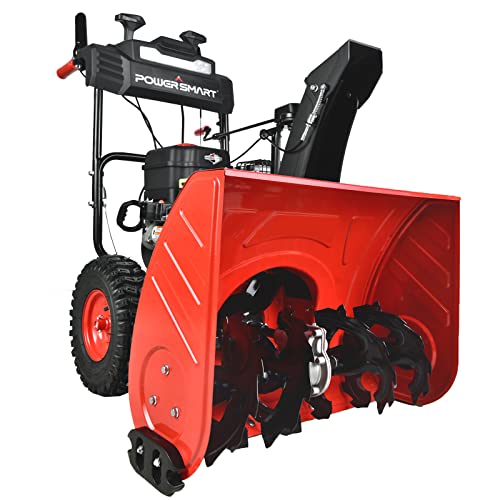
Best Budget Gas Snow Blower Options That Actually Handle Heavy Snow

Best Snowblower for Brick Driveway 2026: Top Picks for Effortless Winter Cleanup
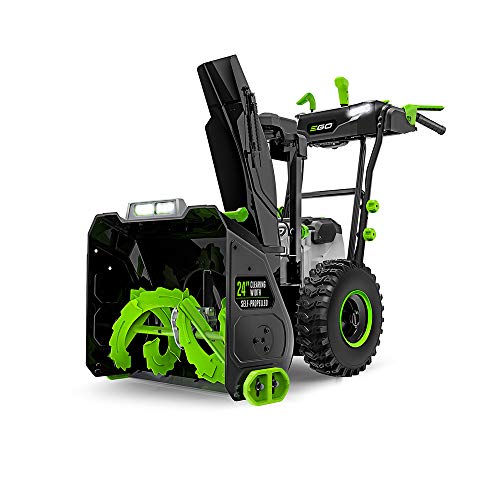
46174best two stage snow blower for the money 2026
Best Snowblower for Heavy Wet Snow 2026 Top Picks for Powerful Performance