
Best Waterproof Heated Motorcycle Gloves 2026 Picks

Best waterproof heated motorcycle gloves matter most when a ride starts calm, then turns into cold drizzle, wet grips, and fingers that stop listening. Warmth alone isn’t enough, though. A glove can feel cozy at the gas station and still become clumsy once the throttle, brake lever, and turn signals need quick, clean movement.
Waterproof heated gloves need a careful balance between insulation, battery placement, heating zones, and feel at the controls. Too much bulk makes clutch work awkward. Too little insulation drains heat fast once wind sneaks through the seams. The sweet spot is a glove that warms the back of the hand and fingers without turning every small movement into a wrestling match.
Battery life deserves a sober look, not wishful thinking. Higher heat settings usually feel great at first, but they can eat through power before a longer ride is done. Lower settings often make more sense for steady commuting, especially when the glove shell blocks wind well and the liner holds warmth instead of bleeding it away.
Water resistance also has a ceiling. A solid waterproof membrane helps during rain, spray, and wet snow, but soaked cuffs, poor jacket overlap, or water running down sleeves can still cause trouble. That’s why cuff length, wrist closure, and gauntlet fit shouldn’t be treated like small details. They’re the quiet difference between dry hands and a cold mess by the time traffic clears.
Grip control can make or break the whole setup. Smooth palms may feel comfortable indoors, yet they can slip on wet grips once road spray builds up. Textured leather or reinforced synthetic panels usually give better confidence, especially during stop-and-go riding where the hand keeps moving between brake, throttle, and switchgear.
Touchscreen fingertips sound minor until a map needs checking with gloves on. Still, touchscreen patches vary a lot. Some respond nicely, while others need a firm press or a little patience. Honestly, they’re helpful for quick taps, not for typing a novel at a windy fuel stop.
Safety features shouldn’t get buried under the heating pitch. Knuckle protection, abrasion-resistant panels, palm sliders, reflective details, and secure closures all matter because winter roads don’t suddenly become forgiving. A heated glove still has to behave like real motorcycle gear, not just a battery-powered winter mitten with a fancy label.
Fit is where many buyers get caught off guard. Heated gloves often run thicker than regular riding gloves, so tight sizing can squeeze fingers and reduce warmth. A little breathing room helps circulation, but too much space makes the controls feel vague. That middle ground, snug but not pinching, is the one worth chasing.
- BWP Score8.4
BWP Score is a ranking system developed by Bestwinterproducts.com. BWP score has no relationship or impact from any manufacturers or sales agent websites. Learn more
- Brandday wolf

- BWP Score9.2
BWP Score is a ranking system developed by Bestwinterproducts.com. BWP score has no relationship or impact from any manufacturers or sales agent websites. Learn more
- BrandWASOTO
- BWP Score8.8
BWP Score is a ranking system developed by Bestwinterproducts.com. BWP score has no relationship or impact from any manufacturers or sales agent websites. Learn more
- BrandWASOTO

- BWP Score7.8
BWP Score is a ranking system developed by Bestwinterproducts.com. BWP score has no relationship or impact from any manufacturers or sales agent websites. Learn more
- BrandLYSHION

- BWP Score8.2
BWP Score is a ranking system developed by Bestwinterproducts.com. BWP score has no relationship or impact from any manufacturers or sales agent websites. Learn more
- BrandXTSZX

- BWP Score9.4
BWP Score is a ranking system developed by Bestwinterproducts.com. BWP score has no relationship or impact from any manufacturers or sales agent websites. Learn more
- BrandMADETEC
- BWP Score8.0
BWP Score is a ranking system developed by Bestwinterproducts.com. BWP score has no relationship or impact from any manufacturers or sales agent websites. Learn more
- BrandAroma Season

- BWP Score8.2
BWP Score is a ranking system developed by Bestwinterproducts.com. BWP score has no relationship or impact from any manufacturers or sales agent websites. Learn more
- BrandDYGSWIN
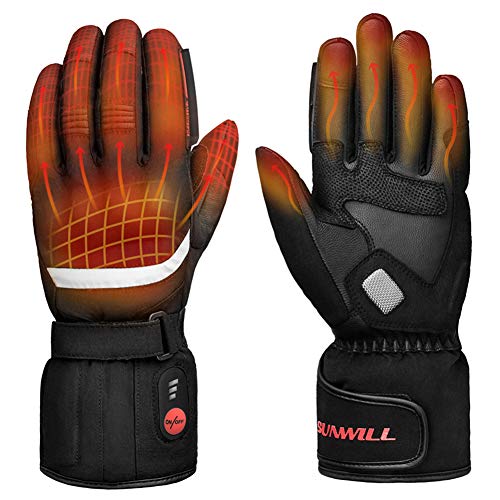
Professional Heated Motorcycle Gloves,Electric Rechargable Battery Gloves for Men Women,Winter
View on Amazon- BWP Score9.0
BWP Score is a ranking system developed by Bestwinterproducts.com. BWP score has no relationship or impact from any manufacturers or sales agent websites. Learn more
- BrandSun Will
Last update on 2023-05-05 / Affiliate links / Images, Product Titles, and Product Highlights from Amazon Product Advertising API
Best Waterproof Heated Motorcycle Gloves
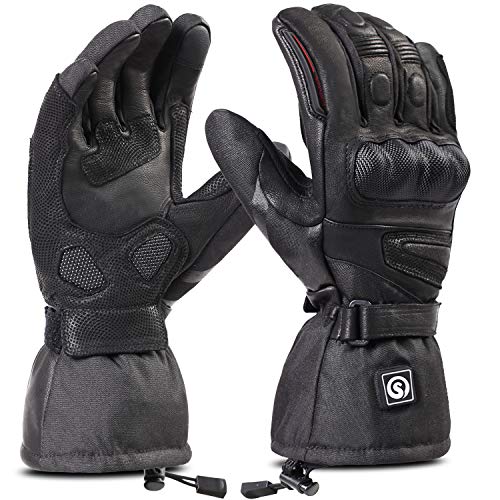
Frozen fingertips can ruin a ride long before the fuel tank runs low. Wet wind sneaks through weak stitching, stiff fingers miss switches, and suddenly every stoplight feels twice as long. That’s exactly where best waterproof heated motorcycle gloves start earning their keep, especially models like the Day Wolf pair that mix battery-powered warmth with real riding protection instead of feeling like bulky winter mittens pretending to be motorcycle gear.
Day Wolf Heated Gloves
Day Wolf Heated Gloves lean heavily into cold-weather practicality. The mix of sheep leather, polyester fabric, rubber padding, and carbon fiber knuckle protection gives them a noticeably tougher feel than many heated gloves that focus only on warmth. Right out of the box, the gloves feel structured rather than floppy, which helps during longer rides where grip stability matters more than people expect.
Heating coverage stands out almost immediately. The far infrared elements stretch across the back of the hand and run through the fingertips instead of stopping halfway down the fingers like cheaper heated gloves often do. Cold air usually attacks fingertips first during highway riding, so that extra coverage actually changes comfort levels instead of serving as marketing fluff.
Battery performance lands in a realistic sweet spot. The included 7.4V 2200mAh rechargeable batteries can last up to around six hours depending on the heat setting and outside temperature. Lower settings stretch runtime nicely during chilly commutes, while higher settings help during sleet, freezing rain, or mountain riding where wind chill hits hard.
Waterproof construction also feels more serious than expected. The IPX66-rated outer shell and internal waterproof bag help block rain and wet snow surprisingly well. Hands stay dry during moderate rain exposure, though heavy all-day storms may still let moisture creep in around the cuff area if the jacket overlap isn’t secure.
Dexterity stays decent despite the insulation. Thick winter gloves often turn brake and clutch control into a clumsy mess, but these maintain enough flexibility for everyday riding tasks. The fingers still feel slightly bulky during detailed tasks like digging keys from a pocket or adjusting small zippers, though honestly that tradeoff comes with nearly every heated motorcycle glove on the market.
Cold Weather Comfort On Long Rides
Winter highway riding exposes weak gloves fast. Wind pressure strips warmth from fingertips within minutes once temperatures dip low enough, especially during early morning commutes. Day Wolf’s insulation cotton liner and velvet interior help trap warmth instead of letting the heating elements do all the work alone.
Comfort levels improve noticeably once the gloves fully heat up after about thirty seconds. That quick warm-up matters more than it sounds. Nobody enjoys standing beside a bike in freezing weather waiting forever for warmth to kick in while fingers already feel stiff.
Moisture management deserves credit too. Sweaty hands can become a hidden problem inside heated gloves because trapped moisture cools quickly once battery levels drop. The moisture-wicking liner helps reduce that damp feeling during long rides, especially during stop-and-go traffic where body heat fluctuates constantly.
Rubber screen wiper on the finger ends up being one of those small features riders appreciate during ugly weather. Rain, road spray, and wet snow build up fast on helmet visors. Swiping the visor clean without fumbling for a cloth feels genuinely practical instead of gimmicky.
Weight distribution stays manageable even with the batteries installed. Some heated gloves feel awkwardly heavy around the wrist area, almost like wearing ankle weights on your hands. These still feel heavier than standard riding gloves, sure, but they avoid that sagging wrist sensation that becomes irritating after an hour on the road.
Protection And Build Quality
Carbon fiber knuckle protection gives these gloves a more motorcycle-focused identity. Plenty of heated gloves prioritize warmth while barely offering meaningful protection during a slide or impact. The knuckle shell adds reassuring structure without making the hands feel rigid or robotic.
Palm reinforcement uses goat leather placement for grip durability and abrasion resistance. Gripping wet handlebars, clutch levers, and brake controls over time wears through weaker palm materials quickly. The leather reinforcement helps reduce that premature thinning problem that shows up on many winter gloves after one hard season.
CE certification under EN 13594:2015 adds another layer of confidence. That doesn’t magically make these race gloves, obviously, but it does separate them from random heated gloves sold purely as winter accessories with little motorcycle protection built in. Riders who spend serious time on cold roads usually notice that difference pretty quickly.
Finger mobility stays respectable despite the armored construction. Tight gloves can reduce blood circulation, while oversized ones kill control precision. Day Wolf manages a middle ground where the gloves feel insulated and secure without turning every throttle adjustment into an awkward hand workout.
Stitching quality appears fairly solid across stress areas like the thumb joint and palm edges. Loose threads and weak seams often show up early on budget heated gloves because heat, moisture, and repeated flexing punish stitching constantly. These feel built for repeated winter use rather than occasional novelty wear.
Pros And Frustrations Riders May Notice
Fast heating response easily ranks among the strongest advantages here. Waiting forever for warmth defeats the entire purpose of heated gloves during freezing conditions. The quick heat-up makes short commutes, fuel stops, and sudden weather changes much easier to tolerate.
Multi-purpose usability also broadens their appeal beyond motorcycle riding alone. Skiing, snow shoveling, winter fishing, hiking, and cold-weather outdoor work all fit naturally with this glove design. From a practical angle, a relevant reference is best ski boots for older skiers, especially for riders who split winter weekends between motorcycles and snow-heavy outdoor trips.
Touchscreen compatibility helps avoid constant glove removal during navigation checks or incoming calls. Still, the touchscreen sensitivity isn’t flawless. Some screens respond immediately, while others need a firmer tap, particularly once moisture builds on the fingertips.
Bulkiness remains one of the more noticeable compromises. Riders used to slim summer gloves may need time adjusting to the thicker insulated design. Tiny switchgear controls and pocket access can feel clumsy at first, especially during crowded city riding where constant hand movement happens.
Battery charging routine adds another layer of maintenance. Forgetting to recharge before an early ride can leave the gloves functioning like ordinary insulated winter gloves instead of heated gear. They still block wind reasonably well without active heating, though the full benefit obviously depends on keeping batteries ready.
Real Riding Situations That Fit These Gloves
Cold highway commuting feels like the natural environment for these gloves. Long stretches of exposed riding amplify wind chill fast, particularly at speeds above 50 mph. Heated coverage across the fingers helps maintain smoother braking and throttle control once temperatures drop below comfortable levels.
Rainy winter traffic also suits their waterproof setup well. Stoplights, slow-moving traffic, and soaked handlebars create a miserable combination for riders using regular insulated gloves. The waterproof membrane and wind resistance help keep hands functional rather than painfully stiff after thirty minutes.
Outdoor winter activities benefit from the gloves’ broader insulation setup too. Snowmobiling, hunting, camping, or ice fishing often involve long periods of stillness where body heat drops quickly. The warmth distribution works especially well during stationary outdoor use because fingertips tend to lose circulation first.
Arthritic stiffness may improve slightly with the steady warmth these gloves provide. Heated gear obviously isn’t medical treatment, but warm hands generally move more comfortably than cold, stiff joints during freezing weather. Riders dealing with hand discomfort during winter commutes may appreciate that difference after longer rides.
Urban riding limitations still exist, though. Riders weaving through dense traffic with constant switch use may prefer slimmer gloves for sharper control feel. Day Wolf’s design clearly favors warmth and protection first, with fine-detail dexterity landing slightly lower on the priority list.
Best Waterproof Heated Motorcycle Gloves
Cold rain has a nasty habit of turning a peaceful ride into a finger-numbing chore halfway through the trip. Thin gloves soak through, bulky winter pairs kill lever control, and cheap heated models often quit warming right when the weather gets ugly. That rough little gap between comfort and real road protection is exactly why the best waterproof heated motorcycle gloves keep getting more attention from riders who spend serious time battling winter wind and freezing rain.
Day Wolf Heated Motorcycle Gloves
Day Wolf Heated Motorcycle Gloves push hard toward riders who want warmth without giving up protective structure. The mix of sheep leather, polyester fabric, carbon fiber knuckle armor, and rubber palm padding gives these gloves a noticeably rugged feel straight away. Plenty of heated gloves feel soft and cozy indoors but become floppy once the throttle twists and road vibration kicks in.
Far infrared heating elements stretch across the full backhand area and continue through the fingertips. That matters more than most people realize because cold fingers usually start at the tips first, especially during highway riding at dawn or late-night commutes. Heat spreading evenly across the fingers prevents that annoying hot-palm, frozen-fingertip imbalance some heated gloves struggle with.
Battery setup feels practical instead of flashy. The included 7.4V 2200mAh rechargeable batteries deliver several hours of warmth depending on outside temperature and selected heat level. Lower heat settings tend to work surprisingly well once the insulation traps warmth properly, while maximum settings chew through power faster during brutal weather.
Construction quality lands somewhere above average for this category. Stitching around the palms and finger joints feels reinforced enough for repeated riding use instead of occasional winter errands. The gloves don’t come across like novelty heated accessories pretending to be motorcycle gear, which honestly separates them from a lot of crowded marketplace options.
Pros include strong heating coverage, waterproof layering, solid knuckle protection, and touchscreen compatibility. Cons mainly circle around added bulk and battery management. Riders used to slim summer gloves will probably notice the thicker feel immediately during city riding or detailed hand movements.
Cold Weather Riding Feel
Wind resistance becomes obvious once speeds climb. Airflow usually sneaks through weak seams or thin finger panels on budget winter gloves, but these hold warmth surprisingly well against freezing wind. Hands stay functional instead of stiff and clumsy, which matters a lot once braking precision and throttle control enter the picture.
Warm-up speed feels quick enough to matter in real life. The gloves start heating within roughly thirty seconds, so there’s less standing around waiting for relief while fingers already ache from cold exposure. Fast heat response makes short rides feel less irritating because the warmth arrives before discomfort fully settles in.
Dexterity lands in that realistic middle ground heated gloves often chase but rarely nail. Thick insulation naturally reduces some flexibility, yet the ergonomic shaping helps keep grip movement fairly manageable. Clutch work, turn signals, and visor adjustments still feel controlled instead of awkwardly stiff.
Velvet lining gives the interior a softer feel than many technical riding gloves. Long rides tend to expose scratchy seams and rough interior stitching quickly, especially during colder weather when hands become more sensitive. These avoid that cheap, abrasive inner texture that can quietly ruin comfort after an hour on the bike.
Rain protection handles moderate storms competently thanks to the IPX66 waterproof setup and internal water barrier. Water resistance holds up best when jacket cuffs overlap correctly. Riders letting rain run directly into the glove opening may still deal with moisture sneaking inside eventually, though that’s common with most gauntlet-style gloves.
Protection And Everyday Practicality
Carbon fiber knuckle armor gives the gloves a tougher riding identity. Heated gloves sometimes sacrifice impact protection in favor of comfort, but these lean more toward genuine motorcycle use instead of casual winter wear. The hard shell protection feels reassuring without making the hands feel trapped inside rigid armor.
Palm reinforcement deserves attention too. Goat leather placement around high-contact areas improves grip stability and helps resist wear from throttle friction and repeated handlebar pressure. Wet grips, cold conditions, and long commutes punish cheap palm materials fast, so reinforced leather makes practical sense here.
Touchscreen fingertips work reasonably well for navigation taps and quick phone checks. They’re not flawless, though. Small screens or wet conditions can sometimes require firmer pressure, especially once the fingertips get damp from snow or rain exposure.
Screen wiper detail feels genuinely useful instead of decorative fluff. Rain streaks and road spray build up fast during winter riding, and wiping a visor clean with the glove finger becomes second nature after a while. Little features like that tend to matter more during rough weather than giant marketing promises ever do.
Weight distribution stays fairly balanced despite the batteries. Some heated gloves feel oddly heavy near the wrist area, almost like carrying tiny sandbags around all ride long. These still feel heavier than standard motorcycle gloves, sure, but they avoid that sagging wrist sensation that can become exhausting over time.
Comfort Tradeoffs Riders Should Know
Bulk remains the most noticeable compromise. Riders who prefer feather-light gloves may need a little adjustment period because insulation and heating hardware naturally add thickness. Pulling keys from pockets, fastening helmet straps, or working tiny zippers can feel mildly clumsy at first.
Battery charging habits become part of the routine. Forgetting to charge the batteries overnight leaves riders depending only on the passive insulation the next morning. Thankfully, the gloves still block cold wind fairly well even without active heating, though the full comfort advantage obviously drops.
Fitment matters quite a bit with heated gloves like these. Gloves that fit too tightly can reduce circulation and actually make hands feel colder despite the heating elements. Slightly relaxed finger room tends to improve warmth retention while still maintaining decent control feel.
Long-distance comfort works better than expected because the insulation balances warmth without turning the interior sweaty too quickly. Heated gloves sometimes trap moisture badly once temperatures shift during stop-and-go traffic. The moisture-wicking liner helps keep that clammy feeling under better control.
Grip confidence stays consistent in wet conditions thanks to the textured palm materials and ergonomic shaping. Slippery controls during freezing rain can make riders tense up unconsciously, especially on longer rides. These gloves reduce that nervous slipping sensation better than many softer winter glove designs.
Where These Gloves Fit Best
Winter commuting feels like the strongest match for this setup. Early mornings, cold highway runs, and wet urban traffic all expose weak gloves brutally fast. Day Wolf’s heating system and waterproof layering handle those repetitive cold-weather frustrations better than basic insulated gloves.
Outdoor versatility expands their usefulness beyond motorcycles alone. Skiing, snow shoveling, hunting, camping, and cold-weather fishing all line up naturally with the glove design. In real-world usage, a relevant reference is best ski boots for older skiers, especially for people balancing winter sports with year-round riding habits.
Arthritic hand stiffness may benefit from the steady warmth flowing through the fingers and joints. Heated gear isn’t some miracle cure, obviously, but warmer joints often move more comfortably during freezing weather. Riders dealing with stiff fingers during cold rides may appreciate how evenly the warmth spreads across the hands.
Urban stop-and-go traffic exposes one limitation, though. Riders constantly working switches and controls in crowded streets may notice the extra glove thickness more than highway riders do. Slimmer gloves still feel sharper for highly detailed hand movement, but they rarely deliver this level of warmth and weather protection together.
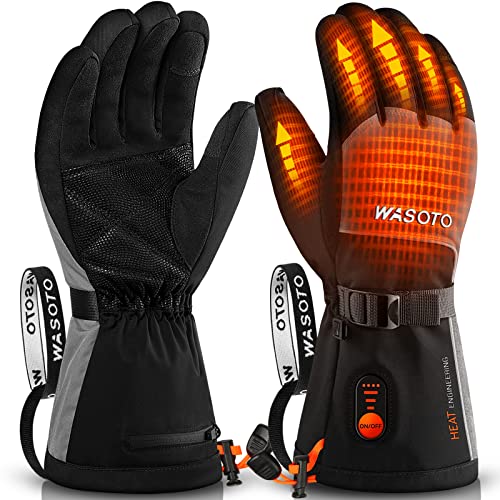
7.4V Heated Ski Gloves
Cold fingers don’t just feel annoying, they make every zipper pull, phone tap, ski pole grip, and handlebar adjustment feel slower than it should. Thick winter gloves can trap heat, sure, but they often turn basic hand movement into a clumsy shuffle. That’s where best waterproof heated motorcycle gloves like this 7.4V rechargeable pair make sense, especially for long winter days where wind, wet snow, and numb fingertips all seem to show up at once.
7.4V Heated Ski Gloves
7.4V Heated Ski Gloves bring a stronger battery setup than many lighter-duty heated gloves that rely on lower-voltage packs. The provided 7.4V 3000mAh rechargeable lithium battery has a listed energy rating of 22.2Wh, which gives the heating system more muscle in genuinely cold conditions. That matters because weak heat feels fine indoors, then fades fast once the air turns sharp and the hands start losing warmth through the fingertips.
Battery runtime is listed at up to 8 hours on the low setting with a full charge. That number should be read realistically, since higher heat levels, freezing wind, and repeated outdoor exposure can shorten the useful warmth. Still, for steady low-level heat during skiing, hiking, cycling, or outdoor work, the battery capacity gives these gloves a more practical edge than many small-pack heated models.
Safety certifications are part of the battery claim, with UL, FCC, and CE mentioned in the supplied product details. That’s a meaningful note for electric gloves because batteries sit close to the wrist and hand for hours. I wouldn’t treat certifications as a magic shield against wear or misuse, but they do add reassurance compared with no-name packs with vague specs.
Backup battery support is also worth noticing. The product notes mention a separate backup battery ASIN for anyone needing longer use across a full outdoor day. That’s useful for cold-weather routines where charging access isn’t nearby, though buying extra batteries obviously adds to the total cost.
Heating Coverage And Fingertip Warmth
Heating coverage is the main reason this glove stands out on paper. The 30K double-row heating wire covers the entire back of the hand and runs from the fingers to the fingertips. Fingertips are usually the first place to go stiff, so full-length heat coverage matters more than a warm patch sitting only across the knuckles.
Fast heating pairs well with the stronger 7.4V system. The product description does not give an exact warm-up time, so it’s better not to pretend there’s a tested stopwatch result here. What can be said fairly is that higher-voltage heated gloves usually aim to warm more assertively than basic 5V styles, especially once cold air starts pressing against the shell.
Power display is a smart addition that feels more useful than flashy. Guessing battery life in the middle of a cold ride or ski day gets old fast. A visible battery display helps manage heat levels before the gloves run low at the worst possible moment.
Heat control still requires common sense. Running the highest setting nonstop may feel tempting during brutal cold, but it can drain the battery quicker and may feel too warm during active movement. Low or medium settings often make more sense once the glove’s seven-layer build starts holding warmth around the hand.
Material Build And Hand Feel
Seven layers of material give these gloves a warmer, more substantial feel than thin winter liners. That layered construction helps trap heat from the battery system while also blocking cold air from sneaking through too easily. The tradeoff, of course, is added thickness around the fingers and palm.
Superfine fibre palm material is positioned as more wear-resistant than PU material in the supplied details. That matters during outdoor work, cycling, skiing, and winter riding because palms take constant friction from grips, poles, handles, tools, and straps. A palm that holds shape better can make the gloves feel dependable through repeated use.
Non-slip palm texture helps with control during wet or cold use. Smooth gloves can feel fine while walking, then become frustrating once the hand needs to grip a slick handlebar or ski pole. The superfine fibre palm gives this pair a more practical cold-weather working personality instead of feeling like soft lounge gloves with batteries added.
Velvet lining gives the inside a warmer and more comfortable touch. That cozy interior is helpful during long sessions because rough seams and scratchy linings become irritating when hands are already cold-sensitive. The lining also makes the glove feel less clinical, which, frankly, matters when something stays on your hands for hours.
Diving material in the battery insulation pocket is an interesting detail. The supplied description says it helps improve temperature locking around the battery area. That’s a sensible design idea because cold batteries can lose usable performance faster, especially during freezing outdoor conditions.
Waterproofing And Outdoor Use
Waterproof and windproof protection gives these gloves their wider winter appeal. Rain, sleet, powdery snow, and cold gusts all create different problems, but the same result shows up quickly: stiff fingers and damp insulation. A breathable waterproof shell helps keep hands drier without turning the interior into a sweaty pocket too quickly.
Breathability matters more than many buyers expect. Fully sealed gloves can hold water out, but they can also trap sweat during hiking, shoveling, or active skiing. Once that sweat cools, hands can feel clammy and chilled even inside a warm glove, so the breathable design claim is a practical point.
Touchscreen function appears on the thumb and index finger, which is the right placement for quick phone use. A map tap, camera button, or short call screen is easier when the gloves can stay on. Tiny typing still won’t feel graceful with insulated heated gloves, but quick interactions should feel less annoying.
Winter sports use fits this glove better than delicate everyday tasks. Skiing, hiking, camping, cycling, and ice fishing all involve cold exposure where warmth and weather sealing matter more than fine fingertip precision. In a separate outdoor heating discussion, a neutral reference sits in is hackberry good for firewood because winter comfort often depends on more than one heat source.
Comfort, Fit, And Control
Ergonomic shaping helps offset the thickness created by insulation and heating wires. Heated gloves can feel boxy if the fingers don’t curve naturally around poles, handlebars, or tool grips. This pair is described as shaped to fit the hand during sports, which is exactly where flexibility starts to matter.
Finger movement will still feel different from lightweight gloves. Anyone expecting thin liner-level dexterity may feel the extra layers right away. That’s not necessarily a flaw, just the price paid for battery warmth, waterproofing, and a thicker winter build.
Fit pressure deserves attention because tight heated gloves can work against their own purpose. If the glove squeezes the fingers too much, circulation can slow and warmth may feel less effective. A snug but not cramped fit usually gives the heating system a better chance to do its job.
Outdoor work comfort should be decent for tasks that involve gripping and moving, though tiny hardware or detailed tool handling may feel awkward. These gloves make more sense for holding handles, carrying gear, clearing snow, riding, walking, or standing in cold air. Precision tasks like threading bolts or tying thin cord may call for thinner gloves.
Pros, Limits, And Realistic Expectations
Strong battery capacity is one of the clearest strengths. The 22.2Wh rating gives the glove a serious cold-weather foundation, especially compared with many lighter 5V heated options. Longer low-setting warmth can make a real difference during a full morning outside.
Full-finger heating also deserves praise. Back-of-hand heat alone can feel comforting at first, but frozen fingertips still ruin control and comfort. Heating wire that reaches the fingertips gives these gloves a more complete warmth profile.
Material layering adds comfort and insulation, but it also creates bulk. That’s the main compromise here. The gloves are better suited for cold exposure and active winter use than for situations requiring delicate finger control.
Waterproof protection should help with snow, wet trails, and winter riding, yet no glove stays perfect if water runs down the sleeve into the cuff. Cuff overlap with a jacket or coat still matters. Poor layering can defeat even a solid waterproof glove in ugly weather.
Warranty support is listed for 12 months, with 7-day-a-week customer service mentioned in the supplied product details. That support window is useful because heated gloves include batteries, wiring, switches, and fabric layers that all need to work together. The practical expectation is simple: treat them like powered outdoor gear, not throwaway winter mitts.
Rechargeable Heated Winter Gloves
Cold hands have a sneaky way of stealing the fun from a ride, a ski run, or even a quick winter errand. The fingers stiffen first, then the grip gets awkward, and suddenly the whole outing feels like a battle against numbness instead of weather. That’s the kind of problem best waterproof heated motorcycle gloves are meant to solve, and this rechargeable heated pair takes a direct swing at warmth, battery runtime, touchscreen use, and wet-weather comfort.
Rechargeable Heated Winter Gloves
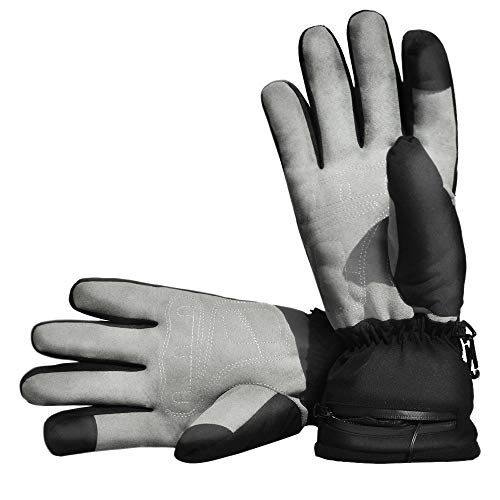
Rechargeable Heated Winter Gloves are built around a simple promise: warm the hands quickly and keep them usable outdoors. The supplied product details mention built-in carbon fiber heating panels across the back of the hand, with far infrared heating elements helping spread warmth through the fingers. That layout matters because cold fingertips can make throttle control, ski pole handling, or phone use feel annoyingly stiff.
Heating speed is one of the stronger points on paper. The gloves are described as heating in about 30 seconds, which is useful when cold air hits before the body has time to settle in. Quick warmth feels especially valuable during short rides, parking-lot gear changes, or winter mornings where standing still makes everything worse.
Three heat settings give these gloves more flexibility than one-temperature designs. Red is listed as the high setting at 140℉ for about 2.5 to 3.5 hours, blue as medium at 131℉ for about 3.5 to 5 hours, and green as low at 113℉ for about 7 hours. Those numbers come from the provided product details, so real-world use can shift depending on wind, outside temperature, and how often the highest setting is used.
Battery capacity looks generous for this style of glove because the package includes two 4000mAh batteries. Longer low-setting warmth can be handy for fishing, snowboarding, hiking, motorcycle riding, or outdoor work where heat needs to last beyond a quick coffee run. The tradeoff is simple, though: more battery means more gear to charge and manage before heading out.
Warmth Where It Actually Counts
Back-of-hand heating gets most of the attention, but finger coverage is the detail that makes these gloves more practical. The description says the back and fingers are covered with heating elements, which helps address the usual weak spot in cheap heated gloves. A warm palm with cold fingertips still feels miserable, especially when fingers need to bend and grip.
Far infrared heat is promoted here as a comfort feature for cold hands, stiff joints, and circulation support. That should be understood as general warmth comfort rather than a medical promise. Still, steady heat can make winter movement feel less punishing, particularly during activities where fingers stay exposed to wind for long stretches.
Low-temperature performance is pitched for harsh cold, with the supplied detail mentioning use in temperatures as low as -30°F. That’s an aggressive claim, so expectations should stay realistic. Gloves may still need proper jacket cuffs, dry conditions around the opening, and smart heat setting management to feel comfortable in severe cold.
Heat control is easy to understand thanks to the color-coded LED settings. That sounds basic, but it helps a lot when gloves are being used outdoors and nobody wants to guess which mode is running. Holding the switch for three seconds also helps prevent accidental activation while packing or carrying the gloves.
Comfort consistency depends heavily on how the gloves fit. A tight fit can reduce circulation and make warmth feel weaker, even when the heating system is working. A little breathing room around the fingers is usually better for heated gloves, as long as the glove still feels controlled on grips, poles, or handlebars.
Waterproof Build And Winter Protection
Waterproof and windproof layers give these gloves their all-weather personality. The supplied materials include PU leather and polyester fiber, plus waterproof, windproof, heating, and warm velvet layers. That combination is aimed at keeping hands dry and insulated during snow, light rain, cold wind, and wet outdoor surfaces.
Velvet lining adds a softer feel inside the glove, which matters more than it might seem. Scratchy liners get old fast during long winter activities, especially once hands become sensitive from cold air. A warmer, softer interior makes the gloves feel less like hard protective gear and more like something wearable for several hours.
PU leather and polyester fiber make the glove more suitable for mixed outdoor use than delicate fashion-style winter gloves. The materials should handle common winter friction from grips, ski poles, bags, and straps better than thin fabric alone. Still, PU leather is not the same as full-grain motorcycle leather, so abrasion expectations should stay practical.
Reflective strip is a small but useful touch for darker winter conditions. Short days, gray skies, and roadside stops all make visibility more important. It won’t replace proper lights or reflective riding gear, but extra visibility detail rarely hurts in cold-weather use.
Weather sealing still has limits around the cuff. Even waterproof gloves can get wet inside if water runs down sleeves or snow sneaks through the wrist opening. The toggle drawstring and adjustable wrist strap help manage that problem, but jacket overlap still plays a big role in keeping hands dry.
Touchscreen Use And Daily Handling
Five-finger touchscreen support gives these gloves a practical advantage over models that only work on one fingertip. Phones, tablets, and LCD screens can be handled without peeling the gloves off every few minutes. That matters during winter because removing gloves repeatedly is one of those tiny annoyances that turns into a big frustration.
Touch accuracy still won’t feel like bare fingers. Heated gloves have insulation, seams, and thicker fingertips, so quick taps should be easier than detailed typing. For maps, music controls, calls, or quick screen checks, the touchscreen feature makes sense.
Ergonomic design helps the gloves feel less blocky during movement. Heated gloves can easily become stiff because batteries, heating panels, and insulation all add structure. A better hand shape helps with gripping handlebars, holding ski poles, or carrying cold-weather tools without fighting the glove on every bend.
Battery power bank function is an unusual extra in the supplied details. It may be handy in a pinch, though using glove batteries for other devices can reduce available hand warmth. That feature is better treated as backup convenience, not the main reason to buy heated gloves.
Outdoor handling feels best suited to larger motions rather than delicate work. Riding, skiing, hiking, hunting, fishing, and walking all fit the glove’s strengths. Tiny buckles, thin zipper pulls, and small tool adjustments may still feel clumsy because warmth and insulation naturally add bulk.
Pros And Cons In Real Use
Pros start with the strong heat-setting range. The listed temperatures and runtimes give a clear picture of how the glove can be used across different conditions. High heat suits short, harsh exposure, while low heat makes more sense for extended outdoor time.
Battery strength is another clear benefit. Two 4000mAh batteries provide enough listed capacity for longer winter routines, especially on the lower heat setting. The downside is that charging becomes part of the habit, and forgetting that step can leave the gloves functioning mostly as insulated winter gloves.
Waterproof comfort gives the gloves a broad use case across skiing, motorcycles, hiking, hunting, and fishing. In some cases, a related home-weatherproofing reference appears in how to cover fireplace tile, since cold-season comfort often comes down to managing heat, surfaces, and moisture in different places. The link topic sits separately from glove performance, so it fits best as a neutral reference rather than a product connection.
Cons mostly come from bulk, material tradeoffs, and realistic weather limits. Heated gloves with batteries and layered insulation won’t feel as nimble as thin riding gloves. PU leather can be practical for winter use, but riders wanting serious slide protection may prefer gloves designed more specifically around motorcycle abrasion resistance.
Best-fit situations include cold rides, winter sports, outdoor chores, and long stationary activities like fishing or hunting. The gloves make less sense for warm-weather riding, detailed mechanical work, or anyone who hates managing rechargeable gear. Used with realistic expectations, they bring useful warmth, weather resistance, and screen access into one winter-ready package.
XTSZX Heated Mittens Gloves
Slushy roads, icy handlebars, and stiff fingers can make winter riding feel like a chore before the engine even warms up. Regular insulated gloves often help for a while, then cold creeps into the fingertips and the grip starts feeling wooden. That’s where best waterproof heated motorcycle gloves like the XTSZX Heated Mittens Gloves try to pull their weight, mixing battery warmth, weather resistance, and touchscreen convenience into one cold-season setup.
XTSZX Heated Mittens Gloves
XTSZX Heated Mittens Gloves take a slightly different angle from slimmer riding gloves because they lean into warmth first. The design uses 7.4V 2500mAh rechargeable lithium batteries and gives three heat settings, which makes the gloves better suited for long cold exposure than quick, casual errands. They’re not trying to feel like thin summer gloves, and honestly, that’s part of the point.
Heating performance is the main selling point here. The product details list red as the high setting at 140℉ for about 2.5 to 3.5 hours, blue as medium at 131℉ for about 3.5 to 5 hours, and green as low at 113℉ for up to 7 hours. Those listed ranges give a useful picture of how the gloves behave across different cold-weather situations.
Fast heating adds to the appeal because the gloves are described as warming the hands in about 30 seconds. That’s helpful during early rides, ski-lift waits, snow shoveling, or those awkward moments where cold air bites before the body catches up. Nobody wants to stand around rubbing hands together while wearing gloves that are supposed to solve the problem.
Heating coverage reaches the back of the hand and fingers, which matters more than a warm palm alone. Cold usually starts at the fingertips, then spreads into the knuckles and makes every movement feel slow. The XTSZX setup focuses on the areas that tend to lose warmth quickest during motorcycle rides, hiking, snowboarding, and winter outdoor work.
Battery Warmth And Heat Control
7.4V battery power gives these gloves a stronger heating base than many small 5V winter gloves. The supplied 2500mAh battery capacity is paired with three heat modes, so the gloves can be adjusted instead of running at one fixed warmth level. That flexibility helps because freezing rain, dry cold, and active movement all call for different heat settings.
High heat mode makes the most sense during short, harsh exposure. A red-light setting at 140℉ sounds tempting for every ride, but it naturally drains faster than medium or low. Used carefully, it’s better as a quick rescue setting when fingers are already cold, not necessarily the mode to run all day.
Medium heat mode feels like the practical middle lane. The listed 131℉ range with 3.5 to 5 hours of use gives enough warmth for many winter activities without burning through the battery too quickly. For a cold commute or a few hours outside, this setting may be the one that makes the most sense.
Low heat mode stretches runtime up to 7 hours according to the product details. That longer warmth window works well for slower activities like ice fishing, hiking breaks, outdoor events, or mild winter riding. It won’t feel as punchy as high heat, but steady warmth often beats short bursts when the day runs long.
Waterproof Layers And Outdoor Comfort
Waterproof protection gives these gloves their winter-ready character. The outer build uses soft PU leather and waterproof polyester fiber, while the inner structure includes waterproof, windproof, heating, and warm layers. That layered setup helps fight the usual cold-weather trio: wet fabric, biting wind, and trapped chill around the fingers.
Breathable 3M cotton inside the gloves is a useful comfort detail. Warm gloves can become clammy when the hand sweats during active movement, then that moisture cools down and causes trouble. A breathable interior helps reduce that damp, trapped feeling during skiing, snowboarding, hiking, or stop-and-go riding.
Anti-slip grip matters for motorcycle and snow use. Slick gloves can make throttle control, pole handling, or carrying gear feel insecure, especially once snow or road spray gets involved. The palm design gives the gloves a more functional edge than soft winter mitts that feel cozy but struggle with real grip demands.
Weather limits still deserve a fair mention. Waterproof gloves can block rain and snow well, but water can still enter through cuffs if sleeves dump moisture straight into the opening. The adjustable wrist strap and toggle drawstring help seal things down, but jacket overlap still matters during heavy rain or wet snow.
Cold-season practicality reaches beyond motorcycle riding. The gloves fit snowboarding, skating, hiking, skiing, and general winter movement where warmth has to stay steady. In real-world usage, a neutral weather-related reference sits in best shoes to wear in rainy weather, since wet-weather comfort often depends on both hand and foot protection.
Touchscreen Use And Fit Details
Touchscreen support sits on the forefinger through conductive leather. That feature saves the annoying routine of pulling gloves off just to answer a phone, adjust a map, or tap a vehicle screen. It’s especially useful during freezing weather because exposed fingers lose warmth fast, even during quick screen checks.
Touch response should be treated with realistic expectations. Thick heated gloves won’t feel as precise as bare fingers, and small icons may still take patience. For basic taps, calls, music controls, and quick navigation checks, the feature adds convenience without pretending to replace normal phone handling.
Ergonomic design helps the gloves feel less bulky than they could. Heated gloves always have extra structure from wiring, insulation, and battery pockets, so shaping matters. A glove that naturally curves around handlebars or ski poles feels much easier to live with than one that fights the hand.
Adjustable wrist strap gives better control over fit and warmth retention. Loose wrists let cold air sneak inside, while overly tight closures can feel uncomfortable after a while. The strap and drawstring combination helps fine-tune the seal depending on sleeves, jackets, and activity level.
Pros And Real Strengths
Strong heating range is the biggest advantage of the XTSZX gloves. Three temperature levels make them easier to adapt to changing conditions instead of forcing one heat level for every situation. That matters on winter days that start freezing, warm slightly, then drop again once the sun fades.
Full-hand warmth gives these gloves more useful comfort than designs that only heat one small panel. The back and fingers receive heating coverage, which supports better hand movement during cold exposure. For motorcycle riding, that can mean less stiffness while working the throttle, brake, and controls.
Included battery kit is another plus. The package lists one pair of heated gloves, a gift box, two 7.4V 2500mAh batteries, a DC charger, and a user manual. Having the core power parts included keeps the setup straightforward from the start.
Reflective strip adds a practical safety-minded detail. Winter activities often happen in dim light, gray skies, or early darkness. A reflective accent won’t replace proper lights or visible gear, but it adds one more small layer of visibility.
12-month warranty gives some reassurance because heated gloves contain more working parts than standard winter gloves. Batteries, switches, wires, lining, and outer materials all need to cooperate. A warranty period is useful for powered gear that sees cold, moisture, bending, and repeated charging.
Cons And Honest Tradeoffs
Bulk is the first tradeoff most people will notice. Heated mittens and insulated gloves naturally feel thicker than regular motorcycle gloves. That extra warmth can be worth it, but fine motor tasks like fastening tiny buckles or digging small keys from a pocket may feel awkward.
PU leather construction has practical value for weather resistance and flexibility, but it should not be confused with heavy-duty motorcycle racing leather. The gloves can suit cold riding and outdoor use, yet riders focused on high-speed abrasion protection may want dedicated motorcycle gloves with more protective certification details. Warmth and protection don’t always move in the same direction.
Battery dependence adds a routine. Forgetting to charge the batteries means the gloves still work as insulated winter gloves, but the standout heating benefit disappears. That’s not a flaw unique to this model, just the usual deal with rechargeable cold-weather gear.
Mittens-style warmth can feel cozy, but control feel may be less crisp than slim five-finger riding gloves. The product presents touchscreen functionality on the forefinger, yet overall winter thickness still affects precision. Riders who constantly use small controls may need a little adjustment time.
Best-fit expectations should stay grounded. These gloves make sense for cold-weather riding, skiing, skating, hiking, snowboarding, and outdoor winter chores. They may feel like overkill for mild weather, quick indoor-outdoor errands, or tasks requiring delicate fingertip control.

Best Heated Ski Mittens for Warm Hands on Cold Mountain Days

Best Heated Glove Liners 2026 For Warmth That Lasts

best heated gloves under 100 2026 Warm Picks
Best Heated Ski Gloves Women 2026 For Cozy Winter Adventures
46174best rechargeable heated glove liners 2026 Warm Picks
Best Electric Gloves 2026 - 10 picks to buy
Best Heated Mittens 2026 Top Picks For Warm Hands
Top Best Budget Heated Motorcycle Gloves - (2026 Lastest)





