
Can You Install a Tankless Water Heater Yourself?

There is no reason to stress over making the wrong choice, because the dividing line is very clear. A small under-sink heater that plugs into a standard wall outlet is a realistic DIY project, but whole-house models almost always require a licensed professional. High-voltage wiring and gas lines carry serious safety risks, and local building codes often forbid homeowners from hooking them up alone.
Three main factors change what is possible in your home: fuel type, power capacity, and local permit rules. A single-faucet electric unit needs little more than basic plumbing tape and a nearby plug. Meanwhile, a full-sized electric heater often requires massive dedicated circuits (separate wires running straight from your main electrical panel), and gas units require specialized venting to push dangerous exhaust outside safely. Here is how to tell which project fits your skills and when to call in a pro.
What You Can Safely DIY Versus What Requires a Pro
Whether you can install a tankless water heater on your own comes down to the size of the machine and the fuel it uses. If you are putting a compact, 120-volt electric unit under a single sink to wash hands, the project is well within reach for a handy homeowner. You only need basic plumbing tools, a little patience, and an accessible wall outlet.
The situation changes completely when you step up to a whole-house unit or any system powered by gas. A traditional tank heater warms 40 or 50 gallons of water slowly over hours, using moderate energy to hold that heat. A tankless unit does not store water. It takes cold water straight from your supply pipe and heats it to a steaming temperature in the few seconds it flows across an internal heating coil.
Producing that intense burst of instant heat demands massive amounts of energy. A whole-house electric unit requires heavy electrical wiring and takes up a large chunk of your home electrical panel. A breaker (the safety switch in your electrical panel that cuts power during an overload) will trip immediately if the power draw exceeds what your wiring can safely carry. Gas units burn vast quantities of fuel on demand, requiring wider gas pipes and specialized exhaust venting.
Because of those demands, tackle only small, single-sink electric units on your own. Leave whole-house electric conversions and gas setups to licensed plumbers and electricians. Doing major work without a license can lead to electrical fires, carbon monoxide leaks, water damage, and costly code violations.
Setting Up a Small Under-Sink 120-Volt Unit
Small point-of-use electric heaters are the only tankless models that fit a standard do-it-yourself project. These compact boxes mount inside a cabinet directly beneath a bathroom sink, wet bar, or kitchen island. They solve the frustration of running the tap for minutes just to get warm water from a distant water heater.
Before you begin, remember that these small units are built strictly for light, localized use. They have a modest flow rate, measured in GPM (gallons per minute, the speed water comes out of your faucet or shower). A compact 120-volt heater delivers warm water for washing hands or rinsing a dish, but it cannot support a shower or supply two faucets at the same time. If you are planning heating for tiny living spaces or compact campers, managing tight power loads is just as essential as it is when selecting the best heater for van life.
Here is the essential checklist for mounting and plumbing an under-sink unit safely:
- Shut off the cold water supply valve under the sink and open the faucet tap to release all remaining pressure.
- Place a shallow bucket under the supply lines to catch residual water, then disconnect the flexible hose leading to your faucet.
- Mount the heater upright against the cabinet wall using sturdy screws, keeping it level so the internal chamber fills evenly.
- Connect the cold line to the inlet and run a flexible stainless steel hose from the outlet to the faucet hot connection, using plumber's tape on threads.
- Turn the cold water valve back on and run the faucet for two minutes to purge all trapped air.
- Inspect every threaded connection closely with a dry paper towel to confirm there are zero water leaks under full pressure.
- Plug the power cord directly into a grounded 120-volt outlet on a dedicated circuit (a separate wire running directly from the breaker box to one appliance).
Flushing the air out of the line before turning on the power is the most critical step of the entire process. If you switch on the electricity while the internal heating chamber is still dry, the heating element will burn out within seconds. Once water flows smoothly without sputtering, plug the unit in and turn the temperature dial to your desired warmth.
The Heavy Demands of Whole-House 240-Volt Electric and Gas Systems
Stepping up to a system that handles showers and appliances introduces complex utility work. A whole-house electric unit running on 240 volts draws more continuous current than nearly any other home appliance. For example, a 14-kilowatt heater requires a dedicated 60-amp double-pole breaker and 6 AWG wire (very thick electrical cable built to carry heavy power without overheating).
Many older homes have an electrical panel rated for only 100 or 150 amps of service. A large 240-volt tankless heater can easily consume over half of that capacity whenever someone turns on hot water. If an air conditioner kicks on at the same time, the main breaker can trip. Much like planning power when choosing the best electric heater for garage with thermostat, whole-house units cannot share circuits or attach to standard wiring without careful load calculations.
Gas tankless water heaters present an entirely different set of technical hurdles. A standard tank heater burns around 35,000 to 40,000 BTUs of gas to warm water gradually. In contrast, an on-demand gas heater requires between 150,000 and 199,000 BTUs to heat cold ground water instantly. That massive burn rate requires an enormous volume of fuel delivered in seconds.
The existing half-inch gas pipe that supplied your old water heater is almost never thick enough to feed an on-demand gas system. A technician usually has to run a wider three-quarter-inch or one-inch pipe straight from the gas meter to the unit. Starving a gas heater of fuel causes error codes, loud booming ignitions, soot buildup, and sudden shutoffs during showers.
Venting (exhaust pipes that carry burned gas outdoors safely) is equally demanding. Modern gas tankless units use electric blower fans to push exhaust air out horizontally. This exhaust contains moisture and mild acids that will eat straight through standard metal chimneys. Gas tankless units require sealed stainless steel or special plastic pipes routed through an exterior wall or roof, with precise clearances away from open windows and doors to prevent carbon monoxide from entering the home.
Permits, Warranty Rules, and Critical Red Flags
Water heaters are closely regulated appliances because improper installation poses real hazards to life and property. Almost every city and township requires an official building or plumbing permit before you can replace or convert a water heater. A local building inspector must examine the pipe joints, pressure relief valves, wire gauges, and exhaust runs to confirm everything meets local building safety codes.
Skipping permits creates financial problems later. If an unpermitted installation causes a flood or fire, your insurance company can deny the claim. Selling your home also becomes difficult, as home inspectors check permits for major plumbing and electrical changes and can require professional reinstallation.
Warranties are another reason to avoid DIY work on larger units. Most manufacturers state in their manuals that warranties on heat exchangers and circuit boards are void unless installed by a licensed professional. If a board fails, the manufacturer can reject your claim without proof of certified installation.
Stop the project immediately and contact a licensed contractor if you encounter any of these red flags:
- Your electrical service panel has no open slots or is rated below the total amperage required by the new unit.
- You must fish heavy gauge wires through finished walls or work inside a live main service panel.
- Your gas line requires cutting, threading iron pipe, or upsizing from the utility meter.
- You need to cut new holes through your home roof or exterior siding to install sealed exhaust venting.
- You feel unsure about soldering copper pipes, installing emergency shutoff valves, or setting up a temperature and pressure relief discharge line.
What to Look for Before Choosing a Tankless Unit
Finding the right tankless heater starts with your home physical limits. Before buying, measure the temperature of your incoming groundwater. Cold northern water requires twice as much heating energy to reach comfortable warmth compared to water in southern climates.
Next, determine whether you need targeted point-of-use heating or a whole-home solution. For a single sink, look for compact electric models that feature simple plug-in operation, digital temperature controls, and built-in protections against dry heating and water leaks. These compact units let you complete the installation yourself without touching your breaker box or running complex pipe runs.
If your goal is to supply hot water for multiple bathrooms, showers, and appliances, plan for a professional installation right from the start. Look for units that match your fuel availability, check that your electrical panel has adequate spare capacity, and confirm that the unit delivers enough hot water volume to handle your home busiest morning routines.

- BWP Score9.6
BWP Score is a ranking system developed by Bestwinterproducts.com. BWP score has no relationship or impact from any manufacturers or sales agent websites. Learn more
- Brandxwdzswgs

- BWP Score9.5
BWP Score is a ranking system developed by Bestwinterproducts.com. BWP score has no relationship or impact from any manufacturers or sales agent websites. Learn more
- BrandGeneric
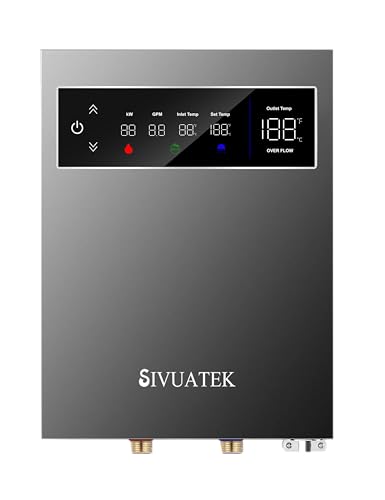
- BWP Score9.2
BWP Score is a ranking system developed by Bestwinterproducts.com. BWP score has no relationship or impact from any manufacturers or sales agent websites. Learn more
- BrandSIVUATEK

- BWP Score7.5
BWP Score is a ranking system developed by Bestwinterproducts.com. BWP score has no relationship or impact from any manufacturers or sales agent websites. Learn more
- BrandWestinghouse
Last update on 2026-10-16 / Affiliate links / Images, Product Titles, and Product Highlights from Amazon Product Advertising API
FAQs
Does installing a tankless water heater myself void the manufacturer warranty?
On small 120-volt point-of-use units, manufacturers generally honor the warranty as long as you follow the manual instructions. On larger 240-volt electric and gas models, most brands require installation by a licensed plumber or electrician. If you install a whole-house unit yourself, the manufacturer can deny claims for replacement parts or heat exchanger failures.
Can I plug an under-sink tankless water heater into a standard extension cord?
You should never use an extension cord or power strip with an electric water heater. Tankless units draw heavy, continuous electrical current that can easily overheat the thin wiring inside an extension cord, creating a severe fire hazard. Always plug the unit directly into a grounded wall outlet on its own dedicated circuit.
How do I know if my electrical panel can handle a tankless water heater?
Check the main breaker switch at the very top of your electrical panel to find your home total service size, which is usually 100, 150, or 200 amps. You also need to confirm that you have empty breaker slots that can accommodate a large 60-amp double-pole switch without exceeding your total household capacity. If your panel is full or rated under 200 amps, consult a licensed electrician before buying a 240-volt heater.
.jpg)

Best Warm Winter Scarves 2026 For Cozy Comfort

Best Green Ski Goggles 2026 For Clear Vision On Slopes

12 Best Corner Electric Fireplace 2026: My Ultimate Guide To Pick One

Best Battery Powered Snow Blower 2026 For Effortless Snow Clearing

Best Ski Goggles Under 30 Inches For Crisp Vision And Comfort

Best Cooling Scarf 2026 For Instant Relief And Comfort

Fake Snow for Grass: Create a Realistic Winter Lawn Display

Dimplex Prism Wall Mount Fireplace: Sleek Heat With Modern Flame Style





